Key Takeaways
| Passing: | Celebrated journalist and advice columnist Margo Howard passed away peacefully at age 86. |
| Dynasty: | As the daughter of Eppie Lederer (Ann Landers), she inherited and redefined a golden lineage of American advice journalism. |
| Digital Pioneer: | Howard originated the beloved Dear Prudence column on Slate, transforming traditional newspaper counseling into digital gold. |
| Literary Work: | Penned the bestselling memoir Eat, Drink, & Remarry, celebrating love, resilience, and personal evolution across four marriages. |
| Charity & Grace: | Known for fierce personal loyalty, quiet philanthropy, and an unforgettable razor-sharp Chicago wit. |
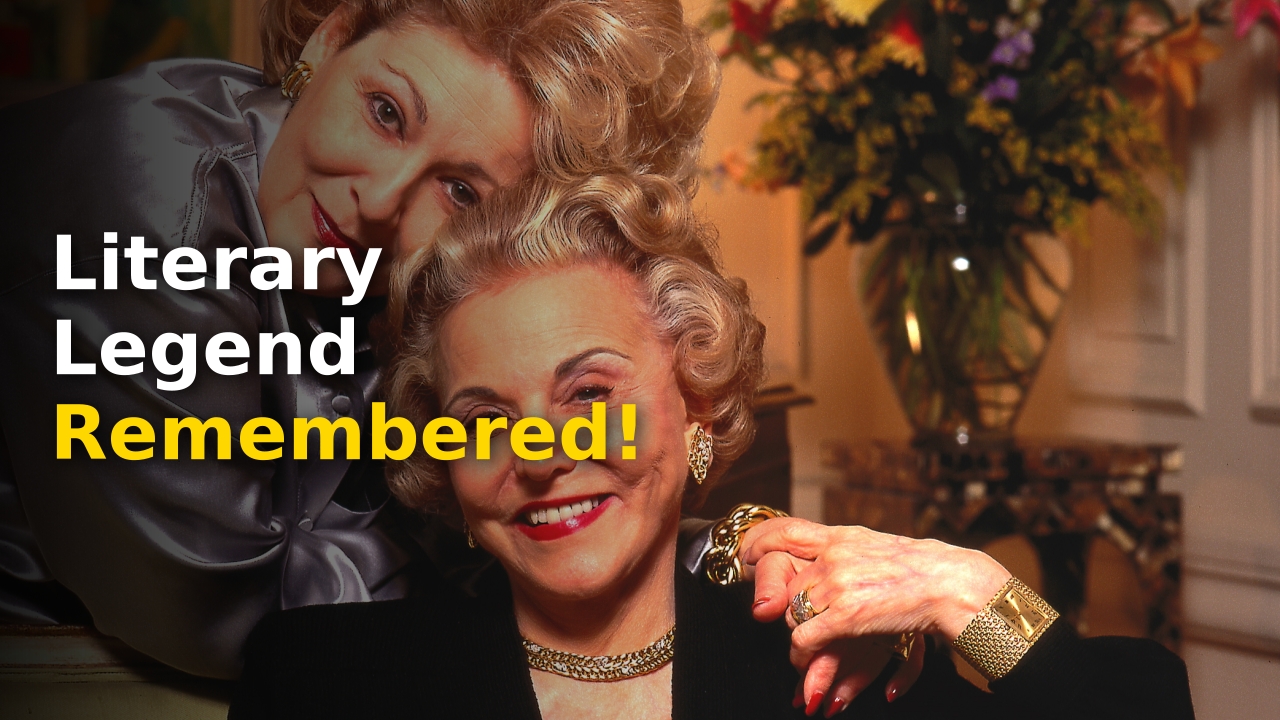
You probably remember the exact moment a piece of candid life advice cut through your personal confusion. Margo Howard spent decades delivering that exact clarity to millions of eager readers across the United States. The legendary columnist, author, and cultural commentator died at the age of 86, leaving behind an astonishing media legacy that bridges traditional mid-century print journalism with the modern digital age.
Howard was not merely an observer of human nature; she was a participant who lived boldly, loved unapologetically, and shared her missteps with infectious warmth. Readers turned to her columns not to receive sterile, clinical moralizing, but to hear the voice of an astute, sophisticated friend who understood that life is messy, complicated, and occasionally hilarious.
Her signature style blended midwestern practicality with aristocratic elegance and street-smart humor. Whether untangling family disputes, workplace dilemmas, or romantic heartbreaks, Howard approached every correspondent with an intuitive empathy that could only be honed through rich personal experience and absolute honesty.
The Wit and Wisdom of Margo Howard
Stepping into the national spotlight as the daughter of advice icon Eppie Lederer—better known to the world as Ann Landers—could easily have intimidated a lesser writer. Howard never flinched under the weight of her family surname. Instead, she established an independent identity defined by irreverence, sharp social observation, and uncompromising clarity.
When she took the reins to establish the popular Dear Prudence column at Slate in the late 1990s, Howard demonstrated that the traditional advice format was primed for an internet revolution. Readers who grew up browsing celebrity memoirs and biographies found in Howard a uniquely modern guide who spoke without filter or pretense.

Revolutionizing Modern Online Advice
Traditional print columns operated under strict space restrictions, often resulting in sanitized responses that catered to conservative newspaper syndicates. Howard broke those constraints wide open when she migrated her talents to the web, bringing a conversational swagger that set the standard for contemporary digital counseling.
Her Slate platform became essential reading for a generation navigating early internet culture, dating apps, and changing social mores. Readers submitted raw, unconventional dilemmas that traditional newspapers would never touch, and Howard answered each inquiry with candid empathy and a trademark punch of sardonic humor.
She treated letter writers like guests at an upscale cocktail party. You were welcome to state your piece, but if you engaged in self-deception, Howard would gracefully dismantle your illusions before handing you a cup of coffee and telling you to soldier on.
Carrying the Torch of Eppie Lederer
Growing up inside America’s preeminent advice dynasty offered Howard an unparalleled vantage point on human psychology. Her mother and her aunt Pauline Phillips (the legendary voice of Dear Abby) were competing titans of print media, shaping public opinion on divorce, civil rights, mental health, and family dynamics across five decades.
Yet Howard refused to simply replicate her mother’s format. Where Eppie Lederer leaned into moral authority and civic duty, Howard embraced human vulnerability, frequently citing her own missteps as practical case studies for readers searching for answers.
A well-known piece of journalistic lore involved Chicago colleagues gathering at Howard’s residence on a snowy winter evening. A reporter stumbled upon a framed photograph of Ann Landers on Howard’s nightstand and gasped in astonishment, unaware of the family connection until Howard laughed off the revelation with characteristic modesty.
Expert Take: The Evolution of Syndicated Advice
Media historians frequently emphasize that Howard represented the vital bridge between mid-century syndicate monopolies and early web publishing. According to archival reporting from Slate’s Dear Prudence archives, Howard proved that online audiences craved authentic personal voice over detached institutional authority. She proved that internet users were not looking for moral arbitration, but rather emotional intelligence backed by lived experience.
Margo Howard Career Milestones and Legacy
Howard’s career spanned newspapers, digital publications, national magazines, and autobiographical non-fiction. Her diverse body of work reflected a rare ability to adapt to changing publishing landscapes while maintaining a singular, instantly recognizable literary cadence that inspired generations of lifestyle writers.
| Era / Year | Media Outlet / Publication | Role & Description | Cultural Significance |
|---|---|---|---|
| 1970s–1980s | Chicago Sun-Times & Tribune | Syndicated Columnist & Social Critic | Cemented her status as a premier voice in Chicago journalism. |
| 1998–2005 | Slate Magazine | Original “Dear Prudence” Columnist | Reinvented the American advice column for the digital landscape. |
| 2005–2013 | Creators Syndicate & Wowowow | “Dear Margo” Syndicated Feature | Reached hundreds of global papers with personal commentary. |
| 2014 | Dutton / Penguin Random House | Author: Eat, Drink, & Remarry | Acclaimed memoir chronicling resilience and modern matrimony. |
From Print Glamour to Internet Virality
Long before algorithmic trends dictated media discourse, Howard understood human interest instinctively. Her dispatches from Chicago party circuits in the 1970s captured an intoxicating blend of literary sophistication, political intrigue, and unapologetic Midwestern charm.
Readers who explore exclusive entertainment retrospectives often discover how few commentators navigated the print-to-digital transition successfully. Howard made the leap appear effortless, migrating her loyal readership to online magazines without losing a single drop of her signature style.
Her correspondence with national broadcasters, writers, and cultural figures demonstrated her lifelong habit of staying tuned to contemporary conversations. She monitored the world with curious amusement, famously remarking during a papal conclave that the new pontiff seemed to carry a recognizable Chicago cadence in his voice.
By The Numbers: The Scope of Howard’s Influence
At her peak, Howard’s advice columns reached an estimated audience of over 5 million readers weekly across syndication networks and digital pageviews. She evaluated tens of thousands of letters over a 40-year career, addressing issues spanning marital breakdown, etiquette, economic hardship, and generational culture clashes.
Publishing industry records highlight that her memoir received widespread critical acclaim upon debut, remaining a frequently cited cultural text regarding mid-century relationships and divorce. Her voice helped demystify the stigma surrounding failed marriages for millions of American women.

Inside Eat Drink and Remarry
One of Howard’s greatest gifts to literature was her 2014 memoir, Eat, Drink, & Remarry: Confessions of a Serial Wife. Instead of hiding behind a polished facade of domestic perfection, she laid bare her history across four distinct marriages with honesty, humor, and tender affection for each former partner.
Her partners included prominent figures, such as an acclaimed Hollywood actor and a respected Boston cardiologist. Rather than weaponizing past heartbreaks into bitter grievances, Howard celebrated what each union taught her about personal growth, tolerance, and resilience.
Four Marriages, Infinite Life Lessons
Howard famously declared that experience holds zero value if you refuse to learn from it. That core philosophy guided every chapter of her life, granting her advice columns an authority that armchair moralists simply could not replicate.
She wrote candidly about falling in love, discovering irreconcilable differences, and finding the grace to separate without unnecessary cruelty. Readers praised her memoir for treating past relationships not as embarrassing mistakes, but as legitimate chapters in a lifelong quest for companionship.
Those searching for iconic Hollywood culture features frequently point to Howard’s reflections on celebrity romances as a masterclass in candid storytelling. She observed high-society rituals with a reporter’s skepticism and a humanist’s heart.
Personal Philanthropy and Quiet Compassion
Behind the glittering wit lay an intensely generous soul who rarely advertised her private charity. Journalists who worked alongside Howard recall moments when she mailed personal checks directly to subjects of news broadcasts who had lost their homes or possessions to misfortune.
She had little patience for hollow platitudes, frequently observing that individuals undergoing severe hardship needed tangible financial assistance far more than gentle thoughts. That pragmatic kindness defined her character far better than any public accolade.
Her quiet support touched countless individuals across Chicago, Cambridge, and beyond. She believed deeply in second chances, offering warm encouragement to young writers finding their feet in competitive newsrooms across the country.
The Cultural Impact on Syndicated Media
To understand the magnitude of Howard’s career, one must appreciate the intense cultural influence wielded by advice columns throughout the twentieth century. These features served as community forums, psychological mirrors, and early guidance networks for ordinary citizens seeking validation.
Howard recognized the solemn responsibility embedded within that public trust. While she injected humor into absurdity, she never treated genuine suffering lightly, providing sensible resources and unwavering support to those navigating abusive partnerships or profound isolation.
Navigating the Famous Chicago Literary Scene
Chicago in the latter half of the twentieth century was a fiercely competitive journalistic battleground. Legends like Mike Royko, Roger Ebert, and Studs Terkel dominated newsrooms, setting an extraordinary standard for local and national reporting.
Howard thrived in that exact arena, holding court among the city’s sharpest thinkers while cultivating a warm, hospitable circle of lifelong confidantes. Her salon-like gatherings were legendary, drawing reporters, artists, and dignitaries into spirited late-night debates.
She kept up constant correspondence with close colleagues throughout her twilight years, checking in on their families, praising compelling broadcasts, and offering comforting reassurances during difficult seasons.
Advice Columns in the Digital Age
Today, personal advice has exploded into social media threads, relationship podcasts, and anonymous forums. Yet modern commentators still look to Howard’s foundational work at Slate as the gold standard of tone, pacing, and emotional equilibrium.
She proved that counsel does not require condemnation. By normalizing the complex realities of divorce, blended families, and unconventional life choices, Howard helped dismantle centuries of rigid social expectations.
As recorded in NPR’s remembrance coverage, her beloved mantra—noting that there are simply a lot of different ways to live one’s life—remains an enduring testament to her non-judgmental philosophy.
People Also Ask
Who was Margo Howard’s famous mother?
Margo Howard was the daughter of Eppie Lederer, internationally known under the pen name Ann Landers. Her mother wrote the iconic syndicated advice column for nearly fifty years.
Which advice columns did Margo Howard write?
Howard originated the popular Dear Prudence column for Slate from 1998 to 2005. She later authored the widely syndicated Dear Margo column through Creators Syndicate and the website Wowowow.
What is Margo Howard’s memoir about?
Her 2014 memoir, Eat, Drink, & Remarry: Confessions of a Serial Wife, candidly chronicles her four marriages, her celebrated lineage, and the humor found across a life of romantic reinvention.
How old was Margo Howard when she died?
Margo Howard died at the age of 86, leaving behind a remarkable four-decade legacy in American journalism, literature, and digital culture.
Why did Margo Howard create the Dear Prudence column?
Howard launched Dear Prudence in 1998 for Slate to bring the traditional advice column into the online era, answering candid reader questions with wit, empathy, and unfiltered modern perspective.
Remembering Margo Howard and Her Enduring Voice
The passing of Margo Howard marks the end of an extraordinary era in American cultural journalism. She belonged to a rare class of writers who could identify the core truth of an emotional predicament in two sentences, always softening the blow with unmatched charm.
Her work reminded readers that life is rarely tidy, mistakes are inevitable, and genuine wisdom comes from picking oneself up with humor and renewed resolve. In an increasingly polarized media landscape, her voice stood out as a beacon of common sense, genuine warmth, and unconditional generosity.
As her loyal readers and lifelong friends honor her memory, her simple advice remains as sharp and necessary as ever: embrace your missteps, offer kindness before judgment, and soldier on with confidence.
More Like This
For more updates, check out our latest entertainment and sports news.