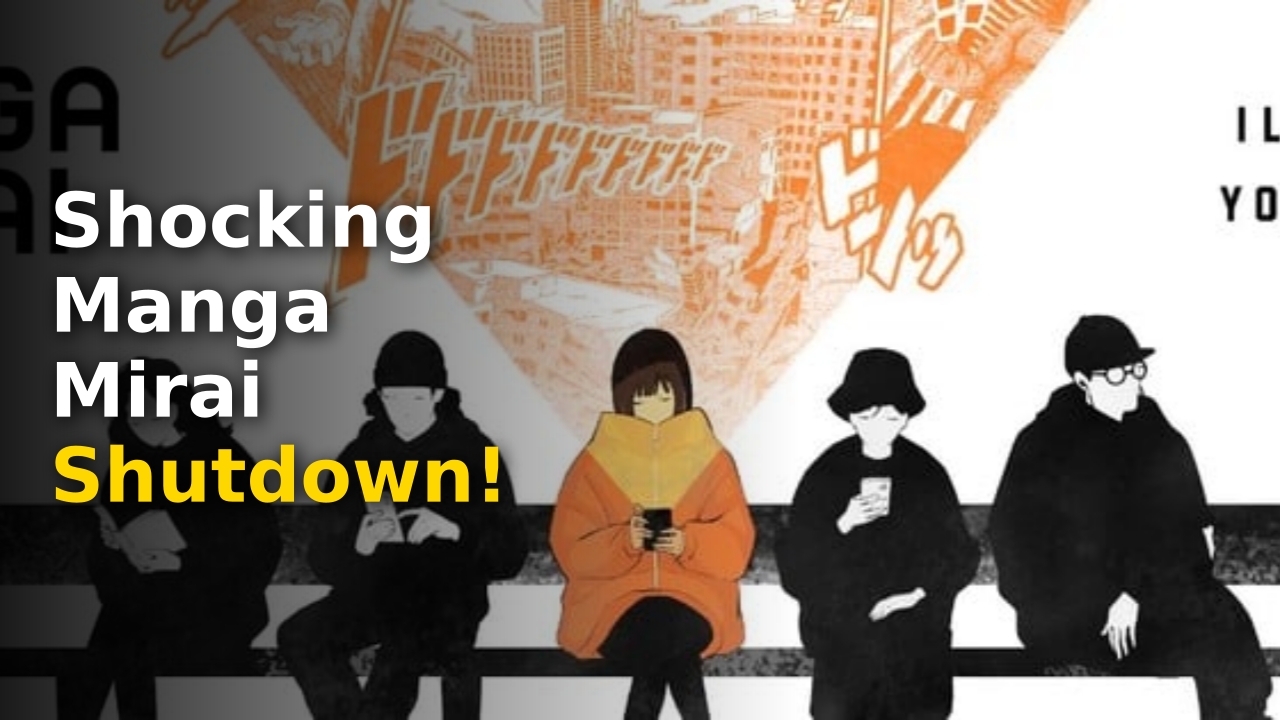
Manga Mirai shocked the global anime community when its sudden shutdown was announced just over a year after its ambitious launch.
Did you lose access to your favorite digital chapters overnight?
You are not alone in this frustration as thousands of active readers are scrambling to figure out how to retrieve their purchased volumes before the servers permanently go dark.
Digital licensing agreements are notoriously fragile, leaving modern consumers in a vulnerable position.
If you spent hard-earned money on this application, navigating the complex refund process is your top priority right now.
Manga Mirai Sudden Meltdown
The sudden closure of the digital platform has sent shockwaves through the comic community.
When the joint venture first launched in the United States, it promised a revolutionary way to read official Japanese translations.
Now, users are forced to transition to alternative services to preserve their digital libraries.
The collaboration originally brought together heavyweights like NTT Docomo and Media Do to conquer the competitive North American market.
Despite aggressive marketing, corporate interests quickly diverged, leading to this early termination.
Before Manga Mirai closed, it aimed to provide a seamless bridge between anime adaptations and their source materials.
The decision to terminate the Manga Mirai service proves that even star-studded collaborations face uphill battles in a highly saturated digital market.
Many users feel deeply betrayed because the platform actively promoted exclusive, previously untranslated titles that may now vanish completely from the internet.
The original goals were grand, but strategic alignment among the corporate founders vanished almost immediately after the mobile app launched.
Subscribers could purchase single volumes or individual chapters of their favorite series directly through the platform.
These purchased titles were readable either on the web browser interface or on a dedicated reader application designed for iOS and Android devices.
This dual-access model was intended to capture both casual mobile readers and dedicated desktop collectors.
Unfortunately, the premium price point of individual digital chapters did not sit well with consumers used to flat-rate subscription models.
Competitors offering massive libraries for a single monthly fee easily overshadowed the purchase-based monetization strategy.
As download rates plummeted, the joint venture found itself unable to cover the high costs of exclusive English localization.
The final notice on the official website left readers with a mix of anxiety and confusion about their digital collections.
While migration options exist, they come with significant caveats that exclude a large portion of the active user base.
You must act decisively to secure your library before the servers are dismantled permanently.
Key Launch Partners
- NTT Docomo served as the primary service provider managing massive infrastructure and servers.
- Akatsuki Group took control of system development, daily maintenance, and overall operational logistics.
- Media Do secured essential licensing agreements with top Japanese publishers and translation studios.
- MyAnimeList leveraged its massive community database for marketing, web integration, and community engagement.

Platform Performance Metrics
Understanding the financial scale of this venture helps explain why the service dissolved so quickly.
The competitive landscape of digital manga requires millions of active monthly users to sustain ongoing licensing fees.
While the service boasted unique features, it struggled to capture significant market share from established industry giants.
Let us look at how the parent companies distributed responsibilities during the brief operational window.
The following table outlines the operational structure of the Manga Mirai coalition.
| Partner Entity | Primary Responsibility | Contribution Level |
|---|---|---|
| NTT Docomo | Service Hosting & Delivery | High |
| Akatsuki Group | System Engineering & Operations | Critical |
| Media Do | Publisher & Translator Relations | Strategic |
| MyAnimeList | Marketing & Web Integration | Moderate |
This clear division of labor shows that even with massive corporate backing, coordination challenges can sink an online platform.
When one link in the chain falters, the entire ecosystem suffers.
This is why digital readers frequently see promising platforms collapse without warning.
The administrative overhead of running a multi-company platform proved too heavy for the projected profit margins of the venture.
When the platform metrics failed to hit key targets within the first six months, investors began to pull back their funding.
Ultimately, a niche platform cannot survive on passion alone when server maintenance and licensing fees run into millions of dollars annually.
Security and maintenance costs for a cross-platform reader app are incredibly high.
Developers at Akatsuki Group had to constantly patch software to comply with shifting iOS and Android app store policies.
These technical demands drained resources that should have been spent on acquiring hot new licenses.
Publisher relations also soured as licensing costs for popular series began to rise.
Japanese publishers are notoriously protective of their intellectual property, demanding high upfront guarantees that underperforming apps cannot sustain.
Without top-tier mainstream series, even under the Manga Mirai banner, keeping readers engaged proved to be an impossible task.
Corporate Shuffles Explained
A major catalyst for this closure was the shifting ownership of integrated partners.
In March 2025, right around the official launch date, major structural changes occurred behind the corporate scenes.
The Tokyo-based Web3 and AI company Gaudiy acquired all shares of the popular platform MyAnimeList from Media Do.
This massive transaction disrupted the long-term integration plans for the fledgling reading service.
With Gaudiy shifting corporate focus toward blockchain technology and AI solutions, the original marketing plan lost its momentum.
You must understand that corporate buyouts often leave experimental joint ventures in the dust.
The disconnect between old hosting agreements and new ownership goals created immediate operational friction.
This corporate friction ultimately led to the decision to pull the plug on the Manga Mirai database.
When looking at entertainment industry breakdowns, we see this pattern repeat constantly across the tech sector.
The transfer of the database meant the platform lost its direct marketing pipeline to millions of hardcore fans.
Without that organic traffic, customer acquisition costs soared beyond sustainable limits.
The original vision of integrating the Manga Mirai reader directly into community forums became a logistical nightmare under new management.
To make matters worse, the legal separation of the partners made data-sharing agreements incredibly complex.
Lawyers had to draft entirely new protocols just to allow users to log in using their existing community credentials.
This legal red tape delayed essential feature updates, causing the app to lag behind modern user interface standards.
By the time the partners realized the integration was failing, the damage was already done.
The lack of a unified corporate vision meant that no single company wanted to take financial responsibility for the mounting losses.
This stalemate paved the way for the eventual termination notice that shocked fans worldwide.
Official Refund Guide
If you are wondering about your digital wallet, the official termination announcement offers some hope.
The parent company acknowledges that active users may be eligible for refunds under specific, limited conditions.
You must review these conditions carefully to ensure you do not lose your hard-earned money.
The refund policies of Manga Mirai are designed to handle cases where users cannot transition to the new host.
First, if the destination service MangaPlaza does not own the licenses for titles you bought, you can request your cash back.
This protects readers who purchased niche, exclusive titles that will not exist on the new platform.
Second, if you are under the strict age limit of 18 required by MangaPlaza, you automatically qualify for a refund.
MangaPlaza hosts mature content, which makes their age verification policies much stricter than the original service.
This age restriction locks out a large demographic of younger fans who must now seek manual refunds.
Finally, users who actively opt out of transferring their personal account data to MangaPlaza are eligible.
This is a crucial feature for privacy-conscious individuals who do not want their information shared with external companies.
However, opting out means you will lose access to your digital library permanently once the migration window closes.
The transition process requires manually submitting verification documents to ensure you owned the digital goods.
Many readers have expressed frustration over the complex verification steps required by the customer support team.
Despite these hurdles, securing your money is vital if you want to rebuild your collection elsewhere.
Keep a close eye on your registered email inbox for specific migration links during the Manga Mirai transition phase.
The official closure page warns that unclaimed balances might be forfeited once the transition phase ends in late 2026.
Make sure you check your spam folder so you do not miss the official instructions sent by the support team.

Manga Mirai Industry Impact
The death of Manga Mirai raises broader questions about digital ownership in the modern publishing era.
When you buy a digital volume, you are only purchasing a temporary license to view that content.
This structural vulnerability makes physical media look far more appealing to hardcore collectors who want lifetime access.
The licensing landscape is highly fragmented, with different publishers holding localized regional rights.
This fragmentation makes it difficult for any single platform to build a comprehensive, permanent library.
As a result, users are forced to juggle multiple apps and subscriptions just to read their favorite series.
The threat of lost media is another major concern following this unexpected shutdown.
Many original titles and English translations unique to this service might never see the light of day again.
This preservation crisis often drives desperate fans back to unofficial translation sites and piracy.
The rapid rise and fall of Manga Mirai serves as a cautionary tale for tech giants entering the anime space.
You deserve a stable, reliable way to enjoy your favorite stories without fear of sudden shutdowns.
The collapse also signals a consolidating market where only a few dominant players can survive the high costs of operations.
Industry experts predict more boutique platforms will merge or shutter as operational expenses continue to climb.
To stay updated on the ever-changing digital landscape, make sure to monitor community updates closely.
The valuable lessons learned from Manga Mirai will undoubtedly shape the future of digital comic distribution for years to come.
Ultimately, the responsibility falls on both publishers and platform developers to create sustainable models.
If they fail to do so, consumers will lose faith in digital storefronts altogether.
Protect your library by staying informed and choosing platforms that prioritize reader rights and data portability.
More Like This
For more updates, check out our latest entertainment and sports news.