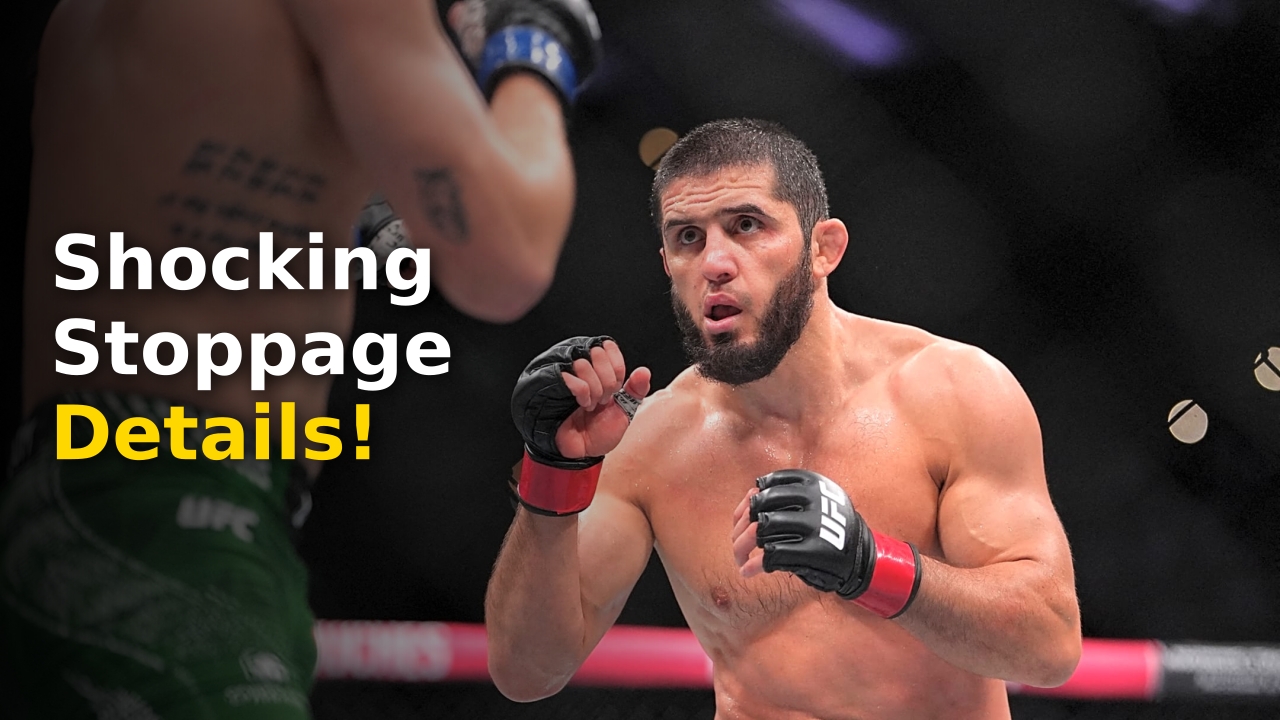
Makhachev stoppage incidents are virtually non-existent in professional combat sports, but this Friday in Tampa, the world witnessed a rare moment of compassion over carnage. You might think these fighters are trained to push through the agony, but even the most hardened warriors have a breaking point where health must take precedence over the record books.
When Magomed Magomedov found his shoulder dislocated during a high-stakes grappling exchange with Daniel Marcos, the atmosphere inside the arena shifted from anticipation to genuine alarm. As a spectator, you rarely see the corner crew exert such visible urgency to protect their own, but the decision made by Islam Makhachev proved that the bond between coach and athlete is far more sacred than any singular win or loss.
The Makhachev stoppage Reality Check
The incident unfolded during the preliminary card of the PFL Tampa event, catching fans and officials off guard. Magomed Magomedov, a seasoned professional with deep roots in the Bellator circuit, locked horns with UFC veteran Daniel Marcos, resulting in a devastating injury late in the second round. The sound of a dislocation is something that haunts veteran fighters, yet the referee allowed the contest to proceed into the final frame.
You have to wonder why the medical team cleared a fighter with such a significant injury. According to reports from MMA Fighting, the interval between rounds was a chaotic scene of desperation as Islam Makhachev attempted to manually reset the joint. His hands were working with the precision of a surgeon, yet the anatomy simply wouldn’t cooperate in the limited time available before the bell.
When the third round opened, the sight was difficult to watch for any fight fan. Daniel Marcos, performing his professional duty, immediately targeted the compromised limb. The physical trauma of forcing the arm into a clinch position meant the end was near, and Makhachev recognized it instantly. He didn’t hesitate, throwing the towel with a velocity that signaled his absolute authority over the safety of his charge.

This moment forces you to reconsider the role of the modern corner coach. In the past, cornermen were often silent observers, but today they act as the ultimate fail-safe for the athlete. You can read more about the lifestyle and career paths of high-profile icons at Bright Celebrity, where the intense pressure of these professional circles is often highlighted. It’s a brutal reminder that behind every highlight reel are bodies enduring immense structural stress.
Defining the Coach Role
- Tactical oversight during high-pressure exchanges.
- Medical assessment when professional ringside doctors fail.
- Mental fortitude to override the fighter’s ego.
- Long-term career preservation over short-term glory.
The Medical Standard Debate
The standard of care in major MMA promotions is under heavy scrutiny after this event. If a doctor clears an athlete with a clearly unstable joint, the liability shifts to the corner, placing an unfair burden on trainers like Makhachev. You have to ask yourself if the current regulatory framework is actually protecting the people who provide the entertainment.
Tactical Breakdown of Injury
Dislocations are among the most debilitating injuries in mixed martial arts. When a humerus pops out of the glenoid fossa, the surrounding ligaments are stretched beyond their natural capacity, and the risk of recurring instability skyrockets. For a fighter like Magomed Magomedov, whose game relies on explosive takedowns and heavy clinch work, this setback could be career-defining.
The mechanics of the injury in the PFL Tampa cage were textbook in their violence. As Daniel Marcos initiated the clinch, the structural integrity of the shoulder was already failing, and the pressure applied during the scramble was the final straw. You would be hard-pressed to find a fighter who could continue with full range of motion, let alone defensive capability, under these circumstances.
When looking at historical precedents, such as those documented by Wikipedia, you see few instances where a corner throws the towel for a mid-round injury of this nature. Most fighters prefer the referee to step in, as a towel stoppage is often misconstrued by casual fans as “quitting.” In reality, it is the most selfless act a coach can perform.
Why did it take 11 seconds for the fight to end? The delay in communication between the ringside officials and the corner is a recurring issue in combat sports. If the coach sees the injury, the doctor should be the one to stop it, yet the burden fell on Makhachev. Your perspective on fighter safety likely changes once you realize that the coach is the only one truly invested in the athlete’s retirement years.
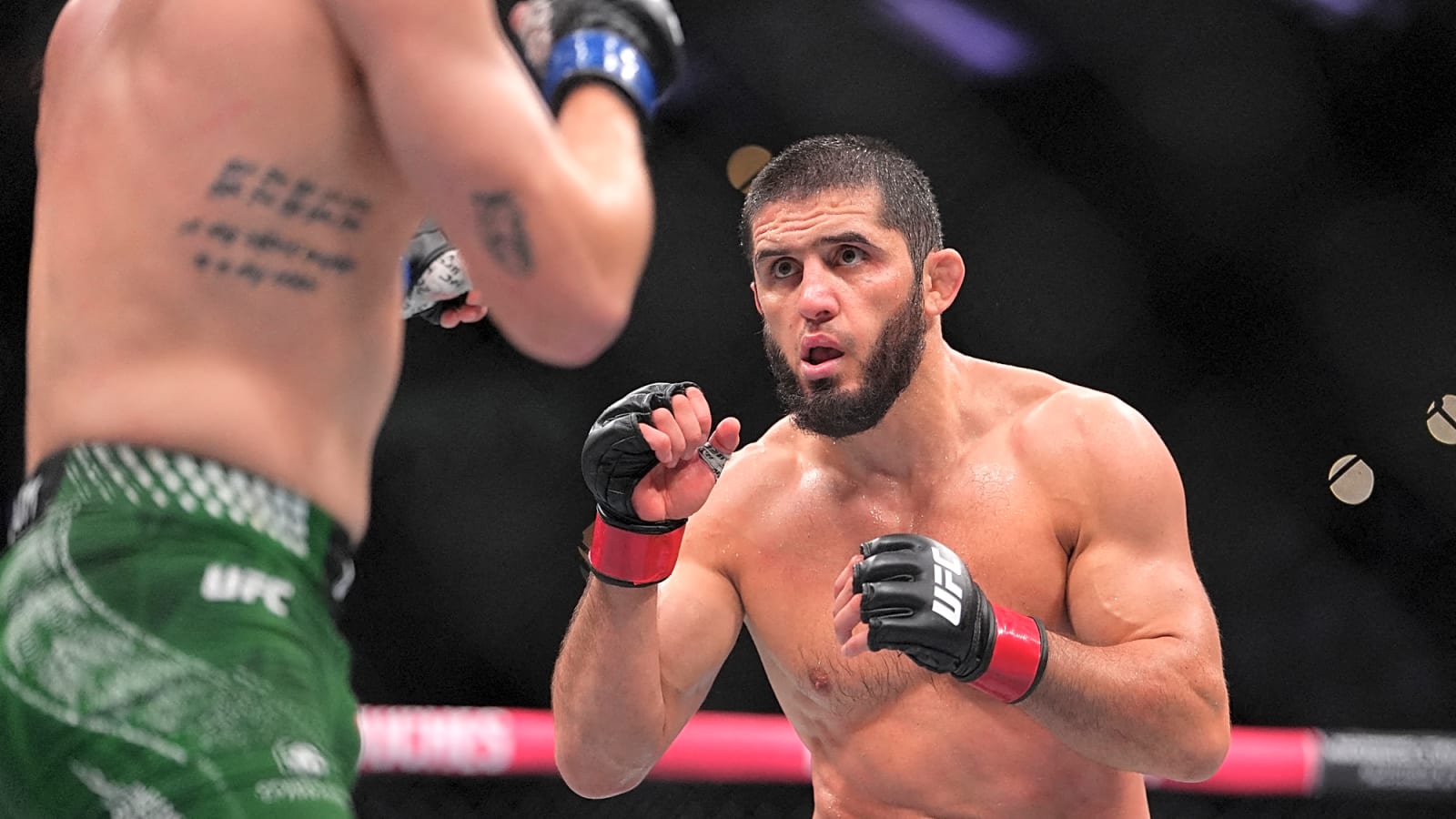
Beyond the cage, the financial implications are massive. A fighter out of commission due to an avoidable injury is a fighter without a paycheck. Magomed Magomedov will now face a long road of physical therapy, and the recovery timeline for a labrum tear or joint damage often ranges from six to twelve months. This is a severe impact on the earnings of anyone in the current landscape of Professional Fighters League competition.
The Financial Impact Table
| Category | Impact Level |
|---|---|
| Recovery Timeline | 6-12 Months |
| Tournament Standing | Immediate Disqualification |
| Medical Expenses | High/Variable |
The data suggests that fighters under the age of 30 recover faster, but the cumulative damage to the shoulder joint is permanent. Magomed Magomedov must now consult with the best orthopedic specialists to ensure his debut doesn’t become his swan song. Islam Makhachev, meanwhile, has solidified his reputation as a coach who places the human being above the spectacle.
Future Outlook for Fighters
What comes next for the Dagestani camp? It is expected that they will pivot toward a recovery-first strategy, likely utilizing the high-tech medical facilities available to top-tier UFC-affiliated athletes. You will likely see updates on their training socials in the coming weeks, but for now, the focus is strictly on health. Magomedov is known for his resilience, having survived wars in Bellator, but this particular injury is a different beast.
As for Daniel Marcos, the win keeps his trajectory moving upward, though it will forever be associated with this unusual stoppage. The PFL brass will likely review the tape to determine if better protocols could have been employed. The goal of every promoter is to ensure fair play, and nothing ruins the integrity of a sport faster than a preventable injury being ignored by the authorities.
You might wonder if this signals a cultural shift in how coaches handle injuries. The era of the ‘tough guy’ who fights through a shattered limb is slowly dying, replaced by an analytical approach that prioritizes long-term viability. Islam Makhachev has essentially set a new standard for corners across the globe, proving that you don’t need a referee’s permission to do the right thing.
The PFL season will continue, but the shadow of this injury will linger. Fighters entering the cage this weekend should take note: your corner is your final insurance policy. If you find yourself in a similar position, look for the towel, because in the grand scheme of your life, the fight is just a brief moment in time.
In the end, the Makhachev stoppage stands as a testament to the fact that true strength isn’t just about winning. It’s about having the clarity to stop the fight when the cost is too high. Whether you are a casual fan or a die-hard purist, you have to respect the decision that put the athlete’s future before the ego of a victory. We look forward to seeing Magomedov back on his feet and better than ever after his recovery.
More Like This
For more updates, check out our latest entertainment and sports news.