Key Takeaways
| Zero Run-Off Danger | The new Madrid street circuit features concrete barriers placed directly alongside the racing line, leaving drivers no room for recovery. |
| No Service Roads | Unlike permanent tracks, the lack of perimeter service roads means marshals must stop the session entirely to recover stranded vehicles. |
| Extreme Thermal Load | With ambient temperatures hitting 32°C, track temperatures will spike, severely impacting power-unit cooling and tire degradation. |
| Red Flag Precedent | Formula 3 testing on the semi-street layout has already resulted in multiple high-impact crashes and mandatory session stoppages. |
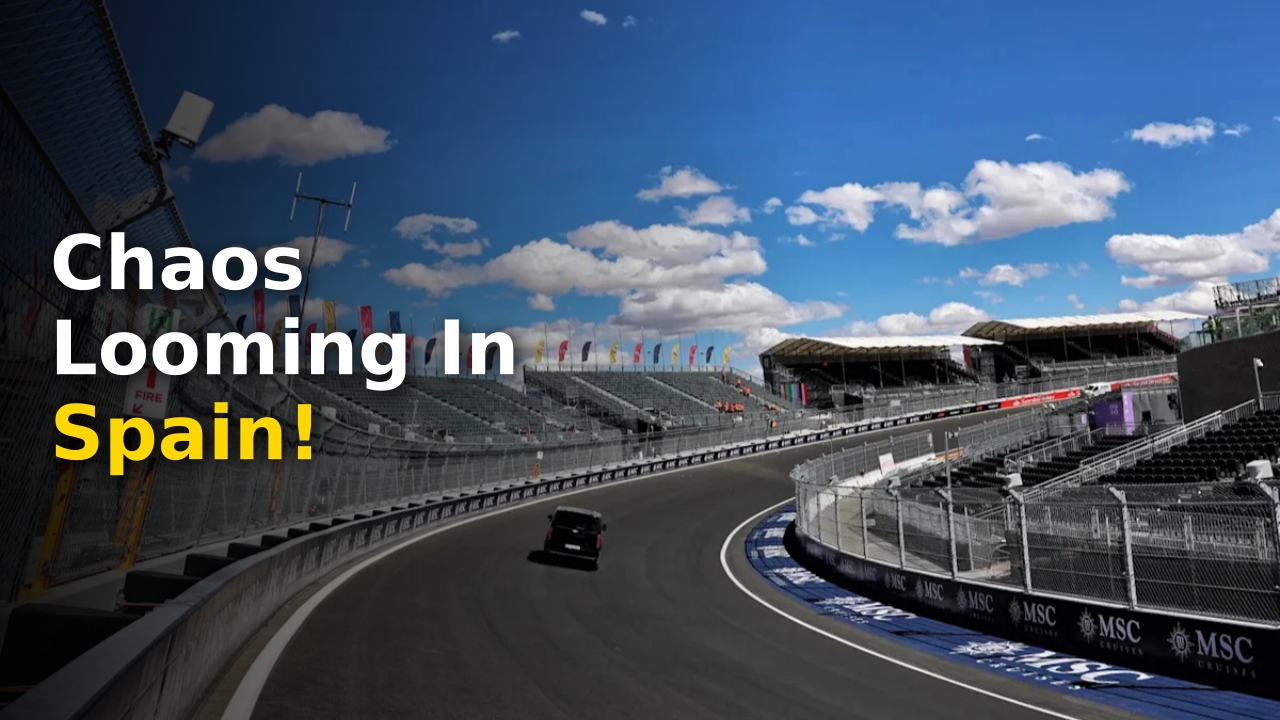
You might believe that modern motorsport safety has evolved past the era of frequent track blockages, but the raw reality of Spain’s newest street circuit is about to prove you wrong. The looming threat of **Madrid GP Red Flags** is dominating the paddock as Formula 1 prepares for its high-stakes debut on the unforgiving streets of Spain’s capital. With concrete walls hugging the racing line and absolutely zero room for error, drivers face a relentless trial by fire. The margins for error have officially vanished, leaving team principals and drivers bracing for a highly chaotic weekend.
Motorsports medical experts and event organizers are already sounding the alarm on how the layout’s physical limitations could fundamentally alter the competitive outcome. The distinct absence of traditional gravel traps and open asphalt run-off zones means that even a minor mistake will result in a heavy impact. For the teams operating on razor-thin budget caps, a single crash here could derail an entire season’s development trajectory. As the field prepares to tackle this blind, high-speed labyrinth, the pressure on the grid has never been more intense.
Understanding Madrid GP Red Flags
The operational reality of managing a modern Formula 1 race becomes incredibly complex when the physical space of the venue is structurally compromised. **Isabel Omaque**, the esteemed head of the Madring medical center, has issued a stark warning regarding the high probability of **Madrid GP Red Flags** disrupting the competitive sessions. Her primary concern stems from the lack of perimeter service roads, which are standard at permanent facilities like the Circuit de Barcelona-Catalunya. Without these access pathways, safety vehicles and recovery cranes cannot easily reach a stranded car without halting the entire field.
Whenever a driver spins or experiences a mechanical failure, the race director will be left with very few options to manage the scene. Traditional yellow flags or local slow zones will not suffice when a carbon-fiber chassis is blocking a narrow sector of the track. Instead, the race control team will be forced to immediately deploy the Safety Car, the Virtual Safety Car, or halt the session completely with a red flag. This operational bottleneck was already observed during preparatory testing, proving that disruptions are not merely possible, but statistically probable.
For fans following the drama, this means that qualifying strategies and race setups must remain highly flexible. You can expect teams to prioritize track position above all else, knowing that a sudden stoppage could ruin a flying lap or lock in a compromised grid spot. This unpredictability has sent engineers scrambling to rewrite their strategic playbooks before the green light illuminates. To stay ahead of these unfolding developments, check out exclusive driver lifestyle updates to see how the grid is preparing mentally for the chaos.

The Safety Dilemma of Urban Venues
Street circuits are notoriously difficult to secure, but Madrid presents a unique combination of high-speed sweeps and narrow exhibition park lanes. The transition areas between the existing structural walls and the newly laid asphalt offer zero margin for error. If a driver loses control at high speed, there is no grass or gravel to naturally decelerate the vehicle before impact.
This layout means that the impact forces absorbed by the safety barriers will be exceptionally high. Medical teams must be prepared to respond immediately, yet their path onto the circuit will be blocked by the very race cars they are trying to protect. This logistical paradox is the main reason why medical officials are anticipating multiple red flags over the course of the race weekend.
Crucial Lessons from Supporting Series
Early indicators from junior categories have already confirmed the paddock’s worst fears regarding the track’s unforgiving nature. Formula 3 test sessions on this configuration were repeatedly interrupted by severe accidents that required extensive barrier repairs. These support races demonstrated that once a car makes contact with the concrete, it often rebounds back into the center of the racing line, creating a blind hazard for oncoming drivers.
For the elite drivers in Formula 1, who travel at significantly higher speeds, the risk of a multi-car pileup is exponentially greater. Engineers are analyzing this junior data to understand how debris scatters across the narrow track surface. The consensus is clear: the first corner and the tight chicanes will be absolute bottleneck zones during the opening lap of the Grand Prix.
Analyzing the Brutal Circuit Layout
The newly constructed 5.4-kilometer circuit is a hybrid masterpiece that blends the tight, technical turns of the **IFEMA** exhibition complex with the wider, faster stretches of the **Valdebebas** district. Across its 22 demanding corners, the track constantly shifts in character, forcing drivers to adapt to vastly different grip levels and cornering radiuses. The initial sectors demand high downforce and precise low-speed traction, while the latter half of the lap requires exceptional aerodynamic efficiency.
The most talk-about feature of this new layout is **La Monumental**, a heavily banked, high-speed corner designed to test the limits of tire lateral load and suspension geometry. This section forces the cars into a compressed state, making any mid-corner correction highly volatile. If a driver experiences a snap of oversteer while navigating this banked turn, the car will inevitably be projected toward the outer concrete barrier at an alarming velocity.
This dramatic contrast between the indoor exhibition atmosphere and the sweeping highway sections makes setup choices incredibly difficult for the teams. If you run too much downforce to master the tight chicanes, you will be a sitting duck on the long, high-speed straights. Conversely, a low-drag setup will leave the car sliding through the narrow corridors, dramatically increasing the risk of hitting the walls. For more insights on how these setup compromises affect the sports world, view our motorsports celebrity index for in-depth driver perspectives.
The Technical Split: IFEMA vs Valdebebas
The first half of the lap around the exhibition center feels more like an indoor karting track than a modern Formula 1 venue. The concrete walls are close enough to brush, and the asphalt is notoriously dusty due to the surrounding construction. Drivers will have to fight the steering wheel constantly to keep the car from sliding into the barriers.
Once the cars blast out of the exhibition sector, they enter the open-air expanse of Valdebebas. Here, the track widens slightly, but the speeds increase dramatically. This sudden transition in track width and wind exposure can easily catch drivers off guard, especially during windy conditions where aerodynamic balance shifts unexpectedly.
The Menace of Blind Apexes
Several corners on this new track feature blind entry points where the apex is completely hidden behind concrete walls. Drivers must rely entirely on their muscle memory and visual markers placed on the catch fencing to place their cars correctly. At speeds exceeding 250 km/h, even a microsecond delay in turning the wheel will result in an immediate impact.
During practice sessions, finding a clean gap in traffic will be nearly impossible. Drivers on slow cooling laps will have a hard time seeing faster cars approaching from behind, which could lead to dangerous blockages and subsequent grid penalties. This issue will only exacerbate the likelihood of qualifying sessions being red-flagged.
Thermal Chaos: Heat Meets Track
As if the physical layout were not challenging enough, the weather forecast for the race weekend is predicting a massive heatwave across Madrid. Ambient temperatures are expected to climb steadily from 23°C on Friday to an intense 32°C on Sunday afternoon. On a street circuit with high concrete walls, this heat becomes trapped on the asphalt surface, causing track temperatures to potentially exceed 50°C during the grand prix.
This extreme heat will place immense thermal stress on the **Pirelli** tire compounds, causing rapid degradation and severe blistering. Drivers will have to carefully manage their surface temperatures, particularly through the high-load corners of the Valdebebas sector. If a driver pushes too hard to make an overtake, they risk destroying their tires within a single lap, forcing them into an unplanned pit stop.
Additionally, the high ambient temperatures will push the power units and braking systems to their absolute limits. Street circuits do not offer the long, clean straights needed to feed cold air into the radiators and brake ducts. Teams will be forced to open up their bodywork cooling gills, which compromises aerodynamic efficiency and reduces overall top speed. To see how these extreme athletic challenges compare to other major sports events, visit high-profile paddock guests to explore our lifestyle coverage.

By The Numbers: Thermal Performance Projections
| Session | Expected Temp (°C) | Tire Compound Focus | Primary Risk Factor |
|---|---|---|---|
| Practice 1 | 23°C | Hard / Medium | Low initial track grip |
| Practice 2 | 30°C | Medium / Soft | Thermal tire degradation |
| Qualifying | 31°C | Soft | Overheating rear tires |
| Grand Prix | 32°C | Hard / Medium | Power-unit thermal limits |
These extreme projections could also trigger the official **FIA** heat-related emergency designation. This protocol is activated whenever the official weather service forecasts a heat index above 31°C. Under these rules, drivers are provided with additional cooling equipment in the garage, and teams are permitted to make minor adjustments to cockpit ventilation systems to prevent driver fatigue. Operating a high-downforce car in these conditions is a physical trial that will push the athletes to their physical limits.
Comparing Madrid to Dangerous Tracks
To fully grasp the challenges of the new Madrid venue, it is highly useful to compare its layout to other famous street tracks on the Formula 1 calendar. Tracks like the Monaco Grand Prix, Baku City Circuit, and Jeddah Corniche Circuit each present unique hazards, but they also feature established escape routes. In Monaco, marshal cranes are strategically positioned at almost every corner to lift damaged cars off the track within seconds, minimizing the need for red flags.
In contrast, Madrid lacks the physical infrastructure to support these rapid-recovery cranes in several key sectors. If a car breaks down or crashes in the middle of the tight exhibition complex, recovery crews must physically wheel the car backward or forward to a designated exit point. This laborious process cannot be performed safely under a local yellow flag, making session neutralizations an absolute necessity.
Furthermore, the high-speed nature of the Valdebebas section invites comparisons to the incredibly fast Jeddah circuit. However, while Jeddah has gradually moved its concrete walls back to improve visibility, Madrid’s boundaries remain strictly fixed. This lack of adaptability means that the new track starts its Formula 1 tenure with some of the tightest safety parameters seen in the modern era.
Expert Take: Street Circuit Evolution
According to safety analysts, the modern push for city-center races has created a significant engineering challenge for track designers. While temporary street circuits offer incredible access for fans and massive promotional opportunities for host cities, they inherently lack the safety safety buffers of permanent facilities. Designing a track that meets strict Grade 1 safety standards within the confines of existing urban roads is a delicate balancing act that sometimes requires operational compromises.
In the case of Madrid, the compromise lies in how incidents are managed. Because the physical footprint of the track cannot be expanded to include wide run-off areas, the sporting regulations must be enforced more strictly. This means that fans should expect a much more hands-on approach from race control, with safety cars and red flags being used as primary tools to ensure marshal safety.
The Psychological Toll on the Grid
Driving on a circuit where any mistake is severely punished places a significant psychological burden on the drivers. They must balance the need to extract every millisecond of performance with the knowledge that pushing too hard could destroy their car. This mental fatigue is amplified by the blistering heat inside the cockpit, which can impair decision-making during the final stages of the race.
Historically, races held under these high-pressure conditions often favor the most experienced drivers on the grid. Veterans who excel at tire preservation and mental management are more likely to navigate the chaos unscathed. Meanwhile, younger drivers eager to make an impression are highly susceptible to making the small errors that trigger major track blockages.
People Also Ask
What happened with the Madrid GP layout testing today?
Initial testing using Formula 3 machinery resulted in multiple heavy crashes and several red flags due to the incredibly narrow track layout and the complete absence of run-off areas. These incidents have validated the paddock’s fears regarding the high likelihood of race stoppages during the main Grand Prix weekend.
Why is the Madrid circuit layout trending right now?
The circuit is trending due to serious safety warnings issued by the event’s chief medical officer, Isabel Omaque, who highlighted the severe lack of trackside service roads. This design flaw means that any crash will require an immediate session stoppage or a safety car intervention to safely recover the vehicle.
How does the high heat affect the Madrid Grand Prix safety?
With ambient temperatures reaching 32°C, the track surface will experience extreme thermal load, which accelerates tire degradation and compromises brake and engine cooling. This physical stress on both the drivers and their machinery significantly increases the probability of mechanical failures and driver errors.
When is the inaugural Madrid Grand Prix scheduled to take place?
The highly anticipated event is scheduled to take place this weekend, with practice sessions beginning on Friday under dry and warm conditions before culminating in the main race on Sunday afternoon.
The Future of Madrid GP Red Flags
As the pinnacle of motorsport prepares for this monumental weekend, the threat of **Madrid GP Red Flags** remains the defining talking point. This unique street track represents a fascinating experiment in modern racing design, but its physical constraints will undoubtedly put the entire grid to the ultimate test. Success this weekend will not be decided solely by raw engine power or aerodynamic efficiency, but by strategic patience and flawless operational execution.
Teams that can remain flexible in their pit-stop windows and adapt instantly to sudden track stoppages will have a massive advantage over their competitors. Drivers who can manage their tire temperatures in the scorching heat while keeping their cars millimeter-perfect between the concrete walls will emerge victorious. To learn more about how track safety regulations are established, explore the official Formula 1 announcements regarding track certification.
Ultimately, the debut of this challenging street circuit is set to provide some of the most dramatic and unpredictable racing of the entire season. Whether the layout becomes a beloved classic or a highly criticized safety hazard remains to be seen. One thing is absolutely certain: when the lights go out in Madrid, every single spectator will be on the edge of their seat, waiting to see who survives the concrete concrete jungle. To gain more context on the long history of Spanish motorsport venues, you can review the historic Spanish Grand Prix profile on Wikipedia, or stay tuned to ESPN’s comprehensive formula 1 race coverage for live session updates.
More Like This
For more updates, check out our latest entertainment and sports news.