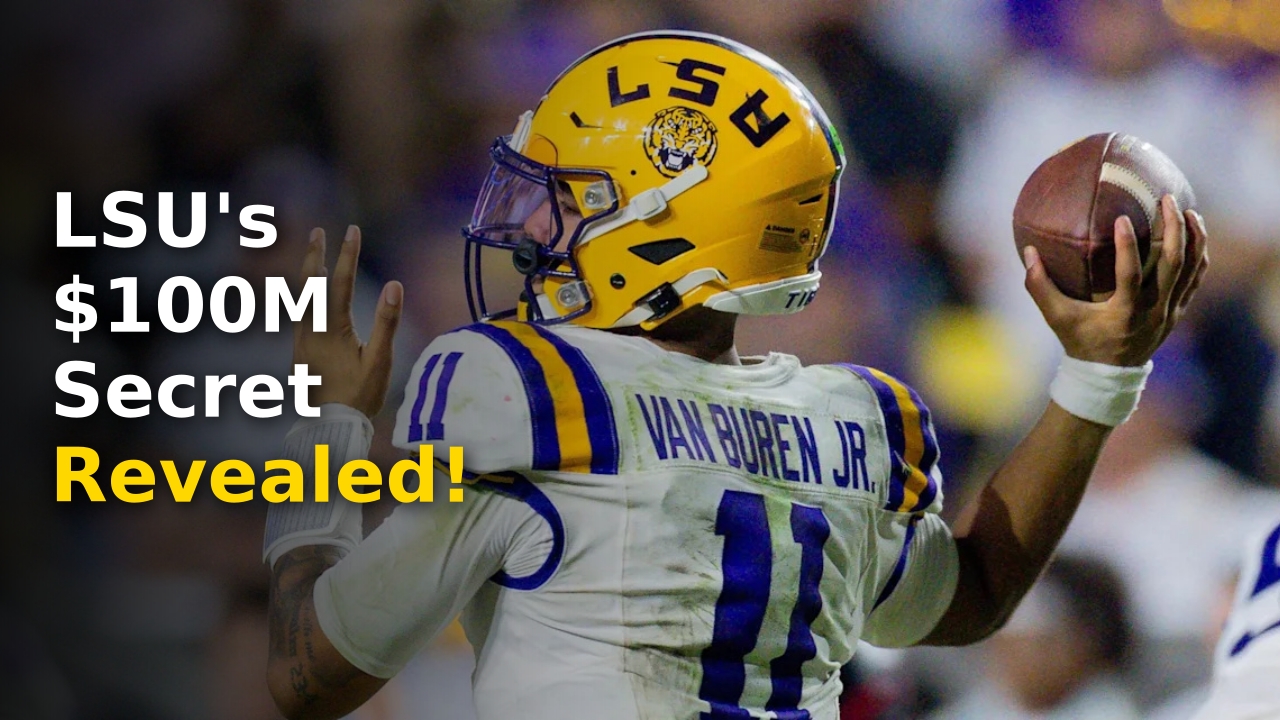
LSU Revenue is currently the focal point of a radical financial experiment that could fundamentally alter how college athletics operate in the United States forever.
You might be wondering why a storied institution like Louisiana State University is suddenly looking to sell pieces of its future to private investors. The answer lies in a high-stakes gamble to create a “perpetual revenue-generating model” that shields the university from the rising costs of the modern sports era. This isn’t just a minor budget adjustment; it is a full-scale corporate restructuring designed to keep the Tigers competitive on and off the field.
By exploring the creation of a private entity to house its media rights income, LSU is effectively treating its athletic department like a Silicon Valley tech firm. This move comes at a time when traditional donor models are failing to keep pace with the skyrocketing demands of NIL contracts and elite coaching salaries. You are witnessing the birth of a new era where the line between academic sports and private equity is thinner than ever before.
Radical LSU Revenue Strategy Unleashed
The core of this strategy involves shifting the massive LSU Revenue earned from SEC media rights into a separate, private company. Traditionally, these funds—which totaled a staggering $72.4 million in the 2024-25 fiscal year—flow directly into the athletic department’s coffers. By moving them into a private entity, the university hopes to use the capital for aggressive investments that yield much higher returns than a standard university account.
This novel approach is designed to alleviate the immense strain caused by the NIL era. Donors in Baton Rouge have been stretched to their limits, trying to fund both the recruitment of top-tier athletes and the massive contracts required to lure elite coaching talent. According to a report by Alyse Pfeil and Jon Blau, the university believes this private model is the only way to sustain long-term financial health.
Instead of relying on the whims of boosters, the university wants to create a self-sustaining pot of gold. This would allow them to pay out multi-million dollar contracts without constantly begging for alumni contributions. It is a bold move that acknowledges the reality of the SEC’s increasingly professionalized landscape.
However, the shift is not without its critics. Moving public-adjacent funds into a private company raises significant questions about transparency and accountability. You have to ask yourself if a university’s primary goal should be maximizing investment returns or educating student-athletes. The Tigers are betting that in the modern era, you cannot have one without the other.
The plan was reportedly shared with the school’s most influential athletics boosters last week. These individuals, who have long held the keys to the program’s success, are now seeing a future where their influence might be shared with outside investors. It is a tectonic shift in the power dynamics of college football history.
If successful, this could provide a blueprint for every other major program in the country. From Alabama to Texas, athletic directors are undoubtedly watching LSU with bated breath. The potential for a “perpetual” money machine is too enticing for most to ignore, even if the risks are substantial.

The SEC Media Rights Power
The SEC’s current media rights deal with ESPN is one of the most lucrative in the history of sports. These payouts are the lifeblood of the conference, ensuring that teams have the facilities and staff to compete at the highest level. By 2030, these figures are expected to skyrocket even further, making the current $72.4 million payout look like pocket change. This future growth is exactly what makes the LSU Revenue model so attractive to outside investors who want a piece of the action.
The Role Of Private Capital
Unlike Utah, which recently accepted direct private equity investment, LSU is taking a slightly different path. They are looking for strategic partners who can provide immediate liquidity in exchange for a stake in the revenue-generating entity. This allows the university to retain 80 percent control while still accessing the $100 million cash infusion they desperately need to balance the books after a wild year of coaching changes.
Private Stakes And Investor Power
The most shocking part of this proposal is the involvement of Acrisure CEO Greg Williams. Reports suggest that Williams is the primary candidate to purchase a nine percent stake in the new entity for a cool $100 million. In return, he would receive seven percent of any profits the business generates. This is a classic equity play that you would expect to see on Shark Tank, not in a college sports meeting.
The university isn’t stopping at nine percent, though. There are discussions about selling an additional 11 percent stake to other partners in the future. This would bring the total private ownership to 20 percent, leaving the athletic department with a firm 80 percent majority. This structure ensures that while investors have a seat at the table, the school still holds the steering wheel.
For an investor like Greg Williams, this is an opportunity to get in on the ground floor of a recession-proof industry. College football viewership remains at an all-time high, and the SEC is the undisputed king of the hill. The LSU Revenue stream is as close to a guaranteed return as one can find in the volatile world of sports business.
But what happens when an investor wants to maximize profits at the expense of the fan experience? If the private company needs to hit certain benchmarks, will ticket prices rise? Will game times be dictated solely by broadcast algorithms? These are the questions that keep traditionalists up at night. The introduction of profit-driven stakeholders changes the fundamental motivation of an athletic department.
It is important to note that LSU is explicitly avoiding direct private equity firm involvement for now. They seem to prefer the “high-net-worth individual” approach, which offers a bit more personal connection than a faceless investment group. Whether this distinction actually matters in the long run remains to be seen as the pressure to perform grows.
The university’s leadership believes this move is necessary to survive the NIL era. With athletes now essentially becoming employees with high price tags, the old model of “amateurism” is dead. You are seeing the final stages of the professionalization of the NCAA, and LSU is leading the charge with its LSU Revenue strategy.
Investor Profit Sharing Details
The deal is structured so that Greg Williams isn’t just buying a name; he’s buying a portion of the actual profits. This means if LSU finds ways to cut costs or increase media value, he wins big. It creates a direct incentive for the university to operate with corporate efficiency, which is a far cry from the historically bloated budgets of major athletic departments. This is why many analysts are calling this the most significant shift in college sports history.
Maintaining University Control
By keeping 80 percent of the entity, the university ensures it can still make the final call on major decisions. This is a crucial safeguard against a total corporate takeover. The goal is to benefit from private capital without losing the soul of the Tigers program. However, as any business major knows, once you sell 20 percent of your company, the minority voices often become the loudest in the room.
Massive Costs Behind The Move
To understand why this is happening now, you have to look at the jaw-dropping bills LSU has racked up this year. The athletic department made a series of aggressive—and expensive—moves that forced their hand. First, they decided to fire head football coach Brian Kelly despite him having $54 million remaining on his contract. That is a staggering amount of money to pay someone just to go away.
But they didn’t stop there. To replace him, they poached Lane Kiffin away from Ole Miss with a contract worth an additional $91 million. When you add those two figures together, you are looking at nearly $150 million in coaching-related costs in a single year. No donor base, no matter how loyal, can easily absorb that kind of blow without feeling the pinch.
These decisions forced the university to get creative. They couldn’t simply raise ticket prices or ask for more donations; they needed a massive, immediate influx of cash. The LSU Revenue plan provides exactly that. It’s a way to pay off the debts of the past while securing the talent of the future. You can see more about the high-stakes world of sports finance at Reuters Sports, which tracks these massive global deals.
The pressure to win in the SEC is so intense that schools are willing to risk their financial future for a shot at a national championship. LSU has always been a program that swings for the fences, and this is their biggest swing yet. Whether it’s a home run or a strikeout depends on how well they manage this new private entity.
It’s also worth considering the NIL implications. Top-tier quarterbacks and star wide receivers now command seven-figure deals. If LSU wants to stay at the top of the recruiting rankings, they need a war chest that never runs dry. This private company is designed to be that war chest, providing a steady stream of capital to keep the roster stocked with elite talent.
You are watching a program that is essentially “all-in.” There is no turning back once you start selling pieces of your media rights. This is a one-way street toward a more corporate, professionalized version of college sports. For fans of the Tigers, the hope is that this leads to more trophies in the case, regardless of where the money comes from.

The Brian Kelly Buyout
The $54 million buyout for Brian Kelly is one of the largest in the history of the sport. It serves as a cautionary tale about the dangers of long-term, fully guaranteed contracts in an industry where coaches are fired every three years. This massive liability is a primary driver behind the need for the new LSU Revenue model, as the school looks to liquidate future earnings to pay for present mistakes.
The Lane Kiffin Investment
Hiring Lane Kiffin for $91 million is a statement of intent. The university is betting that Kiffin’s offensive brilliance and social media savvy will translate into wins and increased brand value. By bringing him in, they are essentially saying that no price is too high for success. This “win at all costs” mentality is what makes the SEC the most competitive conference in the nation, even if it requires selling stakes to private investors.
Financial Landscape Data Analysis
The sheer scale of the money involved in this deal is difficult to wrap your head around. To help visualize the impact, let’s look at the current financial standing of the Tigers‘ media rights and the proposed investment structure. These figures represent the new reality of top-tier collegiate athletics in the NIL era.
| Category | Financial Figure | Notes |
|---|---|---|
| 2024-25 Media Revenue | $72.4 Million | SEC-wide payout from ESPN deal |
| Proposed Private Investment | $100 Million | From Acrisure CEO Greg Williams |
| Equity Stake Sold | 9% | Initial stake for Williams |
| Investor Profit Share | 7% | Of all future profits generated |
| University Control | 80% | Likely share retained by LSU |
| Total Coaching Buyouts/Contracts | $145 Million | Combined Kelly and Kiffin figures |
As you can see, the $100 million investment doesn’t even cover the full cost of the coaching turnover, but it provides a significant buffer. The LSU Revenue strategy is about more than just paying off debt; it’s about leveraging the $72.4 million annual payout to create a sustainable future. If they can grow that capital, they may never have to worry about a buyout again.
The jump in revenue expected in 2030 when the ESPN deal is renegotiated is the real prize. Investors are essentially buying a low-priced entry into a market that is guaranteed to appreciate. For LSU, it’s a way to pull that future money into the present day where they need it most.
This level of financial maneuvering is common in the world of tracking the rise of celebrity athletes and their massive net worths, but it’s brand new for a public university. You are seeing the merging of corporate finance and Saturday afternoon traditions in a way that would have been unthinkable just a decade ago.
Risks Of Commercializing College Sports
Is there a downside? Absolutely. The most immediate risk is the pressure to prioritize profits over the well-being of student-athletes and the traditions of the school. If a private investor is entitled to seven percent of the profits, they will naturally push for decisions that maximize those profits. This could lead to a soulless, corporate atmosphere that alienates the very fans who make the program valuable in the first place.
We have seen similar gambits fail before. FIFA President Gianni Infantino recently tried to privatize aspects of the World Cup, a move that met with fierce resistance from football confederations worldwide. Infantino is now facing a backlash that could cost him his job. While LSU hasn’t faced that level of criticism yet, the NCAA landscape is notoriously volatile.
There is also the risk of market fluctuations. If college football viewership were to dip, or if a new legal ruling changed how media rights are distributed, the LSU Revenue entity could find itself in hot water. Investors aren’t known for their patience when returns start to dwindle. The university could find itself making desperate moves to satisfy their private partners.
Furthermore, the Title IX implications are a massive question mark. If a private company is handling the revenue, does it still have the same obligations to fund non-revenue sports like track and field or swimming? The legal battles over this could last for years, potentially costing the university even more than the buyouts they are trying to pay off.
You also have to consider the “copycat” effect. If LSU succeeds, every other school will do the same. This could lead to a world where the SEC is just a collection of private companies competing for a trophy, with the university’s name acting as little more than a brand logo. It’s a cynical view, but one that many experts are starting to take seriously.
Despite these risks, the Tigers seem committed to the path. They believe the alternative—slowly falling behind richer programs and going bankrupt from coaching buyouts—is much worse. It is a classic case of “innovate or die” in the world of big-time sports. The LSU Revenue gamble is their way of choosing innovation.
The FIFA Comparison
The comparison to Gianni Infantino is haunting. The attempt to privatize the World Cup was seen as a bridge too far for many fans who view the tournament as a global heritage site. LSU is walking a similar tightrope. While fans want to win, they also want to feel like the program belongs to the community, not a boardroom in Acrisure. Balancing these two needs will be the biggest challenge for the administration.
Legal And Regulatory Hurdles
The NCAA has historically been slow to react to these types of changes, but they eventually catch up. If the governing body decides that this type of private ownership violates some core tenet of collegiate athletics, LSU could face sanctions. Additionally, state lawmakers in Louisiana may have something to say about public funds being funneled into a private investment vehicle. The LSU Revenue project is far from a done deal.
Future Of The LSU Revenue
As we look toward the 2025-26 season and beyond, the success or failure of this model will be the biggest story in college sports. If the Tigers can turn that $100 million into a billion-dollar endowment, they will be the most powerful program in the country. They will have the resources to hire any coach, land any recruit, and build any facility they desire.
The goal is a “perpetual revenue-generating model.” This means the school would no longer be reliant on the annual media payout alone. By investing that money wisely, they could create a permanent stream of income that grows year after year. It’s the ultimate financial safety net for a program that has spent decades living on the edge.
You can expect to see more private investors like Greg Williams entering the space. High-net-worth individuals are always looking for new places to park their capital, and the prestige of owning a piece of a SEC powerhouse is a massive draw. The LSU Revenue stream is just the beginning of what could be a multi-billion dollar secondary market for college sports equity.
The university has made it clear that they want to maintain control, but as the stakes get higher, that control will be tested. Will they be able to say no to an investor who wants to change the kickoff time for a better ad slot? Will they be able to protect the interests of the students when there are millions of dollars in profit on the line?
The Tigers are leading us into a brave new world. It is a world of private stakes, corporate entities, and $100 million checks. Whether this leads to a golden age of LSU athletics or a cautionary tale for the ages remains to be seen. One thing is for certain: LSU Revenue will never be looked at the same way again.
In the end, the fans just want to see the purple and gold on top. If selling a nine percent stake to a CEO is what it takes to get back to the National Championship, most fans in Baton Rouge will probably say it was worth it. The true cost of this deal won’t be known for years, but the impact is being felt right now.
More Like This
For more updates, check out our latest entertainment and sports news.