
Key Takeaways
| Lilly Wachowski reports difficulty securing film funding for new projects. |
| Proposed studio, Anarchists United Studios, draws inspiration from the 1919 United Artists model. |
| Critics cite a pattern of box office losses exceeding $300 million across multiple projects. |
| Public tensions rise over ideological clashes and J.K. Rowling boycott rhetoric. |
Lilly Wachowski career struggle 2026 has become a focal point in Hollywood as the director publicly clashes with studio heads over project funding. You might wonder why a legendary filmmaker behind an industry-defining classic like The Matrix finds herself unable to secure backing for her latest creative endeavors. The answer appears to be a complex intersection of past financial underperformance and a shifting cultural landscape that many industry insiders view as increasingly polarized.
Wachowski recently made headlines by launching Anarchists United Studios, a direct response to what she describes as systemic barriers facing trans and queer storytellers. While she points to prejudice as the primary culprit for her inability to raise $10 million for her newest script, the broader entertainment sector views her recent professional trajectory through a different lens. For many, this narrative isn’t about ideology; it’s about a decade-long string of high-budget projects that struggled to find a sustainable audience.
The Financial Reality Behind Lilly Wachowski Career Struggle 2026
When analyzing the Lilly Wachowski career struggle 2026, one cannot ignore the staggering deficits accumulated by her recent catalog. The transition from the massive success of the original 1999 Matrix trilogy to more experimental, high-budget endeavors has been fraught with economic volatility. Studios operate on razor-thin margins, and when production budgets balloon toward the $200 million mark, failure to meet expectations is felt acutely across the company balance sheet.
Consider the trajectory of films like Speed Racer and Jupiter Ascending. These projects were bold, visual spectacles that lacked the mass-market crossover appeal required to recoup massive investments. When you add marketing expenditures that often exceed $80 million per film, the break-even point becomes an insurmountable hurdle. Studio executives are naturally risk-averse, particularly when historical data points to potential losses in the hundreds of millions.
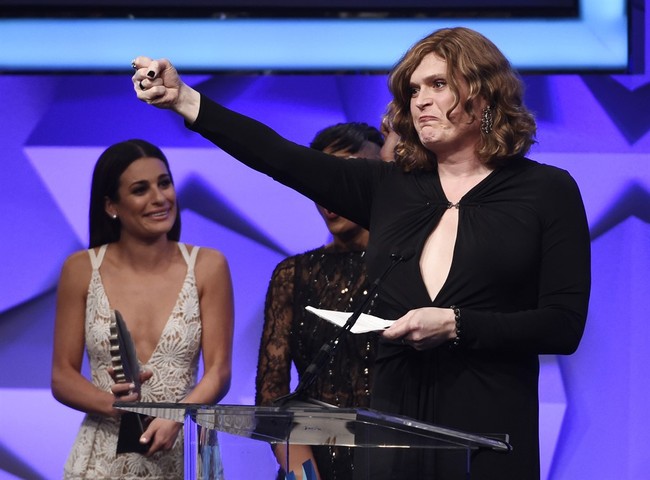
The industry sentiment is that, regardless of the artistic merit of the stories being pitched, the financial risk is simply too high. When a creator is labeled as someone who consistently delivers box office bombs, future funding becomes harder to find. It is a harsh reality of the business: past results are often viewed as the primary indicator of future potential for venture-backed creative work.
The Legacy of United Artists as a Modern Template
Wachowski draws inspiration from the historic formation of United Artists in 1919. She hopes to recreate the success of industry titans like Charlie Chaplin and Mary Pickford by creating an artist-run studio. However, skeptics argue that the market dynamics of 2026 are fundamentally different from the early 20th century. The sheer overhead required to compete in the current streaming and theatrical environment makes the independent studio model a difficult path for any director, regardless of their past accolades.
Project Financial Performance Overview
| Film Title | Budget (Approx) | Global Box Office |
|---|---|---|
| Speed Racer (2008) | $120 Million | $93 Million |
| Cloud Atlas (2012) | $100 Million | $130 Million |
| Jupiter Ascending (2015) | $200 Million | $184 Million |
Background and Industry Perspectives
Beyond the spreadsheets, the Lilly Wachowski career struggle 2026 narrative is inseparable from the culture wars currently defining American discourse. Wachowski has been vocal about what she perceives as a coordinated, billionaire-funded propaganda campaign against trans rights. She suggests that these external influences have shifted public opinion, making it difficult for studios to support content that challenges the status quo.
However, many observers argue that the issue is not purely ideological. The reality of modern media consumption is that audiences are increasingly polarized. A creator who engages in aggressive public rhetoric against high-profile figures or existing intellectual properties runs the risk of alienating large swathes of the consumer base. In an era where a single tweet can lead to a sustained boycott, studios are wary of aligning with projects that may incite significant public backlash.

Whether one agrees with her perspective or finds her critiques of platforms like X (formerly Twitter) inflammatory, the bottom line for Hollywood remains constant. Success is measured by ticket sales, subscription sign-ups, and merchandise movement. When a director becomes a lightning rod for controversy, the project’s brand value often takes a backseat to the potential for negative media coverage, which can further dampen interest from investors who prefer stability.
People Also Ask
What happened with Lilly Wachowski’s latest film funding?
Wachowski reports that she has been unable to secure the $10 million in financing required for her new film, which she describes as a cathartic response to the current climate for trans individuals.
Why is Lilly Wachowski trending right now?
She is trending due to her recent interviews where she criticized Hollywood for failing to fund her projects, announced her own studio, and leveled harsh accusations against critics and public figures.
How does her past box office performance impact funding?
Her recent filmography, including projects like Jupiter Ascending and Speed Racer, faced significant financial losses, which industry analysts suggest makes studios hesitant to greenlight her future, high-budget pitches.
What is Anarchists United Studios?
It is a proposed production venture by Wachowski and her partners intended to function as an artist-run studio, aiming to provide a platform for marginalized voices in the film industry.
Final Thoughts
The Lilly Wachowski career struggle 2026 serves as a microcosm for the tensions currently gripping the entertainment industry. While the director continues to push for systemic change, the economic realities of film financing present a hurdle that even the most celebrated creators must navigate. As the industry moves forward, it remains to be seen if her new studio model can overcome the fiscal caution currently prevalent among major production houses. For more updates on industry dynamics, you can visit Bright Celebrity for exclusive insights.
More Like This
For more updates, check out our latest entertainment and sports news.