⚡ Key Takeaways
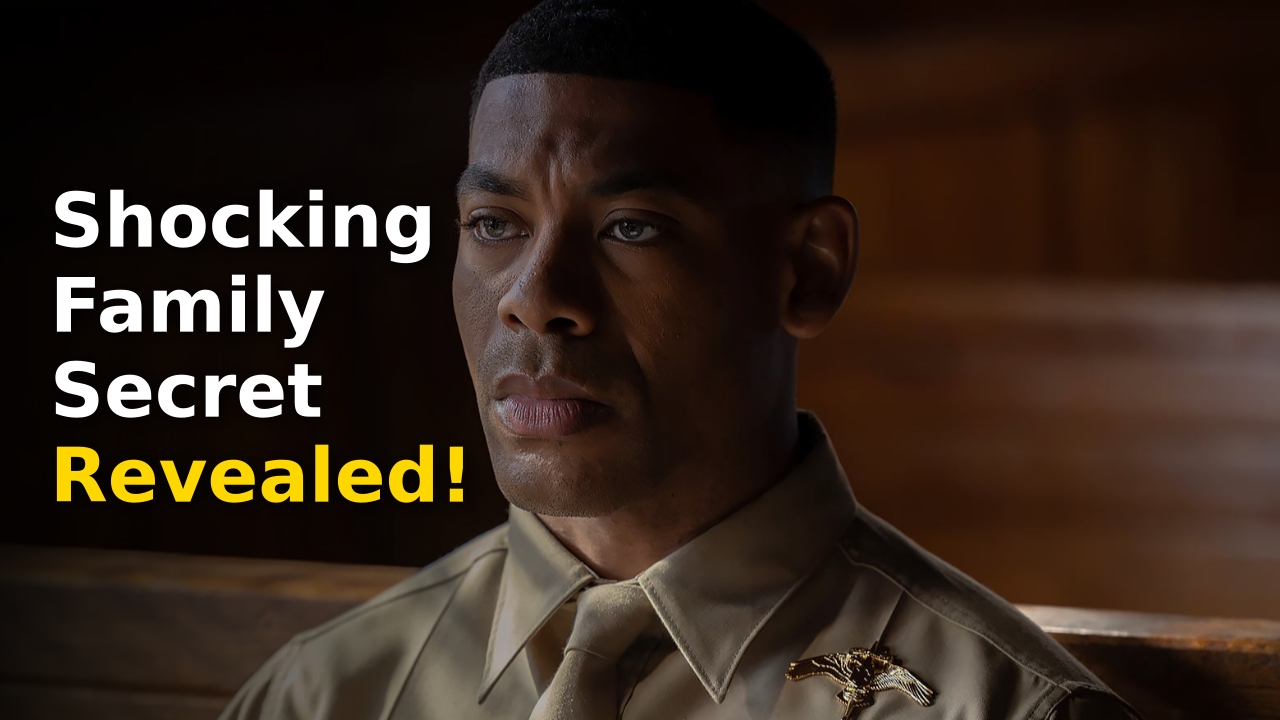
- Shocking Family Legacy: Episode 3 reveals that John Stewart’s father, John Sr., was originally selected by the Guardians to be the Green Lantern before Hal Jordan but was rejected for admitting fear.
- Extreme Childhood Conditioning: John’s parents subjected him to brutal survival training, including shooting apples off his head, to systematically erase his fear and emotions.
- The Fallacy of Black Excellence: The episode delivers a searing critique of the societal pressure on Black individuals to be flawless, highlighting how institutions discard even the most exceptional candidates.
- Lindelof’s Signature Touch: Co-creator Damon Lindelof continues his tradition of blending cosmic superhero lore with grounded, raw political and racial realities.
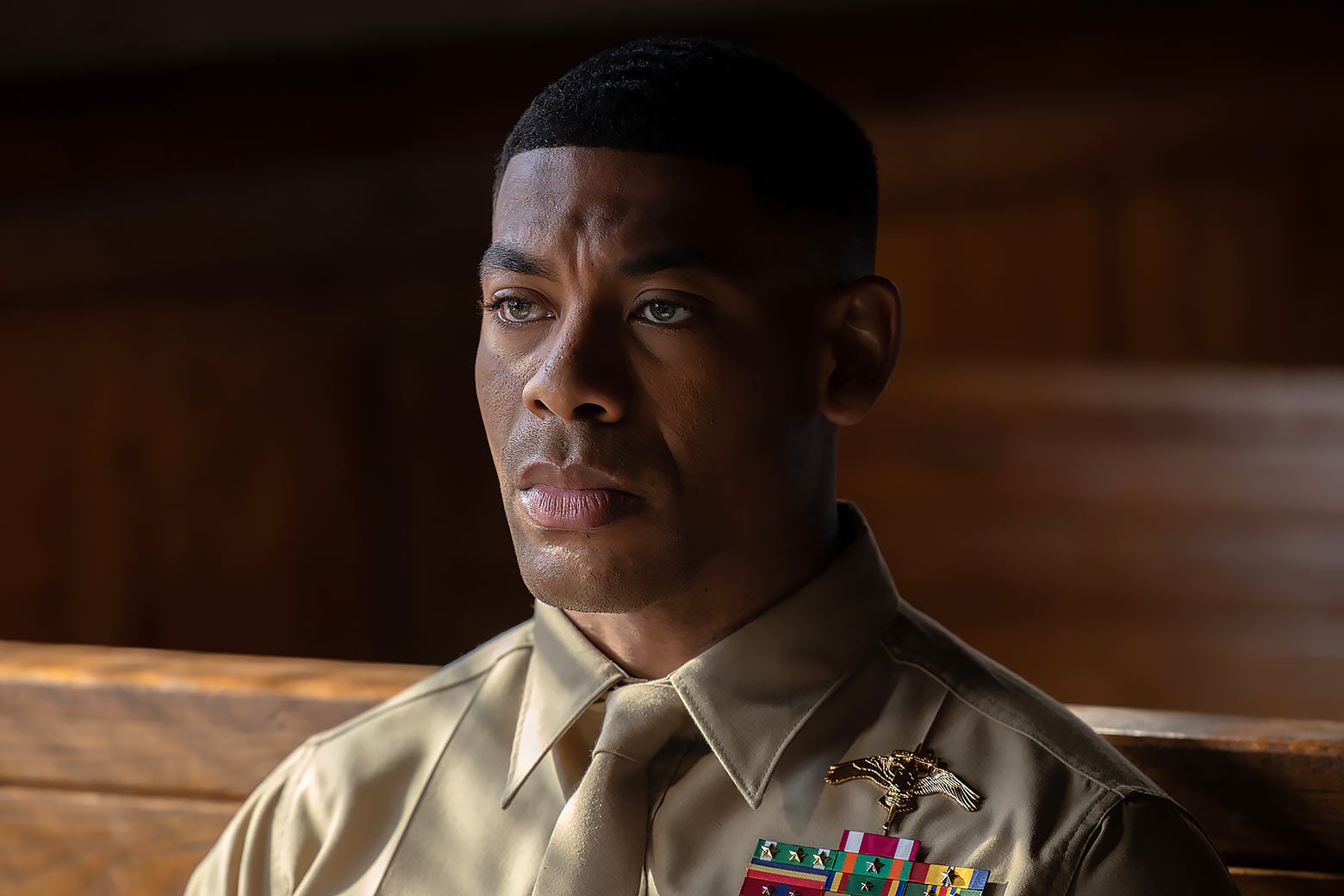
You probably thought you knew what to expect from a comic book television show, but the spectacular **Lanterns Origin** revealed in HBO’s latest hit series completely redefines the entire genre. In the gripping third episode of *Lanterns*, titled “OutKast” and penned by the brilliant writer Vanessa Baden Kelly, the series strips away the typical cosmic fanfare to deliver a crushing, grounded character study of John Stewart, portrayed with breathtaking nuance by rising star Aaron Pierre. For decades, comic book enthusiasts have known John Stewart as one of the most resilient, unflappable figures in the DC Universe, yet his live-action backstory has never felt this raw, complex, or deeply human.
By exploring this unique **Lanterns Origin**, the creative team has crafted a masterpiece that balances the cosmic scope of space-faring guardians with the jagged, painful realities of systemic racial pressure in America. You will find yourself questioning the very nature of heroism as the episode peels back the psychological layers of a family driven to extreme lengths by an indifferent universe. This is storytelling at its absolute peak, proving that comic book adaptations can tackle profound social issues without losing their sense of wonder. Through brilliant performances and sharp writing, this episode cements *Lanterns* as a must-watch television event that demands your full attention.
The Dark Blueprint Behind This Lanterns Origin
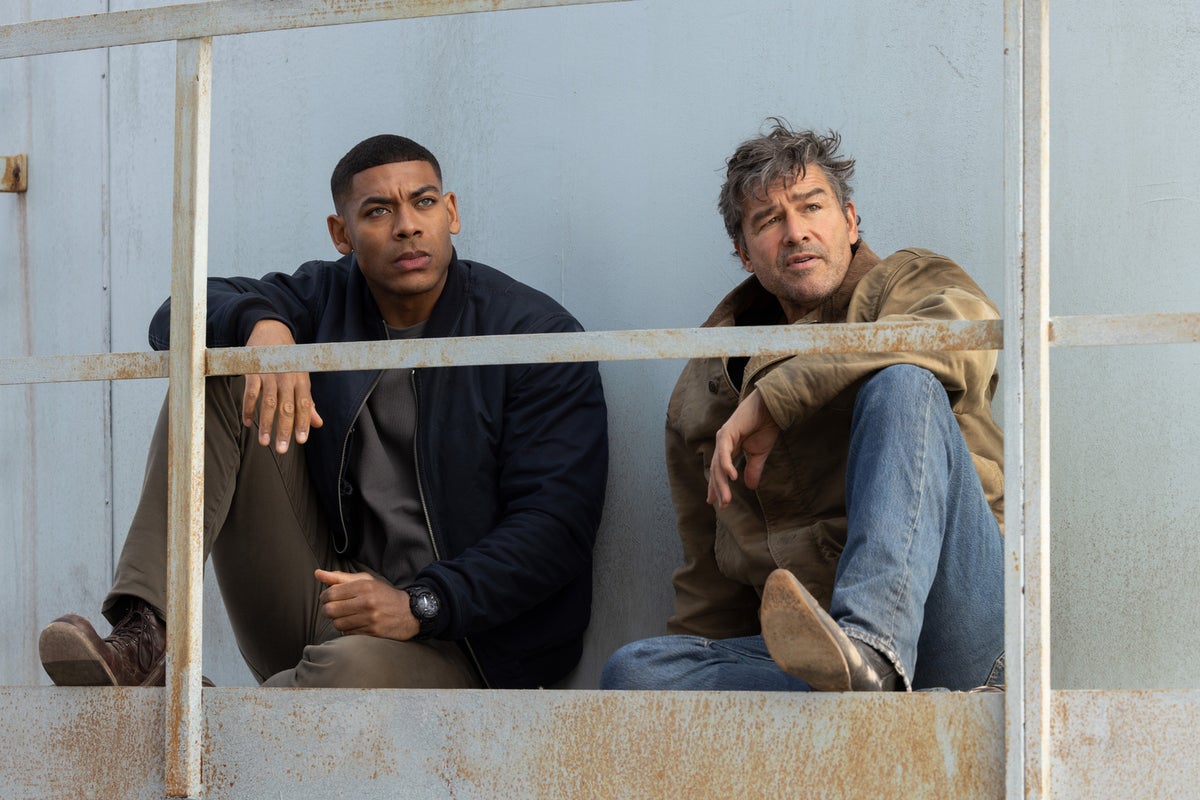
To truly comprehend this specific **Lanterns Origin**, we must look back at the generational scars that forged John Stewart into the cold, calculated marine-turned-hero we see today. In the shocking third episode, we discover that the intergalactic Guardians of the Universe did not first seek out Hal Jordan, played with a jaded, weary edge by Kyle Chandler, but instead selected John’s father, John Stewart Sr. (portrayed with devastating vulnerability by J. Alphonse Nicholson). Captured in a glowing green construct and asked the ultimate cosmic test—”Are you afraid?”—John Sr. gave a raw, honest answer that sealed his fate: yes, he was terrified. This new **Lanterns Origin** shatters the traditional conventions of superhero storytelling by examining the immediate fallout of this honesty.
This singular moment of human vulnerability led to his immediate rejection by the cosmic entity, setting off a horrific domestic downward spiral as nobody in his community believed his claims of alien abduction. It is only when an unnamed Guardian, portrayed by the legendary Laura Linney, visits his wife, Bernadette (played by the incredible Jasmine Cephas Jones), to offer a cold, bureaucratic apology for “emotional turmoil,” that the reality of the situation settles in. Bernadette’s reaction is not one of relief, but of deep, burning resentment at the cosmic double standard. She boldly grills the Guardian, asking: “Do you understand how unfair it is to ask a Black man in America if he’s afraid?”
During the unfolding of this **Lanterns Origin**, we learn how this cosmic rejection transformed Bernadette and John Sr. into ruthless architects of their youngest son’s destiny. The Guardian hints that their child could eventually replace Jordan, prompting the couple to embark on a chilling mission to prepare young John (played with remarkable quietness by child actor Cairo Cash Lee) for a life devoid of fear. This preparation did not involve peaceful meditation or academic excellence; instead, it was a brutal, systematic dismantling of his childhood. John was forced to sleep in isolation, walk home alone through dangerous, unfamiliar neighborhoods as a young teen, and abandon his love for drawing and his emotional bonds with his brothers.
The emotional weight of this **Lanterns Origin** hinges on the brutal truth of his domestic training, which played out like a psychological thriller. His parents trained him to be a master sniper, but also a literal target, forcing him to stand perfectly still as his father shot apples off his head, and requiring the young boy to do the same to his parents. This extreme domestic conditioning aimed to build an inhumanly perfect candidate who could never be penalized for showing natural human vulnerability. Within the context of this **Lanterns Origin**, the Guardians are not benevolent protectors, but cold, demanding bosses who require absolute perfection while offering nothing but empty promises and mediocre leadership in return.
This specific **Lanterns Origin** relies on the tragic realization that John’s parents sacrificed their son’s humanity for a dream that ultimately proved to be a hollow sham. John excelled as a Marine, only to be dishonorably discharged for a mistake everyone knew he did not commit—a systemic failure caused by the mediocrity of Hal Jordan himself. Now, as a Green Lantern in training, John is forced to answer to a distant, indifferent cosmic council that views him merely as an asset, proving that no matter how hard his parents pushed him to defy stereotypes, the institutional machinery remained completely unchanged.
Analyzing the On-Screen Talent and Cast Dynamics
The narrative brilliance of *Lanterns* is brought to life by an exceptional ensemble cast that breathes immense depth into this complex family tragedy. To help visualize the intricate web of relationships and the stellar actors portraying them, we have compiled a detailed breakdown of the main cast members featured in this pivotal third episode.
| Actor | Character | Narrative Role & Impact | Key Thematic Focus |
|---|---|---|---|
| Aaron Pierre | John Stewart | The stoic, deeply conditioned Green Lantern in training. | Suppressed trauma and the weight of generational expectations. |
| J. Alphonse Nicholson | John Stewart Sr. | John’s father, who was rejected by the Guardians for admitting fear. | The psychological toll of institutional rejection and trauma. |
| Jasmine Cephas Jones | Bernadette Stewart | John’s fierce mother, who orchestrated his grueling physical conditioning. | Fierce maternal protection warped by systemic exasperation. |
| Laura Linney | The Guardian (Unnamed) | The cold, detached cosmic entity who apologizes for the trauma. | Bureaucratic indifference and cultural disconnect. |
| Kyle Chandler | Hal Jordan | The aging, cynical veteran Green Lantern of Earth. | The privilege of mediocrity and institutional complacency. |
Analyzing the **Lanterns Origin** reveals a deep structural contrast between John’s rigorous preparation and Hal’s chaotic mediocrity. While John was raised as a biological machine, conditioned to survive the harshest environments and ignore his basic emotional needs, Hal Jordan gets to fail upward, make critical mistakes, and still maintain his status as a legendary protector. This unique **Lanterns Origin** forces us to question the dynamic between the two leads and the fairness of their respective journeys. This stark dichotomy highlights a painful truth about professional environments: some are allowed to be humanly imperfect, while others must be flawless just to gain entry.
The onscreen chemistry between Aaron Pierre and Kyle Chandler thrives on this tension, as Pierre’s character must constantly swallow his pride while being instructed by a mentor who embodies the very mediocrity that disrupted his military career. This thematic clash elevates the series from a standard science fiction adventure into a biting social commentary. The performances, particularly from Nicholson and Cephas Jones, ensure that the parents are not cartoonish villains, but tragic figures trying to survive in a world that refuses to give them an even playing field. Every frame of their performance hums with a desperate, quiet dignity.
The Fallacy of Black Excellence in Superhero Lore
When we evaluate the **Lanterns Origin** through the lens of modern culture, the narrative emerges as a brilliant, searing deconstruction of “Black excellence.” This term, often used to celebrate the outstanding achievements of Black pioneers who break through systemic barriers, is revealed in the show to be a crushing, unsustainable burden. Delving into this **Lanterns Origin** means confronting uncomfortable truths about our own expectations of minority leaders, who are rarely granted the luxury of mediocrity or failure. The episode argues that while achieving high accolades is worthy of celebration, the requirement that a marginalized person must be flawless just to be considered equal is a form of structural violence.
By forcing John to abandon his emotional vulnerability and his artistic passions, his parents sought to turn him into a perfect product that the white-dominated or cosmic-dominated institutions could not ignore. The creators behind this **Lanterns Origin** ensured that Bernadette’s heartbreaks are balanced with a clear-eyed look at her survival instincts, rendering her actions profoundly sympathetic even when they border on child abuse. Yet, as the story illustrates, this pursuit is ultimately a tragic fallacy, as John is still subjected to the same institutional apathy, proving that the game itself remains fundamentally rigged against him.
Expert Take: The Socio-Political Legacy of John Stewart
According to cultural historians specializing in comic book media, the character of John Stewart has always carried a unique political weight since his introduction in 1971 by legendary creators Dennis O’Neil and Neal Adams. Historically, comic book media analysts note that this **Lanterns Origin** reflects the character’s original purpose of bringing grounded, working-class representation to a medium dominated by privileged, establishment-friendly heroes. By grounding his modern television origin in the grueling realities of generational trauma and systemic survival, *Lanterns* honors this legacy while updating it for contemporary audiences who are increasingly critical of institutional authority and the myth of meritocracy. This narrative shift moves the character away from being a mere diversity milestone and instead positions him as a complex vehicle for analyzing the psychological scars left by the pursuit of perfection in a hostile society.
The brilliance of Vanessa Baden Kelly’s script lies in its empathy for the parents, who are fully aware of the horrific sacrifices they are demanding of their young son. They knew their child would grow up to resent them, but they made the calculated decision that his survival and status were far more important than his immediate happiness. Bernadette’s heartbreaking declaration—”We can’t raise three boys and believe that no matter how good they are, they get looked over”—resonates deeply with the real-world experiences of minority parents who feel compelled to prepare their children for a world that judges them by a different, much harsher set of standards.
Damon Lindelof and the Legacy of Political Superhero TV
The narrative depth of this **Lanterns Origin** is unmatched in modern superhero television, but it should come as no surprise to those familiar with the creative mastermind behind the series. Co-creator Damon Lindelof, celebrated for his work on *Lost* and *The Leftovers*, previously shocked the television landscape with his groundbreaking 2019 adaptation of Watchmen on Wikipedia. That series masterfully wove the real-world horrors of the 1921 Tulsa Race Massacre into a complex narrative about vigilantes, legacy, and systemic corruption. With *Lanterns*, Lindelof and his writing team apply that same sharp, critical lens to the cosmic mythology of the Green Lantern Corps, transforming a sci-fi concept into a grounded, prestige television masterpiece.
Audiences were stunned by how this **Lanterns Origin** seamlessly integrates complex political realities with cosmic sci-fi lore, signaling a bold new direction for the DC Universe under the leadership of James Gunn and Peter Safran. For fans of DC Comics, this **Lanterns Origin** provides a much-needed injection of prestige-level writing, proving that superhero adaptations can stand alongside the finest dramas on television. The show handles sensitive topics with an artistic touch, avoiding preachy exposition in favor of lived-in, painful character interactions that feel entirely earned.
By The Numbers: The Prestige Television Shift
A closer look at the data surrounding Lindelof’s television career reveals a clear pattern of critical and commercial success when tackling complex, politically charged narratives. His 2019 series Watchmen secured a staggering 26 Emmy nominations and walked away with 11 wins, proving that audiences and critics alike are hungry for superhero media that refuses to shy away from difficult social realities. According to production insiders, HBO has invested heavily in Lanterns, aiming to capture that same demographic of viewers who demand high-concept storytelling combined with deep emotional intelligence, a formula that has consistently generated high dwell times and critical acclaim for the network’s Sunday night lineup.
For more exclusive insights into the casting choices, production updates, and net worth details of your favorite television actors, be sure to check out the comprehensive BrightCelebrity entertainment database, which features detailed profiles on the stars of today’s biggest hits. This platform provides fans with an unparalleled look behind the curtain of Hollywood’s most prestigious productions, offering deep-dive articles that connect the dots between on-screen performances and off-screen success. Understanding the business of television helps contextualize why networks are now willing to take such massive creative risks on beloved comic properties.
Every element of the **Lanterns Origin** in episode 3 is designed to make you uncomfortable, forcing you to confront the reality that behind every legendary hero lies a trail of personal sacrifice, trauma, and societal failure. By stripping away the heroic music and flashy special effects during John’s childhood training sequences, the series highlights the physical and emotional cost of his ascension, making his eventual acceptance of the Green Lantern ring feel less like a triumph and more like a complicated, heavy burden. This subversion of the standard hero’s journey is exactly what makes the series so refreshingly honest and culturally relevant.
Frequently Asked Questions
How does the HBO Lanterns show change the character’s **Lanterns Origin**?
The HBO series introduces a major change to the traditional **Lanterns Origin** by revealing that John Stewart’s father, John Sr., was originally selected by the Guardians of the Universe to be a Green Lantern before Hal Jordan, but was rejected for admitting he felt fear. This cosmic rejection drove John’s parents to brutally condition young John to suppress all fear and emotion, turning his origin into a story of generational trauma rather than a simple military recruitment.
Who plays the young John Stewart in Lanterns Season 1 Episode 3?
The young version of John Stewart, who undergoes the grueling physical and psychological training orchestrated by his parents, is portrayed with incredible emotional restraint by talented child actor Cairo Cash Lee.
What is the thematic significance of the episode title “OutKast”?
The title “OutKast” serves multiple thematic purposes, referencing both the feeling of being alienated and excluded from traditional structures of power, and paying homage to the legendary Southern hip-hop duo Outkast, who frequently explored themes of identity, alienation, and the distinct complexities of the Black American experience.
How does Damon Lindelof’s influence affect the Green Lantern series?
Co-creator Damon Lindelof brings his signature style of blending high-concept genre elements with deep, grounded socio-political themes, similar to his work on Watchmen. His influence ensures that the series focuses heavily on systemic institutional critiques, generational trauma, and character-driven drama rather than standard superhero action.
The Lasting Legacy of This Lanterns Origin
Ultimately, this **Lanterns Origin** serves as a cautionary tale about the immense cost of trying to survive within systems that were never designed to accommodate your humanity. As the season progresses, the psychological scars of John’s upbringing are bound to clash with the erratic, unpolished nature of his partnership with Hal Jordan, setting the stage for one of the most emotionally complex dynamics in modern television. By addressing these heavy themes with empathy, nuance, and uncompromising honesty, this **Lanterns Origin** has elevated the series from a standard comic book adaptation into a vital piece of contemporary cultural commentary.
As you continue to watch this groundbreaking series unfold on HBO, the image of a young boy standing still under the threat of his father’s gun will linger far longer than any cosmic battle in the stars. Unlearning the harsh, inhuman expectations that the world places on us is a lifelong journey, and through the tragic journey of John Stewart, we are all invited to take that first, difficult step toward reclaiming our own vulnerable humanity. It is a stunning achievement in modern television, and one that will undoubtedly be discussed for years to come.
More Like This
For more updates, check out our latest entertainment and sports news.