Key Takeaways
| Guy Gardner shifts from a profit-driven opportunist to a hero seeking redemption after the events of Superman. |
| Lanterns clarifies the timeline of the DCU, confirming Green Lanterns have operated on Earth since 1986. |
| The moral influence of Superman is actively reshaping the behavioral patterns of the Justice Gang and other meta-humans. |
| Lex Luthor’s character trajectory in the upcoming Man of Tomorrow is being set up by his forced cooperation and evolving societal role. |
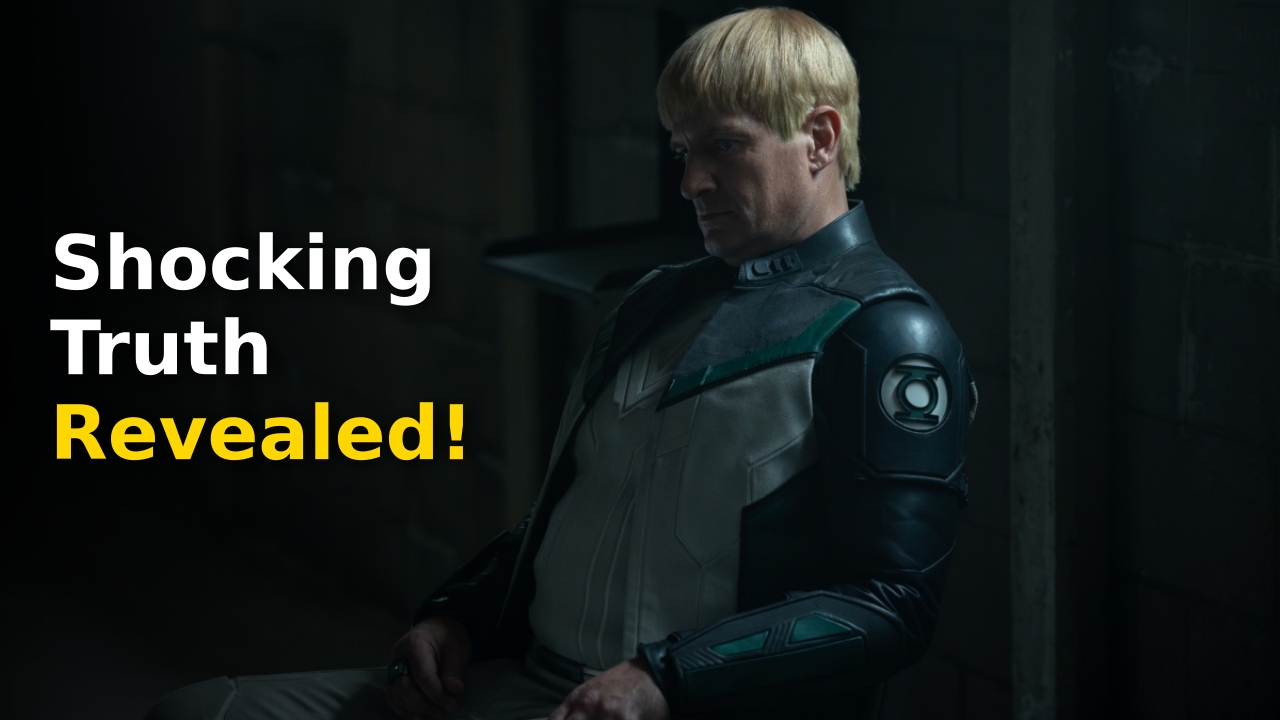
Lanterns fills in the gaps of the DCU after Superman, offering a critical look at how the world’s most powerful hero has fundamentally altered the moral landscape for the Justice Gang. You might have seen Guy Gardner as a self-serving brand-manager in earlier entries, but the latest episodes indicate a profound, albeit reluctant, shift in his character as he navigates a post-Superman reality.
This series, helmed by the creative vision of James Gunn and Peter Safran, doesn’t just expand the lore—it bridges the narrative chasm between the debut of the Man of Steel and the internal evolution of the superhero collective. By exploring the fallout in Rushville, Nebraska, the show proves that the DCU is far more interconnected than a simple collection of standalone blockbusters.
Understanding Why Lanterns Fills in the Gaps of the DCU
When you examine the current state of the DCU, it is clear that Lanterns fills in the gaps of the DCU after Superman by grounding high-stakes cosmic power in human responsibility. Before the Man of Steel took to the skies, the superhero community was defined by opportunism and professional branding rather than altruism. The transition from a world dominated by the likes of the ego-driven Guy Gardner to one influenced by the selfless example of Kal-El is the central heartbeat of this series.
The show effectively contextualizes historical milestones that were previously only hinted at in murals or fleeting dialogue. We now know that the Green Lantern presence on Earth traces back to 1986, establishing Hal Jordan as a long-standing veteran before Superman even landed in Metropolis. This historical anchoring provides a sense of depth that makes the current narrative stakes feel significantly more tangible to the audience.

The narrative isn’t just about retroactively filling timelines; it’s about shifting the tone. Where the Justice Gang once prioritized economic gain, they are now forced to confront the public’s waning patience for their antics. The disaster in Rushville acts as a catalyst, putting characters like Gardner into the uncomfortable position of having to address the human cost of their power.
Defining the New Heroic Standard
The moral evolution of the DCU is most evident in the way secondary characters process grief and duty. While the characters still struggle with their inherent flaws, the pressure to act for the greater good—rather than personal profit—is now a recurring thematic anchor.
- Public perception is shifting: Citizens no longer accept the Justice Gang’s previous apathy.
- Legacy matters: The funeral of Hal Jordan forces Guy Gardner to confront his own lack of direction.
- Superman’s influence: The ripple effect of one truly “good” hero is forcing even the villains to rethink their strategies.
Comparative Data: The Changing DCU Landscape
The structural changes within the DCU are best understood by analyzing the shifts in character behavior and institutional presence. The table below illustrates the contrast between the pre-Superman era and the current status quo as depicted in the new streaming cycle.
| Era Feature | Pre-Superman Status | Post-Superman Status |
|---|---|---|
| Hero Motivation | Economic & Brand Gain | Altruistic Responsibility |
| Justice Gang Ethos | Apathy toward civilians | Growing social obligation |
| GL Presence | 1986 established veteran | Guardians losing control |
| Lex Luthor Role | Purely antagonistic | Forced global cooperation |
Background and Expert Perspectives
To truly grasp why this shift is so significant, we must look at the historical context of the DCU expansion. James Gunn has explicitly stated that the upcoming Man of Tomorrow film will force an unlikely alliance between Superman and Lex Luthor. This, according to IMDb’s production overview for the DCU, is the natural progression of the world-building seen in current projects like Lanterns and Creature Commandos.
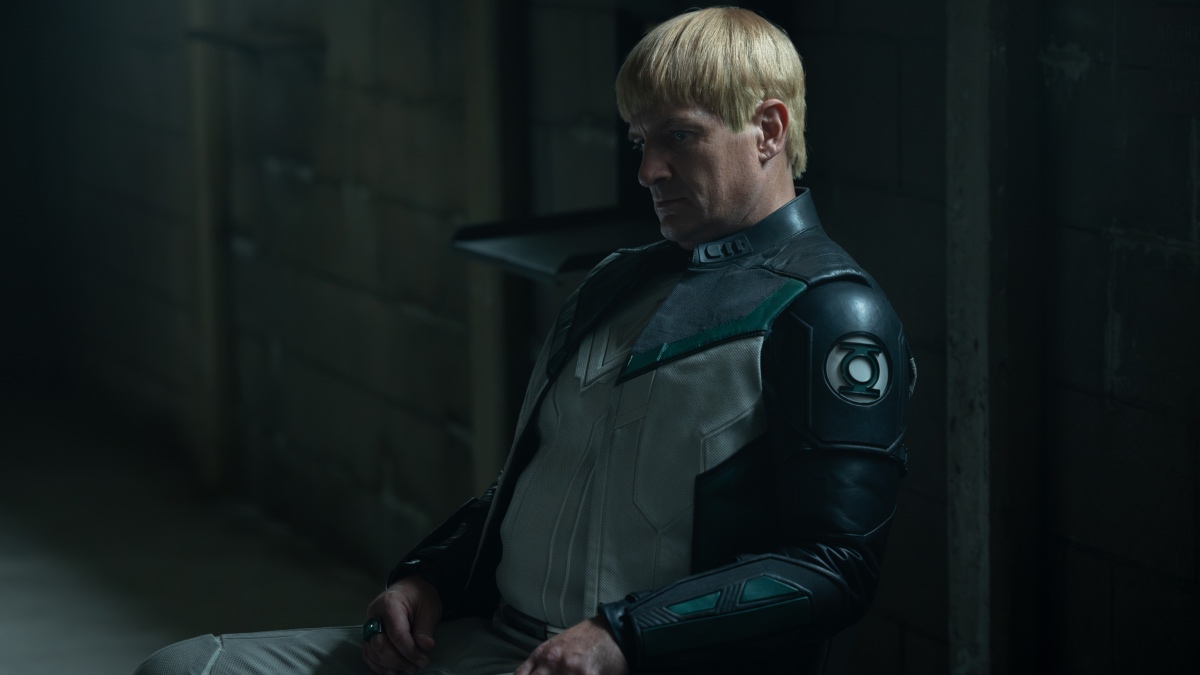
By forcing characters into extreme circumstances, the writers are stripping away the veneer of the “brand-friendly” superhero. When Guy Gardner attends the funeral of his predecessor, he isn’t doing so out of a newfound sense of kindness, but out of a begrudging respect that has been forced upon him by the changing tides. This is an expert-level narrative technique known as “circumstantial growth,” where the environment dictates the character arc more than internal desire.
Furthermore, the inclusion of ARGUS and the threat of the prison planet Salvation provides a looming threat that demands more than just punching villains. The logistical reality of the DCU is becoming more complex, requiring a more nuanced understanding of authority, power, and the ethical use of force. This maturation is essential for long-term audience retention and franchise stability in the modern era.
People Also Ask
What does Lanterns reveal about the DCU timeline?
The series confirms that Green Lanterns have been operating on Earth since 1986, placing Hal Jordan as a veteran figure well before Superman arrived in Metropolis.
How has Superman changed Guy Gardner?
Superman’s existence has forced Gardner to move beyond mere economic opportunism and brand management toward a more responsible, albeit reluctant, role as a hero.
Will Lex Luthor be a hero in Man of Tomorrow?
While not a traditional hero, Lex is being forced to use his genius for the greater good, setting up a complex, reluctant partnership with Superman to deal with threats like Brainiac.
Why is the Justice Gang acting differently?
Public sentiment and the high-profile disaster in Rushville have damaged the Justice Gang’s brand, forcing them to prioritize actual civilian aid over profit to maintain their status.
Final Thoughts
Ultimately, Lanterns fills in the gaps of the DCU after Superman by proving that the hero’s greatest power isn’t strength, but his ability to inspire change in others. Whether it’s the redemption of a bowl-cut-sporting Green Lantern or the forced reform of a villainous genius, the narrative threads are pulling together into a tighter, more coherent tapestry. For fans looking to track the latest updates in the DC Universe, this series is the definitive roadmap for what comes next.
As we head into the future of this shared universe, the focus will undoubtedly remain on these internal transformations. The DCU is moving away from the era of superficial heroics, trading flashy cameos for genuine, gritty character development that resonates with modern sensibilities. Keep your eyes on Sunday nights, as every episode is shedding more light on a universe that is finally growing up.
More Like This
For more updates, check out our latest entertainment and sports news.