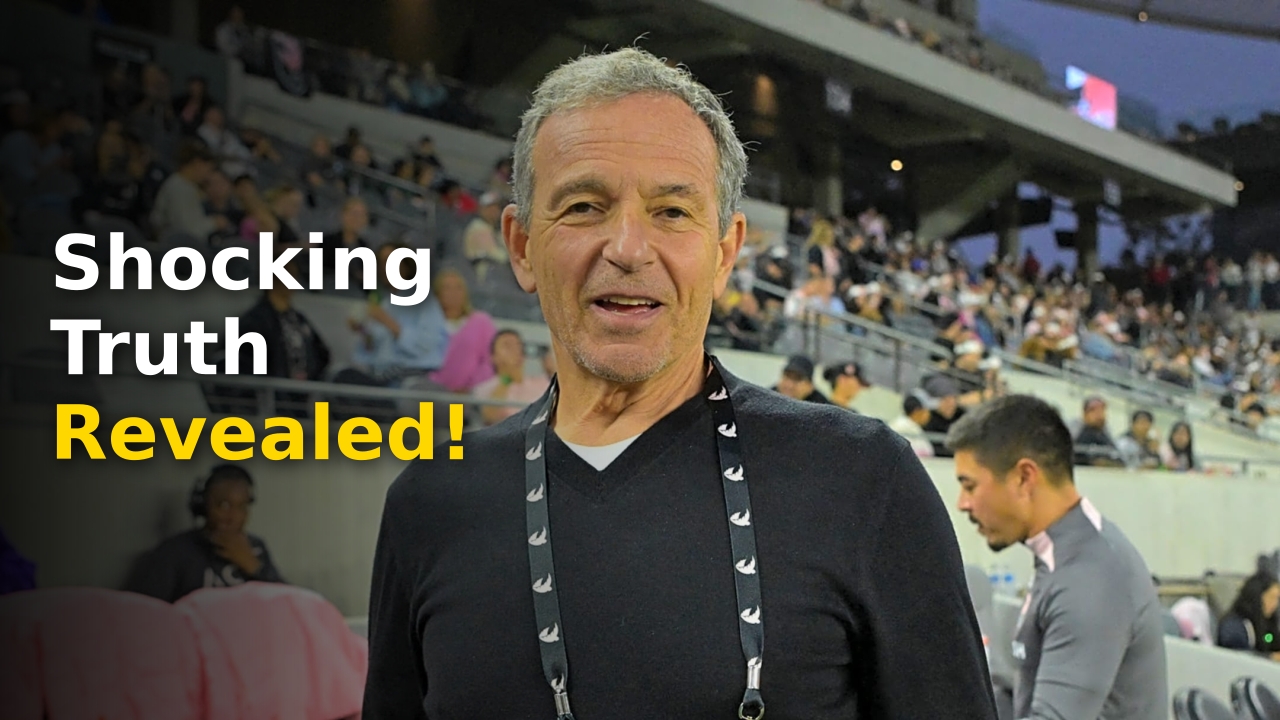
Lakers sale negotiations have sent shockwaves through the sports world, as the historic franchise prepares for a massive transition under new ownership. You are likely wondering how a team can command a staggering $12.5 billion price tag just a year after a previous change in leadership, but the answer lies in a complex web of venture capital, potential fraud investigations, and high-stakes media maneuvers.
As you watch this unfolding saga, it becomes clear that this is more than just a simple transaction of professional basketball assets. With Joshua Kushner and Bob Iger stepping onto the court, the very foundation of the Los Angeles Lakers is being reimagined for the modern, tech-driven era.
Understanding The Lakers Sale Context
When you consider the sheer scale of this deal, you have to look back at the tenure of Mark Walter. Having purchased the team for $10 billion only 14 months ago, his sudden exit raises eyebrows across the investment landscape. Analysts are pointing to the federal investigation regarding $16 billion in potentially fraudulent loans as the primary catalyst for his swift departure. You can see the urgency in how quickly this deal moved to fruition.
The role of Thrive Capital cannot be overstated in this narrative. By infusing traditional service businesses with advanced Artificial Intelligence, the firm has positioned itself at the cutting edge of modern finance. Joshua Kushner has effectively turned the Lakers sale into a flagship project for his Thrive Eternal venture, which is specifically tasked with the restoration of iconic global brands. This isn’t just sports; it is a calculated media play.
For fans, the question of whether the Buss family will retain their influence remains the most sensitive point of discussion. Jeanie Buss, who has been the steward of her father’s legacy since 1979, previously stated that she wasn’t going anywhere. However, as the ownership structure undergoes a complete overhaul, history may be approaching a definitive turning point. You can find more exclusive celebrity business news here regarding the shifting power dynamics in Southern California.
The Lakers are not just a team; they are a cultural institution. When you have a figure like Bob Iger—the man who transformed the Walt Disney Company into a global juggernaut—entering the fold, you can expect an aggressive expansion of the team’s media reach. The synergy between sports, technology, and entertainment has never been more evident.
Why did this deal happen now? The pressure of the federal investigation into Walter’s TWG Global created a volatile environment. In the world of high-finance, stability is the only currency that matters, and a looming scandal is a liability that no owner can afford to carry. The $2.5 billion profit realized in such a short window is a testament to the insatiable demand for top-tier sports assets.
The intersection of these power players creates a unique moment in history.  Whether this leads to a new era of dominance or internal restructuring, the repercussions will be felt for years to come. You are observing the professionalization of the NBA, where valuations are becoming disconnected from traditional sporting metrics and tied instead to global media footprints.
Key Concerns for the Future
- Will the new owners maintain the current front-office leadership?
- How will the NBA salary cap rules impact future high-tech investment strategies?
- What happens to the Buss family legacy in a post-governor environment?
- Can Thrive Capital effectively integrate AI into team management?
- Will there be a shift in the team’s broadcasting rights model?
Financial Metrics of the Deal
The numbers behind this transaction are historic. To provide a clear picture of the fiscal landscape surrounding the team, we have compiled the essential data points below.
| Category | Financial Metric |
|---|---|
| Original Purchase Price (2025) | $10 Billion |
| Current Sale Price (2026) | $12.5 Billion |
| Net Profit to Seller | $2.5 Billion |
| Thrive Capital Valuation | $12 Billion |
| Estimated Vegas Expansion | $8 Billion |
This massive shift in valuation proves that the NBA remains one of the most profitable assets in the global market.  With the league considering expansion into cities like Las Vegas, the current owners are clearly looking to consolidate their positions while the market is at its peak. The pivot from a potential Vegas expansion bid to the outright purchase of the Lakers suggests that Kushner and Iger identified an even greater opportunity for immediate brand dominance.
As you analyze these figures, remember that institutional investors like SoftBank and D1 Capital Partners are backing these moves. This signals a transition from family-owned sports businesses to corporate, data-driven entities. The Lakers, with their storied history in Los Angeles, are the ultimate test case for this business model.
The Impact of Leadership Shifts
Leadership in the NBA is often more about culture than it is about capital. While Joshua Kushner brings a background in tech and Bob Iger brings his massive influence from the entertainment sector, the team still needs to win championships. The pressure to succeed in Southern California is constant, regardless of who owns the checkbook.
The departure of Mark Walter under the cloud of a federal inquiry highlights the risks of mixing private equity with traditional athletic management. According to reports from Reuters, federal scrutiny into loan disclosures is a serious matter that can derail even the most successful business figures. It is a cautionary tale that prospective owners are watching closely.
The role of Willow Bay in the Angel City FC acquisition also provides a roadmap for the future. By investing in the NWSL, the Iger-Bay team has shown a commitment to diversifying their sports portfolio. Their involvement with the Lakers will likely leverage these existing connections to enhance the team’s presence in global media.
You should also consider the historical significance of the Buss family. They turned the Lakers into a global brand over decades of careful planning. Replacing that deep, localized connection with a tech-heavy firm like Thrive Capital presents a challenge. Can the team retain its soul while optimizing its profit margins?
The league office is undoubtedly keeping a close eye on this development. As a governing body, the NBA needs stability to maintain its skyrocketing media rights values. While this sale is technically a private transaction, the impact on the Lakers brand affects every other team in the association.
Ultimately, this deal signifies the closing of a chapter. The Buss era, the Walter transition, and the new Kushner-Iger partnership represent three very different phases of team ownership. You are witnessing the evolution of professional sports into the definitive 21st-century entertainment product.
The Final Verdict
This Lakers sale is more than a transaction; it is a bold statement about the future of professional sports as a tech-enabled, data-driven media enterprise. By combining the investment prowess of Thrive Capital with the institutional media knowledge of Bob Iger, the franchise is set to redefine what it means to be a modern sports powerhouse. Whether this shift will yield the same championship results that fans expect remains the ultimate unknown.
As you watch for official announcements from the league office, keep in mind that the landscape is moving rapidly. The integration of AI, the potential for new media ventures, and the complex web of financial partnerships will continue to dictate the narrative for the foreseeable future. The Lakers are indeed entering a brave new world, and the eyes of the entire world are fixed firmly upon them.
More Like This
For more updates, check out our latest entertainment and sports news.