Key Takeaways
| The Trade Deal | Miami acquired quarterback Kyle McCord from Green Bay for a 2028 sixth-round draft choice. |
| Immediate Role | McCord steps in immediately as the primary backup to starting quarterback Malik Willis. |
| System Familiarity | McCord reunites with passing game coordinator Kevin Patullo, his former OC with the Eagles. |
| Historical Marker | This is Miami’s first trade for an opening-day backup quarterback since acquiring Joey Harrington in 2006. |
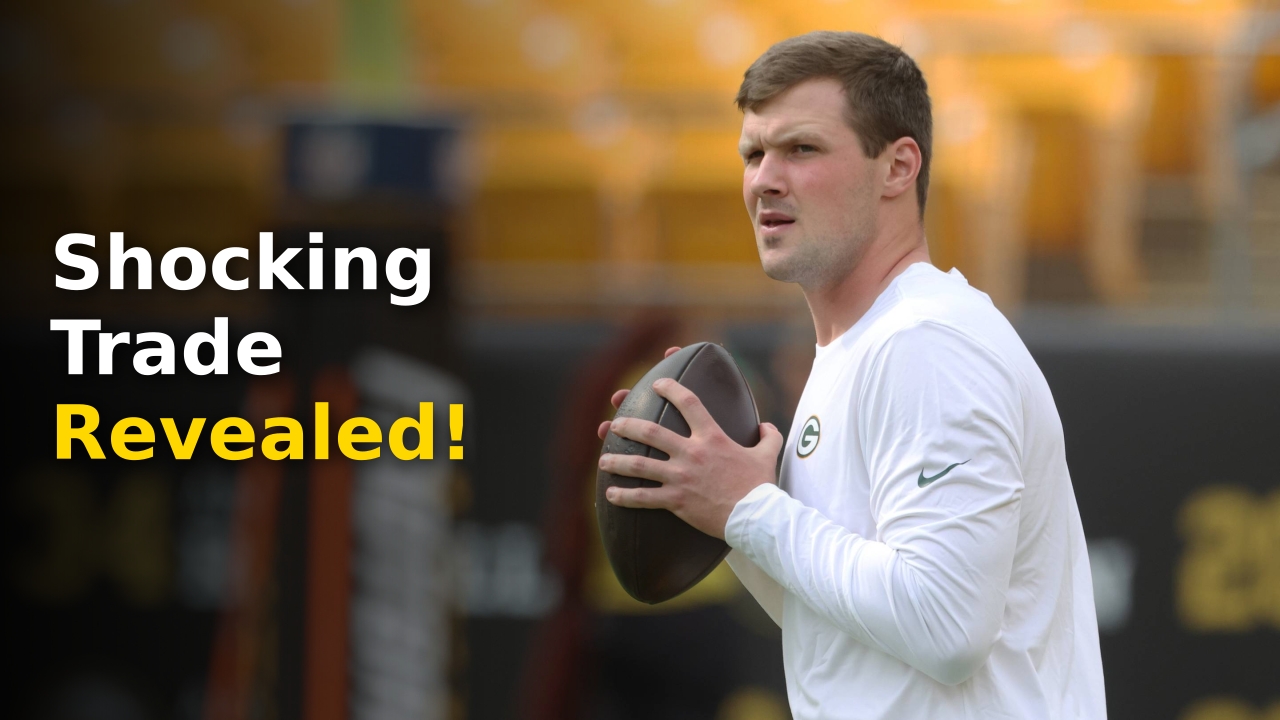
You probably did not see this quarterback carousel coming, but the Kyle McCord Dolphins union is now a reality that shakes up the AFC East landscape ahead of the 2026 regular season. The Miami Dolphins executed a swift trade to acquire former Green Bay Packers signal-caller Kyle McCord in exchange for a 2028 sixth-round draft pick. This surprise roster upgrade positions McCord as the primary backup behind newly minted starting quarterback Malik Willis, giving head coach Jeff Hafley a high-potential, young quarterback room. In an answer-first look at this transaction, the Dolphins have prioritised scheme-familiar, developmental talent to insulate their depth chart, mitigating the risk of sudden starter injuries. If you are tracking the latest professional sports updates, this transaction represents a calculated gamble on a player who balled out in the preseason.
This sudden trade occurred just 11 days before Miami’s regular-season opener, leaving McCord with a remarkably tight window to master his new surroundings. Fortunately for the young quarterback, the transition is bolstered by preexisting coaching relationships and significant playbook crossover. McCord spoke to the South Florida media for the first time on Wednesday, revealing a high level of confidence despite the quick turnaround. His arrival marks a unique chapter in recent franchise history, as the team carries two former Green Bay signal-callers at the top of their depth chart.
While McCord has yet to throw his first official pass in an NFL regular-season game, his impressive summer showcase made him an attractive target for a front office looking to maximize its roster flexibility. The former Ohio State and Syracuse product went from fighting for the number-three spot in Wisconsin to occupying a critical seat in Florida. This strategic move highlights how modern NFL front offices view the backup quarterback position as a premium developmental asset.
Kyle McCord Dolphins Playbook Mastery and Quick Integration
The transition to a new NFL franchise is notoriously difficult for young quarterbacks, yet the Kyle McCord Dolphins partnership is off to a flying start due to scheme familiarity. McCord noted that the language of the Dolphins’ offense bears striking similarities to what he ran under the Packers and during his rookie stint on the Philadelphia Eagles practice squad in 2025. This structural continuity reduces the mental burden of learning completely new play-call designs. Instead, McCord is focusing on translating known concepts into Miami’s specific terminology.
Reuniting with senior passing game coordinator Kevin Patullo has proven to be a massive advantage for the sophomore quarterback. Patullo served as McCord’s offensive coordinator during his development phase in Philadelphia, establishing a strong foundation of trust and communication. This coaching connection gives McCord a direct advocate in the meeting rooms who understands his throwing mechanics, processing speed, and cognitive strengths. Having a familiar face in the coaching staff makes the rapid integration process feel far less daunting than a typical mid-year roster shift.
Additionally, starter Malik Willis has taken on the role of an active translator for McCord inside the quarterback room. Having recently made a similar transition himself, Willis is uniquely positioned to help McCord map out the offense’s visual cues and pre-snap adjustments. The camaraderie between the two young signal-callers has accelerated McCord’s learning curve significantly. Rather than trying to digest the entire playbook from the offseason installs, McCord is strategically focusing on the weekly game-plan packages and late-game situational concepts.
The Role of Scheme Crossover in Modern NFL Offenses
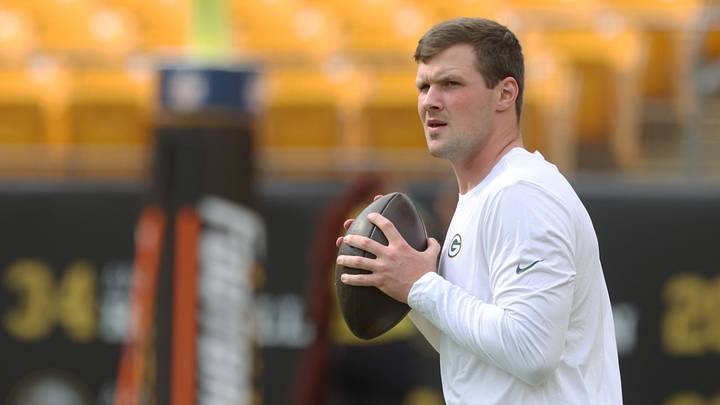
Modern coaching trees have created a highly interconnected league where offensive philosophies frequently overlap. The West Coast system variations deployed by both Green Bay and Miami share structural roots, relying on heavy pre-snap motion, play-action designs, and quick-timed concepts. For a young passer like McCord, this means the physical dropbacks, route combinations, and progression reads remain virtually identical. The challenge lies not in the physical execution, but in memorizing the unique verbal commands used at the line of scrimmage.
McCord pointed out that formations and motions are relatively universal across modern pro playbooks. The primary focus of his daily study sessions is mastering the two-minute drill protocol and situational red-zone packages. By narrowing his focus to these critical areas, McCord ensures he can operate the offense efficiently if called upon in an emergency. The goal is to establish a functional level of comfort that allows him to play fast without overthinking his assignments.
Analyzing the Historic Miami Backup Quarterback Carousel
To truly understand the significance of the Kyle McCord Dolphins acquisition, one must examine the franchise’s historical approach to the backup quarterback position. Based on historical research, this trade represents the first time the Dolphins have acquired an anticipated backup quarterback via trade just prior to the regular season since 2006. That year, the front office traded a fifth-round selection to the Detroit Lions for veteran Joey Harrington. The move highlights a modern shift toward younger, high-upside players rather than aging veterans.
While Miami did trade for former first-round pick Josh Rosen in 2019, that move was executed during the offseason with the hope that Rosen would win the starting job. Instead, veteran journeyman Ryan Fitzpatrick comfortably outperformed him in training camp, relegating Rosen to the bench. In McCord’s case, the expectations are clearly defined from day one: he is the developmental backup to Willis, acquired to grow within the system without the immediate pressure of starting duties.
To provide context on how the franchise has structured its quarterback room over the last quarter-century, the following table details every opening-day backup quarterback for the Miami Dolphins since 2000, illustrating the shifting strategies of various front offices.
| Year | Backup Quarterback | Acquisition Method |
|---|---|---|
| 2000 | Damon Huard | Free Agent (1998) |
| 2001-02 | Ray Lucas | Unrestricted Free Agent (2001) |
| 2003 | Brian Griese | Free Agent (2003) |
| 2004 | A.J. Feeley | Trade (2004 – Beaten out by Jay Fiedler) |
| 2005 | Sage Rosenfels | Trade (2002) |
| 2006 | Joey Harrington | Trade (2006) |
| 2007 | Cleo Lemon | Trade (2006) |
| 2008-09 | Chad Henne | Draft Selection (2008) |
| 2010 | Chad Pennington | Free Agent (2008) |
| 2011-17 | Matt Moore | Unrestricted Free Agent (2011) |
| 2018 | Brock Osweiler | Unrestricted Free Agent (2018) |
| 2019 | Josh Rosen | Trade (2019 – Beaten out by Ryan Fitzpatrick) |
| 2020 | Tua Tagovailoa | Draft Selection (2020) |
| 2021 | Jacoby Brissett | Unrestricted Free Agent (2021) |
| 2022 | Teddy Bridgewater | Unrestricted Free Agent (2022) |
| 2023 | Mike White | Unrestricted Free Agent (2023) |
| 2024 | Skylar Thompson | Draft Selection (2022) |
| 2025 | Zach Wilson | Unrestricted Free Agent (2025) |
As the historical record demonstrates, Miami has tried almost every conceivable method to solidify its quarterback insurance policy. From highly drafted rookies waiting in the wings to high-priced unrestricted free agents, the strategy has evolved constantly under different coaching regimes. Securing a young quarterback with multiple years of team control remaining on a cheap contract represents a highly efficient cap-management strategy.
Why Green Bay Traded Kyle McCord to Miami
From the Green Bay Packers’ perspective, parting ways with McCord was a matter of roster depth optimization rather than a reflection of his potential. McCord had been with the Packers since OTAs, showing steady development and earning high praise from teammates. He put together a series of impressive performances during the preseason, demonstrating poise under pressure and displaying a clean over-the-top throwing motion that caught the attention of scouts around the league.
However, Green Bay already had a firmly established backup hierarchy. Behind franchise quarterback Jordan Love, the Packers boasted veteran backup Tyrod Taylor, whose extensive starting experience made him the locked-in number-two option. With McCord projected to be inactive on game days as the emergency third-string passer, general manager Brian Gutekunst chose to cash in on McCord’s elevated trade value. Turning a developmental player into future draft assets is a core tenet of Green Bay’s roster-building philosophy.
In Green Bay, Jordan Love spoke warmly about his former understudy, expressing genuine excitement for the opportunity presented to McCord in Miami. Love praised McCord’s work ethic and professional demeanor, noting that he had performed exceptionally well when given opportunities during the preseason. The endorsement from a franchise quarterback of Love’s caliber underscores the belief that McCord possesses the raw tools required to succeed in the NFL given the right developmental environment.

The Value of Preseason Showcases in the Trade Market
Preseason game tape remains one of the most powerful marketing tools for backup quarterbacks in the NFL. During August exhibition contests, front offices diligently scout opposing rosters to identify potential waiver-wire targets or trade opportunities. McCord’s ability to operate Green Bay’s complex offense with high efficiency made him stand out on film. When Miami realized they needed to upgrade their quarterback depth, McCord’s preseason performances made him the clear target.
By executing a trade rather than waiting for final roster cuts, the Dolphins ensured they would not lose McCord to a higher-priority waiver claim. This proactive approach shows the value teams place on protecting their quarterback room. If you look at exclusive athlete profiles, you will see that many backup quarterbacks find their footing in the league after a well-timed trade shifts them into a more favorable depth chart position.
Strategic Roster Implications for Miami’s Front Office
The acquisition of McCord reflects a broader shift in how modern NFL front offices construct their 53-man active rosters. General manager Chris Grier has consistently shown a willingness to trade late-round draft capital for proven young talent. In acquiring McCord, Miami has secured a quarterback with physical traits that fit their offensive identity. He brings a strong vertical arm and clean pocket movement, attributes that are critical in the Dolphins’ dynamic passing attack.
Moreover, the trade allows head coach Jeff Hafley to structure his game-planning sessions with two young quarterbacks who share similar physical profiles. Both Malik Willis and McCord possess the mobility required to execute modern run-pass option (RPO) concepts. This means the coaching staff does not have to radically alter the playbook or calling style if the backup is forced into action during a game. This structural consistency is invaluable for an offense built on precise timing and horizontal stretch principles.
The financial implications of this trade are equally advantageous for the Dolphins’ salary cap. With several star players carrying massive cap figures, having a low-cost, high-upside backup quarterback under team control is a crucial roster-building mechanism. This contract flexibility allows the front office to allocate precious cap resources to other high-value positions, such as the offensive line and edge rushers. For a detailed breakdown of team building, check out breaking entertainment and lifestyle features that cover the business side of professional sports.
Additionally, this move sends a clear message about the franchise’s belief in player development. Rather than settling for a veteran journeyman with a known ceiling, the coaching staff is embracing the challenge of molding a young player with significant untapped potential. If McCord continues to develop under Patullo’s tutelage, he could eventually become a highly valuable trade asset himself in future seasons, continuing the cycle of asset maximization that defines elite NFL front offices.
People Also Ask
What happened with the Kyle McCord Dolphins trade today?
The Miami Dolphins traded a 2028 sixth-round draft pick to the Green Bay Packers to acquire quarterback Kyle McCord, who will immediately serve as the team’s primary backup quarterback behind starter Malik Willis.
Why did the Packers trade Kyle McCord to the Dolphins?
Green Bay traded McCord because they had an established quarterback hierarchy with Jordan Love and veteran Tyrod Taylor. This surplus of talent allowed them to trade McCord for future draft capital after his impressive preseason display.
How does Kyle McCord fit into the Dolphins offense?
McCord fits well because Miami’s system shares concepts and terminology with his previous playbooks in Green Bay and Philadelphia. Additionally, his familiarity with coordinator Kevin Patullo accelerates his integration.
Who is the starting quarterback for the Miami Dolphins in 2026?
Malik Willis is the confirmed starting quarterback for the Miami Dolphins, with newly acquired Kyle McCord stepping in as the designated number-two quarterback on the depth chart.
Future Projections for the Kyle McCord Dolphins Partnership
As the regular season approaches, the immediate focus for the Kyle McCord Dolphins relationship remains firmly on mental preparation. While everyone in the organization hopes that Malik Willis remains healthy and productive, the unpredictable nature of professional football means McCord must prepare every single day as if he is the starter. His rapid acceleration through the playbook over the next week will determine how comfortable the coaching staff feels on game days.
If McCord can quickly master the nuances of the system, he will provide the team with a reliable safety net that is incredibly rare for a developmental player. His long-term future in Miami is bright, with the potential to develop into a highly capable starter or a premier trade chip. For now, the young signal-caller is focused on the present, taking things one meeting and one walkthrough at a time as he prepares for his new journey in South Florida.
Ultimately, this trade stands as a testament to the aggressive, forward-thinking strategy of the Dolphins’ front office. By identifying a market inefficiency and pouncing on a young quarterback with strong coaching connections, Miami has significantly upgraded its roster depth without sacrificing premium draft capital. Fans and analysts alike will be watching closely to see how this young quarterback room navigates the challenges of the upcoming campaign, as details of the deal can be reviewed on high-authority platforms like ESPN’s comprehensive NFL coverage and Kyle McCord’s collegiate and professional career on Wikipedia.
More Like This
For more updates, check out our latest entertainment and sports news.