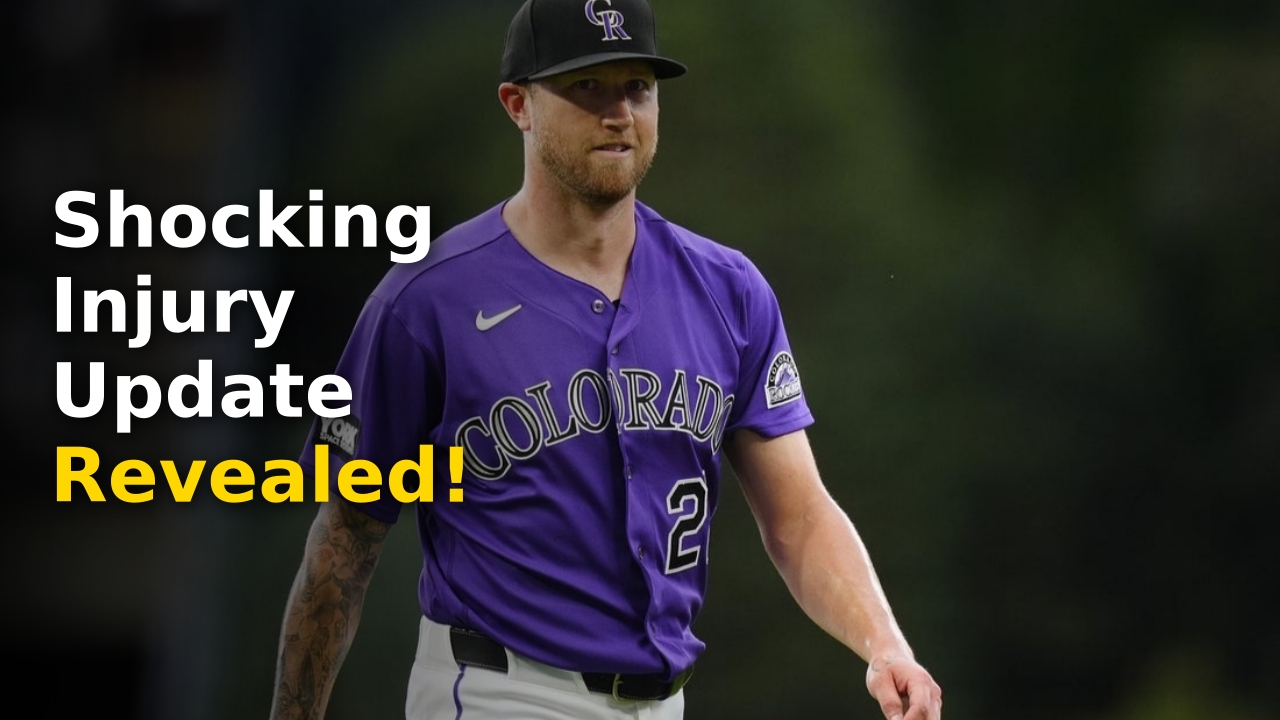
Kyle Freeland remains the face of the Colorado Rockies pitching staff, but his latest exit from the game against the Los Angeles Dodgers has left fans wondering about his future. When you watch a veteran starter grab at his body on the mound, you realize just how fragile these high-stakes professional athletic careers truly are.
The veteran left-hander exited the Wednesday night contest in the fourth inning, citing what the organization is calling neck tightness. This setback arrives at a critical juncture for the Rockies as they look to evaluate their rotation for the upcoming season, making the Kyle Freeland medical status a primary concern for the entire front office.
The Kyle Freeland Incident Explained
You probably felt the collective groan from the crowd when the trainer emerged from the dugout during the fourth inning at Dodger Stadium. Freeland had just delivered a pitch to Ben Rortvedt, and the immediate reaction from the pitcher suggested something significantly more serious than a simple cramp or minor fatigue.
As he gripped his lower back and neck, the body language told a story that experienced baseball followers know all too well: the dreaded mid-game injury. Manager Warren Schaeffer wasted no time in signaling to the bullpen, effectively ending Freeland’s night after only 3 2/3 innings of labor against a potent lineup.
Physical longevity is the ultimate currency in Major League Baseball, and seeing a player who has logged ten years of service struggle with health is disheartening. You have to consider the long-term impact on his mechanics when a pitcher compensates for neck or back pain, which often leads to further complications in the shoulder or elbow.

The Rockies were already trailing 4-0 when the departure occurred, putting immense pressure on the bullpen to hold the line against a team as aggressive as the Dodgers. This specific game highlighted the gap in depth that Colorado has struggled with throughout the entire 2024 campaign.
When an athlete like Freeland sustains an injury, the medical staff performs a series of neurological and stability tests to determine if the discomfort is muscular or structural. Fans often debate the role of pitch counts and workload management, yet these freak occurrences remind you that injuries can happen on any single pitch regardless of preparation.
Recovery protocols for neck-related issues are notoriously tricky for pitchers because the cervical spine dictates so much of the kinetic chain. The training staff will likely utilize advanced imaging to rule out any herniation or nerve impingement before clearing him for future mound work.
Understanding Pitching Mechanics Risks
Pitching is not a natural human movement, and the torque placed on the spine is immense. Every time a pitcher like Freeland explodes toward home plate, his core muscles act as the bridge between his legs and his arm, and any failure in that chain creates immediate stress.
Experts often point to the deceleration phase as the most dangerous moment for a pitcher’s body. Your muscles must rapidly contract to slow down the arm after release, and if the neck muscles are already fatigued or tight, the entire system can buckle under the pressure.
For more insights into the grueling lifestyle of professional athletes, you might want to read the latest updates at Bright Celebrity regarding star injuries and recovery timelines. The industry standard for rehabilitation in modern baseball has advanced significantly, yet the frequency of pitcher injuries remains a glaring issue across the league.
Historical data indicates that neck tightness is frequently a symptom rather than the root cause of a problem. It often stems from poor posture, repetitive stress from training, or even simple dehydration that causes localized cramping under extreme exertion.
Young pitchers are often taught to keep their head perfectly still during the delivery, but the reality is that the head undergoes significant whip-like acceleration. This movement patterns can lead to long-term wear that only becomes apparent during the high-leverage situations found in a standard MLB matchup.
The psychological toll of missing time cannot be ignored. A pitcher who spends weeks on the injured list often loses the rhythm and feel for his secondary pitches, which makes returning to the mound even more difficult once the pain subsides.
Statistical Analysis of 2024 Performance
| Stat Category | 2024 Season Value |
|---|---|
| Win-Loss Record | 4-10 |
| ERA | 6.27 |
| Innings Pitched (This Game) | 3.2 |
| August Record | 2-0 |
The numbers from the 2024 season paint a picture of a man fighting against the odds. Despite a rough start to the year, his turnaround in August was a glimmer of hope that the team desperately needed to stabilize the back end of the rotation.
His first complete game of his 10-year career earlier this month proved that he still has the stamina to go the distance. This recent injury is particularly cruel because it strikes just as he was finding his groove and rebuilding his confidence on the mound.
The 6.27 ERA is a number that clearly doesn’t reflect his total value to the club. He has acted as a veteran mentor for younger pitchers coming through the Colorado system, which is a role that rarely shows up in the box scores.
You can track the official reports on his injury status through Reuters or other major wire services to ensure you are getting the most accurate medical updates as they are released by the team trainers.
Maintaining a professional demeanor while dealing with physical pain is the hallmark of a veteran. Freeland has consistently shown his commitment to the organization even during losing streaks and personal performance slumps.
His role in the clubhouse during the final stretch of the season will be just as important as his performance on the field. Even if he misses a few starts, his presence in the dugout provides a steadying influence for the rookies learning how to cope with the grind.
The Long Road to Recovery
Recovery for a starting pitcher is a marathon, not a sprint. The team must weigh the importance of his immediate return against the risk of causing long-term, permanent damage to his neck and back.

Rehabilitation typically starts with simple range-of-motion exercises and progresses into light throwing programs. You have to understand that these players are monitored by the best medical technology available, ensuring every movement is tracked to prevent a recurrence of the injury.
The Rockies will likely take a cautious approach, as they have little incentive to rush him back if the season results are already determined. Giving him time to heal properly is the most logical step for preserving his arm for the following season.
There is also the matter of contract status and future planning for the club. Having a healthy Freeland under contract is a luxury, and they need him firing on all cylinders to be competitive in the National League West.
Fans will be watching the next few days with bated breath, hoping for a positive update from the training staff. The absence of a key arm like his creates a ripple effect that forces other pitchers into roles they might not be ready to handle.
Always remember that behind the jersey and the statistics, there is a human being who wants nothing more than to compete for his teammates and the city of Denver. We wish him a swift recovery as he navigates this latest career obstacle.
Final Thoughts on the Future
This incident is a reminder that sports are inherently unpredictable. While you root for the player to succeed, you must also respect the reality of the physical toll that professional pitching demands on the human body every single day.
Whether Kyle Freeland returns to the mound this season or shifts his focus to preparation for next year, his dedication remains unquestioned. We will keep you updated as more information surfaces regarding his diagnosis and timeline for a potential return to the rotation.
Monitoring the health of our favorite stars is part of the fandom, and staying informed is the best way to support them through their challenges. We hope to see him back out there throwing strikes before the season officially concludes.
The entire organization and the fanbase are united in the hope that this is merely a brief interruption. Injuries are the only opponent that no player can truly defeat, but they can certainly manage the aftermath with grit and determination.
Keep an eye on the official Rockies injury reports, as they will provide the definitive timeline for when you might expect to see him back in uniform. For now, the focus shifts to the depth of the rotation and how the team will adapt in the interim.
Kyle Freeland is a resilient professional, and we look forward to seeing him return to the high level of performance he has displayed during this recent, strong stretch in August.
More Like This
For more updates, check out our latest entertainment and sports news.