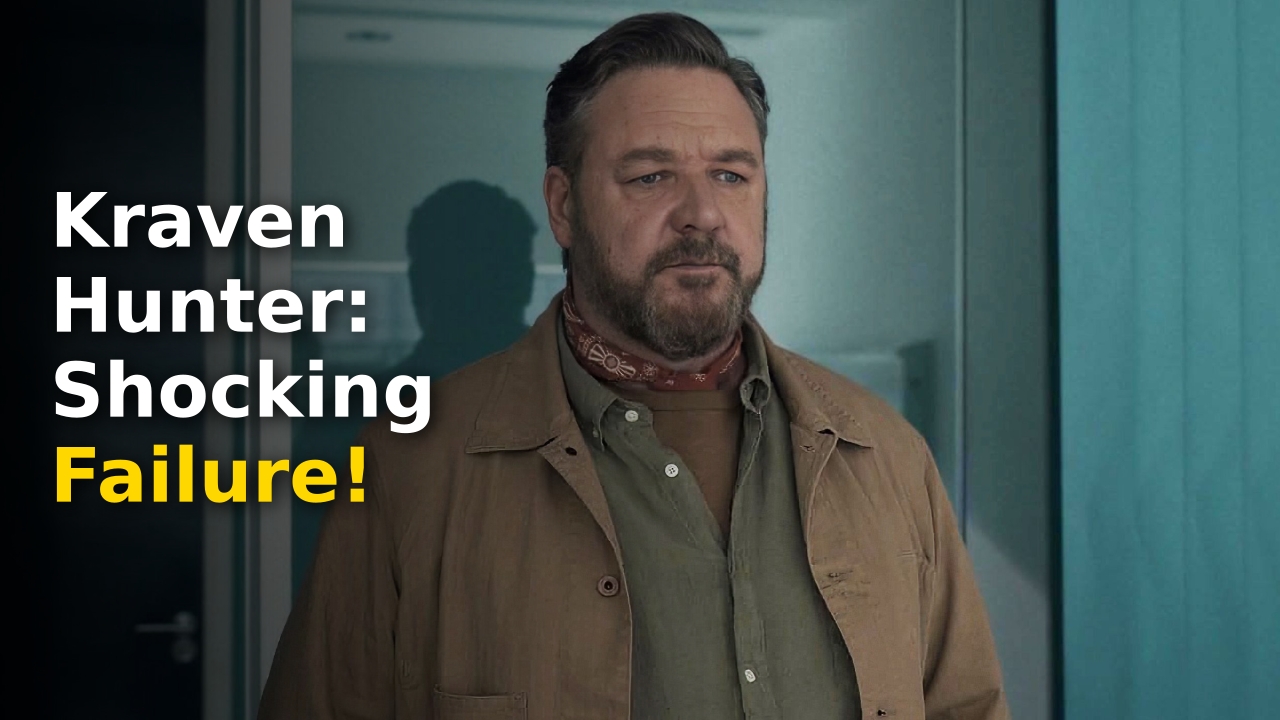
Kraven Hunter is officially exiting Netflix on September 14, marking a quiet, unceremonious end to one of the most ridiculed chapters in modern cinematic history. You might have watched it out of sheer curiosity, or perhaps you skipped it entirely, but its departure signals the final nail in the coffin for a studio experiment that burned through millions while leaving fans utterly cold.
When you look back at the chaotic landscape of the last decade, it becomes clear that Sony attempted to build a massive empire on a foundation of sand. The project, which starred Russell Crowe and Aaron Taylor-Johnson, serves as a grim reminder that star power alone cannot save a hollow script or a confused creative vision.
The Legacy of Kraven Hunter
You have likely witnessed the rise and fall of various shared universes, but few have collapsed as spectacularly as this one. The ambition was gargantuan: to create a cohesive web of characters connected to the Spider-Man mythos without the direct oversight or participation of the web-slinger himself. This hubris led to a string of creative decisions that left critics baffled and audiences distancing themselves from the brand.
The film follows the origin of Sergei Kravinoff, a character with rich comic book history, yet the final product failed to capture the intensity required for such an iconic figure. J.C. Chandor directed the project with high expectations, but the execution suffered from pacing issues and a tonal dissonance that alienated even the most dedicated Marvel enthusiasts. When you analyze the performance of this $130 million production, it is impossible to ignore the red flags that plagued the entire SSU.
Behind the scenes, the struggle was constant as the studio tried to juggle multiple projects. The failure of this specific title was not an isolated incident; it was the culmination of years of studio meddling and a lack of clear direction. You can trace this decline back to the early days when plans for an Andrew Garfield-led universe were scrapped in favor of a pivot to Tom Holland. 
The cultural impact of these films has been profound, influencing how fans perceive studio-led superhero movies in the current era. Popular culture has moved toward a model of quality over quantity, a lesson that seems to have been learned the hard way here. As you move through the streaming landscape, you might notice that audiences now prioritize highly acclaimed narratives over these bloated, franchise-chasing attempts.
Understanding the failure requires looking at the internal pressures within the production team. Reports suggest that the studio was overly focused on creating a platform for future sequels rather than focusing on the story at hand. This short-sightedness meant that the character development for Ariana DeBose and Alessandro Nivola felt forced and disconnected from the core emotional stakes.
You should consider how the audience sentiment shifted once the reviews started rolling in at a measly 15% on Rotten Tomatoes. The digital conversation turned toxic, with the project becoming an internet meme rather than a serious piece of media. This phenomenon highlights a growing trend where audience reception is heavily influenced by early, viral social media reactions.
Why Fans Checked Out
- Lack of clear narrative connection to Spider-Man.
- Over-reliance on CGI during action sequences.
- Disjointed character motivations and scripts.
- Tarnished reputation from previous failures like Morbius.
The Economics of Failed Franchises
When you crunch the numbers, the financial reality of these projects is nothing short of disastrous for the studio involved. A budget of $130 million is a massive commitment in the modern climate, and grossing only $60 million represents a colossal loss that few studios can comfortably absorb. To learn more about how industry shifts are impacting box office trends, visit Bright Celebrity for deeper insights into the business of fame.
The business model was intended to mirror the massive success of other shared universes, but it lacked the crucial ingredient of audience buy-in. When you analyze the budget allocation, it is clear that a significant portion went into post-production and marketing, yet the product itself failed to resonate with the target demographic. This mismatch between spending and quality is a recurring theme in the history of blockbuster filmmaking.
The studio’s reliance on historical characters to carry the weight of new films proved to be a flawed strategy. Because these characters existed in a vacuum, the stakes felt perpetually low to the average viewer. You are not alone if you found yourself questioning why the studio continued to pursue this path despite clear signals of decline from the public. 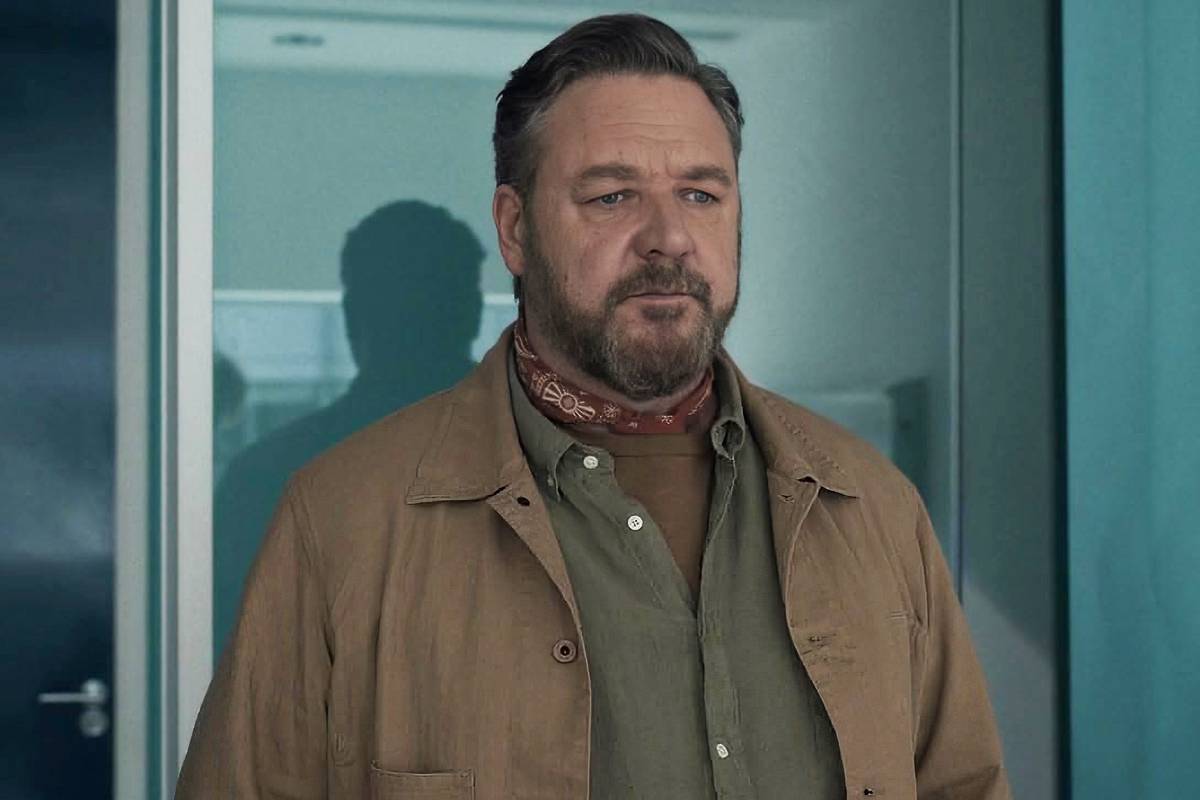
Comparing these figures to industry standards, it becomes evident that the profit margins were non-existent from the start. You can see a direct correlation between the critical reception and the rapid decline in theater attendance during the film’s opening weeks. This financial instability eventually forced the hand of executives who were looking to mitigate further losses across the broader studio portfolio.
Marketing budgets during this era were at an all-time high, yet the return on investment fell significantly below expectations. You might remember the heavy promotional push for these characters, which only served to heighten the disappointment when the actual films premiered to poor reviews. It is a cautionary tale about the limitations of saturation marketing in the face of poor creative output.
Finally, the shift to streaming platforms like Netflix has become a necessity for these types of films to find any life at all. While the theatrical release was a failure, the streaming audience provides a final data point that helps quantify the long-term interest in the character. However, as Kraven Hunter leaves the platform, it is clear that the interest has officially bottomed out.
The Comparison Table
| Film Title | Budget | Rotten Tomatoes |
|---|---|---|
| Morbius | $80M | 15% |
| Madame Web | $100M | 11% |
| Kraven Hunter | $130M | 15% |
The Cultural Shift in Superhero Media
You have likely noticed that the golden age of the superhero film is undergoing a massive transformation as audiences demand higher narrative standards. This isn’t just about the fatigue of watching origin stories; it is about the demand for originality and authentic character arcs. The failure of this particular franchise has served as a catalyst for studios to re-evaluate their entire development pipeline.
When you consider the impact on the industry, you see that the era of the ‘shared universe’ is being replaced by more focused, director-driven projects. The lesson taken from the performance of these films is that you cannot simply replicate a formula and expect the same results. Originality, when combined with a clear vision, is the only way to sustain long-term interest in a saturated market.
Many industry analysts, including those from Reuters, have pointed toward this period as a low point for studio risk-taking. You can see how the failure forced a pivot back to legacy brands and proven intellectual properties, rather than taking chances on characters that lack widespread brand recognition. It is a conservative strategy, but it is one that effectively keeps the lights on in Hollywood.
Furthermore, you should note that the role of the lead actor has become even more critical in modern cinema. When you have a star like Russell Crowe involved, the audience expectation is automatically elevated, making the disappointment even more acute when the final product fails to deliver. This places an immense burden on the creative teams to ensure the script matches the star power.
As we look toward the future, it is unlikely that we will see such aggressive and misguided attempts at world-building for a long time. The industry has become more transparent about its development processes, partly due to the intense scrutiny found on social media platforms. You are now part of a more informed viewing public that refuses to accept low-effort content.
Finally, the departure of this film from streaming services is the final step in a long process of cultural forgetting. As new and more exciting projects take its place, these failures will likely fade into the background of cinematic history. You might occasionally revisit them as a curiosity, but they have effectively lost their place in the ongoing conversation about top-tier entertainment.
The Future of Sony’s Universe
Looking ahead, the studio is faced with the challenge of rebuilding its reputation among fans who felt burned by these projects. You might wonder if there is any path forward for the remaining characters within the Spider-Man library. The answer likely lies in smaller, more contained narratives that prioritize character depth over the expansion of a hollow universe.
The shift in leadership within production companies will also play a role in how future projects are greenlit. You will see a greater emphasis on pre-production planning and a more rigorous vetting process for scripts. This is a positive development for you as a viewer, as it promises a higher baseline of quality for the movies you decide to pay for.
It is also worth noting that the fan base is more vocal than ever before. You have the power to influence what gets produced by where you spend your time and your money. The market is ultimately a reflection of what you demand, and for the last few years, your demand has been for higher standards of storytelling and world-building.
You should keep an eye on how these studios adapt their strategies in the coming years. The rise of independent production houses is putting pressure on the majors to innovate or risk losing their market share. This competition is great for cinema, as it forces everyone to work harder to earn your attention and your subscription dollars.
As Kraven Hunter disappears from your watch list, take it as a symbolic closing of a chapter that promised much but delivered very little. The future of film is moving toward a more nuanced and thoughtful era, and it is a move that is long overdue. You are at the heart of this change, and your preferences will continue to shape the industry for the better.
In the final analysis, the story of this franchise is one of missed opportunities and hubris. However, it provides a valuable lesson in how not to manage intellectual property in the modern age. As we look back, we can appreciate the ambition even while acknowledging the failure. It is time for a new generation of filmmakers to take the reins, with your expectations firmly set on quality above all else, ensuring that the legacy of Kraven Hunter remains a cautionary tale.
More Like This
For more updates, check out our latest entertainment and sports news.