Key Takeaways
| Jimmy Kimmel claims the FCC threatened ABC over an interview with Texas Democrat James Talarico. |
| The interview was moved to YouTube to bypass broadcast regulations and potential network fines. |
| ABC is currently suing the FCC on First Amendment grounds, citing an existential threat to its licenses. |
| The dispute centers on a revised interpretation of the ‘Equal Time’ rule for late-night talk shows. |
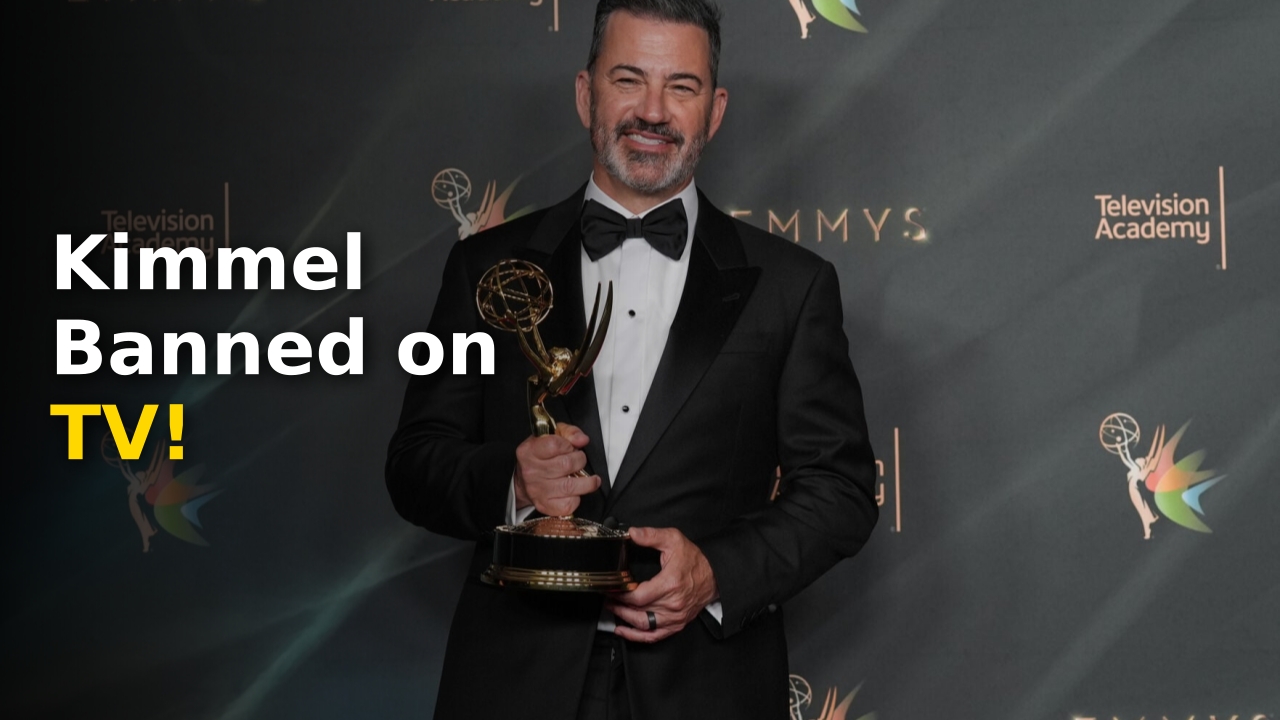
Kimmel FCC censorship has reached a boiling point as the long-time host revealed that a high-profile interview with Texas Senate candidate James Talarico was blocked from airing on television. You are witnessing a historic clash between late-night entertainment and federal regulatory powers that could redefine what political speech is allowed on broadcast networks.
During his Wednesday night broadcast, the award-winning host explained that the Federal Communications Commission (FCC) issued threats that made airing the segment impossible. This move follows a growing pattern of regulatory scrutiny directed at Disney-owned ABC and its outspoken late-night roster.
The decision to move the Talarico interview exclusively to YouTube serves as a workaround, as digital platforms do not fall under the same broadcast license restrictions. However, the move has sparked an intense debate regarding free speech, political favoritism, and the weaponization of government agencies against media critics.
The Reality of Kimmel FCC Censorship
For over two decades, late-night hosts have interviewed political figures with minimal interference from the federal government. However, the landscape shifted dramatically when Jimmy Kimmel announced that the agency had specifically targeted his guest booking of James Talarico, a rising star in the Democratic party.
Kimmel suggested that the pressure was not merely a procedural check but a calculated attempt at intimidation. ‘Something has changed,’ Kimmel told his audience, pointing to the influence of the current political administration on the FCC’s decision-making processes. The host claimed that the agency threatened not only the show but also the ABC network and its local affiliates across the country.
The implications of this Kimmel FCC censorship are far-reaching for local broadcasters. If a network affiliate in a key market faces a license challenge because of a guest booking, it could result in millions of dollars in lost revenue and legal fees. This ‘chilling effect’ is exactly what First Amendment advocates fear will happen as regulatory bodies tighten their grip on editorial choices.
By moving the content to YouTube, Kimmel is attempting to preserve his editorial independence. Yet, this migration to digital signifies a retreat from the public airwaves, which are governed by the principle of serving the public interest. The shift suggests that the traditional ‘safe harbor’ for late-night comedy is effectively closed for political candidates who do not fit the current regulatory mold.
The Impact on Network Affiliates
When the FCC ‘threatens’ a show like Jimmy Kimmel Live, the real pressure is felt by the local stations that carry the program. These stations are the ones that actually hold the broadcast licenses, making them vulnerable to federal inquiries. This pressure forces local managers to weigh the value of a comedy segment against the risk of losing their right to broadcast entirely.
Digital Platforms as the New Frontier
Moving the James Talarico interview to YouTube highlights the growing divide between regulated broadcast media and the unregulated digital landscape. While YouTube allows for a longer, unedited conversation, it lacks the massive, passive reach of a primetime or late-night television slot. This creates a two-tiered system of political discourse where some voices are relegated to the ‘online-only’ corner.
Talarico and the Texas Stakes
The man at the center of this controversy, James Talarico, is currently locked in a high-stakes battle for a U.S. Senate seat in Texas. Facing off against Republican heavyweight Ken Paxton, Talarico represents the Democratic party’s best hope in years to flip a statewide seat in the traditionally red Lone Star State. His platform focuses on education reform and healthcare, making him a popular figure for national media spots.
This is not the first time Talarico has been scrubbed from the airwaves. Earlier this year, a scheduled appearance on The Late Show with Stephen Colbert was also moved to YouTube under similar pressures. The recurring nature of these cancellations suggests a systemic effort to limit Talarico’s national exposure during a critical election cycle.
Critics of the FCC’s move argue that by preventing a candidate from appearing on a widely watched comedy show, the agency is effectively interfering in an election. If one candidate is barred while others are allowed through different loopholes, the neutrality of the regulatory body comes into question.
Political analysts have noted that Texas is slowly trending toward a swing-state status. In 2018, the margin for the Senate race was a narrow 2.6%. James Talarico currently holds a massive social media following, with over 500,000 combined followers on X and TikTok. His YouTube appearances frequently garner 200,000+ views within 24 hours, proving that while broadcast airtime is being denied, the digital audience remains highly engaged with his message.
The Republican incumbent, Ken Paxton, has dismissed the censorship claims, suggesting that the networks are simply following established law. However, the timing of these enforcement actions—often following jokes or segments that target the administration—has led many to believe that the FCC is being used as a tool for political retribution.
Decoding the Equal Time Rule
At the heart of the Kimmel FCC censorship debate is the ‘Equal Time’ rule, technically known as Section 315 of the Communications Act. This rule requires that broadcast stations provide equal opportunities to all legally qualified candidates for a particular office. Historically, talk shows like Kimmel and Colbert were exempt under the ‘bona fide news-interview’ category.
However, the Trump administration and the FCC recently signaled a shift in interpretation. By reclassifying late-night talk shows as entertainment rather than news-interviews, the agency can now demand that if a Democrat appears, the network must offer the same amount of airtime to their Republican opponent. For a comedy show, giving 10 minutes of airtime to a rival politician for a serious stump speech is often a ‘poison pill’ that leads to guest cancellations.
| Year | Key Regulatory Event | Impact on Late-Night |
|---|---|---|
| 1934 | Communications Act Passed | Establishes the FCC and Equal Time Rule |
| 1959 | News Exemption Created | Late-night shows traditionally classified as news |
| 2024 | New FCC Guidance | Late-night shows must strictly follow Equal Time |
| 2024 | ABC vs FCC Lawsuit | Disney sues to stop ‘existential’ license threats |
This regulatory pivot is what Anna Gomez, the sole Democrat on the Commission, called a campaign of ‘intimidation.’ In her public statements, she warned that the FCC has no place dictating editorial choices. The fact that this rule is being enforced now, after decades of dormancy for late-night, suggests that the underlying motivation is more about control than fairness.
Disney and the Legal War
In response to the mounting pressure, ABC, which is owned by the global powerhouse Disney, filed a landmark lawsuit in August. The network alleges that the FCC’s recent actions, including demanding early reviews of broadcast licenses, constitute an ‘existential threat’ to their business model. This lawsuit is a direct challenge to the agency’s authority to use licensing as a leverage point against media companies.
The legal friction began shortly after Jimmy Kimmel made a joke about Melania Trump, which prompted the President to publicly call for his firing. Soon after, the FCC began investigating ABC’s diversity and inclusion practices as a pretext for reviewing their licenses years before they were set to expire. This sequence of events is at the core of ABC’s First Amendment argument: that the government is retaliating against a private company for protected speech.

Legal experts suggest that if ABC wins this case, it could severely limit the FCC’s ability to interfere with programming content. Conversely, a loss could give the government unprecedented power to dictate who can and cannot appear on network television. The stakes extend far beyond Kimmel FCC censorship and into the very heart of American constitutional law.
According to 1st Amendment scholars, the FCC’s actions represent a form of ‘prior restraint’ by proxy. By creating a regulatory environment where guest bookings lead to severe financial risk, the government is effectively editing the news before it airs. This battle between the Communications Act of 1934 and modern free speech standards will likely end up before the Supreme Court, determining the future of broadcast independence for the next generation.
As the case winds through the courts, the atmosphere at Jimmy Kimmel Live remains defiant. The show continues to push the boundaries of political satire, even as its distribution is increasingly funneled toward digital-only outlets. The struggle reflects a broader trend in the entertainment industry news cycle where creators must fight for the right to feature controversial figures.
People Also Ask
Why was the Jimmy Kimmel interview with James Talarico cancelled on TV?
The interview was moved to YouTube because the FCC threatened the network with the ‘Equal Time’ rule. This would have required ABC to give the same amount of airtime to Talarico’s opponent, Ken Paxton, which the show’s format could not accommodate.
What is the FCC Equal Time rule in 2024?
The rule requires broadcast stations to provide equal opportunities to opposing political candidates. In 2024, the FCC has applied this more strictly to late-night comedy shows, removing their long-standing exemption as bona fide news programs.
Is ABC suing the FCC over Jimmy Kimmel?
Yes, Disney-owned ABC filed a lawsuit against the FCC in August on First Amendment grounds. They claim the agency’s demands for early license reviews and regulatory pressure constitute an ‘existential threat’ and political retaliation.
Who is James Talarico and why is he trending?
James Talarico is a Democratic candidate for the U.S. Senate in Texas. He is trending because his appearances on late-night shows like Kimmel and Colbert have been blocked from TV broadcast by federal regulators.
How does FCC censorship affect local TV stations?
Local affiliates hold the actual broadcast licenses. When the FCC threatens a network show, these local stations face the risk of license challenges or fines, which often leads to them pressuring networks to pull controversial political segments.
The Death of Late-Night Freedom
The saga of Kimmel FCC censorship marks a pivotal moment in American media. For decades, late-night hosts were the court jesters of the political world, allowed to speak truth to power without fear of federal shutdown. Today, that privilege is being stripped away as regulators seek to impose 20th-century rules on a 21st-century media landscape.
While James Talarico’s message will still reach fans on YouTube, the exclusion from broadcast television sends a clear message: the airwaves are no longer a place for free and open political debate if it involves candidates that the current administration disfavors. This shift not only affects Jimmy Kimmel’s late-night impact but also the fundamental way Americans consume political information.
As we look toward the 2024 election and beyond, the resolution of the Disney vs. FCC lawsuit will be the defining factor in this conflict. Until then, viewers can expect more ‘online-only’ exclusives as hosts navigate the minefield of federal regulation. The battle for the soul of late-night television has only just begun, and the stakes for the celebrity legal disputes involved have never been higher.
Ultimately, the choice remains with the audience. If the public continues to seek out these ‘banned’ interviews on digital platforms, the FCC’s attempts at control may prove futile. However, if the disappearance of political guests from TV leads to a less informed electorate, the true victim of this censorship will be the democratic process itself.
More Like This
For more updates, check out our latest entertainment and sports news.