Jeanine Pirro was seen leaving the White House complex shortly after intense public criticism emerged from the Oval Office. You might wonder how a routine executive meeting suddenly escalated into a high-stakes national media spectacle that caught administration insiders off guard. Tensions within federal legal circles have reached unprecedented levels following a contentious legal dispute over public property damage charges.
Observers outside 1600 Pennsylvania Avenue noted a visible change in atmosphere as Jeanine Pirro stepped into her awaiting vehicle following the closed-door session. Journalists quickly gathered near the West Wing exit gates to capture any immediate visual cue or statement. The high-profile visit followed hours of intense public speculation regarding her standing with key executive officials.
Consequently, political analysts immediately began debating the potential long-term fallout from this tense legal conference. The sudden timing of the White House departure created widespread curiosity across major Washington news outlets and digital media platforms. Observers noted that senior legal staff rarely depart high-level consultations without issuing formal public clarification.
Furthermore, White House aides remained notably silent regarding the exact nature of the afternoon legal discussions. Tension continues to build across federal communications channels as legal experts evaluate the broader political consequences. You can clearly see how fast legal disagreements transform into nationwide policy debates.
Jeanine Pirro and the Escalating Rift with Donald Trump
Recent reports concerning Jeanine Pirro broke out after public comments criticized her recent decision to drop high-profile federal charges. The tension between key administrative figures reached a critical boiling point over national legal strategy. Officials within executive leadership expressed dissatisfaction with how recent legal cases were handled before federal judges.
Donald Trump openly expressed intense frustration over recent court filings related to landmark public property matters in the capital. Consequently, public speculation regarding administrative restructuring and potential leadership turnover grew rapidly among political commentators. Public statements highlighted a growing strategic divide between executive expectations and procedural court actions.
Indeed, several legal commentators noted that Jeanine Pirro had taken a principled courtroom stance that surprised many administration political strategists. The public criticism emphasized deep underlying operational divisions over prosecutorial discretion and evidence standards. Strategic alignment between federal prosecutors and administrative goals remains an ongoing topic of intense debate.
However, executive staff members have attempted to downplay rumors regarding an immediate termination or formal resignation. The situation remains highly fluid as both administrative advisors and legal representatives assess their next tactical moves. Navigating intense executive oversight while maintaining prosecutorial guidelines requires exceptional balance under intense media scrutiny.
Key Events Surrounding the Vandalism Investigation
The heart of the current conflict involves federal criminal charges linked to damage sustained at the Lincoln Memorial Reflecting Pool. Allegations initially pointed toward intentional acts of public vandalism against essential structural components of the national monument. Federal law enforcement agencies moved quickly to file initial charges against identified individuals during early investigative stages.
Official statements regarding Jeanine Pirro centered on the sudden decision to walk back charges against former Olympian David Hearn. This sudden courtroom reversal caught several law enforcement officials completely off guard during routine legal proceedings. The unexpected dismissal of charges immediately triggered scrutiny from both political supporters and opposing commentators.
According to Reuters reporting, technical engineering evaluations later revealed that structural damage was caused by faulty installation during rushed restoration efforts. This authoritative technical report directly contradicted early law enforcement assertions regarding intentional physical sabotage. Consequently, prosecuting authorities faced significant evidentiary challenges in maintaining criminal counts.
Therefore, prosecutors were ethically obligated to reevaluate the merits of pursuing formal criminal indictments in open court. The sudden technical revelation altered the legal landscape, creating immense public debate regarding political pressure versus objective legal facts. You can appreciate how physical evidence can completely alter high-profile legal strategies overnight.
- Initial damage reports alleged deliberate physical vandalism of national monument infrastructure.
- Technical engineering reviews discovered pre-existing structural defects during original installation works.
- Federal prosecutors reassessed original criminal charges based on newly presented physical evidence.
- Senior executive officials expressed public frustration over the sudden dismissal of federal charges.
High-Stakes Timeline of Political Friction
The series of contentious decisions made by Jeanine Pirro during her recent legal tenure reflects growing internal administrative friction. Understanding this complex situation requires analyzing key operational milestones established over recent months. Each legal decision carried significant policy implications that extended far beyond standard courtroom practice.
Early policy alignments initially created a strong dynamic between senior administrative officials and political legal appointees. However, subsequent high-profile cases exposed fundamental operational differences in strategic execution and public messaging. Strategic friction gradually increased as complex court cases tested traditional legal procedures under intense political focus.
Consequently, internal communication channels between executive advisors and legal teams began experiencing noticeable procedural delays. Each public statement made by administrative leadership added fuel to an already volatile media narrative surrounding federal legal oversight. Clear communication becomes vital when dealing with complex statutory mandates and public expectations.
In a recent strategy meeting, where Jeanine Pirro stood firm on technical prosecution protocols, tensions escalated to historic levels. The resulting public discourse transformed standard prosecutorial procedures into national political headlines overnight. The timeline highlights how technical legal assessments often clash directly with high-visibility public expectations.
| Date | Event Description | Official Impact |
|---|---|---|
| Aug 1, 2026 | Initial Vandalism Charges Filed | Federal criminal charges filed against suspect |
| Aug 2, 2026 | Engineering Fault Identified | Technical reports challenge initial indictment grounds |
| Aug 3, 2026 | Charges Walked Back | Public dispute triggers urgent White House meeting |
| Aug 3, 2026 | White House Meeting Occurs | High-profile exit generates intense media speculation |
Public Responses and Media Firestorms
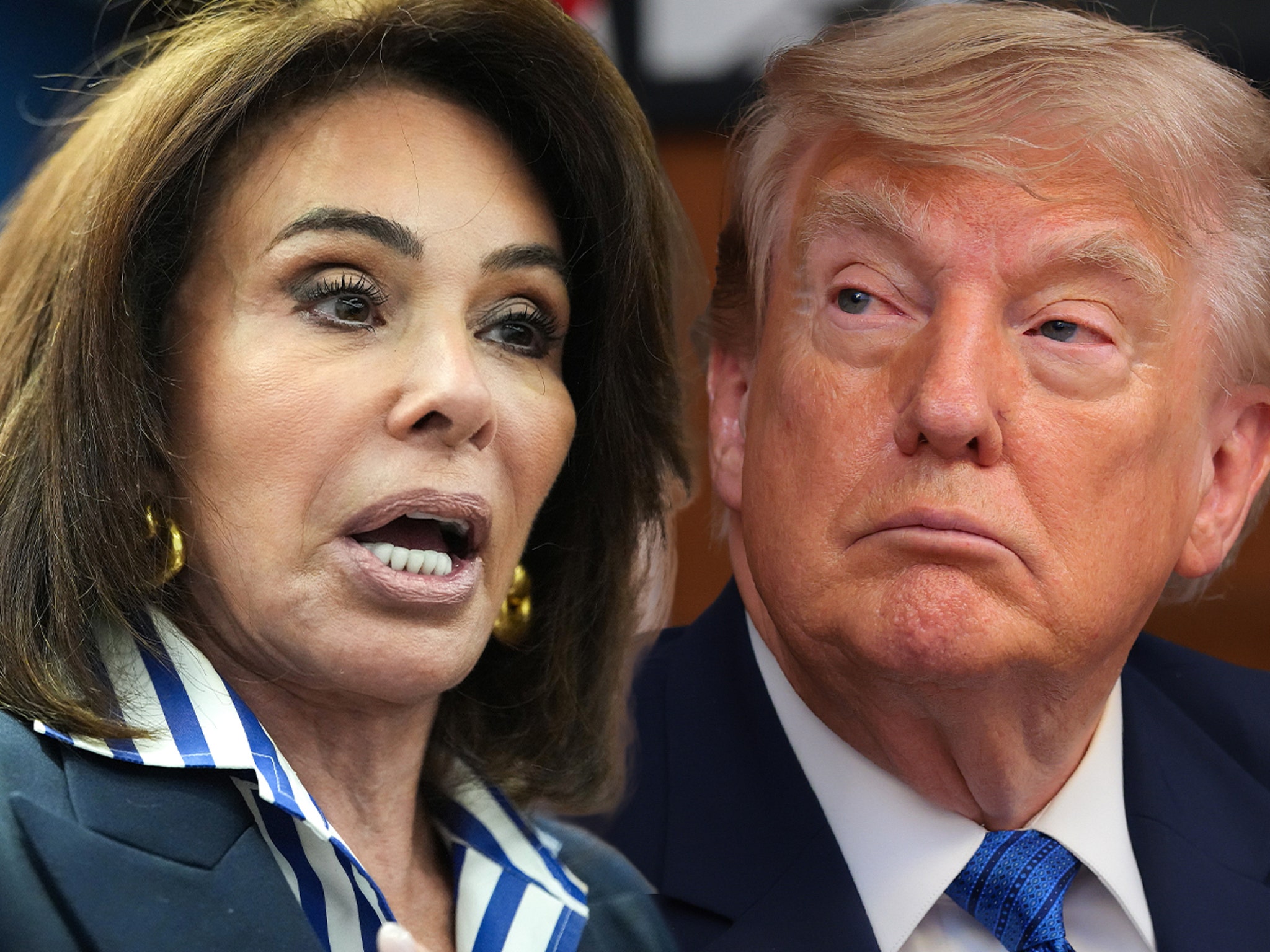
Public reactions to the recent White House meeting spread rapidly across major national broadcasting networks and digital platforms. You can see how quickly public perception shifts when high-profile legal figures encounter administrative opposition. The intense media coverage highlights deep public interest in administrative legal governance and prosecutorial independence.
Meanwhile, legal commentators analyzed Jeanine Pirro and her extensive career record under bright television lighting. Opinions remain divided over whether strict adherence to legal procedure outweighs political expectations during high-profile cases. Expert commentators continue analyzing every official statement released by executive media teams for subtle policy shifts.
Furthermore, social media channels experienced unprecedented user engagement as commentators debated the underlying legal merits of the case. Trending hashtags and viral video clips kept the White House departure at the top of daily digital news feeds. Public discourse surrounding executive oversight has rarely reached such heightened levels in recent memory.
Therefore, administrative communications teams spent considerable effort attempting to manage public messaging surrounding federal appointments. The intense public focus demonstrates how legal decisions directly impact broader political credibility across national audiences. Media management remains a crucial element in handling complex executive friction.
Operational Shifts at the Department of Justice
Administrative challenges within senior appointments often create operational ripples across federal law enforcement agencies and policy departments. Career civil servants frequently must navigate changing political dynamics while maintaining daily legal operations. Organizational stability depends heavily on consistent leadership direction across key legal divisions.
Furthermore, strict adherence to official [Internal Link: Department of Justice Guidelines] remains critical during complex federal prosecutions. Legal standards require thorough physical evidence verification before presenting formal indictments before grand juries. Skipping procedural steps can jeopardize complex court cases and damage long-term institutional credibility.
Indeed, several officials aligned with Jeanine Pirro expressed strong confidence in adhering strictly to established statutory rules. Following an established legal framework prevents severe constitutional challenges and technical dismissals in appellate courts later. Ethical prosecutorial conduct forms the foundational bedrock of federal jurisprudence across all administration eras.
However, external political expectations sometimes create friction with traditional prosecutorial independence and long-standing trial procedure. Navigating these competing operational demands requires exceptional diplomatic skill and unwavering commitment to legal ethics. Law enforcement agencies function best when procedural standards remain clear and free from arbitrary intervention.
Legal Mechanics Behind Dropping Vandalism Charges
Examining the legal mechanics behind the recent choices by Jeanine Pirro reveals complex constitutional and evidentiary considerations. Federal prosecutors are bound by ethical standards requiring proof beyond a reasonable doubt prior to trial. When key physical evidence points toward mechanical installation failure, continuing criminal prosecution becomes legally unviable.
Consequently, discovering material structural defects at the Reflecting Pool fundamentally undermined the government’s primary criminal narrative. Pursuing criminal convictions against individuals without solid forensic evidence exposes prosecution teams to severe judicial criticism. Federal judges hold broad authority to sanction prosecutors who advance unsustainable legal theories in court.
Therefore, professional legal ethics mandate withdrawing formal criminal complaints when clear exculpatory evidence arises during pre-trial discovery. Legal duties strictly require prosecutors to serve justice rather than merely secure high-visibility criminal convictions. This fundamental principle ensures that constitutional rights remain protected against unwarranted administrative power.
Furthermore, legal scholars reviewing Jeanine Pirro emphasized that ethical compliance ultimately protects long-term public trust in judicial systems. Maintaining integrity within federal law enforcement institutions requires strict adherence to facts over political narratives. Objective legal evaluation remains the single most reliable safeguard in complex constitutional governance.
Potential Successors and Political Fallouts
Speculation regarding administrative restructuring always follows intense public friction between executive leaders and political appointees. Political strategists and media outlets quickly compile prospective candidate lists whenever leadership friction becomes public knowledge. High-profile vacancies in federal legal departments attract significant attention from across the political spectrum.
Indeed, speculation around Jeanine Pirro increased rapidly as commentators evaluated prospective cabinet and legal appointments. Any potential leadership transition within major legal divisions triggers intense policy debates among lawmakers and advisory groups. Stakeholders closely monitor these administrative developments to gauge future legal enforcement priorities.
However, formal nomination and confirmation of any high-level legal official requires extensive congressional oversight procedures. Rushing high-level legal transitions can create unnecessary administrative delays and statutory bottlenecks across federal law enforcement networks. Executive leadership must carefully consider long-term operational continuity when contemplating administrative changes.
Consequently, presidential advisors must weigh the political costs associated with high-profile leadership shifts against operational stability. Every major personnel decision carries significant weight across regulatory enforcement, national security, and legal administration sectors. Balancing immediate political objectives with long-term governance strategy remains an essential administrative challenge.
Strategic Implications for Presidential Oversight
The ongoing trajectory of Jeanine Pirro highlights broader constitutional questions regarding presidential direction over federal legal officers. Constitutional scholars frequently analyze the delicate balance between executive administrative authority and prosecutorial independence. Finding harmonious operational boundaries between elected officials and legal experts remains an ongoing administrative challenge.
Furthermore, historical precedents demonstrate that public disagreements between executive leadership and senior legal appointees are not unique to modern politics. Previous administrations faced similar friction when legal realities conflicted with high-visibility political promises. Managing these structural tensions requires clear strategic communication and strategic policy flexibility.
Consequently, administrative leaders must establish clear operational protocols to prevent public misunderstandings regarding trial strategy. Cohesive policy alignment helps avoid damaging public disputes that distract from broader legislative and executive goals. Clear lines of authority protect both administrative objectives and legal procedural standards.
Indeed, observers monitoring Jeanine Pirro suggest that this recent high-profile event will shape future executive appointment strategies. Ensuring shared legal philosophies before formal appointments can minimize public policy disagreements down the road. Strategic planning remains vital for maintaining administrative efficiency during challenging political cycles.
The Unfolding Future of High-Profile Legal Appointments
Looking ahead, the broader impact of this high-stakes White House meeting will continue reshaping federal administrative strategies. You will likely observe updated procedural guidelines and revised communication strategies emerging from legal departments soon. The political landscape continues evolving as key decision-makers adapt to changing media and legal dynamics.
Furthermore, upcoming official press briefings will inevitably address resolving outstanding procedural questions surrounding federal monuments. Transparent public communication will prove essential for maintaining public trust in national law enforcement processes. Clear explanations help demystify complex legal decisions for the general public.
Ultimately, the career of Jeanine Pirro demonstrates how rapidly circumstances can shift within high-pressure legal environments. Navigating complex political oversight requires both tactical flexibility and an unwavering commitment to established legal principles. Future legal appointments will undoubtedly draw valuable lessons from these high-profile administrative events.
As internal discussions continue behind closed doors, political analysts and citizens alike await formal announcements regarding future legal policies. The coming weeks will reveal whether this high-profile rift leads to lasting structural change or renewed administrative alignment. The intersection of law and executive power remains one of the most compelling narratives in modern governance.
More Like This
For more updates, check out our latest entertainment and sports news.