Human Resilience is the unseen force that allows you to stand firm when the world beneath your feet begins to crumble. You might think you are alone in your struggle against an unpredictable fate, but the greatest minds in history have been there before. They wrestled with the same questions about beauty and chaos that keep you up at night.
Christopher de Vinck recently sparked a global conversation about these very themes. He asks if we can still find beauty when life is so stubbornly capricious. It is a question that resonates in our modern age of uncertainty. You are living through a time where the wheel of fortune spins faster than ever.
Human Resilience and Fate
Life has a way of throwing a wrench into your most carefully crafted plans. This concept of Human Resilience isn’t just a buzzword for self-help gurus. It is a survival mechanism that has been documented for centuries by artists and writers. When fate strikes, you have two choices: break or adapt. The latter is where the magic happens.
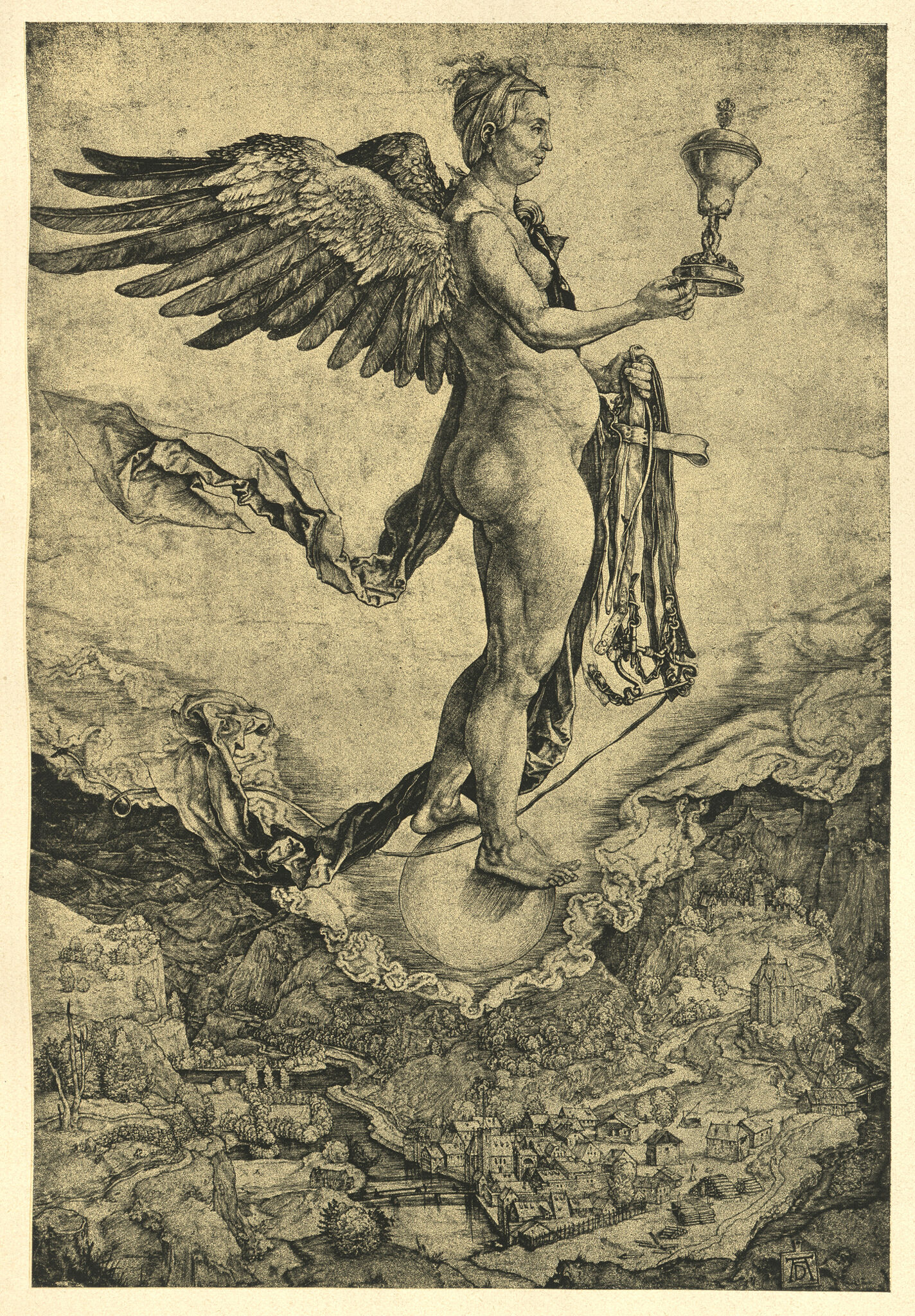
You see this play out in the works of Albrecht Dürer and William Shakespeare. They didn’t just observe the chaos; they channeled it into something immortal. They understood that the caprice of the world is not a bug, but a feature of the human experience. You must learn to dance in the rain rather than waiting for the storm to pass.
The Power of Adaptation
- Embracing uncertainty as a constant rather than a threat.
- Finding small pockets of beauty in daily routines.
- Building a psychological toolkit to handle sudden loss.
- Recognizing that your reaction is your only true control.
History shows us that those who thrive are not the ones who avoid pain. They are the ones who integrate it into their story. You can see this in the way Christopher de Vinck writes about his own family. He highlights the quiet strength found in the face of long-term challenges. It is a testament to the enduring power of the human spirit.
Understanding the Capricious Nature
Why does fate seem so random? You might feel like the universe is picking on you personally. The truth is much more indifferent. The stars don’t care about your promotion or your broken car. This indifference can be terrifying, but it is also liberating. If the world is random, you are free from the weight of cosmic judgment.
You are the architect of your own meaning. Even when the external world is a mess, your internal landscape can be a sanctuary. This is the core of Human Resilience. It is about maintaining that inner peace despite the howling winds outside. It takes practice, but it is the most valuable skill you will ever learn.
Dürer’s Artistic Melancholy
In the year 1514, Albrecht Dürer created a piece of art that still baffles and inspires today. His engraving, *Melencolia I*, is a deep dive into the human psyche. It features an angel surrounded by tools of science and math, yet the angel looks completely defeated. This is a visual representation of what happens when Human Resilience meets its match.
The angel represents the human desire to know and control everything. But look at the clutter around her. There are scales, an hourglass, and a magic square. Despite all these tools of measurement and order, she is stuck in a state of melancholy. You have likely felt this way when your knowledge wasn’t enough to fix a broken heart.
Symbols of the Struggle
- The Hourglass: A reminder that your time is always running out.
- The Magic Square: A human attempt to find order in numbers.
- The Scales: The constant weighing of our choices and their outcomes.
- The Discarded Tools: The realization that logic cannot solve every problem.
Dürer was living in a time of massive social change. The Renaissance was in full swing, yet the plague was never far away. He used his art to process the anxiety of his era. By looking at his work, you realize that your feelings of overwhelm are part of a long human tradition. You are connected to every soul that has ever felt small beneath the stars.
Shakespeare’s Wheel of Fortune
William Shakespeare was obsessed with the idea of the “Wheel of Fortune.” One moment you are at the top, and the next, you are crushed at the bottom. This cycle is the ultimate test of Human Resilience. His characters often find themselves victims of a fate they didn’t see coming. Think of the tragic fall of **King Lear** or the sudden madness of **Hamlet**.
Shakespeare knew that humans are fragile. We are made of “such stuff as dreams are made on.” But he also showed that even in tragedy, there is a profound beauty. You can find more about how modern icons handle these same pressures at Bright Celebrity. Even today’s biggest stars have to deal with the capricious nature of fame and fortune.
The Rota Fortunae Concept
The Goddess Fortuna was often depicted as blindfolded. She spins her wheel without looking at who she is helping or hurting. This was a common theme in the Middle Ages and the Renaissance. It served as a warning to the powerful and a comfort to the poor. Nothing lasts forever, and that includes your current suffering.
You can use this perspective to build your own Human Resilience. When things are going well, stay humble because the wheel will turn. When things are going poorly, stay hopeful because the wheel must turn again. This ancient wisdom is just as relevant in **2024** as it was in **1603**. It is the ultimate antidote to arrogance and despair.
The Data of Survival
How do we actually measure the impact of these philosophical ideas? Scientists have started looking at how Human Resilience affects our physical health. It turns out that people with a strong sense of purpose and a flexible mindset actually live longer. They have lower levels of cortisol and better immune systems.
| Resilience Factor | Impact Level | Historical Context |
|---|---|---|
| Social Support | High | Village structures in the 1500s |
| Creative Outlet | Medium | Dürer’s engravings and journals |
| Stoic Philosophy | Very High | Revival during the Renaissance |
The data suggests that your mindset is a biological asset. By studying the humanities, you aren’t just learning about the past. You are training your brain to handle the future. Human Resilience is a muscle that you can grow through exposure to art, literature, and history. It is the best investment you will ever make in yourself.
Beauty Amidst Capricious Fate
Can the world be beautiful when it is so cruel? De Vinck argues that the beauty is actually *enhanced* by the cruelty. A flower is more beautiful because it will eventually wither. A moment of connection is more precious because it is fleeting. This is the paradox of Human Resilience. You learn to love the world not in spite of its flaws, but because of them.
You see this in the small details. The way light hits a building in the morning. The sound of a child’s laughter. These are the things that fate cannot take away from you. They are small victories against the chaos. When you focus on these moments, you are practicing Human Resilience in its purest form. You are saying “yes” to a world that often says “no.”
Finding Your Own Anchor
Everyone needs an anchor when the sea gets rough. For Dürer, it was his art and his faith. For Shakespeare, it was the power of language. For you, it might be your family, your hobbies, or your community. Whatever it is, hold onto it tightly. This anchor is what keeps your Human Resilience intact when the storms reach their peak.
Don’t wait for life to become easy before you decide to be happy. That day will never come. Instead, choose to find the beauty in the mess right now. This is the secret that the great masters knew. They didn’t have easier lives than you; they just had a better perspective. They turned their capriciousness into masterpieces.
Final Human Resilience Thoughts
The world will always be capricious. Fate will always spin its wheel. But as we have seen, Human Resilience gives you the power to remain standing. You have the wisdom of the ages behind you, from the art of the Renaissance to the plays of the Elizabethan era. You are part of a long line of survivors who found beauty in the dark.
Take a lesson from de Vinck and look for the light in the shadows. Your life is a work of art in progress, and every twist of fate is just another brushstroke. Keep moving, keep creating, and most importantly, keep your Human Resilience alive. The world is beautiful, especially when it is most challenging. You are stronger than you think, and your story is far from over.
More Like This
For more updates, check out our latest entertainment and sports news.