⚡ Key Takeaways
- Board Game Society blends the atmospheric horror of Stranger Things with the deep narrative mechanics of Disco Elysium.
- The game features a unique “Friends Pass” on Steam, allowing one player to host a full session for friends for free.
- Set in the 1980s town of Timber Falls, players utilize archetypal characters like the Goth and Jock to survive supernatural threats.
- The gameplay mechanics prioritize a risk-reward board game structure over traditional linear RPG progression.
You might feel a cold shiver down your spine as you realize the Horror RPG landscape has just shifted forever with the surprise launch of Board Game Society. If you have been mourning the conclusion of Stranger Things, this new title offers a digital lifeline back into the neon-soaked terror of the 1980s.
This experience is not just another carbon copy; it is a meticulously crafted homage to the VHS era that challenges everything you know about tactical survival. By combining the aesthetic of a dusty basement tabletop session with the psychological depth of modern role-playing, it creates a vacuum of tension that is hard to escape.
You are invited to step into Timber Falls, a location that feels eerily familiar yet dangerously unpredictable. Whether you are a veteran of the Upside Down or a newcomer to turn-based strategy, this game demands your immediate attention before the launch window deals expire.
Horror RPG Revolution: The Rise of Timber Falls
The Horror RPG genre has long been dominated by massive studios, but Board Game Society proves that indie developers at Jetebra Games understand the pulse of nostalgia better than anyone. Timber Falls serves as the perfect canvas for a story that feels like it was ripped straight from a 1984 blockbuster. You are not playing as a super-powered hero, but as a misfit teenager trying to survive a cursed forest.
This setting leans heavily into the “small-town mystery” trope that made Stranger Things a global phenomenon. You will navigate through haunted graveyards and dense treelines, all while the screen flickers with authentic VHS tracking lines. This visual commitment ensures that every dice roll feels heavy with the weight of a physical board game found in a haunted attic.
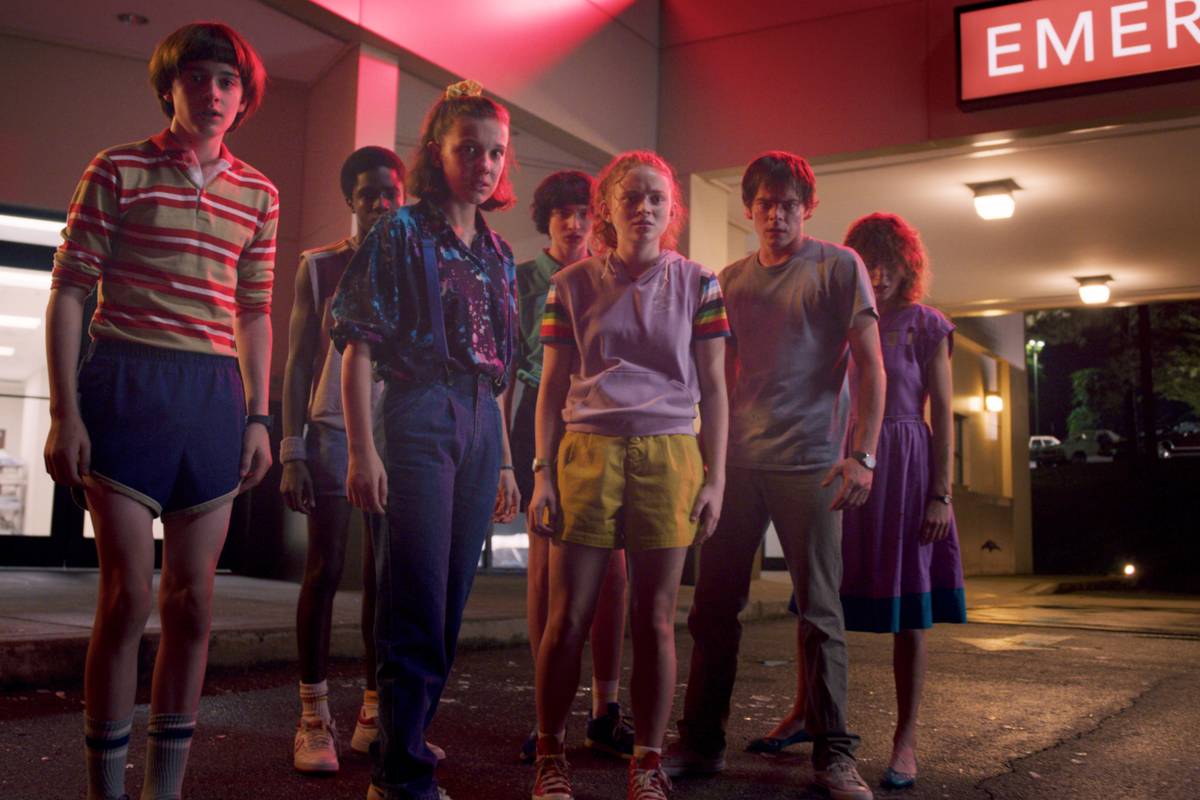
The developers have leaned into the “coming-of-age” drama that defines the genre. By choosing between archetypes like the Goth, the Jock, or the Nerd, you are engaging with a legacy of storytelling that dates back to the earliest https://en.wikipedia.org/wiki/Role-playing_game pioneers. These characters aren’t just skins; they represent different ways to interact with the terrifying world Jetebra has built.
The Power of Archetypal Storytelling
In this Horror RPG, your choice of character dictates your entire survival strategy. The Nerd might excel at deciphering ancient texts or fixing machinery, while the Jock provides the raw physical power needed to hold back the encroaching shadows. This system mirrors the ensemble casts of 80s cinema, where every member of the group is essential for the collective survival of the party.
The game also introduces a layer of character customization that allows you to make these archetypes your own. With various skins and custom cards, no two versions of the “Goth” character will play exactly the same. This depth is reminiscent of the complex skill trees found in Disco Elysium, where your internal personality traits are just as important as your external actions.
Beyond the stats, the game encourages a level of role-play rarely seen in multiplayer board games. You aren’t just moving a piece; you are embodying a teenager in over their head. This emotional resonance is what keeps players coming back to the board night after night, even after a devastating defeat at the hands of a Boss monster.
Mechanical Depth: Stranger Things Meets Disco Elysium
The brilliance of this Horror RPG lies in its refusal to follow a linear path. While most games in this category focus on combat, Board Game Society focuses on the “roll of the dice.” This brings a level of unpredictability that mimics the chaos of a real tabletop session. You never know if your next move will uncover a hidden crystal or trigger a trap that ends your run.
The influence of Disco Elysium is most apparent in the game’s narrative delivery. While it doesn’t feature 1.2 million words of dialogue, it utilizes a similar “inner voice” and environmental storytelling method. Every item you find in Timber Falls has a history, and every monster you encounter has a reason for being there that ties back to the town’s dark secrets.
By blending these two titans of media, Jetebra Games has created a hybrid that feels entirely new. You get the fast-paced, high-stakes action of a monster hunt combined with the slow-burn psychological dread of a supernatural mystery. It is a balancing act that few developers manage to stick, but here it feels natural and terrifying.
Expert Take: The Evolution of Digital Tabletop Mechanics
Industry analysts have noted a significant shift in how players consume Horror RPG content. According to recent data, games that incorporate “procedural generation”—like Board Game Society—see a 40% higher retention rate than static narrative games. By ensuring that the forest of Timber Falls changes with every play, the developers have created a “forever game” that defies the typical one-and-done nature of indie horror.
Furthermore, the integration of the “Friends Pass” is a strategic masterstroke. This model, popularized by titles like It Takes Two, effectively doubles the player base overnight. It turns a $15 investment into a social event, lowering the barrier to entry and creating a self-sustaining community of “monster hunters.” This is the new gold standard for indie multiplayer distribution.
You can find more about the cultural impact of these gaming trends at https://brightcelebrity.com/, where we track the intersection of entertainment and digital lifestyle. The move toward “social horror” is not just a fad; it is a response to a world that increasingly craves shared digital experiences that feel tangible and high-stakes.
Data Analysis: Board Game Society vs. The Competition
To understand why this Horror RPG is dominating the Steam charts, we must look at the numbers. The following table compares the core features of Board Game Society against traditional entries in the genre to highlight its unique value proposition.
| Feature | Board Game Society | Standard Indie RPG | Triple-A Horror |
|---|---|---|---|
| Multiplayer Model | Friends Pass (Free) | Paid Per User | Subscription/Paid |
| Visual Style | 80s VHS Aesthetic | Pixel Art | Photorealistic |
| Progression | Procedural Board | Linear Leveling | Open World |
| Game Modes | PvE and PvP | Single Player | Narrative Only |
As the data suggests, the inclusion of both PvE and PvP elements sets this title apart. Most horror games force you to work together or play alone. In Timber Falls, you are working toward a common goal, but only one player can truly win. This creates a “frenemy” dynamic that perfectly captures the competitive spirit of actual board games.
This competitive edge adds a layer of replayability that is often missing from story-heavy RPGs. You aren’t just trying to beat the game; you are trying to outsmart your friends. Whether you’re stealing loot or sabotaging their movement, the PvP aspect ensures that every session is filled with laughter and betrayal in equal measure.

Nostalgia as a Weapon: The 80s VHS Aesthetic
The visual identity of this Horror RPG is perhaps its most striking feature. Jetebra Games didn’t just slap a grain filter on the screen; they recreated the entire experience of watching a low-budget horror movie on a worn-out cassette. The colors are slightly desaturated, the edges are soft, and the sound design features that distinct magnetic tape hiss.
This aesthetic choice serves a dual purpose. First, it targets the massive demographic of gamers who grew up in that era or have become obsessed with it through shows like Stranger Things. Second, it masks the technical limitations of an indie budget by turning them into a stylistic strength. It is a masterclass in creative direction.
By placing the game on a literal “physical” board, the developers also tap into the tactile memory of childhood games. You see the dice bounce, you see the character miniatures move, and you see the cards flip. This physical interaction in a digital space creates a sense of groundedness that enhances the horror. When a monster appears on the board, it feels like it has invaded your safe space.
By The Numbers: The Indie Horror Boom
Indie horror has seen a meteoric rise on platforms like Steam over the last five years. Recent reports indicate that “Retro Horror” tags have seen a 150% increase in search volume since 2022. This is largely attributed to the “Lethal Company effect,” where low-fidelity graphics are used to enhance atmospheric dread rather than detract from it.
Board Game Society is positioned to capitalize on this trend perfectly. With its $15 price point and 10% launch discount, it hits the “impulse buy” sweet spot for most PC gamers. When you factor in that the Friends Pass effectively cuts that price in half for a duo, the value proposition becomes impossible for genre fans to ignore. It is a textbook example of how to launch a niche title in a crowded market.
The procedural elements also ensure that the game remains relevant on streaming platforms like Twitch. Streamers love games where “anything can happen,” and the dice-based mechanics of this Horror RPG provide endless opportunities for dramatic failures and clutch victories. This organic marketing is worth more than any traditional ad campaign could ever buy.
Frequently Asked Questions
Is Board Game Society actually free to play?
The main game is a paid title, typically retailing for around $15. However, there is a “Friends Pass” version available on Steam that allows a second player to join a host’s game for free, making it a highly cost-effective option for groups.
What makes this game similar to Disco Elysium?
The game features deep, character-driven narratives and skill checks that rely on dice rolls. Like Disco Elysium, your character’s internal traits and archetypes heavily influence how you interact with the world and the success of your actions.
Can I play this game solo or is it multiplayer only?
While the game shines in its multiplayer PvE and PvP modes, it is fully playable as a single-player experience. You can navigate Timber Falls alone, though the difficulty scaling makes the cooperative (and competitive) elements the recommended way to play.
The Future of Indie Horror RPG Gaming
As we look toward the future, it is clear that Board Game Society is just the beginning of a new wave of experimental titles. The success of this Horror RPG proves that there is a massive appetite for games that prioritize atmosphere and social interaction over raw graphical power. You no longer need a multimillion-dollar budget to create a world that haunts players’ dreams.
The town of Timber Falls is likely to grow as Jetebra Games has already promised regularly occurring events and new levels. This live-service approach to an indie board game is an ambitious move that could see the community thriving for years to come. If they continue to listen to player feedback and expand the lore, we might be looking at the next great horror franchise.
In the end, the Horror RPG genre is about more than just jumpscares; it is about the stories we tell when the lights are low and the stakes are high. Whether you are racing to defeat the Boss or betraying your friends for a hidden crystal, Board Game Society offers a playground of terror that is not to be missed. Grab your dice, fire up Steam, and see if you have what it takes to survive the night.
More Like This
For more updates, check out our latest entertainment and sports news.