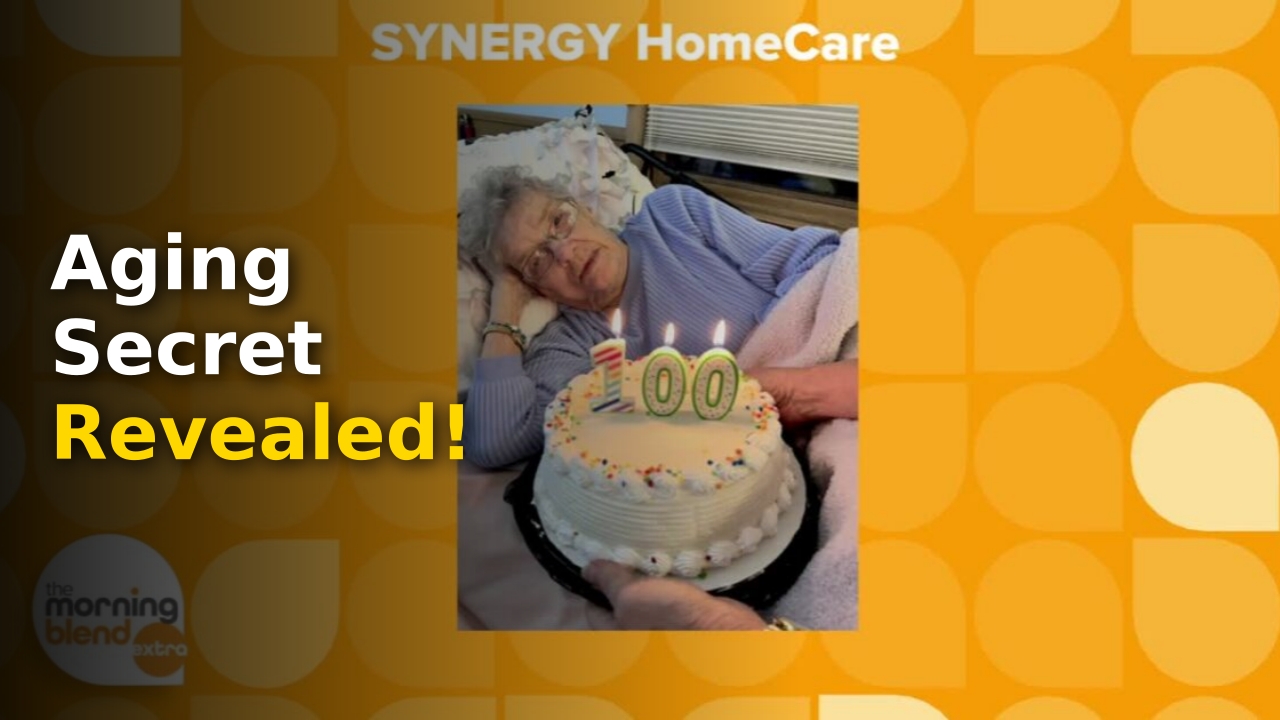
HomeCare is the secret weapon you never knew existed, providing the essential support needed to help seniors maintain their independence right where they belong—at home. Many families mistakenly assume that moving to an assisted living facility is an unavoidable reality as loved ones age, but that is simply not the truth.
You have the power to redefine the aging process by leveraging professional resources designed to keep your family members comfortable, safe, and empowered. By understanding your rights and the available options early, you can avoid the high-stress environment of an emergency transition, ensuring your loved ones remain in their own homes for as long as possible.
Mastering HomeCare Independence Tactics
The concept of aging in place is gaining massive traction across the United States as more families reject the one-size-fits-all institutional model. At the heart of this shift is Ruth Busalacchi, the owner and president of SYNERGY HomeCare, who has dedicated her career to providing personal assistants and specialized caregivers. These professionals handle everything from daily grocery shopping and appointment coordination to complex personal care, allowing seniors to live with dignity.
When you investigate the landscape of senior support, you quickly realize that the barrier to staying home is often a lack of information rather than a lack of resources. Many people feel overwhelmed by the legal complexities surrounding Medicaid, elder laws, and hospice care coverage. Navigating these systems requires proactive planning, which is exactly why experts suggest consulting professionals before a crisis strikes.
The role of a personal assistant in the home is highly versatile, moving far beyond simple housekeeping. They serve as companions, advocates, and safety monitors who identify potential risks within the household before they cause an accident. This level of personalized, one-on-one attention is frequently missing in larger facilities, where staff are stretched thin across many residents.
Proactive care planning also involves understanding how to leverage existing insurance and government benefits to offset costs. Many individuals leave thousands of dollars in potential support on the table simply because they did not know which forms to file or which services were covered under their specific plan. By taking control of the logistics now, you protect your family from future financial headaches and emotional exhaustion.
For those looking for more comprehensive details on how high-profile figures manage their family caregiving logistics, you can visit this resource for industry insights that highlight how quality care remains a priority for everyone, regardless of background. The standard of care you deserve is accessible if you know the right questions to ask.
Effective aging strategies also include regular home safety assessments, which are critical for preventing falls and other common household injuries. Simple modifications, such as better lighting and strategic furniture placement, make a profound difference in a senior’s quality of life. These small, low-cost investments are often the deciding factor in whether a senior can continue to live independently or must move to a more restrictive environment.
Core Pillars of Support
- Personal Assistance: Customized aid for shopping, errands, and meal prep.
- Safety Assessment: Identifying and eliminating physical risks in the home environment.
- Legal Advocacy: Understanding elder law and Medicaid qualification requirements.
- Respite Care: Essential breaks for family caregivers to prevent burnout.
- End of Life Support: Compassionate care focusing on comfort and emotional well-being.
Comparative Financial Planning Metrics
When you evaluate the costs of aging in place versus moving to a residential facility, the financial breakdown often surprises many families. Residential care facilities can cost upwards of $5,000 to $8,000 per month in states like Wisconsin, whereas flexible in-home care allows you to pay only for the hours and services you truly need. According to data from the major news outlets, the demand for specialized in-home care continues to outpace traditional models as the population ages.
| Service Type | Estimated Cost Per Month | Benefit Level |
|---|---|---|
| Basic In-Home Assistance | $1,200 – $2,500 | High Independence |
| Full-Time Home Care | $4,000 – $6,000 | Comprehensive Support |
| Assisted Living Facility | $5,500+ | Institutional Setting |
As you review these numbers, remember that home equity is often your biggest asset. Staying in your home preserves your property value and provides a sense of continuity that is impossible to replicate in a rental-style room at a facility. Protecting your long-term assets while ensuring you have high-quality care is a delicate balance, but it is entirely manageable with the right professional team by your side.
The financial impact of Medicaid planning cannot be overstated. If you wait until a medical emergency occurs, you may lose the ability to protect your assets according to federal guidelines. Engaging with experts who understand the intersection of Wisconsin state laws and federal requirements is your best safeguard against unnecessary depletion of your life savings.
Consider the total value of your home, not just as a place to live, but as a long-term care funding vehicle. With the right care strategy, you can avoid tapping into these reserves prematurely. Many seniors find that the transition to professional in-home care actually creates a sustainable model that protects their estate for future generations while maximizing their current comfort.
Always verify the credentials of any home care agency you consider. Licenses, certifications, and years of service in the community are the primary indicators of a reliable partner. In cities like Greenfield, WI, local reputations matter immensely, so check reviews and request consultations before signing any agreements.
Take advantage of free consultations when they are offered. Many agencies provide a free resource and safety assessment as a way to demonstrate their value, and they often include small but practical gifts, such as a free night light, to help improve home safety immediately. These small tokens represent a commitment to the tangible well-being of the client.

Plan your budget with a 10% buffer for unexpected medical costs. This prevents minor health setbacks from becoming major financial crises. It also ensures that your HomeCare arrangements remain consistent even if your health needs increase over time.
Essential Future-Proofing Steps
You need to audit your current living space today to identify any potential hazards. This includes checking for loose rugs, inadequate lighting in hallways, and the accessibility of your bathroom. Even if you feel perfectly healthy now, these preparations serve as a foundation for a safer future.
Establish a clear communication channel with your family regarding your wishes. Many seniors struggle because they feel their families are making decisions for them without their input. By being the one to initiate the conversation about your care preferences, you maintain your agency and ensure that your voice is heard throughout the entire process.
Schedule meetings with local elder care professionals in Greenfield, WI to understand the regional specificities of care. Each state has unique programs that can supplement your care, and missing out on these local nuances is a common mistake. Local expertise is the bridge between a good plan and a perfect plan.
Maintain your social connections as part of your overall care strategy. Loneliness is a significant health risk for seniors, and professional caregivers often act as the missing link, helping seniors stay connected to their community through social outings and companionship. Do not underestimate the importance of human interaction in your long-term wellness plan.
Keep a detailed medical journal. Tracking your appointments, medication schedules, and symptoms allows you to provide your care team with accurate information. This consistency reduces the risk of medical errors and makes every doctor’s visit more efficient and effective.
Lastly, always remain open to adjusting your plan. As your needs change, your services should evolve with you. Flexibility is the hallmark of a successful long-term aging strategy, so view your care plan as a living document that grows alongside you.
The Final Word on Staying Home
You hold the keys to your future, and that future looks much brighter when you choose to stay in the environment you love. HomeCare is not just a service—it is a commitment to maintaining your lifestyle, your privacy, and your autonomy. By taking action now, you move away from the anxiety of the unknown and into a phase of life characterized by stability and personalized support.
Whether you are exploring options for yourself or a loved one, the resources available through teams like those at SYNERGY HomeCare provide the professional scaffolding you need to thrive. Do not let the prospect of aging feel like a looming deadline; instead, treat it as a new project where you are the project manager, setting the terms and securing your comfort. Take the step to book that initial safety assessment, utilize the resources at your disposal, and claim the peace of mind you have worked your entire life to achieve.
More Like This
For more updates, check out our latest entertainment and sports news.