Key Takeaways
| Neil McCauley sacrifices his 30-second rule to kill Waingro. |
| The final hand-hold symbolizes a mutual recognition of shared solitude. |
| Lauren’s suicide attempt exposes Vincent Hanna’s emotional detachment. |
| McCauley’s death marks the inevitable end of his professional code. |
If you have ever wondered why a cold-blooded professional like Neil McCauley would jeopardize his freedom for a personal vendetta, you are not alone in dissecting the Heat ending explained phenomenon. Michael Mann’s 1995 crime epic remains a masterpiece of psychological tension, where the protagonist finally shatters his own golden rule: ‘Allow nothing to be in your life that you cannot walk out on in 30 seconds flat, if you spot the heat around the corner.’
For millions of viewers, the final act of Heat is not just a standard shootout; it is a profound study of fate and character contradiction. By choosing to settle his score with Waingro, Robert De Niro’s character steps off his path of survival and into the crosshairs of Al Pacino’s Vincent Hanna. Understanding this shift requires looking past the bullets to the underlying motivations of these two men who are essentially reflections of one another.
The Psychology of Heat Ending Explained
The decision to hunt down Waingro represents the ultimate collapse of Neil McCauley’s professional mask. Throughout the film, Neil operates with surgical precision, viewing human connection as a liability that threatens his survival. However, the presence of Waingro, the catalyst for the death of his crew members like Trejo, forces Neil into an emotional reaction that he had previously suppressed. It is an act of closure rather than tactical brilliance.
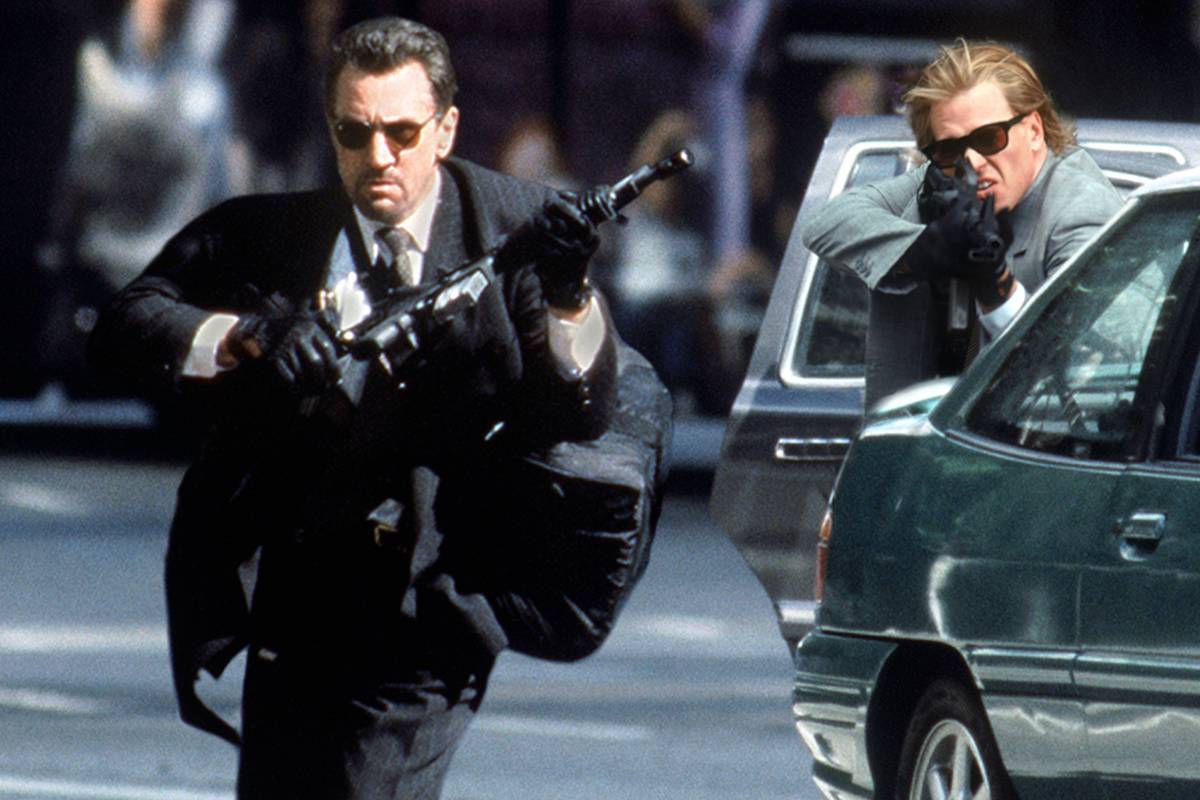
When Neil chooses to loop back to the hotel instead of heading to the airfield with Eady, he is essentially choosing vengeance over his own life. This moment of hesitation at the airport entrance is arguably one of the most powerful sequences in 1990s cinema. By the time he spots Hanna, his fate is sealed. He has allowed the ‘heat’ to manifest not just in the form of a detective, but in his own inability to walk away from his past.
The Duality of Hanna and McCauley
Both men share a rare, almost existential commitment to their work. Vincent Hanna confesses in the iconic coffee shop scene that he is incapable of doing anything else, a sentiment mirrored by Neil. They are two sides of the same coin: the hunter and the hunted, bound by a profession that isolates them from society. Their final encounter is less about a victory for the law and more about the final closure of a professional rivalry that both men respected.
Statistical Breakdown of the Final Heist
| Category | Detail |
|---|---|
| Director | Michael Mann |
| Key Character Motivation | Personal Closure/Revenge |
| Runtime | 170 Minutes |
| Primary Conflict | Professionalism vs. Personal Ties |
Background and The Cost of Obsession
To fully grasp the tragedy of Heat, one must look at the domestic chaos surrounding Vincent Hanna. The subplot involving his stepdaughter, Lauren, serves as a dark mirror to the professional conflict. Hanna’s inability to balance his intense obsession with catching criminals with his family life leads to a devastating suicide attempt, highlighting the total emptiness that his career provides.
While Neil loses his life, Vincent is left to grapple with the aftermath of his own choices. Expert film critics, such as those at IMDb, often point out that the lack of dialogue in the final scene elevates the tension to a Shakespearean level. The hand-hold shared by the two men serves as a silent admission: they both knew that in their world, there is only one way to truly exit the game. They were both trapped by their own singular focus.
People Also Ask
Why does Neil McCauley go back for Waingro?
Neil goes back because Waingro represents a loose end that jeopardized his entire crew. Despite his ’30-second rule,’ Neil’s deep sense of responsibility and anger over the death of his colleagues leads him to seek personal closure.
What is the meaning of the hand-hold at the end of Heat?
The hand-hold symbolizes a final moment of mutual respect between two men who recognized they were equals in their respective crafts. It acknowledges that their conflict was strictly professional and that they both understood the inevitable end of their paths.
How does the Heat ending define the film’s legacy?
The ending cements the film as a grounded, character-driven thriller rather than a standard action movie. It leaves viewers with an ambiguous, somber tone that continues to drive critical discussion decades later.
Why does Vincent Hanna lose his cool during the movie?
Vincent loses his cool primarily when he discovers his stepdaughter Lauren in the bathtub. This event forces him to confront the emotional wreckage caused by his total obsession with his work at the LAPD.
Final Thoughts on the Legacy of Heat
The lasting power of this film lies in its refusal to offer a clear moral victory. By exploring the Heat ending explained through the lens of human fallibility, Michael Mann created a narrative that transcends the crime genre. Neil McCauley was a man who lived by his own rigid code, yet his desire for vengeance against Waingro proved that even the most disciplined professional cannot escape his own nature. As the lights fade on the airport runway, the audience is left not with a sense of triumph, but with a lingering sadness for a rivalry that ended far too soon.
More Like This
For more updates, check out our latest entertainment and sports news.