⚡ Key Takeaways
- Klay Thompson describes the Miami Heat environment as “militaristic” compared to the relaxed South Beach stereotype.
- The four-time champion prioritizes grueling fitness programs over leisurely lifestyle perks in his career second act.
- Pat Riley’s legendary conditioning standards were a primary recruitment factor for the veteran sharpshooter.
- Thompson seeks a deep playoff run, believing the Heat’s structure maximizes veteran performance and longevity.
- The move marks a departure from the Golden State Warriors’ “joy-based” system to a discipline-first philosophy.
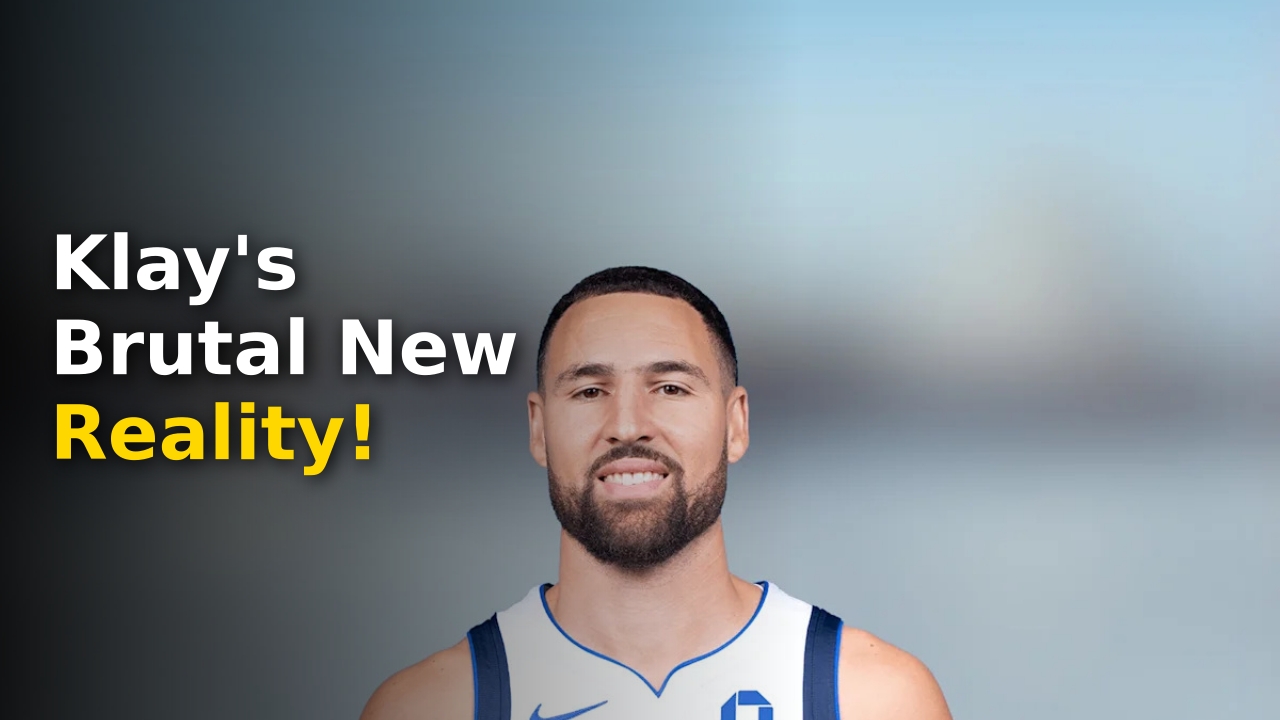
Heat Culture is the defining ethos of the Miami franchise, and it has just gained its newest and perhaps most high-profile convert in Klay Thompson. You might have expected a veteran of his stature to seek the comfort of palm trees and pina coladas, but Thompson is doing the exact opposite. He is diving headfirst into a system known for its brutal efficiency and unforgiving physical standards. This isn’t just a team change; it is a total physiological and psychological transformation for one of the greatest shooters in NBA history.
The basketball world was stunned when the former Golden State Warriors legend revealed the true nature of his attraction to Miami. Speaking via ESPN South Florida, Thompson debunked the myth that South Beach is a vacation destination for aging stars. He characterized the organization’s daily operations as “militaristic,” emphasizing that the fitness programs are designed to push players to their absolute breaking point. For a player who has spent the last decade in the fluid, movement-heavy system of Steve Kerr, this pivot to Riley’s rigid discipline is a calculated gamble on his own immortality.
Thompson’s decision reflects a growing trend among elite athletes who realize that as they age, the only way to maintain a high level of play is through extreme conditioning. He cited the franchise’s track record of revitalizing the careers of players who left their original teams as a major influence. By embracing the Heat Culture, Thompson is signaling that he is not ready for a victory lap. Instead, he is looking for a battle-hardened environment that can facilitate one more deep championship run before he hangs up his sneakers.
The Militaristic Reality of Heat Culture
When people speak about Heat Culture, they often treat it as a nebulous concept, but for the players inside the facility, it is a quantifiable set of rules. Under the watchful eye of Pat Riley and Erik Spoelstra, every player is subjected to body fat tests every single Monday. If a player exceeds their prescribed weight, they are not allowed to practice, and they certainly do not play. This level of accountability is what Thompson referred to as “militaristic,” a term that resonates with the high-stakes discipline of elite special forces.
The conditioning drills in Miami are the stuff of NBA legend. The “Heat Test,” a series of timed sprints that even the most athletic guards fear, is a rite of passage for every newcomer. For Klay Thompson, a player who has survived both an ACL tear and a ruptured Achilles, these physical demands are a way to prove his durability. He isn’t looking for a team that will manage his load; he is looking for a team that will harden his body against the rigors of the postseason. This commitment to physical excellence is why the Heat consistently overperform relative to their talent level on paper.
Historically, the Heat have never shied away from being the “villains” or the “workhorses” of the league. From the days of Alonzo Mourning and Tim Hardaway to the Dwyane Wade era and now the Jimmy Butler regime, the message has remained consistent. It is about a relentless pursuit of winning through superior preparation. Thompson noted that he was “honestly attracted” to this level of expectation. In a league where many stars demand special treatment, Thompson is asking to be treated like a soldier in Riley’s army, according to reports from ESPN.
The impact of this environment on veteran players cannot be overstated. We have seen players like Kyle Lowry, P.J. Tucker, and even Kevin Love transform their bodies and extend their utility within this system. Thompson is looking at that blueprint and seeing his own path forward. He knows that his shooting will always be elite, but in Miami, he will be expected to defend at a level he hasn’t reached since his pre-injury days. The militaristic approach ensures that there are no weak links on the floor, especially when the game slows down in the fourth quarter.

The Psychology of the Transition
Moving from the “Joy” of Golden State to the “Grind” of Miami requires a massive shift in mindset. In San Francisco, the culture was built on freedom, creativity, and the “Splash Brothers” chemistry. In Miami, the culture is built on structure, hierarchy, and defensive grit. Klay Thompson is essentially trading his artist’s brush for a bayonet. This psychological shift is often what separates those who succeed in Miami from those who wash out within a single season.
- Daily Accountability: Every practice is filmed, and every mistake is highlighted in film sessions that can last hours.
- Fitness Seniority: Respect in the Heat locker room is earned through the weight room, not just the box score.
- Defensive Identity: You cannot play for Spoelstra if you do not compete on the defensive end, regardless of your shooting percentage.
- The “Riley Way”: A total commitment to the organization’s vision of professional excellence.
By The Numbers: The Heat Conditioning Standard
To understand why Thompson uses terms like “militaristic,” one must look at the specific data points that the Heat organization tracks. Unlike many other NBA franchises that allow players to play their way into shape during the regular season, Miami demands that players arrive at training camp in peak physical condition. This data-driven approach to fitness is designed to reduce soft-tissue injuries and ensure that the team has more energy in the final minutes of a game than their opponents.
| Metric Category | Miami Heat Standard | NBA Average Estimate |
|---|---|---|
| Body Fat Percentage (Guards) | 6% – 9% | 10% – 13% |
| Mandatory Weigh-ins | Weekly (Monday Morning) | Monthly/Occasional |
| Practice Intensity | 100% Game Speed | 70% – 85% (Load Managed) |
| Pre-Season Conditioning | The “Riley Test” (Timeds) | General Drills |
The table above illustrates the stark contrast between Miami’s expectations and the rest of the league. For Klay Thompson, these numbers represent a challenge. After multiple leg surgeries, maintaining a body fat percentage under 9% requires a diet and exercise regimen that is nearly impossible for the average person to sustain. However, this is exactly what Thompson signed up for. He wants the pressure of the scale to translate into the pressure of the playoff stage.
Furthermore, the Heat’s reliance on high-intensity practices means that Thompson will likely be in better “game shape” earlier in the season than he was during his final years in San Francisco. The Warriors’ philosophy often involved resting veterans to preserve them for April. In Miami, the philosophy is that you build the endurance for April starting in September. It is a fundamental difference in how to approach the 82-game marathon of the NBA.
The Historical Context of Heat Reinvention
The Miami Heat have a long and storied history of taking veterans who seemed to be on the decline and turning them back into productive, high-level starters. This is the “experience” that Klay Thompson specifically mentioned when he spoke about players who left their franchises to find new life in Florida. The most famous example in recent years is Jimmy Butler, who was viewed as a locker-room disruption in Minnesota and Philadelphia before finding his spiritual home in Miami.
Butler’s ascent to a perennial playoff hero is the blueprint Thompson hopes to follow. But the history goes back further. Consider Ray Allen, another legendary shooter who left a championship core in Boston to join Miami. While the circumstances were different, Allen found that the Heat’s structure allowed him to maintain his fitness into his late 30s, eventually hitting one of the greatest shots in NBA history in the 2013 Finals. Klay Thompson sees himself in that lineage—a shooter who uses discipline to defy the aging curve.
Expert Take: Sports analysts suggest that Thompson’s move is less about the money and more about the “Riley Effect.” Pat Riley has always sought out players with a “chip on their shoulder.” After the way things ended for Thompson at Golden State—moving to the bench and facing constant questions about his decline—he fits the profile of a Riley recruit perfectly. The Heat don’t just want your talent; they want your resentment. They want to turn that frustration into defensive intensity and late-game execution. This psychological profiling is a cornerstone of how the franchise builds its rosters.
The cultural footprint of the team was established in 1995 when Riley arrived and famously declared that he wanted to build a team that was “harder working, better conditioned, and more professional” than anyone else. Since then, the Heat have missed the playoffs only a handful of times and have reached the Finals seven times. For a winner like Thompson, that consistency is more valuable than any marketing deal or lifestyle perk. He is joining a lineage of excellence that stretches back decades at brightcelebrity.com and beyond.
Key Veterans Who Thrived in Miami
- Ray Allen: Redefined the role of the veteran sharpshooter and maintained elite fitness well into his late 30s.
- P.J. Tucker: Became the defensive heartbeat of a team that reached the Conference Finals after being cast off by other contenders.
- James Johnson: Underwent a massive physical transformation, losing 30 pounds and becoming a versatile playmaking forward.
- Shane Battier: Used his high basketball IQ and Miami’s defensive structure to win back-to-back titles as a crucial role player.
The Tactical Fit: Klay in Spoelstra’s Machine
Beyond the fitness and the culture, there is the question of how Klay Thompson actually fits onto the basketball court. Erik Spoelstra is widely regarded as one of the best tactical minds in the league, known for his ability to maximize the strengths of his players while hiding their weaknesses. For Thompson, this means playing in an offense that values floor spacing and “gravity” more than almost any other system. With Jimmy Butler and Bam Adebayo operating in the paint, Thompson will have more open looks than he has seen in years.
Defensively, the Heat employ a complex switching system that requires constant communication and high-level conditioning. This is where the “militaristic” fitness pays off. Thompson will be expected to guard multiple positions, a task that requires lateral quickness he has been working to regain. By being in the best shape of his life, Thompson can once again become the two-way force that made him a perennial All-Star. The Heat don’t need him to be a primary creator; they need him to be a lethal finisher and a lockdown defender.
The synergy between Thompson and Adebayo is particularly intriguing. Adebayo is one of the best passing big men in the league, and his ability to find shooters coming off screens is a perfect match for Thompson’s off-ball movement. In many ways, the Heat are building a more disciplined version of the Warriors’ motion offense, but with a much heavier emphasis on physical physicality. It is a marriage of shooting brilliance and blue-collar toughness that could define the Eastern Conference for the next several seasons.
Frequently Asked Questions
What did Klay Thompson mean by “militaristic”?
Thompson used the term to describe the intense discipline, strict fitness requirements, and high-pressure environment of the Miami Heat organization. It refers to the team’s uncompromising approach to conditioning and the daily accountability expected of every player on the roster.
How does Heat Culture differ from other NBA teams?
While most NBA teams focus on player-led cultures and load management, the Heat prioritize organizational discipline. This includes mandatory weekly body fat tests, extremely high-intensity practices, and a “no excuses” policy regarding fitness and defensive effort.
Why did Klay Thompson choose the Miami Heat?
Thompson chose the Heat because he wanted to be part of a winning environment that would challenge him physically and mentally. He specifically cited the franchise’s history of helping veteran players maintain their level of play and its consistent record of deep playoff runs.
What are the fitness requirements for Miami Heat players?
Miami Heat players are required to maintain specific body fat percentages, typically between 6% and 9% for guards. They must undergo weekly weigh-ins and pass a rigorous timed conditioning test before being allowed to participate in training camp or games.
The Future of Heat Culture and Thompson’s Legacy
The arrival of Klay Thompson in Miami is the ultimate litmus test for the enduring power of Heat Culture. If a 34-year-old veteran with a significant injury history can find a new peak in this system, it will cement Pat Riley’s philosophy as the gold standard for NBA longevity. For Thompson, this is about more than just basketball; it’s about proving that his best days aren’t behind him, but simply required a more disciplined container to manifest.
As the season progresses, all eyes will be on the scale and the box score. Will the militaristic drills translate into the same “Splash Brother” magic we saw for a decade in Oakland? Or will the physical toll of the Heat’s system be too much for a veteran body? Given Thompson’s track record of resilience and his obvious excitement for this new challenge, the smart money is on a resurgence. He didn’t come to Miami for the pina coladas; he came for the grind. And in the NBA, those who embrace the grind are usually the ones left standing when the confetti falls.
Ultimately, the story of Klay Thompson and the Miami Heat is a reminder that elite competition requires elite sacrifice. By choosing the hardest path available to him, Thompson has already won the respect of his new teammates and the South Florida faithful. Now, the only thing left to do is lace up the shoes, pass the fitness test, and show the world that the flame of Heat Culture burns brighter than ever with a legendary marksman in the fold.
More Like This
For more updates, check out our latest entertainment and sports news.