Key Takeaways
| Hawaiʻi breadfruit production remains on a long-term upward trajectory despite recent seasonal climate volatility. |
| ʻUlu is being reclaimed as a primary food security staple across the Hawaiian Islands to reduce import reliance. |
| Stormy weather patterns created a short-term dip in harvest yields, complicating current supply chains. |
| Commercial farming techniques are evolving to stabilize yields and ensure consistent market availability for consumers. |
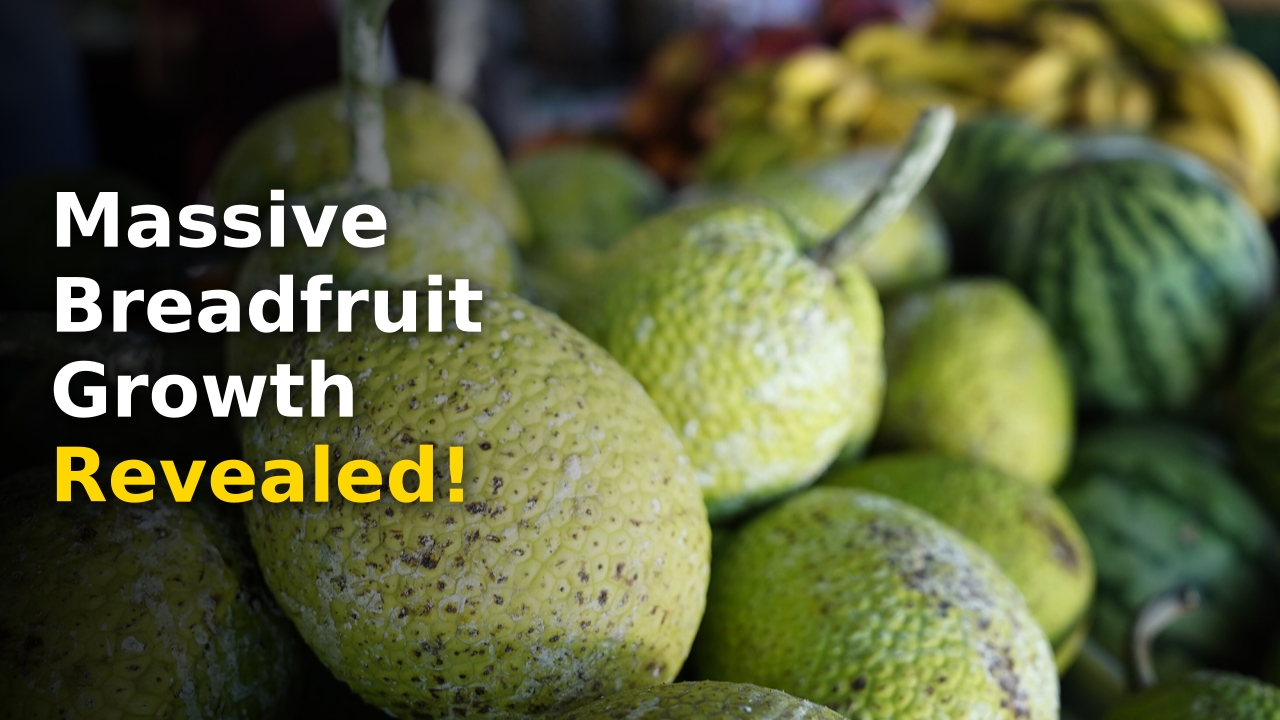
Hawaiʻi breadfruit production is officially entering a new renaissance, proving that this ancient Pacific crop is far more than just a cultural relic. You might be surprised to learn that what was once a secondary food source is rapidly becoming the cornerstone of local food security strategies. While storms have recently battered the islands and forced a momentary cooling in harvest numbers, the underlying trend remains undeniably positive. For those watching the agricultural landscape, the return of ʻulu to the modern dinner plate is no longer a niche movement; it is a structural shift in the local economy.
As you navigate the aisles of local markets, you are increasingly likely to find this starchy, versatile fruit featured in high-end culinary dishes and pantry staples alike. The resilience of the trees themselves mirrors the persistence of the growers who are working to scale output. Though this year brought turbulent weather, the industry is betting on a broader, greener future. By leveraging both traditional knowledge and modern sustainable farming innovations, Hawaiʻi is positioning itself to make breadfruit a dominant force in the regional food system once again.
Understanding Hawaiʻi Breadfruit Production Dynamics
The current state of Hawaiʻi breadfruit production is a delicate balancing act between ecological challenges and soaring demand. Farmers across the islands are reporting that while tree health has remained robust, the unpredictable nature of recent tropical storms has forced a temporary correction in annual yields. Despite this, the total acreage dedicated to breadfruit is expanding, suggesting that producers are playing the long game. You can see this shift in the way local cooperatives are organizing to streamline distribution and post-harvest processing.
The shift is not merely about planting more trees, but about optimizing the harvest cycle to bypass the natural ebbs and flows that have historically characterized the fruit’s availability. By identifying specific high-yield cultivars, agricultural experts are helping farmers maximize their square footage. This systematic approach, as highlighted by Civil Beat’s recent environmental reporting, is creating a roadmap for a resilient agricultural future. 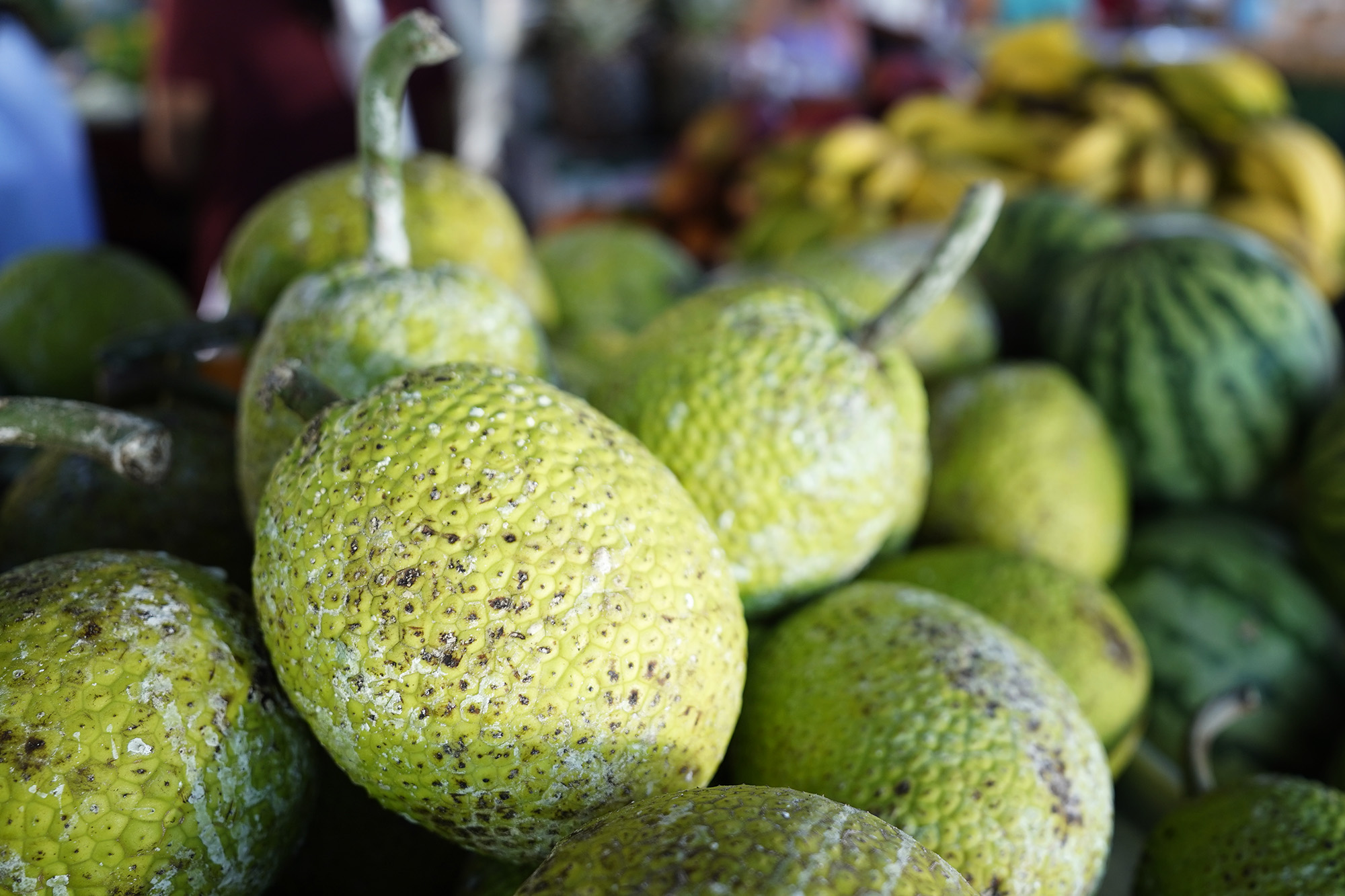
The Role of Cultivar Selection
Agricultural researchers are currently focusing on varieties that offer higher tolerance to wind and moisture fluctuations. By prioritizing genetic diversity, farmers are ensuring that even if one segment of the orchard suffers, the overall production capacity remains stabilized. This focus on variety is a significant departure from the monoculture practices often seen in mainland commodity farming.
Expanding Distribution Channels
Beyond the farm gate, the infrastructure for breadfruit processing is undergoing a massive upgrade. From mobile flour mills to standardized storage facilities, the supply chain is maturing rapidly. You are seeing a transition from artisanal, small-batch sales to consistent, large-scale supply contracts with local schools and hospital networks, solidifying the fruit’s place in the public diet.
Statistical Breakdown of Industry Growth
While weather has hindered short-term output, the historical data indicates that the industry is poised for significant expansion. The table below outlines the contrast between recent climatic interference and the forecasted growth trajectories for the coming decade, illustrating why experts remain bullish on the crop’s long-term commercial viability.
| Metric | 2023-2024 Trends | 2026-2030 Outlook |
|---|---|---|
| Total Harvested Volume | Minor Declining | Strong Growth |
| Market Demand | Record High | Increasing Adoption |
| Acreage Expansion | Moderate | Significant Increase |
Background: The Return of a Staple
Historically, the breadfruit tree was a fundamental element of the traditional Hawaiian ahupuaʻa system, providing reliable sustenance for centuries before the rise of imported goods. In recent decades, however, the reliance on external supply chains left the islands vulnerable to shipping disruptions. Today, the resurgence of Hawaiʻi breadfruit production serves as a direct response to this fragility. By integrating advanced food security solutions, leaders are effectively decoupling the local economy from its over-dependence on West Coast imports.
An expert take on the matter reveals that the current boom is backed by institutional investment, not just grassroots enthusiasm. Universities and state agencies have begun providing grants for irrigation systems that can withstand the increasingly severe weather cycles. This institutional support transforms the industry from a hobbyist endeavor into a professionalized, data-driven sector. As the trees reach maturity in newly established orchards, we can expect to see a stabilization in pricing that will make the product even more accessible to the average consumer.
Furthermore, the environmental benefits of breadfruit agroforestry cannot be overstated. Unlike seasonal row crops, these trees act as carbon sinks and help prevent topsoil erosion, which is a critical issue in the island’s steep volcanic topography. By focusing on perennials, producers are investing in a system that is naturally more resilient to the long-term impacts of climate change. This makes breadfruit a cornerstone for both economic and environmental sustainability in the region.
People Also Ask
Why is Hawaiʻi breadfruit production considered important for food security?
Breadfruit serves as a reliable, locally grown carbohydrate source that reduces the state’s heavy reliance on imported food products. This strengthens local economic stability and prepares the region for potential shipping supply chain interruptions.
What impact did recent stormy weather have on the local breadfruit supply?
The recent storms caused a temporary dip in seasonal harvest volumes due to tree stress and logistical challenges in orchard management. However, the overall long-term trend for the industry remains growth-oriented as trees continue to reach maturity.
How are farmers in Hawaiʻi mitigating weather risks for their crops?
Farmers are increasingly adopting advanced irrigation systems, utilizing wind-tolerant cultivars, and diversifying their orchard layouts. These strategies are designed to help the trees withstand, and quickly recover from, intense tropical weather events.
What is the current outlook for the breadfruit market in the Pacific?
The outlook is strongly positive as demand from restaurants, public institutions, and retail consumers continues to climb. Industry experts anticipate that expanded acreage and improved processing infrastructure will lead to a more consistent market supply over the next several years.
Future Trajectory and Final Thoughts
Looking ahead, the momentum behind Hawaiʻi breadfruit production appears unstoppable. As research continues to uncover the optimal processing methods for turning the raw fruit into flour, chips, and frozen commodities, the market will only broaden. For those participating in this transition, the reward is a more self-reliant, sustainable island community. While the road may include occasional weather-related bumps, the collective commitment to reviving this ancestral staple proves that breadfruit is once again a vital part of the Hawaiian future. With ongoing innovation and continued support from visionary leaders in sustainable agriculture, the industry will surely cement its role as a bedrock of regional commerce.
More Like This
For more updates, check out our latest entertainment and sports news.