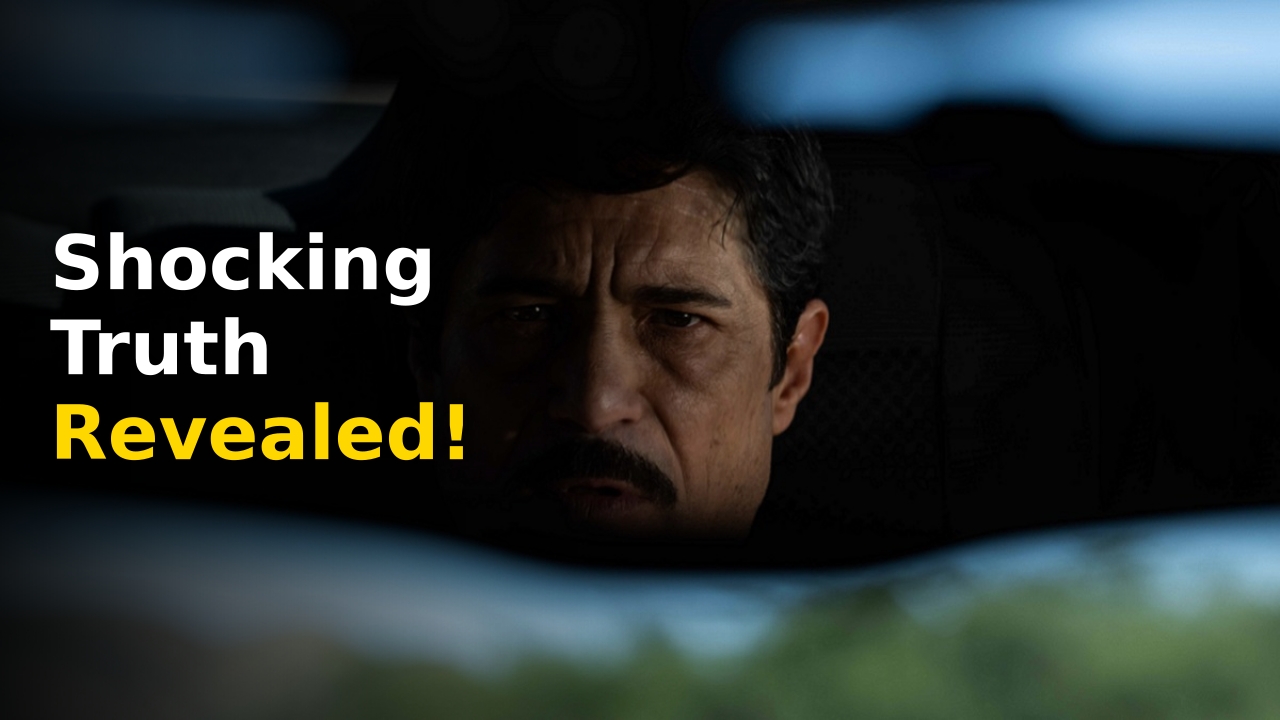
Héctor Kotsifakis has redefined the art of method acting in the latest Netflix hit, La Captura, by completely deconstructing the public image of Joaquín Guzmán Loera. You might think you know the story of the infamous cartel leader, but this deep dive reveals exactly how the actor stripped away the myth to find the man hiding in plain sight.
Instead of relying on heavy prosthetics or simple vocal impressions, the actor focused on the internal logic, the silence, and the piercing gaze of a man accustomed to total power. This article explores the grueling physical and psychological preparation that brought this complex, controversial performance to life on the streaming giant’s platform.
Mastering the Method: Héctor Kotsifakis Uncovered
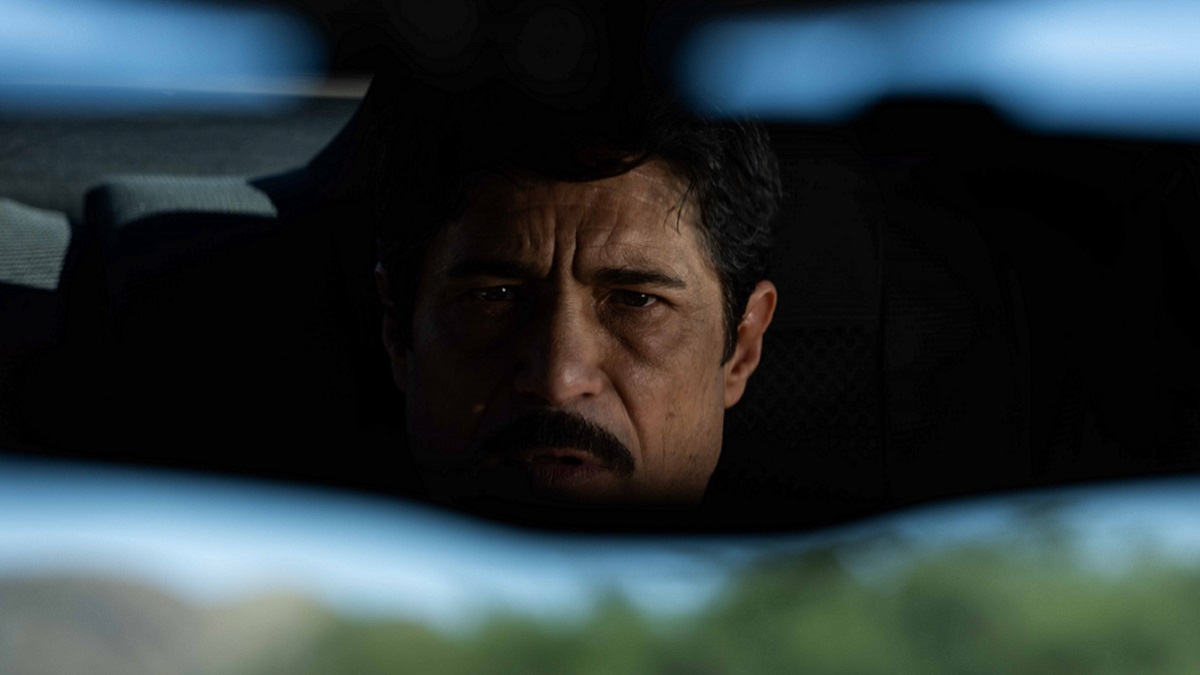
Stepping into the shoes of a character as notorious as Joaquín Guzmán Loera is a task most actors would fear, yet Héctor Kotsifakis approached the challenge with surgical precision. He deliberately avoided the common tropes found in mainstream narco-cinema, opting instead for a performance that focused on the character’s terrifyingly calm authority.
The actor dedicated months to studying the specific cadence of the Sinaloan dialect, listening to podcasts, and analyzing news reports to achieve an authentic delivery. This was not about imitation, but about embodying the environment that shaped the man. His collaboration with director Chava Cartas allowed for an organic flow, where the lines were often improvised to ensure the dialogue felt real rather than scripted.
One of the most profound realizations for the actor came through his discussions with experts who had direct contact with the prisoner. He discovered that the man was far more hermetic than the media portrayed, possessing an uncanny ability to negotiate without ever raising his voice. This level of control, paired with a hidden vulnerability, formed the backbone of his portrayal.
The physical transformation was equally deliberate, with the actor gaining weight over two months to match the visual presence of the character. However, he refused to obsess over exact physical replicas, believing that the way a person walks and interacts is far more telling than mere dress-up. He sought the truth of the man behind the bars, even if that truth was uncomfortable to witness.
For fans of character-driven drama, this performance stands as a masterclass in subtlety. You can find more insights on industry transitions and professional growth at Bright Celebrity, where the craft of acting is examined from every angle. The commitment shown here is rare in an era of CGI-heavy blockbusters.

The emotional apex of his performance was tied to the tragicomedy of the prisoner’s theater lessons. Learning that the subject had attempted to perform Don Juan Tenorio only to break down in tears after stage fright and mockery provided a bridge to his humanity. This moment of extreme, raw vulnerability was the key to unlocking the character’s layers for the screen.
Key Pillars of the Performance
- Psychological Depth: Analyzing the subject’s hermetic nature and negotiation tactics.
- Physicality: Adopting the specific walk and posture of a Sinaloan leader.
- Emotional Anchoring: Connecting with the character’s hidden vulnerabilities and past trauma.
- Collaborative Vision: Working closely with Chava Cartas to keep dialogue organic and neutral.
- Cultural Research: Immersion through regional podcasts and linguistic study to master the dialect.
Comparative Analysis of Narco-Cinema Evolution
The landscape of television and film centered on crime has undergone a drastic transformation over the last decade. While earlier portrayals focused on the glamour and power of the criminal underworld, current narratives are shifting toward the perspective of those who pursue justice. Héctor Kotsifakis notes that La Captura focuses on the police officers Carmona and Rosales, shifting the gaze away from glorification.
| Era / Feature | Old Narrative (2010s) | New Narrative (2026) |
|---|---|---|
| Central Character | The Cartel Kingpin | The Law Enforcement Agent |
| The Tone | Action & Glorification | Psychological & Institutional |
| Public Stance | Anti-hero focus | Questioning the System |
This shift requires a different kind of acting, one that does not need to dominate the screen with loudness but rather with a chilling, quiet presence. Alfonso Herrera and Noé Herrera serve as the moral center, while the antagonist acts as a mirror, forcing them to confront their own professional boundaries and the potential for corruption within their ranks. This is a story about the fragility of values under pressure.
By intentionally keeping the criminal character in the background, the production team creates an atmosphere of dread that is more effective than any shootout. It challenges you to ask yourself: if you were in their shoes, would you hold the line or break? This is the core dilemma that defines the cinematic experience of La Captura.
The Logistics of Intense Production
Filming in Chihuahua during the frigid month of November added an layer of real-world struggle to the performance. The production team constructed a life-sized replica of a tunnel within a railroad container, which was then submerged in an abandoned Olympic-sized swimming pool. This level of commitment to practical effects ensured the claustrophobia felt by the audience is genuine.
Héctor Kotsifakis recalls that the cold was so intense that actors could only stay in the water for minutes at a time. The technical crew wore wetsuits, but the lead actors had to bear the biting temperature to get the perfect take. These conditions forced a level of focus that is nearly impossible to fake in a studio setting, contributing to the visceral intensity of the final product.
Every detail, from the exact placement of dirt to the echoing sounds of the concrete tunnel, was crafted to pull the viewer into the reality of the situation. It was not just an acting challenge; it was an endurance test for everyone involved in the production. The result is a sequence that will likely be studied by filmmakers for its technical ambition and atmospheric delivery.
This dedication to authenticity extends to the dialogue, where the actor insisted on keeping things “neutral and organic.” By moving away from stylized, cinematic “tough guy” language, the film avoids becoming a caricature of itself. It is a testament to the fact that when production design and acting talent align, the results can be truly transformative for the genre.
The Future of Institutional Storytelling
The call to action provided by Héctor Kotsifakis is a plea to the public to reconsider the way we represent our institutions in media. He argues that by constantly portraying law enforcement as inherently corrupt, we are doing a disservice to the real individuals who risk their lives daily. He suggests that cinema should encourage the next generation to aspire toward protection rather than destruction.
This philosophy is woven into the DNA of La Captura, where the police officers are flawed, relatable humans rather than comic-book heroes or villains. They are grappling with a broken system and their own conscience. This complexity is what makes the show a standout in a saturated market, proving that viewers are hungry for content that respects their intelligence.
The role of Héctor Kotsifakis serves as the catalyst for this reflection. By playing the antagonist with a grounded, non-glorified approach, he allows the audience to focus on the protagonists’ struggle to maintain their morality in a high-stakes environment. It is a delicate balance, but one that has been executed with remarkable foresight and talent.
As audiences continue to consume content on Netflix, the demand for nuanced storytelling will only grow. Projects like this are setting a new standard for how we discuss systemic issues through the medium of entertainment. You are invited to join the conversation and see the project for yourself.
Final Reflections on Héctor Kotsifakis
In the final analysis, the portrayal by Héctor Kotsifakis is more than just a job; it is a profound exploration of human nature under extreme conditions. By stripping away the layers of public opinion and media-driven myths, the actor has provided a humanized, yet sobering look at one of the most polarizing figures in modern history. The project succeeds because it refuses to take the easy path of glorification.
We highly recommend watching La Captura not just for the suspense, but to witness a performance that challenges the current state of narco-narratives. Whether or not you are a fan of this specific genre, the dedication and psychological depth applied here are universally admirable. Héctor Kotsifakis has solidified his place as a powerhouse in the Mexican acting scene, and we look forward to his future contributions to global cinema. For more details on the industry, keep checking our Bright Celebrity updates.
More Like This
For more updates, check out our latest entertainment and sports news.