Key Takeaways
| The term originated during 17th-century Anglo-Dutch naval rivalries as a British insult. |
| Global variations often blame other nations, such as Pakistan calling it the American System. |
| Modern Super Apps like WeChat and Alipay have digitized the practice, ending ancient social norms. |
| In some Latin American cultures, splitting the bill is literally referred to as making a cow. |
You know that stomach-churning moment when the server drops a single leather folder for a table of twelve people who all ordered differently? Understanding Going Dutch Origins reveals that this awkward social dance is a centuries-old tradition rooted in international rivalries, linguistic scapegoating, and the evolution of global commerce. While you might see it as a simple matter of fairness, the history of splitting the check is a battlefield of cultural identity where every nation tries to pin the practice of stinginess on their nearest neighbor.
For centuries, the concept of paying only for one’s own consumption has been a point of social friction. In the United States, the practice is standard, yet the nomenclature suggests a specific cultural root that the people of the Netherlands might find surprising. It is a universal conundrum: who picks up the check? From the mountain ranges of Afghanistan to the bustling tech hubs of Shenzhen, the way we handle the final moments of a meal reflects our deepest values regarding wealth, status, and community.
The Global Controversy of Going Dutch Origins
The etymology of Going Dutch Origins is inextricably linked to the 17th-century rivalry between the British and the Dutch. During the Anglo-Dutch Wars, the English used the word “Dutch” as a pejorative prefix for anything they considered inferior, deceptive, or cheap. Phrases like “Dutch courage” (alcohol-induced bravery) or a “Dutch treat” (which is no treat at all, as you pay for yourself) were born in this era of naval conflict. The British were essentially mocking the Dutch for being overly pragmatic and transactional in their social dealings.
Interestingly, this habit of blaming neighbors is a worldwide phenomenon. Much like the “French exit” or “Irish goodbye,” almost every culture has a name for splitting the bill that points the finger at someone else. In several Latin American countries, the practice is called “American style,” suggesting that the perceived individualism of the United States is the source of the behavior. In Pakistan, the local term is the “American system,” while diners in Thailand explicitly refer to it as the “American share.”
The finger-pointing continues across the Mediterranean and the Middle East. In Egypt, splitting the bill is referred to as “Englizy” or English style. Conversely, Turkish diners describe it as “paying the German way.” These linguistic labels serve as a fascinating map of historical prejudices and perceived national characteristics. It suggests that while everyone participates in the practice, no one particularly wants to take ownership of the perceived lack of generosity associated with it.
Within specific countries, certain cities are often singled out as the headquarters of frugality. In Portugal, they say “contas à moda do Porto” (the way they do it in Porto), suggesting the residents of the second-largest city are more calculated than those in Lisbon. Iraqis often attribute the habit to the people of Mosul. Similarly, in many Middle Eastern countries, the term “shamia” is used to refer to people from Damascus, who have long held a reputation in regional folklore for being particularly careful with their finances.
Linguistic Scapegoating in Modern Etiquette
The act of naming a behavior after a foreign entity serves to distance the speaker from the behavior itself. By calling it “German style” or “American system,” the participants acknowledge the practicality of the act while maintaining a cultural veneer of traditional hospitality. This social buffer allows the group to remain friends while ensuring that no single individual is financially burdened by the collective appetite of the table.
In Central and South America, the terminology takes a more creative, often rhythmic turn. In Guatemala and Honduras, the check is often accompanied by the rhyme, “Como dijo Cristo, cada quien con su pisto.” This translates to “As Christ said, each one with their own stew,” where “pisto” serves as both a culinary reference and slang for money. It is one of the few instances where Going Dutch Origins are given a pseudo-religious blessing to ease the social tension of the moment.
Data Analysis of International Payment Terms
The diversity of these phrases is staggering when viewed through a comparative lens. Below is a breakdown of how different regions categorize the act of splitting the bill. This data highlights how historical trade routes and colonial influences have shaped modern social scripts.
| Country/Region | Local Phrase | Literal Translation |
|---|---|---|
| Chile/Uruguay | Hacer una vaca | Make a cow |
| Nepal | Aafno aafno | Yours, yours |
| El Salvador | Ley de Esparta | Spartan Law |
| Bangladesh | Je je, jar jar | His his, whose whose |
| Italy | Pagare alla romana | Pay as the Romans do |
As seen in the table, the phrases range from the bluntness of the Nepalese “yours, yours” to the historical weight of the El Salvadorian “Spartan Law.” The phrase “Ley de Esparta” is particularly evocative, accompanied by the rhyme “cada quien paga lo que se harta” (each pays for what they eat). It invokes the legendary discipline and austerity of the ancient Spartans to justify the transactional nature of the meal.
By the Numbers: According to recent social etiquette surveys, nearly 78% of Gen Z diners prefer splitting the bill down to the cent using digital apps, compared to only 42% of Baby Boomers. This shift indicates that Going Dutch Origins are evolving from a source of social friction into a baseline expectation for younger generations who prioritize financial transparency over traditional displays of wealth.
Religious and Ancient Roots of Modern Payment
The practice of individualized payment is not merely a modern invention or a byproduct of the Enlightenment. It has roots that stretch back to antiquity. The Italians, known for their elaborate dining culture, use the phrase “pagare alla romana” or “paying like a Roman.” This refers to the historical practice in Rome where large groups would divide the cost of communal feasts, a necessity in a city that was the epicenter of global trade and diverse social strata.
In Central America, the invocation of Spartan Law brings a sense of warrior-like stoicism to the dinner table. It suggests that paying for oneself is not an act of stinginess, but an act of self-reliance and strength. This reframing is essential in cultures where hospitality is traditionally seen as a primary virtue. By branding the behavior as “Spartan,” it transforms a potentially awkward moment into a statement of character and discipline.
The Chilean and Uruguayan tradition of “hacer una vaca” (to make a cow) offers a more communal take on the transaction. In this practice, one person acts as the collector for the entire table. While the exact reason for the bovine reference remains a subject of historical debate, it likely stems from the era when cattle were the primary form of currency. To “make a cow” was to pool resources to purchase something of significant value, an early form of crowdfunding that has survived into the era of the credit card.
Expert Take: Cultural anthropologist Dr. Helena Vance notes that “The survival of these rhyming phrases and historical references serves as a ‘social lubricant.’ By citing Christ, the Spartans, or the Romans, diners are tapping into a higher authority to bypass the potential insult of not hosting the entire group. It turns a financial transaction into a cultural ritual.” This perspective suggests that our phrases are less about money and more about preserving the social fabric of the group.
How Super Apps are Changing Going Dutch Origins
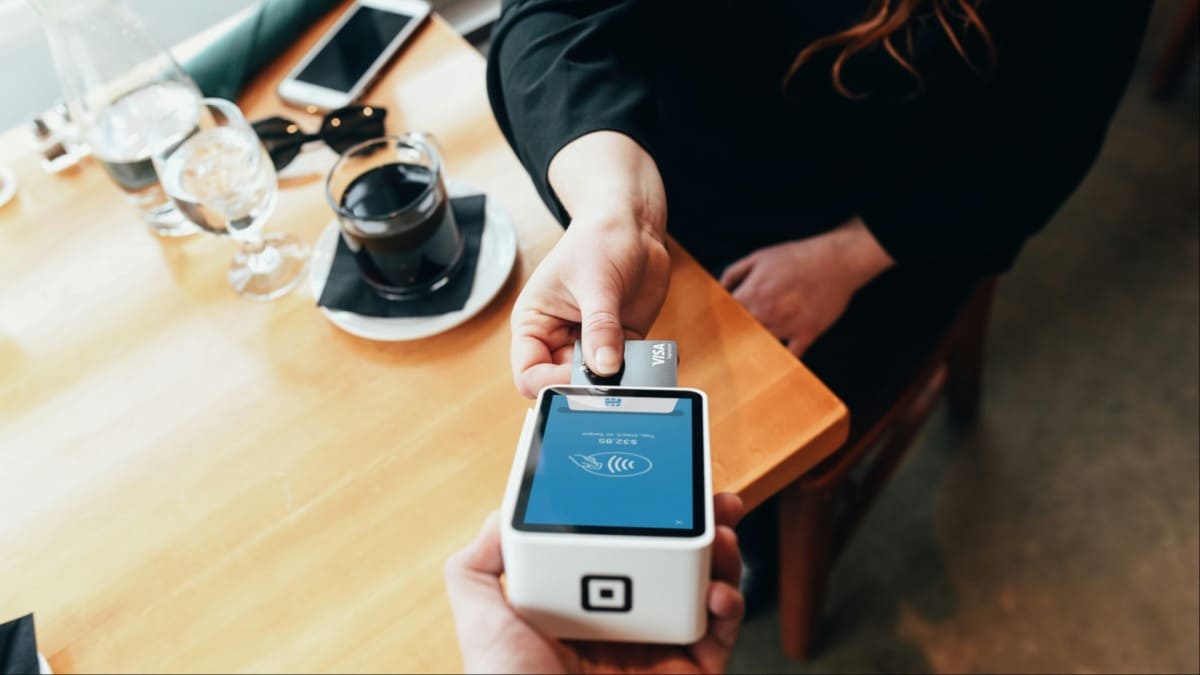
Tradition is currently facing its greatest challenger yet: the rise of the “super app.” In China, the traditional social norm dictated that the individual with the highest social standing or the most wealth would naturally cover the entire bill. However, this ancient system of patronage is rapidly dissolving. Platforms like WeChat and Alipay have revolutionized Going Dutch Origins by integrating a “split the bill” feature directly into their messaging and payment ecosystems.
These super apps, a term originally coined to describe the multi-functional nature of WeChat, have streamlined the process to the point of invisibility. Instead of an awkward discussion at the table, diners simply scan a QR code, and the software handles the division of funds instantly. This technology has removed the need for the witty rhymes and cultural scapegoating that defined the previous centuries of dining. You can find more about the impact of these technologies on Wikipedia’s history of super apps.
Even in regions where digital adoption has been slower, the influence of these platforms is undeniable. The concept of a digital wallet that incorporates social media, job listings, and food delivery is the “holy grail” for tech moguls. While some have struggled to implement these features effectively, the global trend is clear: the future of splitting the check is automated. This shift is even reaching countries like Afghanistan, where the traditional term “bandar” (group food) is being replaced by the modern practice of individualized payment among the tech-savvy youth.
The move toward super apps also represents a significant shift in data collection. Every time a group “goes Dutch,” the platform gains insights into social networks, spending habits, and consumer preferences. This has turned a simple meal into a data point for global fintech companies. For more on the intersection of finance and culture, check out Forbes’ latest coverage on the fintech revolution. At BrightCelebrity, we frequently cover how these trends affect the lifestyles of the elite and the general public alike.
People Also Ask
Why is it called going Dutch today?
The term originated as a British slur during the Anglo-Dutch Wars of the 17th century. It was intended to mock the Dutch for being transactional and stingy, though it has since become a neutral term for splitting a bill.
How do different countries describe splitting the bill?
Many countries point to foreign cultures: Pakistan calls it the American system, Egypt calls it English style, and Turkey refers to it as the German way. Each culture uses these names to distance themselves from the act of not paying for others.
Is going Dutch common in the Netherlands?
Yes, splitting the check is a standard and socially acceptable practice in the Netherlands. It reflects a cultural value of equality and financial independence rather than the stinginess originally implied by the British.
What apps are best for splitting bills in 2024?
Super apps like WeChat and Alipay lead the way in Asia, while Venmo, Splitwise, and Zelle are the dominant tools in the United States. Most modern banking apps now include built-in split-payment features to accommodate this growing social norm.
Evolution of Going Dutch Origins in 2024
As we move further into the decade, the concept of Going Dutch Origins continues to morph alongside our technology and social expectations. What began as a naval insult in the 1600s has transformed into a global standard of financial etiquette. Whether you call it “Spartan Law,” “making a cow,” or simply “aafno aafno,” the goal remains the same: balancing the warmth of social gathering with the cold reality of individual expense.
The transition from oral tradition and clever rhymes to digital automation marks a significant milestone in human sociology. We are moving away from the need for “social lubricants” like Christ’s rhyme or Roman history. In their place, we have the efficiency of the QR code. However, the underlying tension—the desire to be generous versus the need to be practical—remains a fundamental part of the human experience. As you navigate your next group dinner at BrightCelebrity-approved venues, remember that you are participating in a historical tradition that spans continents and centuries.
Ultimately, the story of splitting the check is a story of human connection and the labels we use to define our relationships with one another. Whether the future brings more “super apps” or a return to traditional patronage, the way we handle the bill will always be a reflection of our cultural identity. For those interested in the lifestyle habits of the world’s most influential people, BrightCelebrity offers deep dives into the etiquette and trends of the modern era. Next time the check arrives, you might just find yourself thinking of the 17th-century sailors who started it all.
More Like This
For more updates, check out our latest entertainment and sports news.