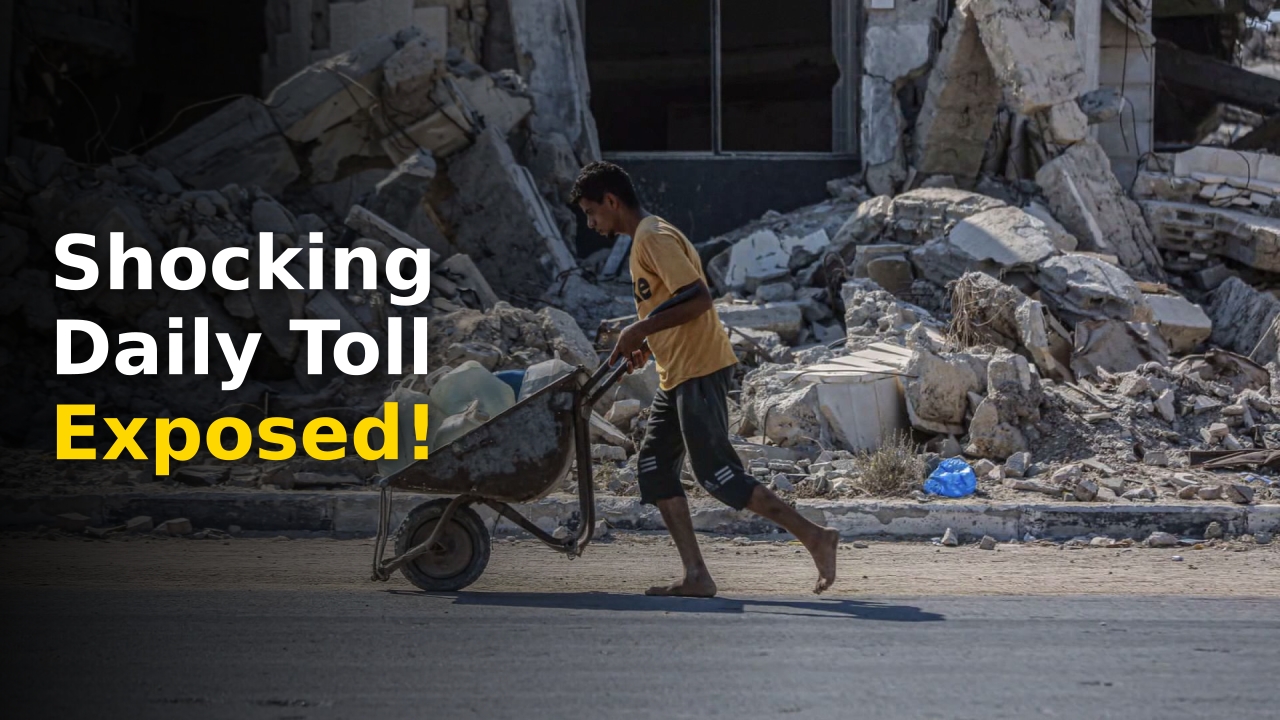
The ongoing Gaza Crisis has reached a harrowing milestone, with humanitarian organizations raising alarm over unprecedented youth casualties. Global advocates continue to press for immediate interventions to stop the relentless loss of young lives in the region. Recent field updates emphasize that civilian spaces require absolute protection under international law.
You are seeing an unprecedented level of human suffering unfolding in real time across the coastal enclave. UNICEF Global Spokesperson James Elder highlighted these tragic dynamics during an intense media broadcast on August 10, 2026. His firsthand testimony paints a agonizing picture of children bearing the heavy brunt of military conflict.
Understanding this emergency demands an in-depth look at ground conditions, supply disruptions, and international aid bottlenecks. Everyday survival has become an uphill battle for hundreds of thousands of displaced families. Explore our comprehensive global human rights coverage to stay updated on critical geopolitical movements.
Unpacking the Gaza Crisis Daily Reality
Life inside active conflict zones has created an unbearable existence for vulnerable youth populations. Spokesperson James Elder pointed out that an average of at least one child per day loses their life due to ongoing violence. This heartbreaking statistic highlights the structural collapse of safe havens throughout urban settlements.
Densely populated neighborhoods such as Deir al-Balah and Khan Younis face continual artillery shelling and aerial strikes. Families seeking refuge in temporary tent cities often find themselves trapped within active battle sectors. The absence of fortified shelters exposes fragile civilian communities to severe ongoing physical hazards.
Hospitals operating across northern areas report profound shortages of pediatric medicine, blood units, and surgical equipment. Medical professionals at facilities like Al-Shifa Hospital perform complex trauma surgeries under primitive conditions. Emergency rooms routinely operate past maximum capacity while power grids remain entirely dark.
Clean drinking water remains an extremely scarce commodity for displaced children staying in crowded makeshift camps. Desalination plants operate far below daily requirements due to severe fuel restrictions enforced across entry check-points. Young children spend hours standing in lengthy queues hoping to retrieve a single bucket of potable water.
Malnutrition levels among infants under two years of age have reached catastrophic thresholds in recent months. Relief distribution centers operated by international agencies routinely run out of specialized therapeutic food pastes. Essential vitamin supplements and infant formulas remain largely unavailable to young mothers surviving in tent encampments.
Communication blackouts frequently sever contact between frontline rescue units and injured civilians trapped under concrete rubble. Search-and-rescue teams from the civil defense corps utilize manual shovels due to a total lack of heavy machinery fuel. Precious hours are lost while emergency crews attempt to navigate completely blocked thoroughfares.
Educational infrastructure across the region has suffered total operational paralysis throughout the extended duration of hostilties. Hundreds of public school buildings now serve as emergency shelters housing thousands of displaced individuals. An entire generation of students faces years of disrupted intellectual growth and severe personal instability.
Violent disruptions have also severed access to routine childhood vaccination schedules, opening pathways to preventable infectious diseases. Outbreaks of Hepatitis A and acute respiratory infections circulate rapidly through unhygienic, overpopulated shelter facilities. Public health experts warn that disease transmission now poses as significant a threat as direct military violence.
The physical psychological toll on young survivors creates deep emotional scars that will persist for generations to come. Children repeatedly express profound terror caused by constant artillery bombardments overhead. International aid organizations struggle to deploy child-protection specialists amidst the volatile security situation on the ground.
Volunteers delivering food packages face incredible logistical challenges traversing broken roads littered with unexploded ordnance. Logistics drivers risk dangerous military crossfire daily just to deliver basic flour rations to northern bakeries. The broader infrastructure necessary to sustain basic human life has broken down entirely across multiple sectors.
Critical Humanitarian Challenges in Conflict
Key Obstacles Facing Aid Relief
- Severe restrictions on aid convoys passing through primary border crossings like Rafah.
- Widespread destruction of municipal water treatment networks and electrical infrastructure.
- Extreme shortage of fuel required to run hospital generators and clean water pumps.
- Profound deficiency in basic medical supplies, anesthetics, and specialized pediatric equipment.
- Unprecedented displacement forcing families into unsanitary and overcrowded temporary camps.
The operational environment for international non-governmental organizations remains fraught with intense physical danger. Field teams attempting to distribute aid supplies face constant uncertainty along heavily damaged transport corridors. Direct communication channels between aid agencies and regional security personnel often experience major technical disruptions.
Fuel imports remain heavily controlled, directly impacting the ability of municipal services to clear accumulated garbage. Tons of solid waste sit uncollected near residential tent clusters, exacerbating severe sanitary hazards during summer heatwaves. The resulting swarms of insects further accelerate the spread of gastrointestinal illnesses among young infants.
Severe food insecurity has transformed simple daily nutrition into a constant struggle for survival across families. According to reports published by Reuters global news report, basic dietary staples have become entirely unaffordable for displaced residents. Many households survive on a single meal of low-nutrient bread per day.
The psychological burden on parents attempting to protect their children under constant bombardment is unimaginably heavy. Mothers report sacrificing their own modest food portions to ensure their youngest children receive minimal nourishment. The breakdown of community support structures leaves families dealing with profound grief in isolated conditions.
Severe shortages of commercial cooking gas force families to burn scrap plastic and treated timber for cooking fuel. The resulting toxic smoke causes widespread respiratory ailments among vulnerable infants sleeping inside tight canvas tents. Healthcare workers lack sufficient inhalers and oxygen therapy tools to treat these burning lung conditions.
Displaced families residing near coastal beach regions face secondary hazards from damp weather and high marine winds. Tents constructed from thin plastic sheets offer virtually no insulation against damp nighttime temperatures or high wind gusts. The lack of dry bedding compounds physical hardships for children recovering from acute physical trauma.
Unexploded ordnance left scattered across urban rubble poses an enduring threat to curious young children playing outside. Demining experts estimate that clearing remaining unexploded shells will require years of specialized technical operations. Young residents often mistake hazardous metallic fragments for toys, resulting in horrific accidental injuries.
Humanitarian air-drops provide only a tiny fraction of the total food volume required daily by the civilian population. Ground transport remains the only viable mechanism capable of delivering high-tonnage food relief and medical equipment. Restoring reliable land routes is essential to preventing widespread starvation across vulnerable communities.

Statistical Breakdown of Gaza Crisis Data
Data collected by international monitoring groups outlines the immense scale of human suffering experienced across the territory. The following statistical matrix outlines key figures verified by humanitarian agencies monitoring ground conditions.
| Impact Indicator | Reported Metric | Primary Humanitarian Impact |
|---|---|---|
| Daily Child Casualty Rate | Average 1+ Child Daily | Unprecedented youth mortality and traumatic physical injury. |
| Displaced Population | Over 1.9 Million People | Severe overcrowding in informal canvas shelter zones. |
| Functional Hospitals | Less than 35% Operational | Complete breakdown of emergency pediatric surgical care. |
| Clean Water Deficit | 85% Reduction in Flow | Widespread waterborne disease outbreaks among toddlers. |
| School Access Interruption | 100% Structural Disruption | Complete loss of formal education infrastructure. |
These verified numbers present a clear picture of an escalating emergency that demands immediate international coordination. The persistent lack of access to specialized medical infrastructure worsens prognosis outcomes for injured children. Rapid implementation of humanitarian corridors remains an absolute imperative to reverse these devastating trends.
Surgeons working in field facilities operated by international relief entities emphasize that simple medical supplies could save lives. Items as basic as sterile bandages, antiseptic wash, and IV fluids face severe import delays at border inspection centers. The resulting delays frequently turn treatable flesh wounds into fatal systemic infections.
The complete disruption of normal agricultural production has eliminated local harvests of fresh fruits and vegetables. Families depend entirely on imported dry grains which lack essential micro-nutrients required for normal early child development. Chronic nutritional deficits leave children extremely vulnerable to acute childhood illnesses.
Sanitation systems require thousands of liters of fuel daily to pump untreated sewage away from populated areas. Without fuel, raw wastewater backs up into public streets where young children routinely play barefoot. Environmental health inspectors warn of long-term soil contamination risks throughout regional agricultural sectors.
Lactating mothers facing acute dehydration often struggle to produce sufficient milk for their newborn infants. Alternative feeding options remain scarce, as clean water required to mix powdered formula is rarely accessible. This compounding set of circumstances creates immense stress for young families struggling to survive day to day.
Transport fleets dedicated to delivering medical supplies operate under intense logistical constraints and severe safety hazards. Drivers face extreme fatigue while waiting days at border entry checkpoints to receive clearance for precious medical cargo. Restoring reliable access channels remains the single most urgent priority for field agencies.
Global Diplomatic Pressure and Responses
International Sanctions and Appeals
Diplomatic efforts at the United Nations Security Council continue to center around immediate operational ceasefires. International diplomats emphasize that ending hostilties represents the only definitive solution to securing child safety. High-level summits in Cairo and Doha focus heavily on establishing permanent humanitarian corridors.
Spokesperson James Elder reaffirmed that words alone cannot protect vulnerable children from ongoing military operations. He urged international policy leaders to translate diplomatic statements into concrete protections on the ground. Unrestricted access for humanitarian workers remains a central demand of all major aid organizations.
Several European governments have increased emergency funding commitments directed toward global relief operations in the region. However, agency representatives stress that financial allocations cannot save lives without physical permission to move supplies. Logistics routes must open completely to allow thousands of aid trucks entry.
Human rights experts emphasize that non-combatants enjoy strict protections under existing provisions of the Geneva Conventions. Deliberate denial of essential life-saving materials constitutes a profound breach of international legal standards. Legal scholars worldwide continue documenting ongoing events for future global accountability forums.
Civil society organizations across major global capitals have organized massive public demonstrations calling for immediate peace agreements. Citizens demand that their respective governments leverage diplomatic influence to halt ongoing military aid packages. Public sentiment increasingly favors an immediate diplomatic resolution to end ongoing human suffering.
Regional non-governmental organizations face immense operational strain as their own staff members suffer displacement and personal loss. Local healthcare personnel continue working around the clock despite losing their own family homes and loved ones. Their dedication remains the sole surviving lifeline for thousands of injured young patients.
International aid bodies advocate for the deployment of specialized child protection teams to oversee shelter management. Specialized counselors are desperately needed to support young children suffering from severe post-traumatic stress symptoms. Creating safe psychological spaces inside displacement zones remains a priority for incoming relief missions.
The legal obligations of conflict participants to facilitate swift aid delivery remain explicitly stated under international law. International courts continue reviewing legal petitions demanding immediate binding measures to protect civilian populations. Global compliance with these legal mandates remains essential to halting further tragic loss of life.

Long Term Traumas Facing Young Survivors
The lasting emotional consequences of surviving extreme military conflict will affect young residents for decades to come. Child psychologists report that nearly all young survivors exhibit symptoms of profound trauma, severe anxiety, and panic disorders. The continuous sound of military aircraft overhead triggers extreme fear responses in young children night and day.
Loss of immediate family members leaves thousands of young children navigating difficult displacement without parental care. Unaccompanied minors face extreme vulnerability to exploitation, neglect, and severe malnutrition inside overcrowded shelter zones. Relief agencies scramble to establish formal registration systems to identify and protect these orphaned youths.
Physical injuries suffered by young survivors often result in permanent, life-altering disabilities requiring specialized medical rehabilitation. Amputee children face immense physical challenges living in temporary canvas tents without proper prosthetic support. Rehabilitation centers have suffered extensive structural damage, leaving patients without essential physical therapy services.
The loss of basic social routines like school attendance deprives young individuals of vital developmental milestones. Playgrounds and youth centers have been entirely destroyed, leaving young children with zero safe spaces for normal recreational activity. This persistent absence of normal childhood experiences severely compromises long-term emotional resilience.
Parents themselves experience overwhelming emotional exhaustion, impairing their capacity to provide emotional comfort to suffering children. Whole families live in constant states of high alert, uncertain whether their current shelter will remain safe overnight. This pervasive climate of instability damages early parent-child bonding dynamics fundamental to early development.
Community leaders stress that healing long-term psychological wounds will require sustained international investment long after fighting stops. Rebuilding destroyed educational networks and pediatric health facilities represents a multi-billion-dollar endeavor spanning decades. Restoring a sense of safety remains the primary challenge facing human rights workers in the area.
Youth advocacy groups stress that young survivors deserve immediate access to comprehensive specialized international medical evacuations. Severely injured children require complex surgical procedures impossible to perform inside collapsed local hospital networks. Streamlining medical evacuation transport protocols could save hundreds of vulnerable lives immediately.
The structural recovery of child health services will require comprehensive international partnerships and permanent structural funding commitments. Rebuilding safe pediatric intensive care units remains an absolute priority for regional medical recovery plans. Achieving lasting stability requires a fundamental resolution to underlying political and security challenges.
Urgent Relief Needs for Lasting Peace
Addressing the profound catastrophic loss of life requires an immediate, coordinated global response focused on saving young lives. The heartbreaking statistics surrounding child mortality demonstrate the absolute futility of continued military escalation. Global leaders must prioritize human life over persistent geopolitical disputes to prevent further catastrophic outcomes.
Restoring the uninterrupted flow of commercial goods alongside emergency aid relief remains essential to stabilizing local market prices. Allowing local traders access to banking channels and safe transport routes will help rebuild basic food distribution. Re-establishing local commerce provides a necessary foundation for long-term civilian community survival.
Humanitarian agencies emphasize that international law requires non-negotiable protection for all water infrastructure, power grids, and health facilities. Rebuilding damaged municipal water lines must begin immediately to prevent widespread waterborne disease outbreaks. Clean water access represents the primary defensive line against escalating infant mortality rates.
Every additional day of military conflict exposes thousands of vulnerable young children to severe physical danger and profound emotional trauma. The long-term stability of the entire region depends upon protecting its youngest generation from ongoing physical destruction. Global diplomatic efforts must remain focused on securing an immediate, permanent, and fully enforced ceasefire.
The harrowing realities of the **Gaza Crisis** serve as an urgent global reminder of the tragic human cost of war. International communities must act decisively to protect vulnerable youth populations caught in active military combat. The world cannot afford to remain silent while an entire generation faces relentless physical destruction daily.
Ultimately, restoring hope to young survivors demands absolute global commitment to diplomatic solutions and immediate humanitarian relief. Securing safe spaces, nutritious food, clean water, and proper medical care remains a fundamental human right for every child. Global action must be mobilized today to save young lives and secure a peaceful future for all.
More Like This
For more updates, check out our latest entertainment and sports news.