
Key Takeaways
| The Record Breaker | On October 11, 2001, Friends aired its 181st episode, officially surpassing Seinfeld’s complete run. |
| The 180 Ceiling | Seinfeld, I Love Lucy, and The Golden Girls all completed their historic runs with exactly 180 episodes. |
| The Historic Episode | The milestone occurred during Season 8, Episode 3, titled “The One Where Rachel Tells Ross.” |
| Syndication Power | Surpassing this metric unlocked unprecedented levels of television syndication success and massive passive royalties. |
You might think the ultimate 90s television rivalry was settled by ratings, but the truth about Friends vs Seinfeld comes down to a single record-breaking episode. Exactly twenty-five years ago, the landscape of modern television shifted forever when six friends sitting in a Greenwich Village coffee shop quieted the cynical laughs of four self-absorbed Upper West Side neighbors. For years, these two cultural juggernauts battled for the crown of comedy dominance, anchoring NBC’s historic Thursday night lineup.
While both programs achieved legendary status, one defining moment in October 2001 permanently tilted the scales in a historic numbers game. By pushing past a structural ceiling that had capped some of the greatest comedies in television history, the stories of Rachel, Monica, Phoebe, Joey, Chandler, and Ross achieved a unique immortality. This monumental transition did not just secure bragging rights; it completely rewrote the economic and creative blueprint for network sitcoms.
Today, as fans revisit these classics through streaming services, the debate over which show reigns supreme continues to burn. This historic milestone offers a fascinating window into a bygone era of entertainment when millions of people gathered around their television sets at the exact same time. It highlights how creative differences, economic strategies, and cultural shifts combined to create the golden age of American network television.
The Legendary Friends vs Seinfeld Rivalry
To understand this historic milestone, you must first examine the fundamental differences in how these shows captured the American consciousness. Seinfeld, which premiered in 1989, pioneered an innovative, observational style of comedy that deliberately rejected traditional sentimentality. Led by co-creators Jerry Seinfeld and Larry David, the show proudly operated under a strict rule of “no hugging, no learning.” This cynical, highly structured approach transformed the mundane frustrations of daily life into comedic art, finding immense acclaim as documented in Wikipedia’s comprehensive Seinfeld archive.
Conversely, Friends arrived in 1994 with a radically different, ensemble-driven philosophy that prioritized emotional growth and relational dynamics. The show focused deeply on the evolving connections, heartbreaks, and personal triumphs of its central characters. Instead of relying solely on situational irony, creators Marta Kauffman and David Crane leveraged the immense chemistry of their young cast to build serialized narratives. This stark contrast created a friendly yet fierce battle for Thursday night supremacy on NBC, offering viewers two entirely different flavors of humor.
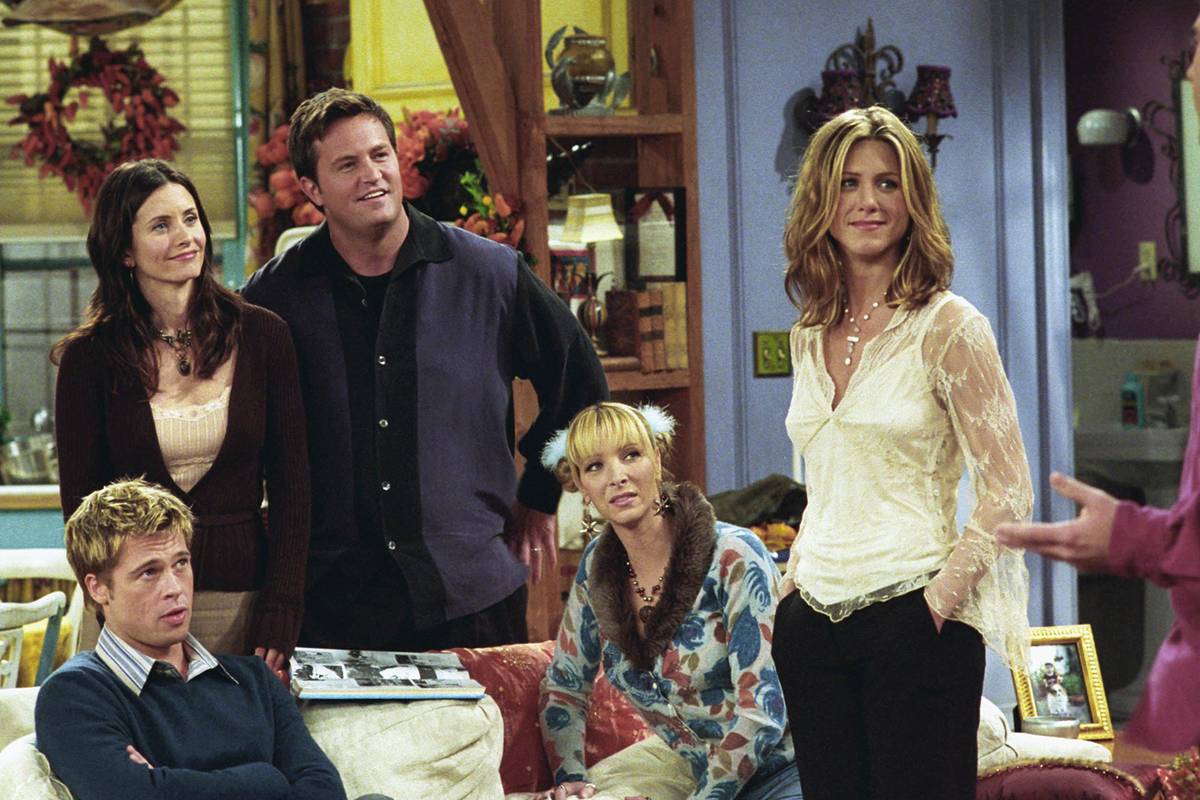
Throughout the mid-to-late 1990s, these two programs formed an unstoppable ratings powerhouse that defined the era of Must See TV. While Jerry Seinfeld’s creation often won critical praise for its avant-garde narrative complexity, Friends captured a broader, highly lucrative demographic of younger viewers. This demographic split created intense debates among television critics and everyday fans alike. Every week, millions of viewers tuned in to see which creative formula would capture the cultural zeitgeist, driving the network’s profitability to historic heights.
This rivalry reached a critical juncture in May 1998, when Seinfeld aired its highly anticipated, controversial series finale. The show departed the airwaves at the absolute peak of its commercial power, leaving a massive void in the network schedule. As the undisputed king departed, the spotlight shifted entirely to its younger rival, which was entering its creative prime. The stage was set for Friends to not only carry the comedy torch but to eventually surpass its predecessor in the history books.
Behind the scenes, NBC executives scrambled to protect their lucrative Thursday night franchise after Jerry Seinfeld famously turned down a historic $5 million per episode offer for a tenth season. This corporate panic paved the way for the cast of Friends to negotiate their own historic contracts, eventually reaching $1 million per episode. This unprecedented financial leverage allowed the series to extend its run far longer than initially anticipated. It was this corporate determination that ultimately set the stage for the record-breaking broadcast that occurred three years later.
Breaking the 180 Episode Barrier
For decades, the number 180 represented an almost mythical ceiling in the realm of high-quality sitcom history. When Lucille Ball finalized her historic run on CBS with I Love Lucy, the series concluded with precisely 180 episodes. Decades later, The Golden Girls matched this exact total, cementing its place as one of the most celebrated ensemble comedies of all time. When Seinfeld also wrapped up its run in 1998 with exactly 180 episodes, it felt as though the masters of television comedy had collectively agreed on a natural limit for sustained creative excellence.
However, on October 11, 2001, the balance of power officially shattered when Friends broadcast its 181st episode. This historic episode, titled “The One Where Rachel Tells Ross,” pushed the series past its legendary predecessor. It established the show as the longest-running and most successful sitcom of its specific generation. According to IMDb’s detailed production notes on Friends, the episode was a massive ratings success, drawing in over 26 million viewers in the United States alone.
The plot of this record-breaking episode centered around the Rachel Green pregnancy storyline, a narrative arc that captivated tens of millions of viewers worldwide. As Ross Geller struggled to process the life-changing news, the show demonstrated its unique ability to balance broad physical comedy with genuine, character-driven emotion. This emotional depth was something Seinfeld deliberately avoided, and it proved to be the key factor that allowed Friends to sustain its massive popularity. You can explore more about how these narrative choices shaped the television landscape in our classic pop culture analyses.
The timing of this historic broadcast also carried immense cultural significance. Airing just one month after the tragic events of September 11, 2001, the episode provided a grieving American public with a much-needed sense of comfort and familiarity. The warm, escapist world of Central Perk became a sanctuary for millions of viewers seeking solace from a harsh reality. This unique cultural alignment helped propel Season 8 of the series to unprecedented heights, ultimately earning the show its first and only Emmy Award for Outstanding Comedy Series.
By the time the series finally concluded its iconic run in 2004, it had accumulated an astonishing 236 episodes. This massive total gave Friends a significant 56-episode lead over Seinfeld, cementing its status as an enduring titan of the television landscape. While longer-running shows like Cheers and Frasier existed, breaking the 180-episode mark remained the definitive gold standard for modern, high-impact comedies. It proved that a sitcom could maintain both critical acclaim and commercial dominance over a decade-long run.
Sitcom Milestones and Ratings Comparison
The battle of Friends vs Seinfeld was fought not just in the hearts of fans, but on the spreadsheets of network executives and advertising agencies. Both shows commanded eye-watering advertising rates and generated billions of dollars in revenue, but they did so through very different structural models. While one focused on a highly concentrated, critically acclaimed run, the other built a massive library of content designed for long-term global syndication.
To understand the sheer scale of these television phenomenons, we must look at the empirical data that defined this historic era. Below is a detailed breakdown comparing the key metrics, ratings, and financial achievements of both legendary series during their initial broadcasts:
| Metric / Comparison Point | Seinfeld (1989 – 1998) | Friends (1994 – 2004) |
|---|---|---|
| Total Number of Episodes | 180 Episodes | 236 Episodes |
| Peak Finale Viewership | 76.3 Million Viewers | 52.5 Million Viewers |
| Average Cost for 30s Ad (Finale) | $2.0 Million | $2.0 Million |
| Peak Cast Salary (Per Episode) | $1.0 Million (Supporting Cast) | $1.0 Million (All 6 Members) |
| Emmy Awards (Outstanding Comedy) | 1 Win (1993) | 1 Win (2002) |
While Seinfeld achieved a higher peak household rating during its final season, Friends demonstrated far greater longevity and global adaptability. The ensemble cast managed to maintain their cultural relevance across a much larger volume of content, producing 56 more episodes than their counterparts. This extensive library of episodes eventually made them a prime target for modern streaming platforms, leading to historic acquisition deals that kept the show in the global spotlight. To discover how other classic shows compare, check out our television retro rankings.
The financial legacy of these episode counts is staggering. Under their historic contract agreements, the cast of Friends continues to earn an estimated $20 million per year each in syndication royalties. Meanwhile, Jerry Seinfeld and co-creator Larry David retain significant equity ownership of their show, resulting in multi-billion dollar syndication deals that have made them some of the wealthiest figures in entertainment history. This incredible financial performance proves that the rivalry was not just a creative triumph, but an unprecedented business success.

The Cultural Legacy of NBC Hits
The contrasting legacies of these two shows continue to spark debate among television historians and fans alike. The cynical, intellectual humor of Jerry Seinfeld’s universe paved the way for modern, single-camera comedies like Arrested Development, 30 Rock, and Curb Your Enthusiasm. It proved that television audiences did not need traditional “likable” characters to remain deeply engaged, as long as the comedic writing was exceptionally sharp and innovative. This school of thought prioritized tight, puzzle-like plotting over emotional resolution.
On the other hand, the warm, relationship-focused model of Central Perk laid the groundwork for modern romantic ensemble comedies like How I Met Your Mother, New Girl, and The Big Bang Theory. These shows relied heavily on the “will-they-won’t-they” romantic tension pioneered by Ross and Rachel. By proving that viewers would invest deeply in the emotional lives of fictional characters, the series elevated the sitcom from a simple joke-delivery system to a highly engaging, serialized drama. For more insights into how these stars evolved after their shows ended, explore our exclusive celebrity insights.
In the modern streaming landscape, both shows have experienced a massive cultural resurgence among younger generations who were not even alive during their original broadcasts. Platforms like Netflix and Max have paid hundreds of millions of dollars to secure the streaming rights for these iconic libraries. This enduring appeal demonstrates that the fundamental human truths explored by both shows—whether through the lens of cynical isolation or warm, communal support—remain completely timeless. They continue to serve as cultural touchstones for audiences around the world.
Industry analysts note that the longevity of these shows is a testament to the dying era of mass-media monoculture. In today’s highly fragmented streaming landscape, it is virtually impossible for any single comedy series to capture the sustained attention of 30 million weekly viewers. The historic transition that occurred twenty-five years ago represents the absolute peak of network television’s cultural power, a milestone that will likely never be repeated. It marks the moment when the traditional sitcom reached its ultimate evolution.
Furthermore, the global adaptability of both shows highlight the diverse ways American culture is exported and consumed worldwide. Friends possessed an internationally friendly aesthetic that translated seamlessly across different cultures and languages, showcasing universal themes of friendship, dating, and career struggles. Seinfeld, with its hyper-specific focus on New York Jewish humor and highly localized social etiquette, faced a steeper climb in international markets but cultivated an incredibly passionate, intellectual cult following abroad. This global footprint ensured that both series remained highly profitable long after their final episodes aired.
People Also Ask
Why did Friends have more episodes than Seinfeld?
Friends accumulated 236 episodes because NBC and Warner Bros. aggressively extended the series to ten seasons due to immense ratings and global syndication value. In contrast, Jerry Seinfeld chose to end his series after nine seasons and 180 episodes to go out at the absolute peak of his creative control.
What was the historic 181st episode of Friends?
The historic 181st episode of Friends was “The One Where Rachel Tells Ross,” which aired on October 11, 2001, during Season 8. This specific episode officially broke the 180-episode milestone previously shared by Seinfeld, I Love Lucy, and The Golden Girls.
Why is the 180 episode mark so significant for sitcoms?
The 180-episode mark is considered a legendary benchmark because several of the most influential and critically acclaimed comedies in television history, including I Love Lucy, The Golden Girls, and Seinfeld, completed their runs at exactly this number, representing a historic ceiling for creative consistency.
Which show was more financially successful, Friends or Seinfeld?
While the cast of Friends earned higher base salaries of $1 million per episode during their final seasons, Seinfeld is widely considered more financially successful overall due to massive equity deals. Jerry Seinfeld and Larry David retain significant ownership, generating billions in ongoing global syndication profits.
The Ultimate Friends vs Seinfeld Legacy
Ultimately, the debate of Friends vs Seinfeld is not a question of which show was objectively superior, but rather which creative philosophy speaks more directly to your soul. Whether you prefer the brilliant, cynical observations of Jerry and George or the comforting, emotional journeys of Rachel and Ross, there is no denying the profound impact both programs had on television history. They represented the twin peaks of NBC’s golden era, a time when network television held a monopoly on the cultural conversation.
When Rachel Green made her historic announcement twenty-five years ago, she did more than just shock her friends; she propelled her show into a legendary realm of longevity that few comedies will ever match. By pushing past the mythical 180-episode barrier, the series transformed from a simple weekly distraction into an eternal, self-sustaining cultural monument. In the end, both shows won the war of endurance, proving that great comedy, much like true friendship, never truly goes out of style.
As the entertainment landscape continues to evolve in the digital age, the achievements of these two giants stand as a monument to what network television could accomplish at its peak. They proved that comedy could be both a massive commercial business and a highly respected art form. Twenty-five years after the historic transition, the laughter they created continues to echo across generations, solidifying their place as the undisputed rulers of sitcom history.
More Like This
For more updates, check out our latest entertainment and sports news.