Key Takeaways
| American Gothic suffered from erratic network scheduling by CBS which led to its premature cancellation despite critical acclaim. |
| The Hunger experienced a massive 2026 streaming resurgence on Apple TV, becoming the seventh most-watched show on the platform. |
| Kindred: The Embraced failed to bridge the gap between Vampire: The Masquerade lore and mainstream television success. |
| Ultraviolet pioneered a grounded, scientific approach to vampire storytelling long before the supernatural genre saturated modern media. |
If you think your favorite modern streaming series is dark, you are likely missing out on the raw, experimental nightmares that defined the forgotten horror shows from the 90s. Television in the final decade of the 20th century was a wild west of creative risks, high-concept storytelling, and network interference that often buried genuine masterpieces. Many of these programs experimented with trauma, religion, and existential dread, only to be cut short by poor marketing or scheduling disasters.
You probably remember the heavy hitters like Buffy the Vampire Slayer, but the landscape was littered with gems that never found their footing. From the surreal corridors of a Danish hospital to the rain-slicked streets where monsters walk, these shows dared to push the boundaries of what was acceptable for primetime. Re-evaluating these cult classics reveals why they deserved better, as their influence continues to ripple through modern horror production.
Analyzing Forgotten Horror Shows From The 90s
The forgotten horror shows from the 90s often failed not because of poor quality, but due to systemic industry issues. Consider American Gothic, a show featuring Lucas Black and Sarah Paulson. With Sam Raimi as an executive producer, the pedigree was undeniable, yet CBS chose to air episodes out of order, effectively dismantling the show’s complex narrative cohesion. This type of corporate neglect was commonplace, turning potential cultural touchstones into discarded experiments.
These shows frequently explored themes that were ahead of their time. Ultraviolet, for example, stripped away the capes and coffins of traditional vampire lore to present a clinical, disease-based horror grounded in scientific reality. The absence of the word “vampire” within the dialogue wasn’t just a gimmick; it was a stylistic choice that forced the audience to treat the threat as a biological contagion. When you look at the IMDb database entries for these titles, the common denominator is a passionate, albeit small, audience that kept the legacy alive through sheer persistence.
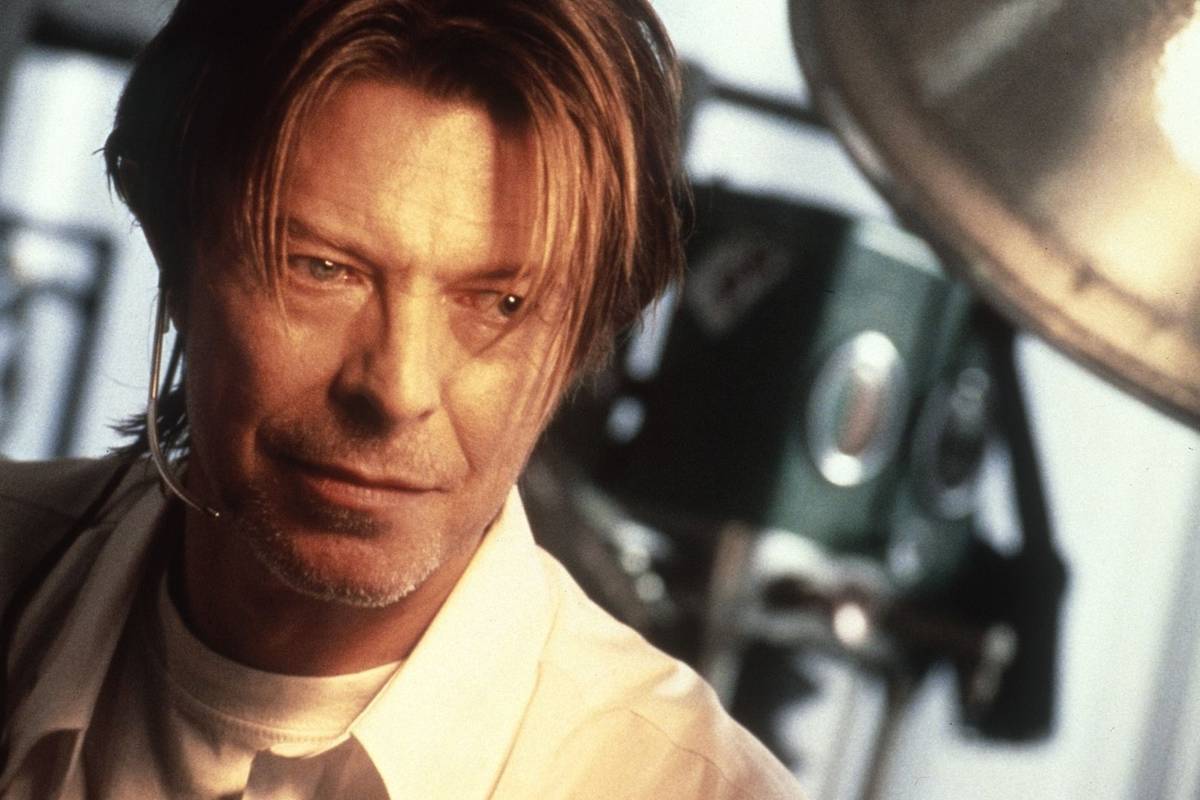
The anthology format was also a staple of the era. The Hunger managed to secure high-profile hosts like David Bowie and Terence Stamp, creating a bridge between high-art cinema and pulpy, erotica-infused horror. This blend of star power and dark, transgressive storytelling represents a high-water mark for the anthology genre that has rarely been matched since. If you look at the resurgence of classic television trends, it is clear that audiences are hungering for the grit that these shows provided.
The Role of Network Interference
Why did so many of these programs vanish? The primary answer lies in the volatile relationship between creative vision and advertiser-friendly content. Shows like Nightmare Café, helmed by the legendary Wes Craven, were designed to be unsettling and provocative. However, when a network shifts its target demographic mid-season, the show invariably suffers. The iron-fisted control exerted by executives often resulted in the dilution of what made these shows special in the first place.
Statistical Breakdown of Short-Lived Horror
The following table illustrates the stark reality of how quickly these productions were silenced by networks, often leaving unfinished storylines and abandoned lore in their wake.
| Show Title | Key Creator/Star | Episodes Aired |
|---|---|---|
| American Gothic | Shaun Cassidy | 18 |
| Brimstone | Ethan Reiff | 13 |
| Kindred: The Embraced | John Leekley | 7 |
| Ultraviolet | Joe Ahearne | 6 |
| Nightmare Café | Wes Craven | 6 |
The Cultural Legacy of 90s Horror
The impact of these series extends far beyond their original broadcast dates. The Danish series Riget, or The Kingdom, was so profoundly bizarre that it inspired Stephen King to develop a direct American adaptation, Kingdom Hospital. While the remake struggled to capture the lightning-in-a-bottle quality of Lars von Trier’s original work, it serves as a testament to the international reach of these genre-bending narratives. These stories didn’t just haunt the screen; they forced creators to reconsider the limitations of the medium.

Furthermore, the connection between these shows and the evolution of horror media is undeniable. Without the risks taken by The Hitchhiker or the grounded terror of Ultraviolet, modern prestige television might look drastically different. There is a palpable sense of loss when reviewing the production history of Kindred: The Embraced, which sought to bring the deep, complex lore of Vampire: The Masquerade to life. Despite its flaws, it remains a fascinating relic of early 90s transmedia ambition, documented extensively on Wikipedia’s historical archives.
By The Numbers: The average episode count for these series hovers just above eight, a figure that highlights the brutality of the 90s television landscape. For comparison, a standard modern season for a streaming platform consists of 8 to 10 episodes, but these shows were often canceled mid-run, leaving audiences with incomplete stories. This historical context provides a necessary lens for understanding why we currently see a rise in ‘reboot culture’—the industry is finally circling back to these abandoned IPs to finish what they started decades ago.
People Also Ask
Why were so many 90s horror shows canceled prematurely?
Many shows faced issues with erratic scheduling by networks, poor marketing alignment, and creative tensions between visionary directors like Wes Craven and executive producers who favored traditional, safer television tropes.
Is The Hunger available on streaming platforms?
Yes, The Hunger experienced a resurgence in 2026, performing exceptionally well on Apple TV where it reached the seventh most-watched spot for a brief period.
What happened to Kindred: The Embraced?
Kindred: The Embraced was canceled after only seven episodes due to mixed critical reception regarding its adherence to tabletop game lore and low viewership figures that failed to justify the production cost.
How did Riget influence modern US television?
Lars von Trier’s Riget was so influential that renowned author Stephen King personally oversaw an American adaptation titled Kingdom Hospital, which brought the original’s bizarre supernatural concepts to a broader US audience.
Reflecting on Lost Potential
Looking back at the landscape of horror in the 90s, it is clear that many of these shows were victims of their own ambition. They demanded an audience that was ready for moral ambiguity, non-linear narratives, and dark thematic risks that standard television simply wasn’t prepared to support at the time. Yet, the fact that we are still talking about these forgotten horror shows from the 90s proves that their impact was anything but temporary.
If you take the time to dig through the archives or track down these elusive cult hits, you will find a treasure trove of creativity that helped pave the way for the current golden age of television. Whether it is the scientific terror of a world without vampires in Ultraviolet or the ironic, poetic justice found in Nightmare Café, these shows deserve a second look. They remain as haunting and relevant today as they were thirty years ago, serving as a reminder that great art often requires a little bit of darkness to truly shine.
More Like This
For more updates, check out our latest entertainment and sports news.