Key Takeaways
| Square Enix confirmed a controversial fast-forward feature for all in-game cutscenes. |
| The official release date is set for April with post-launch story DLC already in development. |
| Physical editions will arrive on a single disc but require a mandatory day-one download. |
| Hardcore JRPG fans claim the feature caters to ‘brainrot’ culture and 2x speed viewing habits. |
| Industry experts view the move as a direct response to complaints regarding ‘bloat’ in previous entries. |
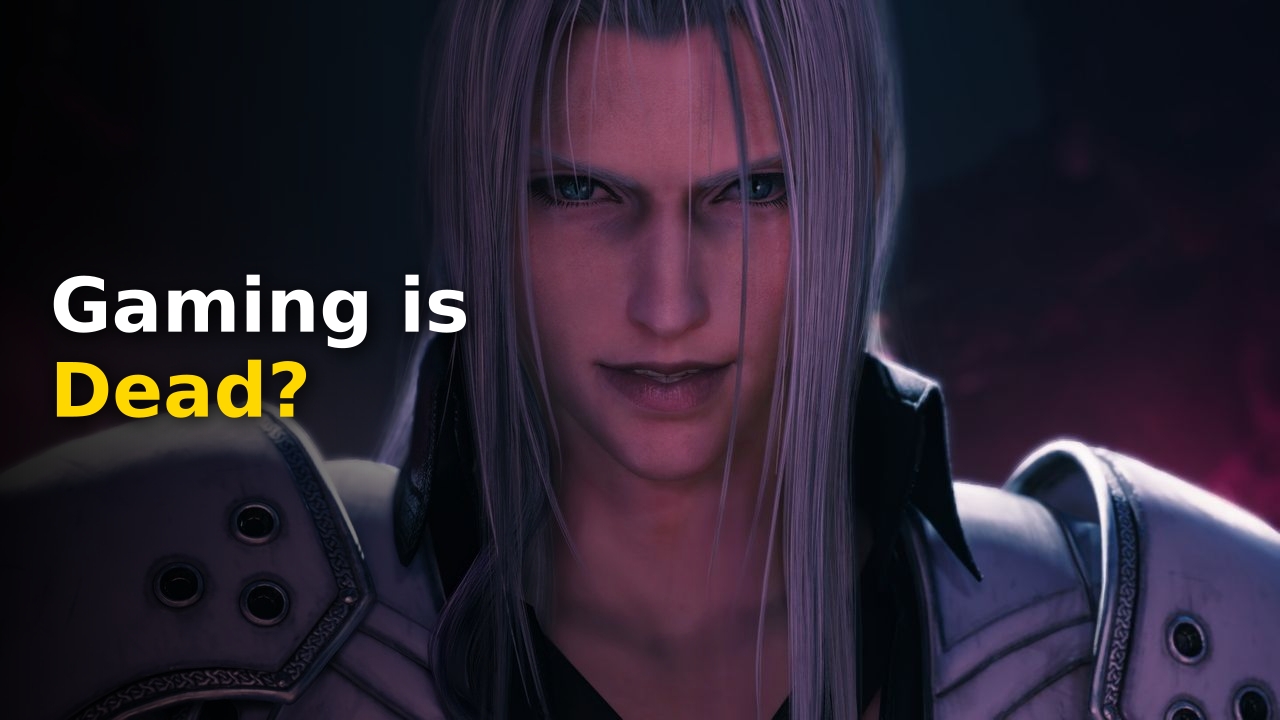
You might think the golden age of cinematic storytelling in video games is reaching its peak, but the latest news regarding Final Fantasy 7 Revelation has sent shockwaves through the global gaming community. During the recent PlayStation State of Play showcase, Square Enix unveiled an in-depth look at the third installment of the reimagined trilogy, only to spark an immediate firestorm over a seemingly minor quality-of-life feature.
The Final Fantasy 7 Revelation presentation confirmed that players will now have the ability to fast-forward through cinematic cutscenes and dialogue sequences. While some see this as a necessary tool for replayability, a vocal segment of the JRPG fandom has taken to social media to proclaim that this design choice signifies that “games are truly dead.”
This divide highlights a growing tension between traditionalist players who value narrative immersion and a new generation of gamers who prioritize efficiency and speed. As Square Enix moves toward an April release, the debate over Final Fantasy 7 Revelation is no longer just about Cloud Strife’s destiny, but about the very soul of the role-playing genre.
Final Fantasy 7 Revelation Gameplay Controversy Explained
The core of the outrage stems from a specific segment of the State of Play showcase where the narrator highlighted the ability to accelerate dialogue and cinematic sequences. For many, Final Fantasy 7 Revelation represents the pinnacle of high-budget Japanese game development, where every facial expression and voice line is meticulously crafted. Seeing these elements treated as something to be sped through felt like a betrayal of the artistic intent.
Prominent figures in the gaming space, including video editors and podcast hosts, have voiced their concerns that this feature caters to “brainrot” consumption habits. The argument is that if a story is worth telling, it should be worth watching at its intended pace. However, the Final Fantasy 7 Revelation team seems to be addressing a different set of feedback: the growing outcry against the perceived bloat in modern AAA titles.

It is important to note that this functionality is not entirely new to the franchise. Previous entries like Final Fantasy 7 Remake and Final Fantasy 7 Rebirth allowed players to skip cutscenes entirely. The nuance here is the “fast-forward” or “playback speed” toggle, which allows players to stay in the scene while effectively rushing the actors. This middle ground has proved more polarizing than a simple skip button.
While shifts in the entertainment industry shifts suggest that audiences are increasingly distracted, Square Enix’s decision to market this feature so prominently is what truly baffled the audience. Usually, such features are buried in an accessibility menu rather than showcased as a primary selling point in a major trailer.
The Evolution of the Fast-Forward Mechanic
- Legacy Titles: Original RPGs often used fast text-scrolling, but cinematic sequences were unskippable.
- Remaster Era: Square Enix added 3x speed modes to titles like FFVII and FFIX on modern consoles to alleviate grinding.
- Modern Implementation: The Final Fantasy 7 Revelation model brings playback speed controls directly into high-fidelity, motion-captured cinematics.
- User Experience: This allows players to catch the gist of a conversation without committing to a full ten-minute sequence.
Technical Specifications and Modern Game Design
Beyond the cutscene drama, the technical details of the Final Fantasy 7 Revelation physical release have also raised eyebrows. Square Enix announced that the game will ship on a single disc. Given the massive scale of the previous entry, Rebirth, which required two discs, many wondered how the final chapter could fit on one.
The answer lies in the mandatory download requirement. While the disc contains the core license and initial data, a significant portion of the game’s assets must be downloaded from the PlayStation Network. This trend in the industry continues to blur the line between physical and digital ownership, a topic often discussed when monitoring top-tier media trends.
| Feature Category | Specification Details | Player Impact |
|---|---|---|
| Disc Format | Single Blu-ray Disc | Lower manufacturing cost, requires internet. |
| Cutscene Logic | 1.5x and 2x Fast-Forward | Accelerated narrative pacing for repeat plays. |
| DLC Model | Post-Launch Story Expansions | Extended lifecycle for the title. |
| Release Window | April Launch | Fits into the Q2 financial quarter. |
Square Enix is positioning Final Fantasy 7 Revelation as the most accessible entry yet. By providing players with the ability to control the flow of time, they are attempting to mitigate the “100-hour exhaustion” that often plagues massive open-world RPGs. The inclusion of post-launch DLC also suggests that the story won’t truly end when the credits roll in April.
By the numbers, the Final Fantasy VII remake project has been a massive undertaking. With over 300 hours of potential content across the three games, the sheer volume of data is staggering. Square Enix’s decision to use a single disc for Final Fantasy 7 Revelation likely reflects a shift toward more efficient data compression and a reliance on high-speed internet infrastructure in the US and Europe.
Expert Analysis: The Narrative Crisis in AAA Gaming
To understand why a fast-forward button in Final Fantasy 7 Revelation is causing such a stir, we must look at the broader context of modern media consumption. We are living in an era of “second-screen gaming,” where players often have a phone in hand or a YouTube video playing on a side monitor. Developers are now designing games to compete with these distractions.
Expert Take: “The inclusion of a playback speed toggle in a prestige title like Final Fantasy 7 Revelation is a white flag from developers,” says one industry analyst. “It is an admission that the narrative pacing of 100-hour games no longer aligns with the attention spans of the modern consumer. While it is branded as ‘choice,’ it fundamentally changes the way a story is absorbed and remembered.”
There is also the “Completionist Trap” to consider. Many players feel an obsessive need to finish games they start, even if they are no longer enjoying the moment-to-moment gameplay. Final Fantasy 7 Revelation provides an “out” for these players, allowing them to see the ending without having to sit through every emotional beat at full length.
However, this design philosophy risks devaluing the work of the actors and writers. If a player can speed through a character’s death or a major plot twist, the emotional resonance is objectively diminished. For more on the latest celebrity and media news involving the actors behind these iconic characters, fans are keeping a close eye on how the cast responds to their performances being “fast-forwarded.”
By The Numbers: The Scope of the Revelation
Estimates suggest that Final Fantasy 7 Revelation contains over 20 hours of pure cinematic content. If a player utilized the 2x fast-forward feature for the entire game, they would save 10 hours of sit-down time. While this sounds efficient, critics argue that those 10 hours are exactly what build the bond between the player and the party members.
Data from previous Square Enix titles shows that only about 30% of players actually reach the credits of massive RPGs. By introducing these speed features, the studio hopes to increase that completion rate, thereby making their post-launch DLC more viable for a larger portion of the install base. It is a calculated business move that clashes directly with the artistic traditions of the JRPG genre.
People Also Ask
What happened with Final Fantasy 7 Revelation today?
During a PlayStation State of Play, Square Enix revealed new gameplay for Final Fantasy 7 Revelation, confirmed an April release date, and introduced a controversial feature that allows players to fast-forward through cutscenes.
Why is Final Fantasy 7 Revelation trending right now?
The game is trending due to fan backlash over the ‘fast-forward’ cutscene feature, which some purists claim is an admission that modern games are too bloated or that players have lost their attention spans.
How does the fast-forward feature affect gameplay?
It allows players to speed up the playback of dialogue and cinematics (likely to 1.5x or 2x speed) without skipping them entirely, enabling them to move through the story faster while still seeing the events unfold.
When is the Final Fantasy 7 Revelation release date?
Square Enix has confirmed that Final Fantasy 7 Revelation will be released in April, with specific regional dates and pre-order bonuses to be detailed in the coming weeks.
Final Fantasy 7 Revelation Release Date and Future
As we look toward the launch, it is clear that Final Fantasy 7 Revelation will be one of the most talked-about games of the decade. Whether you view the fast-forward feature as a sign of the “gaming apocalypse” or a helpful tool for busy adults, its inclusion marks a definitive turning point for Square Enix and the industry at large.
The journey of Cloud, Tifa, and Aerith is nearing its conclusion, and the stakes have never been higher. With the confirmed April release, players will soon decide for themselves if the ability to rush through the narrative enhances or ruins the experience. Ultimately, the success of Final Fantasy 7 Revelation will depend on its ability to balance high-octane action with the deep, emotional storytelling that made the original 1997 title a legend.
As the conversation continues on social media and in gaming forums, the industry will be watching closely. If Final Fantasy 7 Revelation sees high engagement and completion rates because of these features, expect to see “playback speed” become a standard option in every AAA title moving forward. For now, the JRPG community remains divided, waiting to see if this revelation is a step forward or a leap into the abyss.
More Like This
For more updates, check out our latest entertainment and sports news.