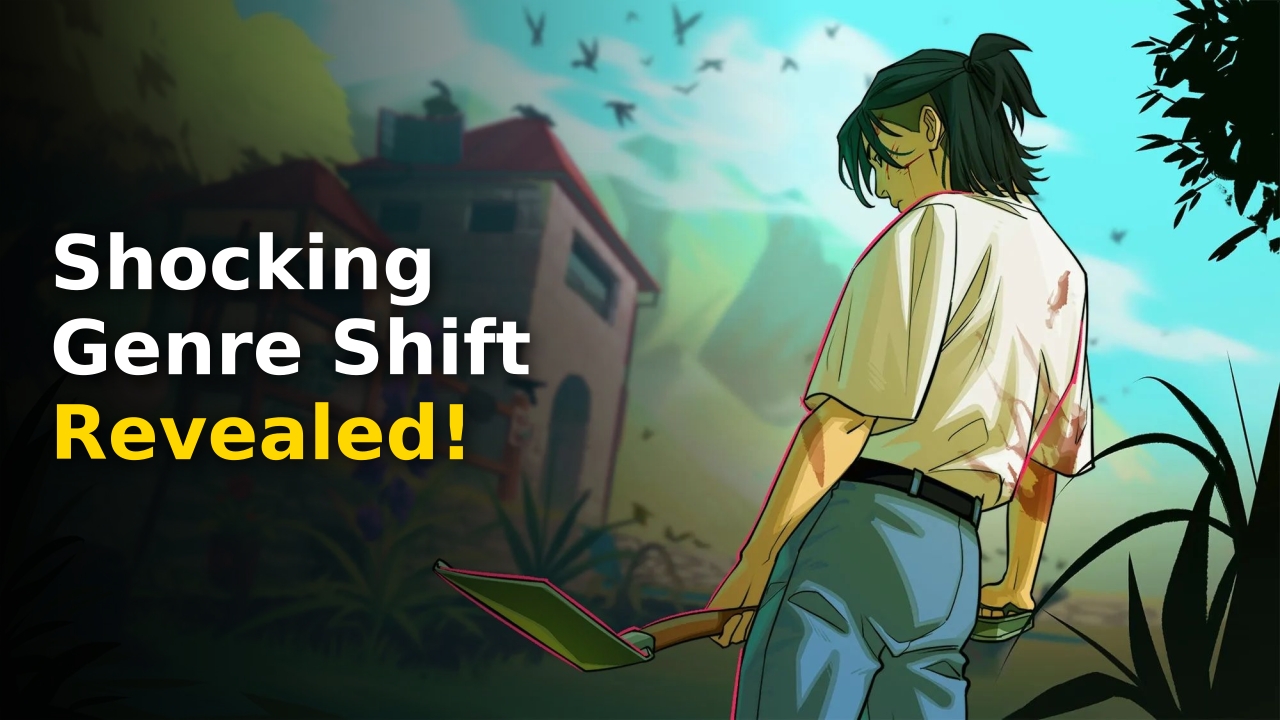
Key Takeaways
| The farming sim genre remained stagnant for a decade, relying on the same core mechanics established by Stardew Valley. |
| Developers are shifting to ‘farming-and’ hybrids, integrating horror, RPG, and supernatural storytelling into traditional gameplay. |
| New titles like Village in the Shade and Grave Seasons are redefining player agency through dark narrative stakes. |
| Market saturation has forced studios to abandon ‘frictionless’ design in favor of complex, community-driven world-building. |
Farming sims trends 2026 are finally breaking away from the decade-long cycle of rehashing the same cozy formulas that dominated the industry since 2016. For years, you have played the same game: inherit a dilapidated plot, woo the locals, and optimize your crop cycles in a low-stakes environment. This repetitive loop, while comfortable, had arguably stifled innovation until a recent wave of developers decided to inject genuine risk and narrative depth into the genre.
The era of the purely ‘frictionless’ farm simulation is effectively over. You are now seeing the emergence of titles that force you to engage with complex themes, from psychological horror to intense action-RPG elements. This shift marks a departure from the Stardew Valley blueprint, signaling that players are ready for more than just a tranquil, repetitive harvest.
Understanding Farming Sims Trends 2026
The core of the recent innovation within farming sims trends 2026 lies in the ‘farming-and’ philosophy. Developers are no longer content with just simulating agriculture; they are pairing it with systems that fundamentally change how you interact with the game world. In games like Grave Seasons, farming is not the goal—it is a necessity for survival in a town where the neighbors have dangerous secrets.
This is a stark contrast to the standard cozy game design where NPCs exist purely to provide quests or enter into romantic relationships with you. Now, your actions have consequences that ripple through the community. You are no longer just an anonymous farmhand; you are an active participant in a living, breathing, and often dangerous environment that reacts to your presence.

Studios are realizing that the market for cozy games is reaching a point of saturation. By blending genres, developers are able to attract a broader audience while providing the depth that veteran players have been craving for years. Whether it is through the supernatural elements of Moonlight Peaks or the dungeon-crawling focus of Emberville, the goal is to disrupt the status quo.
The Role of Narrative Agency
Unlike previous titles where friendship rankings felt transactional, modern farming sims are integrating stories into the fabric of the game world. You can read more about how community-driven development is shaping the future of gaming on industry trend reports. Characters now possess their own hopes, depressions, and existential goals that exist independently of your character.
This shift from ‘player-centric’ to ‘world-centric’ design is crucial. When you give a gift to a villager in 2026, it isn’t just to raise a heart meter; it is to engage with a character who is actively trying to survive their own narrative arc. This makes the mundane act of harvesting crops feel tied to a larger, more impactful story.
Data Analysis of Market Performance
The commercial success of genre-bending titles proves that the shift is not just a creative experiment but a sound business strategy. Players are demonstrating a willingness to abandon familiar, safe gameplay for titles that offer unique, challenging, and often darker experiences. The following table highlights some of the high-impact titles currently shifting the industry landscape.
| Game Title | Core Hybrid Mechanic | Status |
|---|---|---|
| Village in the Shade | Supernatural Horror | Released |
| Grave Seasons | Introspective Monster-Mash | Delayed |
| Emberville | Action-RPG/Dungeon Crawler | Early Access |
| Moonlight Peaks | Vampire/Community Story | Released |
Background and Industry Evolution
To understand the current state of affairs, one must look back at the history of farming simulations. For nearly a decade, the success of indie darlings created a standardized design document that developers were afraid to deviate from. While this led to a proliferation of ‘cozy’ games during the pandemic, it also resulted in a lack of mechanical variety across the genre.
However, the tide began to turn with the success of titles like Sakuna: Of Rice and Ruin, which proved that players were hungry for technical depth and complex systems. The industry realized that farming could be a platform for almost any genre, from political thrillers to horror. You can explore further insights into these evolving entertainment trends for more context on how these shifts influence long-term retention.
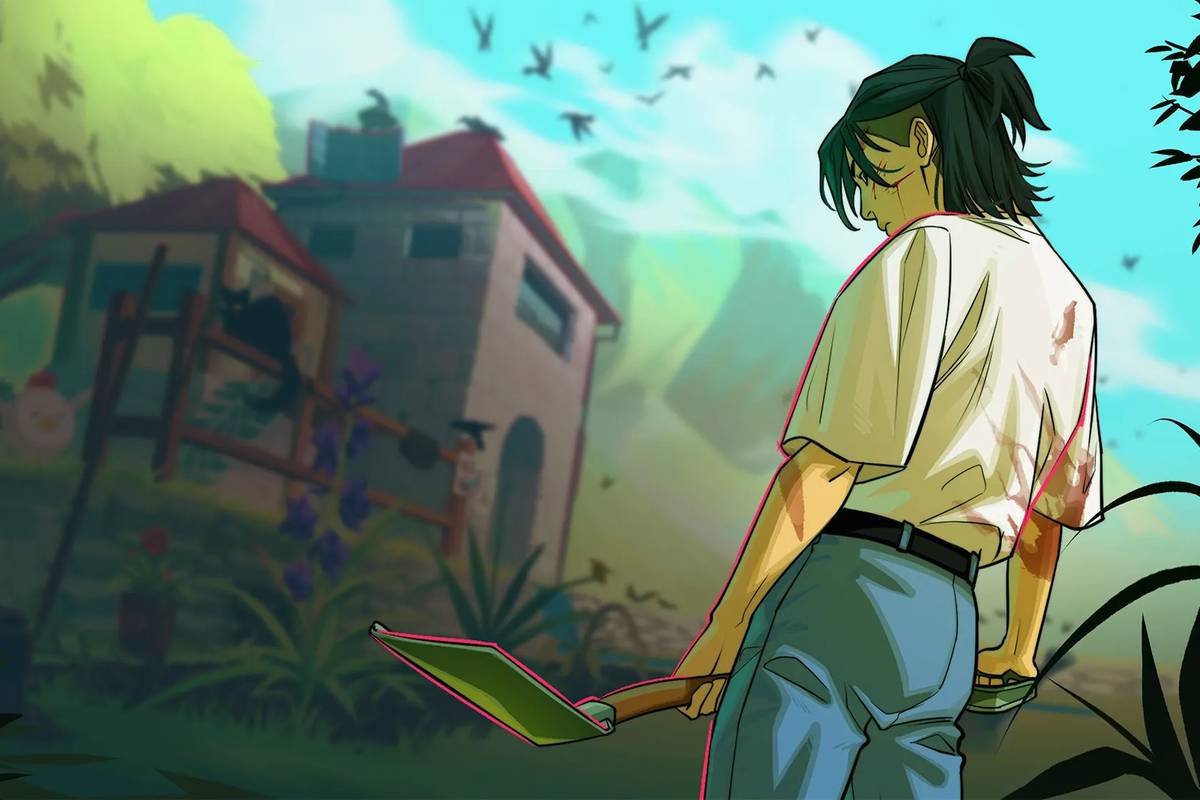
Expert Take: The Death of the ‘Frictionless’ Farm
Industry analysts have noted that the ‘frictionless’ design philosophy—where every obstacle is removed to ensure maximum comfort—has become a crutch. As Forbes’ gaming coverage suggests, the next stage of game design relies on ‘meaningful friction.’ In the case of these new sims, that friction comes from narrative stakes and the genuine threat of danger, which forces you to think strategically rather than clicking through menus.
People Also Ask
Why are modern farming sims moving toward horror themes?
Developers are using horror to subvert the traditional ‘cozy’ expectations and provide high-stakes narrative urgency. By placing the player in danger, the act of farming becomes a survival mechanism rather than a mindless chore.
What is the main difference between older titles and 2026 releases?
Older titles focused on a repetitive, frictionless loop of expansion and friendship. 2026 releases prioritize integrated storytelling, where NPCs and the world itself react dynamically to the player’s choices.
How has Village in the Shade performed commercially?
Village in the Shade has been a major success, selling over 200,000 copies in Japan upon its initial release. It is currently one of the most successful titles from Nippon Ichi Software in the last decade.
Are these new games still considered ‘cozy’?
While they retain the core farming elements, they challenge the definition of ‘cozy’ by introducing darker themes. Many players now categorize them as ‘cozy-adjacent’ or hybrid genre titles.
The Future of Simulation Gaming
As we look toward the remainder of the year and beyond, it is clear that farming sims trends 2026 will continue to push the envelope. The saturation of the market has acted as a catalyst for genuine creativity, forcing studios to stop looking at what worked in 2016 and start looking at what can work in the future.
You can keep track of these industry changes by visiting specialized gaming news updates. Whether you enjoy the comfort of the old guard or the challenging, innovative nature of these new hybrids, the genre is finally shaking off the dust of a decade-long stagnation to offer something truly new to the global gaming audience.
More Like This
For more updates, check out our latest entertainment and sports news.