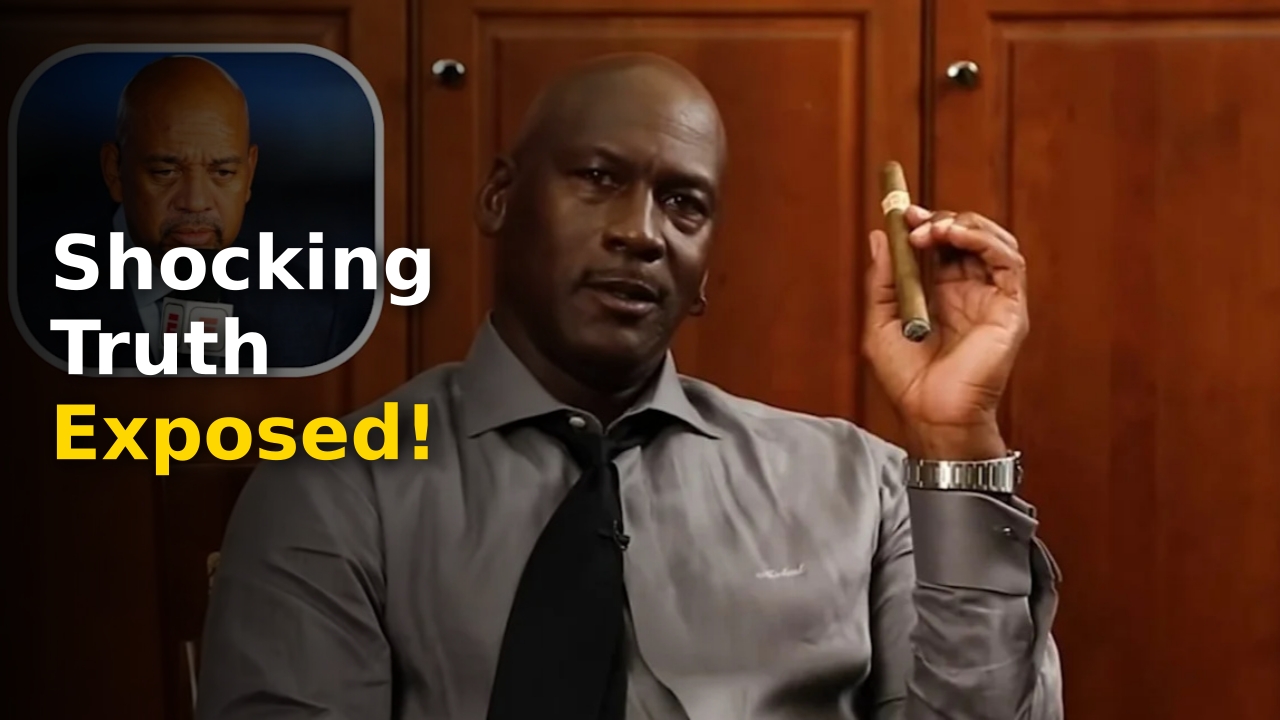
Have you ever wondered what could trigger an immediate ESPN panic across the sports media landscape?
The sudden news of Michael Jordan joining NBC Sports sent shockwaves through the industry, shaking executives at The Walt Disney Company to their core.
This sudden threat of the GOAT changing teams was enough to trigger a major ESPN panic at the highest executive levels.
ESPN panic Unleashed
When the news broke that the six-time champion was signing with NBC, a massive ESPN panic erupted inside the executive boardrooms in Bristol. The network feared that their rivals were building an unstoppable basketball media empire that would crush their own ratings.
You have to understand the sheer weight of Michael Jordan’s name in the world of television. Every time he speaks, millions of sports fans tune in, making his presence on a rival network a direct threat to Disney’s market share.
If you look closely at media history, no single athlete has ever commanded this level of sheer gravity. The immediate assumption was that Jordan would become a regular fixture on NBC’s weekly basketball broadcasts.
Executives reportedly worried that his presence would overshadow their flagship analysts like Stephen A. Smith. However, Michael Wilbon claims he saw right through the spectacular hype machine from the very beginning.
While others were sweating over the press release, Wilbon knew Jordan’s personal habits too well to buy into the corporate fear. He understood that the legendary champion had zero interest in the grueling grind of modern studio television.
This stark reality check highlights why the initial ESPN panic was largely a product of corporate overreaction. The sports network simply allowed anticipation to cloud their logical judgment.
The Hype Versus Reality
- NBC announced Jordan as a “special contributor” to build maximum hype.
- Fans expected Jordan to join the pregame show alongside major broadcast talents.
- The actual contribution was limited to just one interview with Mike Tirico.
- Corporate executives reacted to the branding rather than the actual contract details.
Inside the Jordan Illusion
The media landscape thrives on perception, and nothing creates a stronger perception than the legendary aura of number 23. When you examine how networks sell their content, star power is the ultimate currency.
NBC Sports utilized this masterfully, crafting a narrative that suggested Jordan would be a cornerstone of their new NBA coverage. But if you know anything about the billionaire businessman, you know he guards his privacy fiercely.
Jordan has spent his post-retirement years focusing on golf, his NASCAR team, and high-value business ventures. The idea of Jordan joining a rival network was enough to trigger a full-scale ESPN panic that lasted for months.

By keeping the details of Jordan’s role incredibly vague, NBC allowed the public’s imagination to run wild. This strategy kept their brand in the headlines without requiring a massive time commitment from the star.
It was a classic case of corporate FOMO taking over logical decision-making, which fueled the ongoing ESPN panic. The lesson here is that star power can be leveraged without ever actually being deployed on screen.
NBC managed to win the offseason news cycle simply by associating their name with greatness. They proved that speculation is often more powerful than actual content delivery.
Psychology of Corporate Fear
- Networks often overreact to competitor acquisitions to protect their stock value.
- The fear of losing key demographics drives massive defensive spending.
- Personal relationships, like those on brightcelebrity.com showing star-studded connections, often dictate real industry power.
- Vague contracts are intentionally designed to maximize public speculation.
Network War Numbers Exposed
To understand the scale of this media battle, we must look at the actual numbers that drive these sports broadcasting decisions. The fight for NBA broadcast rights involves billions of dollars in advertising revenue and distribution fees.
Every percentage point in the ratings translates directly into millions of dollars for these major networks. Let us look at how the major sports networks compare when it comes to their primary NBA studio shows and viewer reach.
This comparison illustrates why Disney executives were so terrified of losing their dominant position to a Jordan-led NBC broadcast. This is the main reason why any potential disruption, like Jordan joining a rival, causes a massive ESPN panic.
| Network | Flagship NBA Show | Key Star Talent | Est. Annual Rights Cost |
|---|---|---|---|
| ESPN / ABC | NBA Countdown | Stephen A. Smith | $2.6 Billion |
| NBC Sports | NBA on NBC | Mike Tirico | $2.5 Billion |
| Amazon Prime | To Be Announced | TBD | $1.8 Billion |
As you can see, the financial stakes are incredibly high for all parties involved in these sports rights negotiations. A single ratings point shift during the NBA Finals can impact advertising revenue by tens of millions of dollars.
Had Jordan actually signed on for a weekly show, the resulting ESPN panic would have been fully justified by the financial fallout. Fortunately for Disney, the actual outcome was far less threatening than the initial rumors suggested.
Jordan’s involvement was ultimately a brief, controlled appearance rather than an ongoing media campaign. This allowed the traditional power dynamics to remain relatively stable as the season progressed.
Why Jordan Avoids Media
To truly appreciate why this situation unfolded the way it did, you have to understand Jordan’s unique relationship with the media. Throughout his legendary playing career with the Chicago Bulls, Jordan was the most heavily scrutinized athlete on the planet.
He lived his life under a constant microscope, with reporters analyzing every single move he made. Once he retired, Jordan made a conscious decision to step away from the daily media circus.
He rarely gives long-form interviews and almost never appears on sports debate shows to offer opinions. He prefers to let his legacy speak for itself, maintaining an air of mystery that only enhances his legendary status.
Wilbon knew that the unfolding ESPN panic was based on a fundamental misunderstanding of Jordan’s personal preferences. Additionally, Jordan’s immense wealth means he has absolutely no financial incentive to do traditional media work.
With a net worth estimated in the billions, he does not need a television paycheck to stay relevant or comfortable. For Jordan, media appearances are done strictly as personal favors or highly strategic business partnerships.

His respect for veteran broadcaster Mike Tirico was the primary reason he agreed to the single NBC interview. It was a controlled, high-quality conversation that allowed him to speak on his own terms without the chaotic atmosphere of a studio set.
It was a class act from a man who values quality over quantity in his public appearances.
The Marketing Masterstroke
When you look back at the entire saga, you have to admire the sheer brilliance of NBC’s promotional strategy. By securing Jordan’s name, they instantly validated their return as an official NBA broadcast partner.
It signaled to fans and advertisers alike that NBC was back in a major way, ready to reclaim its former glory. The network did not need Jordan to work forty weeks a year to achieve their primary business goals.
They just needed his association to create a sense of nostalgia and prestige around their upcoming basketball coverage. They created an elite branding campaign that forced their competitors to react, compounding the ESPN panic in the process.
This emotional connection is something that money simply cannot buy, and NBC tapped into it perfectly. The resulting market disruption showed that even the threat of Jordan was enough to sustain a prolonged ESPN panic.
Ultimately, the partnership left some fans feeling slightly disappointed when they realized Jordan would not be a regular analyst. But from a pure business perspective, the campaign was an absolute home run for NBC.
They managed to dominate the conversation and put their competitors on the defensive without spending a fortune. It was a flawless victory of brand equity over actual labor.
Realizing the ESPN panic
In the end, the historic ESPN panic serves as a fascinating case study in modern media dynamics and corporate psychology. It reveals how even the most powerful media giants can be easily rattled by the mere whisper of legendary star power.
You can see how a single press release can completely disrupt the strategic planning of a multi-billion dollar corporation. As the dust settled, it became clear that Wilbon’s common-sense approach was entirely correct from the start.
Jordan was never going to become a regular talking head, and the competitive balance of sports television remained unchanged. The entire episode was a beautiful illusion, designed to capture attention and drive promotional value.
For sports fans, the drama offered a rare behind-the-scenes look at the intense rivalry between major television networks. It showed the extreme lengths to which these companies will go to secure even a slight competitive advantage.
And it proved that when it comes to the business of sports, the action off the court is often just as dramatic as the game itself. While the initial ESPN panic has finally subsided, the lessons learned from this media war will influence future negotiations for years to come.
As Wilbon wisely demonstrated, a little common sense can save you from a lot of unnecessary anxiety. After all, not every headline is as massive as it initially appears to be.
More Like This
For more updates, check out our latest entertainment and sports news.