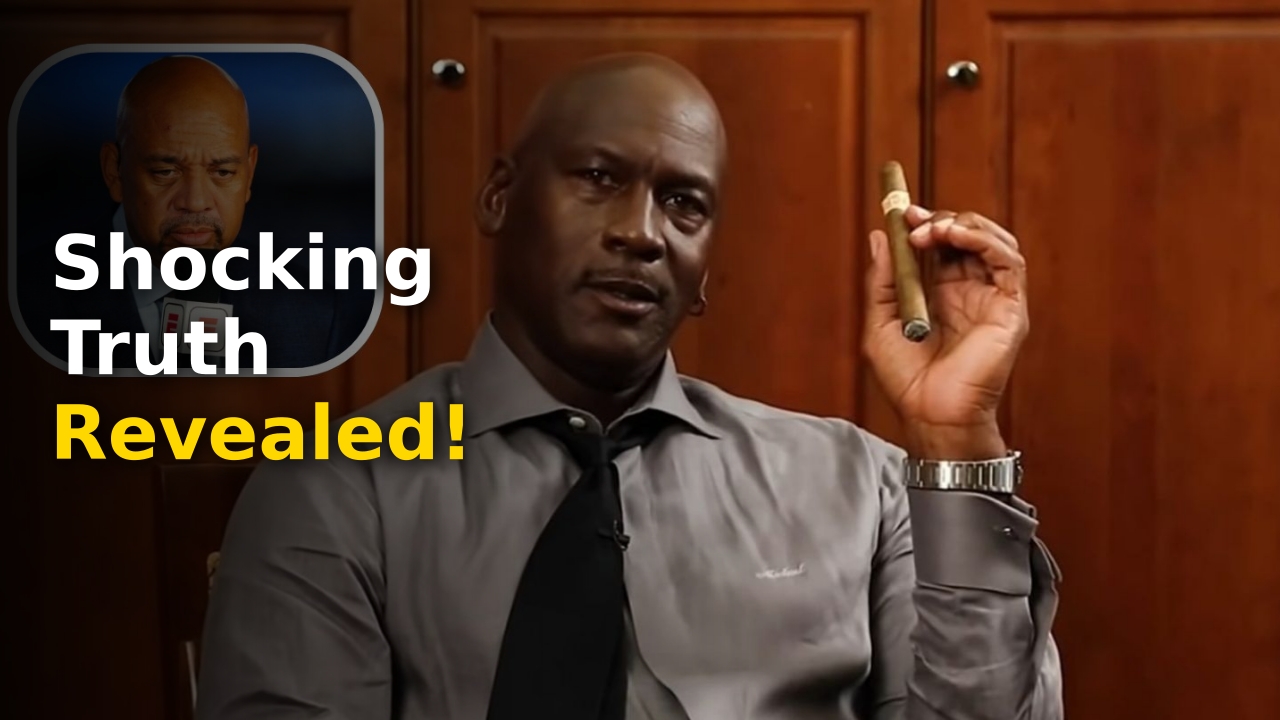
Do you remember the moment you heard that Michael Jordan was returning to television, triggering a massive ESPN panic? The sudden announcement sparked intense corporate anxiety across the executive offices in Bristol, Connecticut. You could practically feel the tension rising as network rivalries threatened to redefine the entire basketball broadcasting landscape.
For decades, The Walt Disney Company has dominated the sports media landscape with its flagship network. But when rival network NBC announced a major NBA reboot, the threat of losing the ultimate basketball icon shook the corporate hierarchy to its core. This potential shift threatened to destabilize years of hard-earned ratings dominance.
To understand why this situation caused such a massive shockwave, you have to look closely at the complex web of relationships in modern sports broadcasting. Let us explore the surprising facts surrounding this legendary media standoff.
The ESPN panic Begins
Inside the high-stakes world of sports broadcasting, the fear of losing market share is a constant corporate threat. When NBC Sports announced Michael Jordan as a special contributor for their upcoming reboot, panic spread like wildfire through competitor executive suites. You could feel the immediate shift in priority as managers rushed to assess the potential damage.
Corporate executives at Disney immediately began questioning how this move would impact their own upcoming NBA coverage packages. You can imagine the tension in the boardroom as executives scrambled to figure out the scope of Jordan’s new contract. Every single projection model had to be rewritten to account for this sudden celebrity threat.
After all, the Chicago Bulls legend remains one of the most commercially viable entities on the planet. Any media outlet with his exclusive backing gains an instant competitive edge in the battle for precious viewer attention. The commercial implications of his involvement were enough to keep executive teams awake at night.
According to legendary host Michael Wilbon, the level of concern inside his own network was incredibly high. He witnessed firsthand how his colleagues reacted to the news with instant anxiety and frantic phone calls. The sheer scale of the reaction highlighted the unparalleled power that Jordan still holds in the industry.
The rumors suggested that Jordan would be a regular fixture on the NBC studio set, directly competing against ESPN’s flagship pregame shows. If you are a sports executive, this is your absolute worst-case scenario. The thought of competing against the greatest basketball player of all time was highly intimidating.
The anxiety was further fueled by the complete mystery surrounding the official press release. Without concrete details, the media industry assumed the worst possible outcome for competitor networks. This lack of transparency created a breeding ground for wild speculation.
Behind Closed Doors
- Rumors circulated that Jordan was offered a multi-million dollar salary to dominate the airwaves. Industry analysts speculated that this deal could permanently shift the balance of power in sports television.
- Sports fans were already anticipating a nostalgic return of the iconic Roundball Rock theme song. Adding Jordan to the mix seemed like the ultimate finishing touch for a triumphant network return.
- ESPN executives reportedly held emergency meetings to discuss their defensive strategy. They needed to know if their own stars, like Stephen A. Smith, could counter this legendary threat.

Wilbon Drops The Truth
While others were losing their minds, Michael Wilbon remained completely calm during the entire ordeal. Having known Michael Jordan for over 40 years, Wilbon possessed unique insight into the athlete’s actual mindset. He knew that the corporate fears circulating through the industry were entirely overblown.
Wilbon quickly realized that Jordan had absolutely no interest in becoming a full-time studio analyst. The veteran journalist understood that Jordan’s lifestyle does not align with the grueling schedule of modern sports media. The billionaire owner has far more important ventures to manage than weekly television appearances.
During his recent appearance on the Awful Announcing Podcast, Wilbon shared his candid thoughts on the situation. He urged people to use some common sense when evaluating these massive media announcements. He knew Jordan was not about to travel weekly to sit on a crowded television set.
If you look at Jordan’s historical media appearances, they are incredibly rare and highly calculated. He rarely grants extended interviews, let alone weekly television segments with multiple co-hosts. This selective behavior has only increased his legendary mystique over the decades.
Despite Wilbon’s internal assurances, the corporate executives at Disney refused to let their guard down. They were too caught up in the media hype to see the obvious reality of the situation. This disconnect highlights the massive divide between corporate suits and seasoned journalists.
The drama eventually subsided, but the lessons learned from the incident remain highly relevant today. It proved that even the biggest media conglomerates are susceptible to rumor and speculation.
The Forty Year Bond
Wilbon’s relationship with Jordan dates back to the superstar’s early playing days in the 1980s. This personal connection gave Wilbon a level of access that network executives could only dream of accessing. He knew Jordan’s personal preferences better than almost anyone else in the media.
“I’ve had more conversations with Michael Jordan than the people at NBC or Disney ever have,” Wilbon proudly stated. This deep trust allowed him to see past the promotional smoke and mirrors. While others panicked, Wilbon simply watched the corporate drama unfold with great amusement.
He knew the entire situation was just a classic case of corporate overreaction. The bond between the journalist and the icon remains a powerful testament to authentic sports reporting.
The Ultimate Marketing Illusion
As the NBA season progressed, the truth about Jordan’s involvement with NBC slowly came to light. His highly anticipated role was ultimately limited to a single, pre-recorded interview with Mike Tirico. While the conversation was professional, it fell far short of the weekly studio presence fans expected.
This classic marketing strategy is often used by major networks to build early excitement for their programming. They leverage a legendary name like Jordan to secure maximum advertiser interest and viewer curiosity. It is a highly effective way to dominate the news cycle without committing long-term resources.
You have probably seen this tactic used before across various television networks and streaming platforms. A major celebrity is announced as a special contributor, only to make a few brief appearances. It keeps the audience tuned in while keeping production costs relatively low.
In this case, the strategy worked perfectly for NBC, even if it left sports fans feeling slightly disappointed. They captured the attention of the entire sports world without paying for a full-time analyst contract. The promotional value alone was worth millions of dollars in free advertising.
Meanwhile, the initial ESPN panic looked increasingly foolish in hindsight. The threat they feared so intensely turned out to be nothing more than a highly coordinated marketing stunt. It served as a stark reminder of how easily major corporations can be manipulated by clever PR.
Despite the lack of screen time, the interview itself was still highly discussed across sports forums. Jordan’s opinions on the modern game are always guaranteed to generate massive traffic and debate.
A Disappointed Fanbase
Basketball fans had envisioned Jordan sharing his unfiltered thoughts on the modern game on a regular basis. They wanted to see him debate current superstars and offer his legendary tactical insights. The reality of his limited participation left many feeling cheated by the network hype.
Instead, they received a highly polished, brief segment that offered very little new information. The disappointment was palpable across sports forums and social media platforms for weeks. Yet, from a purely business perspective, the marketing campaign was an absolute triumph.
NBC asserted its dominance early in the media rights war. They proved that they still know how to generate massive excitement for their sports coverage.
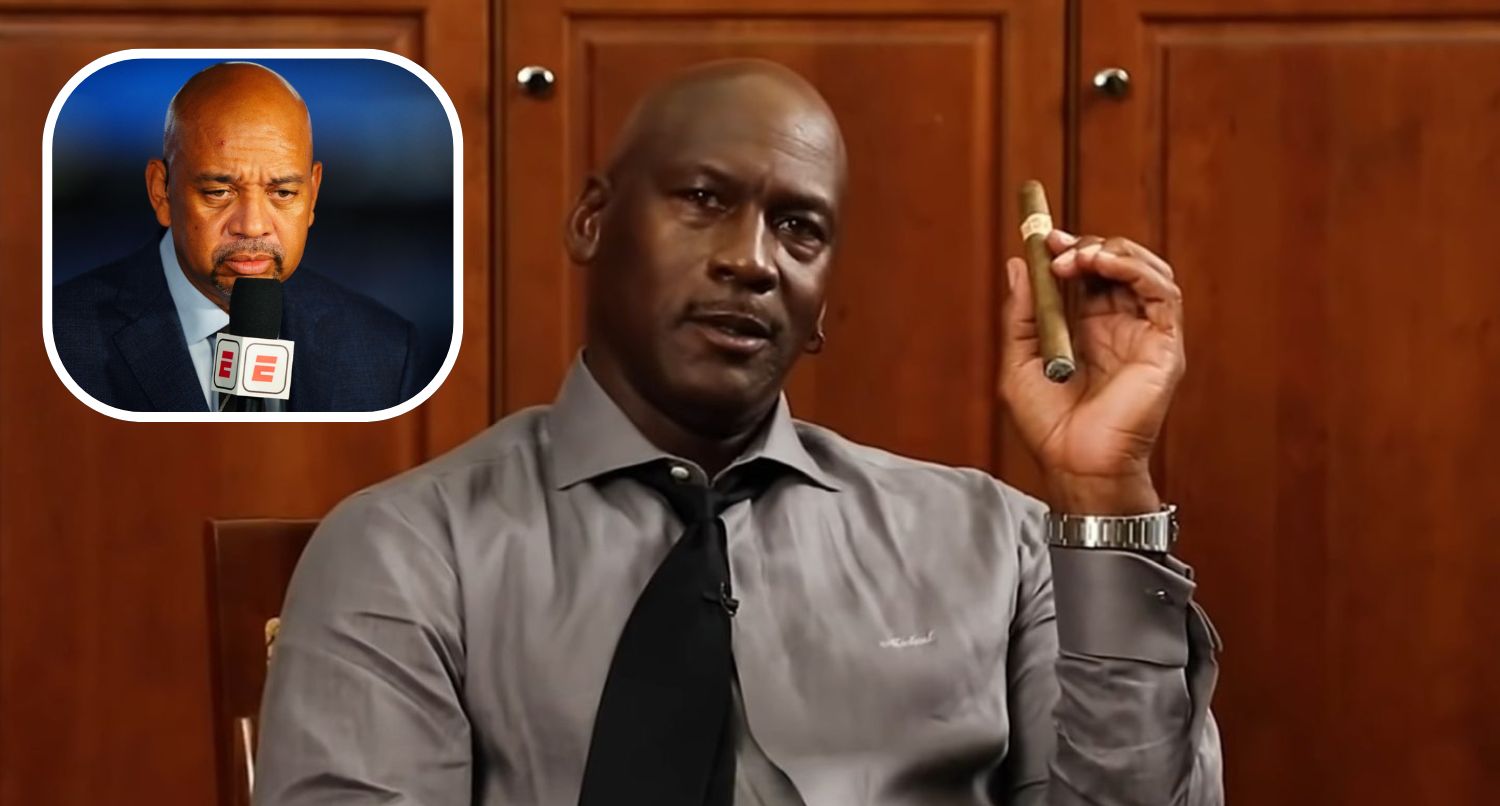
Media Rights By The Numbers
To truly understand the intensity of this corporate rivalry, you have to look at the financial figures involved. The battle for NBA media rights has reached unprecedented heights in recent years. Networks are willing to spend billions of dollars to secure live sports content for their platforms.
This massive investment explains why even a minor rumor about Jordan can cause such intense anxiety. Let us examine the estimated annual values of the latest NBA television deals to see the scale of this competition. These numbers show why networks cannot afford to lose any competitive advantage.
The financial pressure is what ultimately drove the executive anxiety behind closed doors. Every single viewer rating point translates directly into millions of dollars in advertising profit.
| Network Partner | Estimated Annual Deal Value | Key On-Air Personalities |
|---|---|---|
| ESPN / Disney | $2.6 Billion | Stephen A. Smith, Michael Wilbon |
| NBCUniversal | $2.5 Billion | Mike Tirico, Michael Jordan (Contributor) |
| Amazon Prime Video | $1.8 Billion | To Be Announced |
As you can see, the financial stakes are absolutely staggering for everyone involved in these negotiations. With billions of dollars on the line, any perceived shift in star power can impact corporate valuations. It is a game of high-stakes chess played on a global stage.
Understanding these economics makes it much easier to comprehend the dramatic reactions of network executives. They are playing a high-stakes game where losing is simply not an option for their shareholders. Every decision is calculated to maximize viewer retention and corporate profitability.
The competition between these major brands will only continue to heat up as the new broadcast deals begin. The landscape is shifting rapidly, and no network can afford to rest on its laurels.
The Search for Star Power
In the modern media landscape, traditional television networks must compete with aggressive streaming giants. This has forced traditional broadcasters to seek out iconic figures to maintain their cultural relevancy. If you want to dive deeper into the lifestyle and wealth of these media-dominating stars, check out the latest celebrity updates on Bright Celebrity insights. Their wealth and influence continue to shape the media deals we see today.
Jordan’s status as a billionaire athlete makes him the ultimate prize for any network looking to establish instant credibility. His brand transcends the sport of basketball, making him a household name across multiple generations.
As streaming services continue to acquire live sports rights, the demand for iconic talent will only increase. This environment guarantees that future talent acquisition battles will be incredibly fierce.
How ESPN panic Restructured Television
The entire episode serves as a powerful reminder of the incredible influence that Michael Jordan still holds over the sports world. Even in retirement, his name alone is enough to spark a massive ESPN panic and reshape corporate strategies overnight. His legacy as both a player and a global brand remains entirely unmatched in modern history.
For more information on Jordan’s legendary career and off-court business ventures, you can read his detailed profile on Wikipedia. His path from basketball player to global business mogul is a masterclass in brand building. He continues to inspire athletes and executives alike with his unmatched competitive drive.
Ultimately, the sports media landscape will continue to evolve as networks search for the next big rating driver. However, finding another figure with the gravitas of Jordan will be nearly impossible for any network. His unique combination of athletic dominance and cultural impact is a once-in-a-generation phenomenon.
Wilbon’s common-sense approach reminds us to look past corporate PR campaigns and analyze the reality of these deals. High-profile marketing will always exist, but genuine on-screen participation is a completely different story. It pays to be skeptical when major networks make grand promotional promises.
As you look forward to the next season of basketball coverage, remember that the battles behind the scenes are often just as dramatic as the games on the court. The tension between major networks ensures that the media wars are far from over. Executives are already planning their next moves in this relentless pursuit of ratings dominance.
Whether it is a clever marketing stunt or a genuine roster shift, the race for your attention will only grow more intense. And next time a major rumor breaks, you can bet that the corporate executives will be watching very closely.
More Like This
For more updates, check out our latest entertainment and sports news.