Key Takeaways
| Salt stomping involves standing on coarse crystals for 10 minutes nightly to induce sleep. |
| Medical experts report zero evidence that magnesium absorbs through feet to alter hormones. |
| The benefits are purely psychological, serving as a mindful ritual to signal body relaxation. |
| Neurologists warn of potential skin irritation and bacterial risks from open cracks or cuts. |
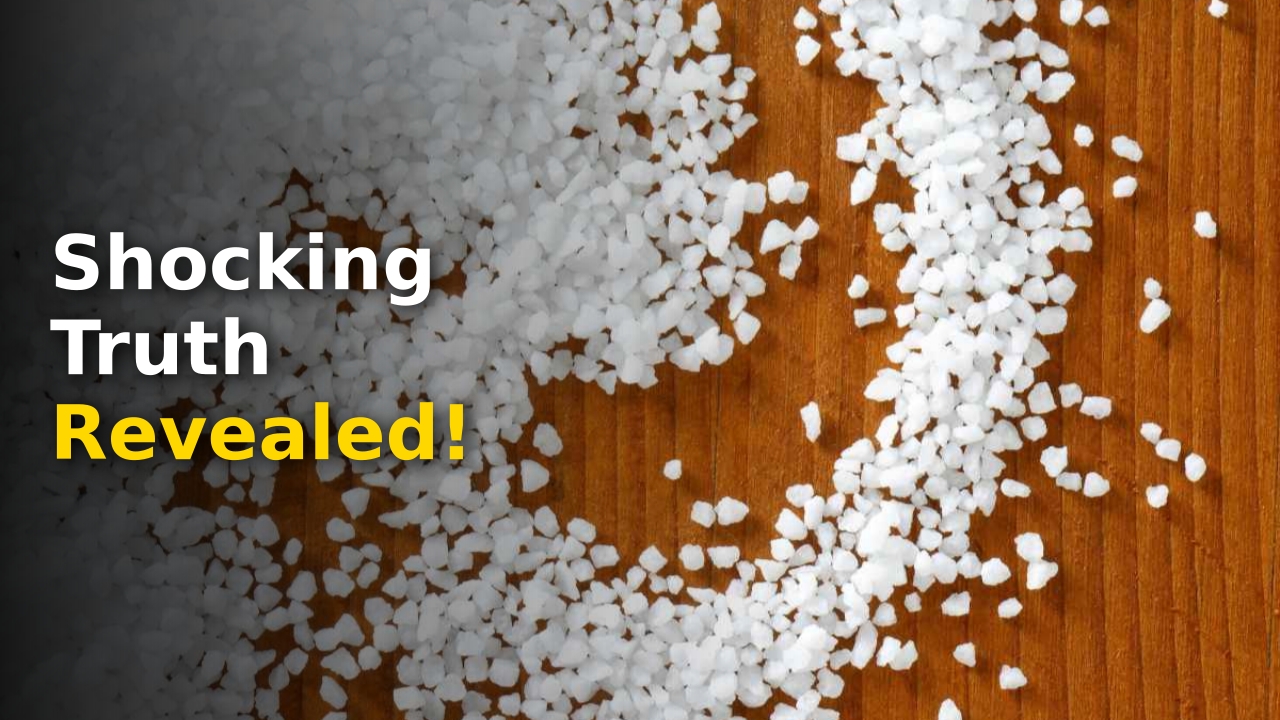
Epsom salt stomping has emerged as the latest unconventional ritual sweeping across TikTok, leaving thousands of users standing barefoot on piles of mineral crystals before they head to bed. You might have seen these videos—often filmed while people perform their nightly skincare routines—showing influencers carefully pouring coarse salt onto baking sheets or towels. But while the internet claims this sensory experience resets the nervous system, experts are sounding a major alarm about the reality behind the trend.
Standing on salt crystals is not just another quirky wellness fad; it is a movement that raises questions about how we define sleep hygiene. As you navigate the overwhelming volume of modern wellness trends, it is vital to distinguish between a placebo-driven mindfulness practice and scientifically backed health advice. Whether you are struggling with insomnia or simply curious about the latest viral phenomena, understanding the clinical perspective on this sensory ritual is essential before you pour your next bag of salt.
The Psychology Behind Epsom Salt Stomping
While the physical act of crushing salt under your feet might feel grounding, the scientific community is largely united in skepticism regarding its physiological impact. Psychiatrist Doreen Zarfati of Fountain has been vocal about the lack of data supporting claims that this practice can reset cortisol or serotonin levels. For many users, the perceived relief of anxiety is likely not coming from the minerals themselves, but from the simple, repetitive nature of the task. 
When you detach from your digital devices and focus on the tactile sensation of salt under your feet, you are essentially engaging in a form of guided meditation. Yale School of Medicine sleep expert Jacqueline Geer notes that the benefit is found in the intentionality of the action. By choosing to focus on a non-stimulating activity, you move your brain away from the frantic pace of the modern day. This transition is a core component of Forbes’ guide to optimal sleep hygiene, which emphasizes the necessity of a calm, pre-sleep environment.
The ritual serves as a “sensory anchor” that tells the body the workday is officially over. Because the human brain is easily distracted, having a concrete, tangible process helps you move from high-stress states into a state of rest. However, this is fundamentally different from the chemical absorption that many TikTok creators claim occurs. The skin on the soles of your feet is significantly thicker than other areas, making the theory of rapid magnesium uptake highly improbable, according to wellness experts like Katie Parobek.
Clinical Risks and Expert Warnings
Before you commit to 10 minutes of salt stomping every night, you must consider the dermatological implications. Neurologist and sleep specialist Dr. Chris Winter has issued a stark warning regarding the potential for physical harm. Standing on abrasive crystals can easily cause micro-tears in the skin of your heels and toes. If you already have existing cracks, blisters, or calluses, the salt can act as an irritant, exacerbating pain and opening pathways for bacterial infections.
In contrast to the risks associated with raw crystals, experts consistently point toward the established benefits of warm baths. Submerging your body in water helps regulate your core temperature; when you step out of a warm bath, your body temperature begins to drop, which is a powerful physiological signal to the brain that it is time to drift off to sleep. For those seeking the therapeutic effects of minerals, traditional soaking remains the gold standard for muscle relaxation and tension release. 
You should prioritize safety by avoiding direct contact with harsh, jagged crystals if your skin is sensitive. If you find the sensory stimulation helpful, consider using a soft, non-abrasive mat that provides texture without the risk of physical injury. Following the guidance of medical professionals is critical, especially when viral trends encourage practices that could compromise your skin barrier. Keeping your feet healthy and clean is far more beneficial for your long-term health optimization than any temporary social media hack.
Data Analysis of Sleep Rituals
| Method | Primary Benefit | Scientific Support | Risk Factor |
|---|---|---|---|
| Epsom Salt Stomping | Mindfulness/Sensory | Low | High (Skin irritation) |
| Warm Bath Soaking | Thermal regulation | High | Low |
| Deep Breathing | Nervous system reset | Very High | None |
Background and Expert Perspectives
The popularity of Epsom salt stomping fits into a larger cultural narrative of “grounding” or “earthing” practices that have surged in recent years. While the concept of connecting with the earth has historical roots in various cultures, the modern digital iteration often strips these practices of their context and replaces them with a desire for quick-fix results. As noted in Wikipedia’s overview of sleep hygiene, the most effective routines are those that are consistent, low-risk, and evidence-based.
By the numbers, the trend has captured millions of views, yet the clinical evidence remains at zero percent for efficacy. When you analyze the commentary from practitioners like Brooke Skinner, founder of The Ritual, there is a clear distinction between “aesthetic” wellness and “clinical” wellness. Skinner promotes the minerals for their ability to release tension, but she specifically advocates for the bath method, not the direct-pressure stomping method. This distinction is vital for consumers who want to feel better without causing harm to their skin.
Ultimately, you are your own best health advocate. If you are going to incorporate a ritual into your evening, ensure it does not negatively impact your physical health. The most effective sleep rituals—such as dimming the lights, avoiding screens, and maintaining a cool, dark room—have stood the test of time because they align with human biology. Do not feel pressured to jump on every viral lifestyle trend that arrives on your timeline without first researching the potential consequences.
People Also Ask
What happened with the salt stomping trend today?
The trend continues to be debated on social media as medical professionals clarify that there is no scientific evidence for its claimed health benefits. Physicians have warned that the abrasive nature of the salt may lead to skin damage rather than therapeutic results.
Why is salt stomping trending on TikTok?
It is trending because it offers a highly visual, sensory-based ritual that influencers claim helps with anxiety and sleep. The act is easily replicable at home, making it a popular choice for ‘nightly routine’ content creators.
How does this trend affect your skin health?
Dermatologists warn that standing on coarse salt can cause small cuts, worsen existing cracks on the feet, and allow bacteria to enter. The friction is abrasive and can lead to irritation for individuals with sensitive skin.
Does magnesium absorb through the feet?
There is no scientific evidence that significant amounts of magnesium are absorbed through the soles of the feet to reset the nervous system. The thick skin on the feet makes the transdermal absorption of these minerals highly unlikely.
Final Thoughts
In the quest for a better night’s rest, you are bombarded with endless hacks and rituals. While Epsom salt stomping provides a unique sensory experience that might help you feel more present, it lacks the scientific foundation to be considered a legitimate medical solution for sleep or anxiety. Before you jump onto the next big TikTok wave, remember that the most effective sleep practices are those rooted in gentle, non-harmful, and proven methods. Stick to your warm baths, consistent schedules, and calm environments, and you will likely see much better results without the risk of skin irritation.
More Like This
For more updates, check out our latest entertainment and sports news.