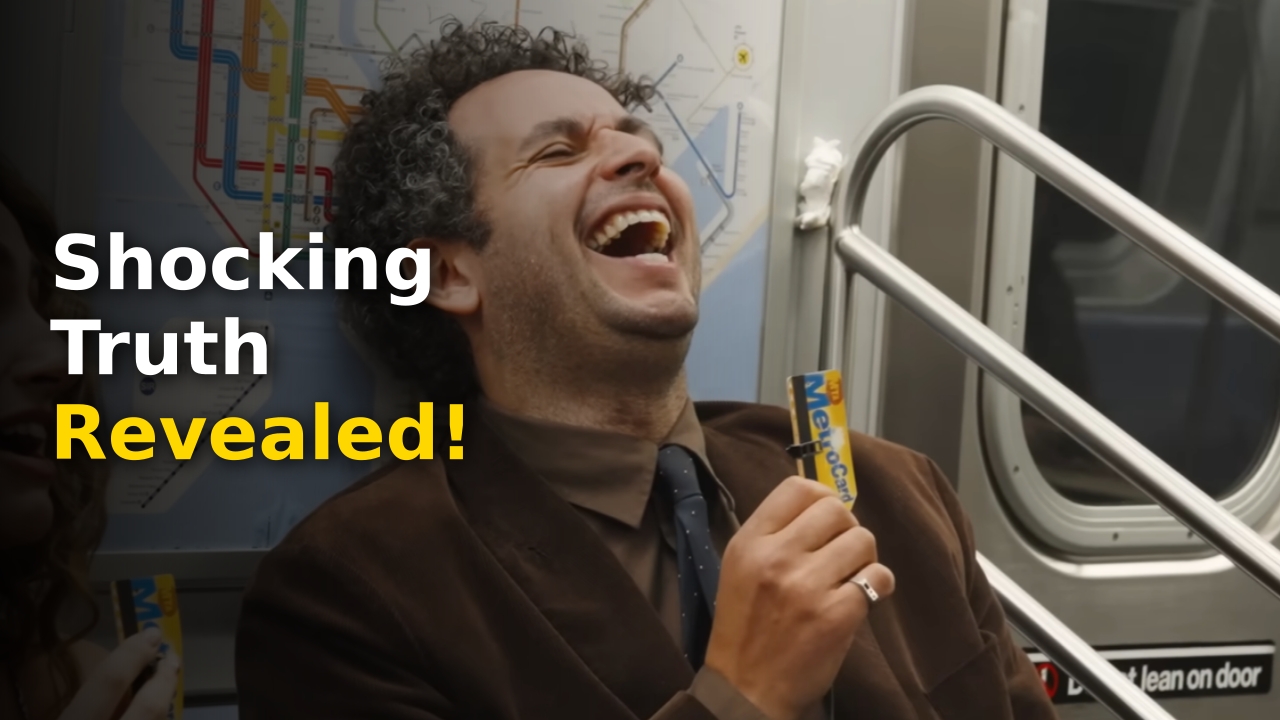
Emmy Hype is currently reaching a fever pitch, but if you look closely at the recent Primetime Emmy nomination for the show SubwayTakes, you will see a much different reality than the one YouTube is selling. You have been told that this nomination represents a historic breakthrough for the creator economy, yet the evidence suggests this is merely a well-funded marketing play rather than an industry paradigm shift.
As viewers, you are being invited to believe that the television Establishment has finally opened its doors to your favorite digital stars. In reality, you are witnessing a sophisticated campaign strategy designed to secure brand relevance in an increasingly fragmented media landscape. This article peels back the curtain on why this nomination matters less than you think.
Understanding Emmy Hype and Reality
The narrative being pushed by YouTube CEO Neal Mohan is that creators deserve the same respect as traditional television professionals. While this sounds like a noble mission for equality, the specific category in which SubwayTakes secured its nomination tells a more cynical story. The category, Outstanding Short Form Comedy, Drama or Variety Series, has long been treated as a junk drawer for content that doesn’t fit the traditional television mold.
For years, this category has been home to everything from late-night comedy sketches to promotional webisodes for high-budget dramas. It is a space where the Emmys dump content that they aren’t quite sure how to classify or value. By pushing SubwayTakes into this specific bucket, YouTube is effectively gaming the system to get a trophy without actually breaking into the marquee categories where the industry’s real power is measured.
You might wonder why this matters so much to a tech giant like YouTube. The answer lies in their desire to pivot from being a mere host of videos to being the ‘future of television.’ They are currently striking deals with giants like NBCUniversal and preparing to stream major events like the Oscars in 2029. Positioning themselves as an Emmy-winning studio is a crucial step in convincing blue-chip advertisers that their platform is as legitimate as cable or traditional streaming networks.
The irony is that creators themselves are often caught in the middle of these massive corporate power plays. While hosts like Kareem Rahma have earned their success, the Emmy push is a corporate initiative backed by awards strategists and heavy lobbying. This is no longer just about the talent; it is about establishing a beachhead in the Hollywood industry for a platform that has spent decades operating as an outsider.

When you analyze the history of this category, you see the wobbly nature of the Emmys’ relationship with the internet. Categories have been retired, merged, and renamed repeatedly since 2011. This inconsistency reflects an institution that is fundamentally unsure of how to integrate the creator economy into its rigid, decades-old reward structure. You are essentially watching a square peg being forced into a round hole while the industry pretends it is a revolution.
If you want to stay updated on the most relevant celebrity news, check out the latest reports from Bright Celebrity for a deeper look at the stars shaping our digital future. They cover the intersection of traditional fame and modern influence with the kind of nuance often missing from mainstream press coverage. Understanding these dynamics is essential for any modern viewer navigating the noise of the global media industry.
Defining the Creator Economy
- Shift in advertising dollars from traditional TV to digital platforms.
- The professionalization of YouTube production value through awards strategists.
- The rise of hybrid creators who blur the lines between YouTubers and Hollywood stars.
Comparing Emmy Hype to Netflix
To understand why this current YouTube push feels artificial, you must look at the 2013 Netflix breakthrough with House of Cards. Netflix did not just win a minor award; they disrupted the entire industry by producing long-form, high-budget scripted content that challenged HBO at its own game. They had writers’ rooms, unionized crews, and a traditional hierarchy that the Establishment understood and respected.
In contrast, YouTube shows like Hot Ones or SubwayTakes are inherently different beasts. They are designed for social media optimization, often focusing on clips rather than cohesive episodic narratives. While these shows are incredibly popular and culturally significant, they operate in an ecosystem that is fundamentally alien to the structures that underpin the Primetime Emmys. Brittany Broski and Sean Evans are superstars in their own right, but they are not operating within the traditional studio system.
The Academy of Television Arts & Sciences is essentially a labor organization that represents traditional Hollywood roles. When you bring YouTubers into the mix, you are asking the institution to redefine who it represents. This is not just a question of snobbery, though that exists; it is a question of existential survival for traditional industry roles. Will the Emmys ever truly welcome those who bypass the traditional gatekeepers?

For now, the boundaries remain porous, but they are clearly defined by the size of the production budget and the degree of institutional involvement. As traditional TV faces record instability, with networks pulling out of markets and production numbers shrinking, the creator economy is simply waiting for the dust to settle. They don’t need an Emmy to prove their value to an audience that has already moved on to digital platforms.
Yet, the urge for validation remains a powerful psychological trigger for many creators. They covet the gold statue as a symbol of ‘having made it’ in a town that still treats YouTube with a degree of condescension. YouTube, acting as a platform rather than a studio, is more than happy to facilitate this desire if it helps solidify their brand image.
Major Influencer Milestones
- The emergence of independent creators like Johnny Harris in documentary categories.
- The repeated recognition of The Randy Rainbow Show as a consistent, politically charged contender.
- The pivot of traditional hosts like Trevor Noah toward building independent creator businesses.
Data Analysis: The Nomination Landscape
The following table illustrates the recent shift in Emmy lobbying for digital-native content. You can see how the platform-led push has evolved from individual submissions to organized campaigns.
| Year | Strategy | Outcome |
|---|---|---|
| 2023 | Self-submission | Minor recognition |
| 2024 | Limited lobbying | Targeted nominations |
| 2025 | Full-scale campaign | High-profile buzz |
| 2026 | Total saturation | Mainstream integration |
This data highlights a clear trajectory toward total integration, yet the underlying value of these wins is still subject to debate. As YouTube pours millions into these efforts, they are effectively buying their way into the conversation. If you look at the financials, this is a drop in the bucket for a company that is fighting for every advertising dollar available in the digital marketplace.
Furthermore, the competition is getting tighter. Netflix is now actively courting the same creators that YouTube once owned exclusively. If Netflix decides to bring its massive lobbying power to the creator-FYC game, the entire landscape will shift again. YouTube’s current lead is tenuous at best, and the competition for talent is only going to intensify as streaming services look for low-cost, high-engagement content.
Final Thoughts on the Industry Shift
To conclude, while the Emmy Hype surrounding SubwayTakes is undeniably a PR win for YouTube, it should not be mistaken for a fundamental change in the television landscape. You are seeing a platform attempt to legitimize its inventory through the lens of a traditional award system that is struggling to remain relevant. The real revolution is happening in your living room, on your phone, and in the way you choose to consume content every single day.
Whether or not Kareem Rahma walks away with a trophy in 2026, the creator economy has already won the war for attention. The Emmys are simply the last remaining vestige of an older, more gatekept era. By recognizing this, you can better appreciate the content you watch without feeling the need to align it with the stamp of approval from an industry that is slowly fading into the background of modern media history.
More Like This
For more updates, check out our latest entertainment and sports news.