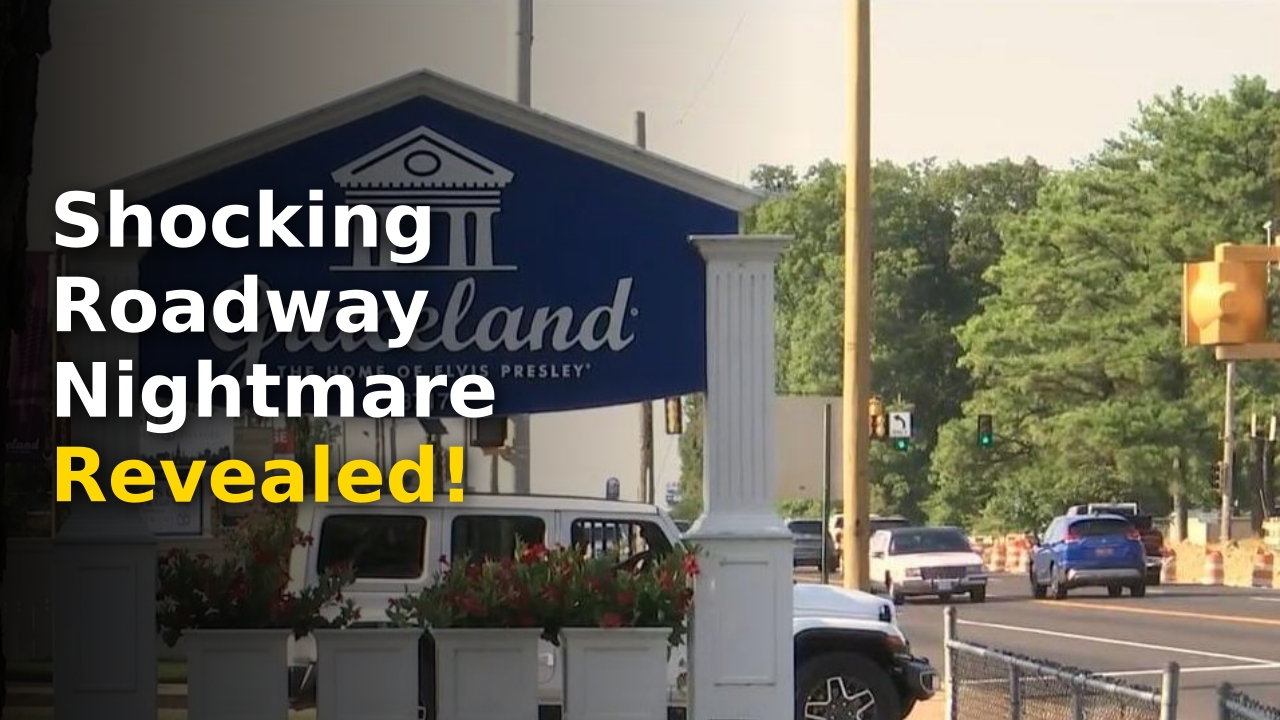
Have you ever planned an epic pilgrimage to the legendary home of the King of Rock and Roll only to find yourself trapped in a frustrating, multi-year orange-cone maze during Elvis Week?
This annual celebration brings thousands of global music fans to Memphis, but the festive mood is clashing with a brutal local reality. Visitors searching for the timeless spirit of the King must first survive a grueling, high-stakes gauntlet of heavy machinery and torn-up asphalt.
For over seven agonizing years, a critical three-mile stretch of Elvis Presley Boulevard has remained an active war zone of backhoes and dust. While city officials have managed to pause the chaos temporarily to welcome tourists, local merchants are demanding answers.
The Great Elvis Week Tourism Blitz

Global Fan Pilgrimages
Every August, the quiet neighborhood of Whitehaven transforms into a bustling international epicenter of music appreciation. Over 50,000 devoted fans make the journey to the historic Wikipedia Graceland mansion to pay tribute to the legendary cultural icon. The sheer volume of traffic puts an immense strain on the local infrastructure, making smooth roadways an absolute necessity.
For these visitors, the visual aesthetic of the historic corridor is a vital part of the experience. Finding the legendary boulevard covered in gravel and safety barrels destroys the nostalgia. Many travelers spend thousands of dollars on hotels, dining, and merchandise during this intense weekly window.
These dedicated visitors expect a pristine journey as they celebrate the legacy of their idol. When they are met with broken pavement, it casts a shadow over the entire trip. The city must do better to protect its most valuable cultural asset.
The Temporary Construction Pause
To protect the city’s reputation and facilitate safer traffic flow, municipal coordinators ordered a temporary pause on all heavy construction. For seven short days, the rumbling tractors and jackhammers will fall silent to allow the influx of visitors to navigate the area. It is a calculated move designed to keep tourist dollars flowing without the nightmare of gridlocked detours.
While tourists might enjoy a smooth transit this week, the underlying systemic problems remain hidden beneath the surface. The temporary peace is merely a band-aid on a deeply fractured municipal operation. Once the final tributes are sung, the heavy machinery will roar back to life on the dusty avenues.
Local drivers are relieved to get even a brief break from the daily gridlock. However, they know this temporary relief will quickly vanish once the visitors pack up and head home. The cycle of disruption is scheduled to resume almost immediately.
The Economic Stakes
Memphis relies heavily on the massive financial injection generated by these annual gatherings. Estimates suggest that local hotels, restaurants, and souvenir shops clear millions of dollars in revenue during this single week. Any disruption to the travel experience directly threatens the tax base of the entire municipal region.
If you explore the legacy of celebrity tourism, you will find that infrastructure plays a key role in repeat visits. Our analysis of celebrity-driven travel experiences reveals that tourist sentiment plummets when navigation becomes a frustrating chore. City leaders are fully aware that a bad experience along the main drag could permanently tarnish the brand of the King’s home.
When visitors leave disappointed, they share their negative experiences online with friends and family. This word-of-mouth feedback can severely impact future attendance figures for the annual event. Protecting the visitor experience is a matter of long-term economic survival.
Seven Years of Whitehaven Roadway Tribulation
A Project Without End
The ambitious overhaul of the iconic boulevard officially broke ground over seven years ago. What was sold to local residents as a routine modernization project quickly devolved into a multi-phase bureaucratic nightmare. The initial scope of work promised beautiful tree-lined medians, modern safety features, and upgraded utility access.
Instead, progress has moved at a glacial pace, leaving residents to wonder if the work will ever conclude. The continuous delays have turned daily commutes into stressful battles against unpredictable lane closures. Many locals feel abandoned by the local departments tasked with managing the long-term project.
The visual impact of the ongoing work has depressed property values in the immediate vicinity. Business facades are constantly covered in a thick layer of grey construction dust. Residents must navigate a daily maze of changing traffic patterns just to get home.
What Went Wrong
Industry experts point to a lethal combination of utility relocation delays, sub-contractor disputes, and shifting city priorities. Moving underground municipal pipes while maintaining continuous service for thousands of homes is an incredibly complex engineering task. However, the lack of urgency from project managers has turned a difficult job into an embarrassing saga.
The Tennessee Department of Transportation (TDOT) recently stepped in to demand greater accountability from municipal coordinators. In June, state officials announced heightened oversight to force more aggressive milestone completions. Yet, even with state pressure, the official completion timeline has slipped further into the future than anyone anticipated.
Conflict between various utility providers has further complicated the coordination process. Gas, water, and fiber-optic crews have struggled to align their schedules, leading to massive redundant efforts. This operational failure has drawn sharp criticism from local infrastructure watchdogs.
Looking Toward 2031
Perhaps the most shocking revelation of the entire ordeal is the newly projected completion date. Analysts do not expect the final phase of the boulevard project to wrap up until the year 2031. This means the community is facing another seven years of disruption and construction debris.
A fourteen-year total timeline for a three-mile stretch of road is practically unprecedented in modern municipal planning. Children who were in elementary school when the project started will be driving their own cars by the time the final cone is removed. The psychological impact on the community is starting to take a severe toll.
Local leaders must explain why a project of this scale requires more time than building the original interstate highway system. The community is tired of excuses and demands a realistic, expedited recovery plan. Until then, frustration along the historic route will continue to boil over.
Essential Project Timeline and Milestone Metrics
To understand the immense scale and sluggish pace of the project, we must examine the specific data points. The following breakdown highlights the agonizing journey of the boulevard renovation project.
| Project Phase | Key Focus Areas | Target Completion Year |
|---|---|---|
| Phase 1 | Utility relocation, water line updates, initial grading | Completed (Late) |
| Phase 2 | Roadway widening, drainage improvements, basic sidewalks | Ongoing |
| Phase 3 | Landscaping, pedestrian crossings, decorative lighting | 2031 (Projected) |
This data reveals why public frustration has reached a boiling point in recent months. The slow pace of these improvements directly threatens the economic survival of local independent retailers.
Breaking Down the Infrastructure Scope
The extensive engineering goals of this project include comprehensive utility upgrades that should stabilize the neighborhood’s grid. Older water pipes are being replaced with modern, high-durability systems to prevent future failures. While these updates are invisible to the average driver, they are crucial for long-term development.
Additionally, the planned sidewalk network aims to make the boulevard significantly more pedestrian-friendly. This will allow tourists to safely walk from their hotels to local dining establishments without risking their lives. Improved landscaping should also restore some of the historic charm to this legendary avenue.
Adding trees and modern lighting will eventually elevate the aesthetic value of the entire neighborhood. However, the benefits of these future additions are hard to appreciate when navigating deep trenches and detours. The immediate focus must remain on completing the basic roadway surfaces.
The Cost of Delays
Every year of delay increases the overall financial burden of the project due to rising material costs. Inflation has driven up the price of asphalt, concrete, and specialized labor significantly since the groundbreaking. Taxpayers are ultimately footing the bill for this extended timeline and poor administrative coordination.
The lack of communication between the city and utility subcontractors has created redundant work cycles. Crews have occasionally been forced to dig up freshly laid asphalt to access overlooked electrical connections. These avoidable mistakes represent a massive waste of public funds and valuable physical labor.
Local fiscal groups are calling for an independent audit of the project’s expenditures. They want to ensure that taxpayer money is not being squandered on administrative inefficiencies or idle contractor crews. Transparency is desperately needed to rebuild trust with the local community.
Local Whitehaven Business Owners Fight Back

The Tragedy of Big Bill’s Barbecue
For long-standing local establishments, the construction has been a slow-moving financial disaster. Phyllis Gibbons, a prominent voice at the family-owned Big Bill’s Barbecue, has watched her customer count dwindle. Her beloved restaurant has proudly served the community for 15 years, surviving economic downturns and national crises.
However, the endless road closures and confusing detour signs are proving to be their toughest challenge yet. Customers frequently assume the restaurant is inaccessible or closed due to the surrounding heavy equipment. This drop in foot traffic threatens the livelihood of loyal employees who rely on the restaurant’s daily operations.
The owner’s message to the city is simple: get busy and finish the job. They cannot afford to wait another seven years for a functional road outside their front door. Every day of delay brings them closer to a permanent shutdown.
The Silent Corridors
A drive down the boulevard during non-holiday weeks reveals a depressing scene of empty parking lots. Independent retail shops, local salons, and specialized service centers are struggling to stay afloat. Without a steady stream of local drive-by traffic, these businesses are slowly starving for revenue.
The owners feel that the city has prioritized the grand tourism of Graceland while ignoring the local shops. While the tourist destination receives beautiful upgrades, the smaller businesses are left to drown in the dust. The community is demanding immediate financial relief or tax breaks to offset the ongoing construction damage.
Many of these shops are family-run operations that represent the lifeblood of the Whitehaven economy. When they close, they leave behind vacant storefronts that invite blight and neglect. The city must protect these local enterprises to prevent systemic economic decline.
Demanding Urgent Accountability
Frustrated business owners are calling on city leaders to step up and deliver real solutions. Local activist groups are organizing to demand a faster construction timeline and clearer communication. They want the city to utilize round-the-clock work shifts to expedite the remaining phases.
When media outlets reached out to Memphis City Councilwoman Pearl Walker for answers, she was unavailable for comment. This lack of communication from elected officials only deepens the feelings of abandonment within the community. Business owners are determined to keep pressure on the council until concrete promises are made.
They are planning town hall meetings to force city representatives to face their constituents directly. The time for vague excuses and political posturing has long since passed. The community demands transparency, action, and a firm commitment to speed up the work.
Navigating the Chaotic Future of Elvis Week
Balancing Progress and Heritage
As another iteration of Elvis Week unfolds, the city faces a delicate balancing act. Officials must find a way to honor the profound cultural legacy of the King while executing modern infrastructure updates. Progress cannot be completely halted, but it must be managed with a sense of urgency and respect.
The temporary pause proves that the city has the power to control the construction environment when they choose to. Locals hope this same level of coordination can be applied to the everyday management of the project. Whitehaven residents deserve a safe, functional, and beautiful neighborhood all year round, not just during tourism season.
If they can clear the roads for tourists, they can surely find a way to accelerate work for the taxpaying residents. The discrepancy in treatment has left a bitter taste in the mouths of many locals. True municipal progress should benefit everyone, not just seasonal visitors.
A Call to Support Local
If you are planning to attend the festivities this year, make a conscious effort to support the local merchants. Grab a plate of authentic Southern food at local spots like Big Bill’s Barbecue to help keep their dreams alive. Your tourist dollars can be the literal lifeline that keeps these legacy businesses open through the hard years ahead.
The true spirit of Memphis is not just found in the glamorous mansion, but in the resilient people who build the community. By supporting local business owners, you help preserve the rich culture of this iconic Southern corridor. Let us celebrate the music while fighting for the future of the neighborhood that keeps the legend alive.
Your choices as a consumer have real-world consequences for these hard-working families. Make this annual gathering a celebration of community support and local resilience. Together, we can ensure that the music never dies on this historic boulevard.
More Like This
For more updates, check out our latest entertainment and sports news.