Elongated penny collecting is not just a dusty pastime for hoarders; it represents a fascinating intersection of American ingenuity, numismatic history, and small-business grit. Have you ever wondered why a simple flattened coin, transformed by a hand-cranked machine, can capture the imagination of millions and spark a lucrative weekend side-hustle?
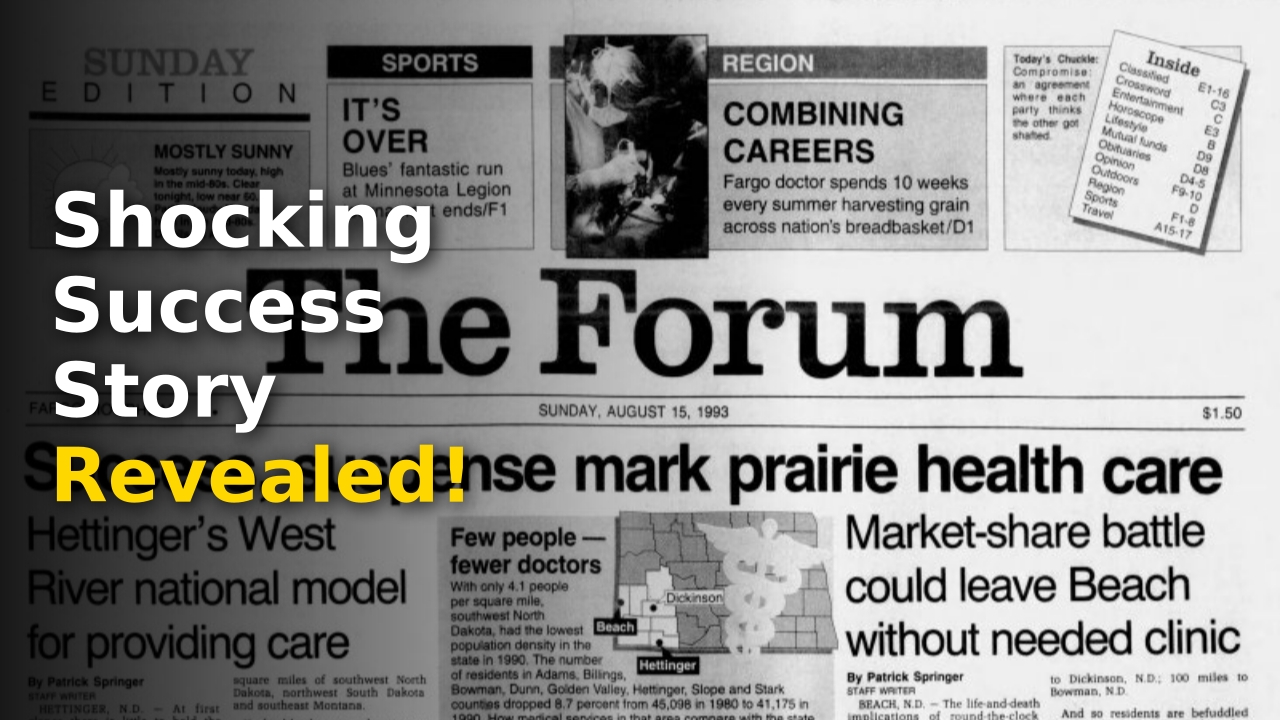
Back in 1993, two men from Minot, North Dakota, turned this obscure hobby into a local phenomenon. By salvaging industrial components and applying pure Midwestern work ethic, they proved that you do not need a massive corporation to find success in the niche world of souvenir manufacturing.
The Elongated Penny Phenomenon
The story of John Mrozla and Stan Henderson serves as a masterclass in identifying market gaps. While their neighbors were busy with traditional careers, these two men saw the untapped potential in a coin press. They were not merely printing souvenirs; they were creating tactile memories for attendees at fairs, threshing bees, and flea markets across the state.
These machines are modern marvels of simplicity. By exerting immense pressure through hardened steel dies, the copper coin is effectively stretched and embossed with a new, permanent design. For a mere 50 cents, a customer walks away with a piece of localized history. This low barrier to entry for the customer, combined with the high perceived value of a custom-designed keepsake, created a perfect storm for the duo.
It is important to remember that this wasn’t just a garage experiment. The duo sourced their dies from Indiana and mounted their press on a historical bannister salvaged from the Cooperstown, N.D. high school. This attention to provenance added a layer of storytelling that collectors crave. Whether it was a design commemorating a local town or the popular Lord’s Prayer imprint, their inventory was always tailored to the specific audience in front of them.
Managing a small business at this scale requires more than just a good machine. It requires an intimate understanding of the raw material. The partners exclusively hunted for pennies minted in 1982 or earlier, when the composition was still largely pure copper. Later coins, which incorporated zinc, lacked the structural integrity to produce the crisp, shiny results their customers demanded. This meant hours spent scouring bank rolls, a task that often left bank tellers baffled at the request for $25 in pennies.

The business model was simple yet effective: high volume, low overhead. Even during slow patches at events, they would intentionally give away the Lord’s Prayer designs. This strategy, as Stan Henderson famously noted, was a way to lose money on individual units to build the necessary momentum for the day. For those interested in how modern side-hustles compare to these 90s-era legends, you can read more about modern entrepreneurial trends here.
Technical Hurdles
- Identifying pre-1982 copper purity for maximum durability.
- Finding the perfect balance between souvenir pricing and event booth fees.
- Navigating the legal landscape of currency modification post-1968.
- Logistical challenges of transporting heavy, custom-built industrial presses.
Numismatic Historical Roots
To understand why this hobby carries weight, one must look back to the World’s Columbian Exposition in Chicago in 1893. This massive event marked the first time the public was widely introduced to the concept of the elongated coin. One hundred years later, Mrozla and Henderson were celebrating this centennial by keeping the tradition alive in the heart of the Great Plains.
The legal shadow cast over this craft is often the biggest point of friction. Many people assume defacing currency is a federal crime. However, a landmark shift in 1968 clarified that as long as the coin is not being used to misrepresent its face value—such as trying to pass a flattened penny off as a nickel—the act is perfectly legal. The partners kept a bold, prominent sign on their machine that read Yes, it’s legal, serving as both a disclaimer and a marketing hook.
Despite the legality, the hobby isn’t without its detractors. Some bankers and skeptics viewed the machines with suspicion. Mrozla, who balanced his housing finance career with his passion for the press, often had to defend the artistic integrity of the work. It wasn’t about destroying money; it was about elevating a common object into a piece of art.
For the duo, the work was also deeply personal. Mrozla, a musician who played the upright bass for Bugsy and the Boys, found that the rhythm of the machine often matched the classical music he blasted in his garage. His partner, Henderson, brought a different energy, favoring rock and country. This clash of personalities and tastes was the glue that kept their operation from becoming stagnant.
The passion for this niche art form extends beyond the Dakotas. There are currently estimated to be roughly 200 dedicated collectors of these souvenirs across the United States. While that might sound like a small number, the dedication of these individuals is immense. They swap rare dies, trade state-specific designs, and document the history of every machine they encounter.
If you are looking to dive deeper into the world of numismatic history, you might want to visit the Wikipedia page on elongated coins to see how the technology evolved from the 1893 World’s Fair to the high-tech automated machines of today. The hobby has clearly evolved, but the thrill of watching the metal stretch under pressure remains timeless.
The Economics of Rolling
Running a successful penny-rolling operation requires a firm grasp of local demand. For instance, the partners realized that the steam threshers reunion at Rollag, Minnesota, was a massive engine for growth. They literally wore out their arms cranking out 4,000 pennies for that single event. It was a physical testament to the demand for tangible local history.
These figures highlight the physical toll of the business. Mrozla often mused that someone smarter would have attached a motor, but there was a distinct, artisanal charm in the manual labor. It was a performance art of sorts, drawing crowds who would stand for half an hour just to watch the transformation of a 1-cent coin into a personalized keepsake.

Marketing played a crucial role in their survival. They weren’t just showing up; they were advertising. They placed ads in local newspapers, ensuring that when they arrived at a fairground, there was already a line of interested customers waiting to trade their 50 cents for a piece of the action.
They even faced the potential extinction of their craft. If the United States government were to stop minting the penny, the duo was prepared to pivot. Their machine could theoretically be adjusted for nickels or dimes, though the cost of dies would increase significantly. This adaptability is the hallmark of any successful small business that manages to survive for decades.
It is also worth noting that the Canadian pennies of that era were often used interchangeably, although they were subject to different legal restrictions. This global perspective on local commerce allowed them to maintain a steady supply of metal, even when U.S. banks were running low on the specific 1982-era coins they preferred.
The cultural impact of these pennies is surprisingly broad. Sunday School teachers, for example, became a primary demographic for the Lord’s Prayer pennies. Giving these away to students created a generation of youth who associated the simple, flattened piece of copper with their childhood faith and education.
Comparative Profitability Table
| Event Type | Average Output | Demand Level |
|---|---|---|
| Threshing Bees | 4,000+ units | Extreme |
| Valentine’s Day | Moderate | High (Gift focused) |
| Local Fairs | 1,500 units | Consistent |
Lessons for Modern Entrepreneurs
The success of the Minot duo teaches us that the most valuable business assets are often hidden in plain sight. They didn’t invent a new product; they reimagined an old one. By focusing on quality materials—the pure copper pennies—and local storytelling, they carved out a business that was both sustainable and emotionally resonant.
We can look back at their 1993 adventure as a reminder that grit, manual labor, and a willingness to engage with the public are universal components of success. Whether you are running a digital media empire or a penny-rolling booth, the underlying principle is the same: give the customer a unique story they can hold in their hand.
Looking at the legacy of these men, we see a commitment to craft that is rarely found in the digital age. They weren’t optimizing for a click-through rate; they were optimizing for a smile from a child who had just witnessed a penny turn into a piece of art. That is the true value of the elongated penny.
As we move further into an increasingly paperless economy, these physical keepsakes become even more rare and valuable. They serve as a physical connection to the communities and events that define our lives. The next time you see a machine tucked into the corner of a gift shop, take a moment to crank the handle. You are participating in a tradition that spans over a century.
Ultimately, the story of these two men is about the joy of making something happen. They took their hobbies, their specific tastes in music, and their partnership to create something that lasted. In a world of fleeting trends, there is something profoundly grounding about a piece of copper that has been shaped by hand.
If you take away one lesson from this look at history, let it be this: success is often found in the most unlikely of places. Keep your eyes open for the small, overlooked opportunities in your own community, and don’t be afraid to put in the work to polish them into something extraordinary.
More Like This
For more updates, check out our latest entertainment and sports news.