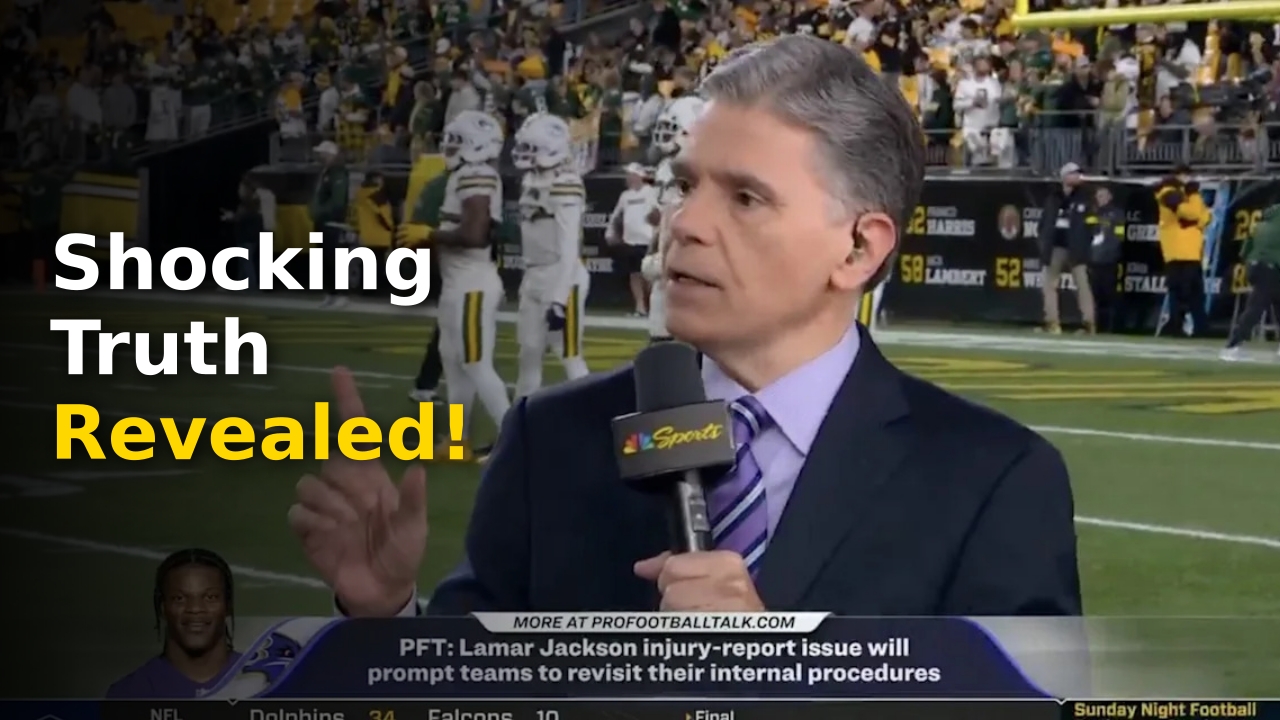
Editorial Influence is the invisible hand shaping every highlight and headline you see on your screen, and the recent power shift between the NFL and ESPN has fans asking if the truth is being sold to the highest bidder. You deserve to know if the sports news you consume is objective journalism or merely a high-budget public relations machine for the league. When ESPN finalized its landmark deal to acquire NFL Media in exchange for a 10 percent equity stake earlier this year, the landscape of sports broadcasting shifted on its axis.
The core of the controversy lies in whether a network can truly hold a billion-dollar entity accountable when that same entity literally owns a piece of the network. While both ESPN and the NFL have repeatedly claimed that this financial marriage will not stifle investigative reporting, skeptics like Mike Florio are sounding the alarm. You have to wonder if the “Worldwide Leader in Sports” is slowly becoming a secondary office for league headquarters in New York.
So far, the network has kept up appearances by retaining heavy hitters like Don Van Natta Jr. and publishing critical pieces on the Rooney Rule. But the real test isn’t just what they report; it is how and when they choose to show it to you. The mechanics of Editorial Influence are often subtle, found in the timing of a social media post or the length of a television segment rather than an outright ban on a story.
Editorial Influence Under Fire
The concept of Editorial Influence isn’t just about what gets deleted; it’s about what gets buried in the backyard of the internet on a slow news day. Mike Florio, the founder of Pro Football Talk, recently highlighted a chilling possibility on The Varsity podcast regarding how ESPN might navigate its new partnership. He suggests that while the network might still “check the box” on journalism, they could easily dim the spotlight on stories that make the NFL look bad.
Think about the last time a massive scandal broke in the sports world. Usually, the reporter who broke the story is featured on every show from Get Up to SportsCenter to First Take. This is often referred to as the ESPN car wash, a relentless cycle of coverage that ensures a story dominates the national conversation. Florio’s concern is that this megaphone might be turned off for stories that hurt the league’s bottom line.
If a reporter like Seth Wickersham uncovers a massive financial discrepancy or a toxic workplace environment within an NFL front office, will ESPN treat it like a lead story? Or will it be relegated to a quiet Friday afternoon release when the world is looking toward the weekend? This strategic timing is a powerful tool for controlling Editorial Influence without appearing to censor the news directly.
The Equity Stake Reality
- Financial Alignment: A 10 percent stake means ESPN’s valuation is now partially tied to the NFL’s public image and financial success.
- Corporate Synergy: Shared assets often lead to shared goals, which can conflict with the adversarial nature of investigative journalism.
- Conflict of Interest: Reporters may feel internal pressure to “play ball” to avoid upsetting the league that effectively helps pay their salaries.
- Access vs. Accountability: The fear is that being too critical could lead to a loss of the exclusive access that makes ESPN the top destination for fans.
You can find more about the history of major sports broadcasting on Wikipedia, which details how networks have evolved over the decades. The evolution of ESPN from a scrappy cable startup to a massive corporate partner of the leagues it covers is a fascinating study in media economics.

The Van Natta Factor
To understand the current state of Editorial Influence, you have to look at the individuals on the front lines of the network’s investigative unit. Don Van Natta Jr. is a Pulitzer Prize winner who has spent 15 years digging into the NFL‘s most guarded secrets since joining the network in 2011. His recent re-signing was a signal to the industry that ESPN isn’t ready to fire its watchdogs just yet.
The network also employs stars like Kalyn Kahler and Seth Wickersham, who are known for their deep-dive profiles and systemic critiques of league operations. These journalists are the ultimate litmus test for the network’s soul. If their work continues to reach the masses with the same intensity as before the NFL Media deal, then perhaps the fears of corporate interference are overblown.
However, the skepticism remains because the NFL is a master of narrative control. The league has its own network, its own writers, and now, a seat at the table with the world’s biggest sports broadcaster. This level of Editorial Influence is unprecedented in the modern era of sports media. It creates a situation where the line between news and marketing becomes dangerously thin.
As you navigate these stories, looking for exclusive celebrity financial insights can often reveal the hidden motivations behind major corporate mergers. Money is always the driving force, and in the world of NFL broadcasting, the stakes have never been higher. Roger Goodell and Bob Iger are playing a high-stakes game where the fans’ trust is the ultimate collateral.
The reality is that ESPN needs the NFL more than the NFL needs ESPN. With the rise of streaming services like Amazon Prime Video and Netflix entering the live sports space, ESPN must keep the league happy to maintain its dominant market position. This power dynamic is the foundation upon which Editorial Influence is built.
Key Investigative Reporters to Watch
- Don Van Natta Jr.: The investigative titan who has pursued the league’s darkest corners for over a decade.
- Seth Wickersham: Known for breaking open the inner workings of the New England Patriots and the Dallas Cowboys.
- Kalyn Kahler: A rising star whose reporting focuses on the human element and systemic issues within the league.
- T.J. Quinn: A veteran presence who often tackles the legal and ethical dilemmas facing professional sports.
Tracking Media Equity Data
Understanding the weight of Editorial Influence requires looking at the actual numbers involved in these media deals. The NFL is a $19 billion annual revenue machine, and its media rights are the crown jewels of the entertainment industry. When a network takes an equity stake, it isn’t just a partnership; it is a merger of interests.
This table breaks down the various ways in which major sports entities have integrated with their media partners over the last several years. You can see how the NFL has strategically moved to gain more control over its own narrative while simultaneously profiting from the broadcast rights fees that continue to skyrocket.
| Network/Entity | Ownership Stake | Key Property | Estimated Value |
|---|---|---|---|
| ESPN (Disney) | 10% NFL Owned | Monday Night Football | $2.7 Billion/Year |
| NFL Network | 100% NFL Owned | NFL Scouting Combine | $Multi-Billion Asset |
| YES Network | 26% Yankees Owned | NY Yankees Games | $3.47 Billion |
| NESN | 80% Red Sox Owned | Boston Red Sox | $2.1 Billion |

The Billion Dollar Conflict
The conflict of interest inherent in this deal is something that cannot be ignored by anyone who values the integrity of sports news. When Editorial Influence is dictated by the very people the news is supposed to be about, the consumer is the one who loses. You have to ask yourself if you’re getting the whole story when you tune into NFL Live or Sunday NFL Countdown.
Critics point to the Rooney Rule report published in July 2024 as a clever piece of misdirection. While the report was critical, its timing in the middle of summer—long before the coaching carousel begins—meant it didn’t have nearly the impact it would have had in January. This is exactly what Mike Florio means when he talks about the strategic placement of content to minimize damage.
ESPN is a massive machine with dozens of platforms. If they want a story to go viral, they have the power to make it happen in minutes. If they want a story to fade away, they can simply choose not to talk about it on their morning debate shows. This passive form of Editorial Influence is much harder to prove than an editor deleting a paragraph, but it is just as effective at protecting the brand.
We are entering an era where the major sports leagues are becoming their own media houses. The NBA, MLB, and NHL are all watching the NFL‘s deal with ESPN very closely. If the league can successfully neutralize negative press while still maintaining the appearance of a free press, it will become the blueprint for every other sport on the planet.
How Fans Can Spot Bias
- Check the Lead: Is the most important story being led by the network’s biggest stars or is it hidden on the website?
- Look at the Guest List: Are the people being interviewed all league employees or are there independent voices included?
- Follow the Money: Always remember who owns the platform you are using to get your news.
- Analyze the Language: Is the reporting using “corporate speak” or is it using direct, investigative language?
Mike Florio Drops Bombshells
Mike Florio has never been one to shy away from criticizing the powers that be. His Pro Football Talk platform has thrived by being the counter-voice to the corporate-approved narratives coming out of Park Avenue. In his latest analysis, he didn’t just mention the 10 percent stake; he questioned the very soul of the network’s mission.
He noted that Editorial Influence is most visible during a crisis. Think back to the Concussion crisis or the Deflategate saga. Those stories required a network that was willing to stand up to the NFL and say, “This is wrong.” If those stories broke today, would ESPN be as aggressive? Or would the equity stake force them to soften the blow for their partners?
The reality is that Disney, ESPN‘s parent company, is a business that prioritizes shareholder value. If a hard-hitting investigative piece threatens a multi-billion dollar relationship with the NFL, the corporate pressure to “tone it down” will be immense. You are seeing the slow erosion of the wall between the business office and the newsroom.
The strategic timing mentioned by Florio is the smoking gun. By releasing critical reports during the off-season or burying them during major holidays, a network can technically claim they did their job while ensuring that the league’s reputation remains largely intact. This is the new reality of Editorial Influence in the age of big-tech sports media.
Final Editorial Influence Verdict
The ultimate verdict on Editorial Influence at ESPN will not be written today or tomorrow. It will be written over the next several years as we see how the network handles the next major NFL scandal. Whether it’s a player safety issue, a financial dispute, or a legal battle involving a team owner, the network’s response will tell us everything we need to know about who is truly in charge.
For now, you should remain a critical consumer of sports media. Don’t take every headline at face value and look for the stories that *aren’t* being shouted from the rooftops. The 10 percent equity stake is more than just a line item on a balance sheet; it is a permanent change in the DNA of how sports news is reported in America.
The NFL‘s reach is expanding, and its control over its own image has never been more absolute. As long as Editorial Influence remains a tool for corporate protection rather than public information, the fans must be the ones to demand accountability. Keep your eyes on the timing, watch the spotlight, and always remember that in the world of professional sports, the biggest plays often happen off the field.
In the end, Editorial Influence is a test of character for the executives at Bristol, Connecticut. They have the best reporters in the world and the biggest platform in the world. The question is whether they have the courage to use them when the truth hurts their own bottom line. The world is watching, and as Mike Florio says, the timing will be telling.
More Like This
For more updates, check out our latest entertainment and sports news.