The Discovery Trail is finally breaking ground on its newest phase, completely revolutionizing how you will navigate the sprawling North Texas landscape. Imagine hopping on your bicycle at Panther Island Pavilion in Fort Worth and pedaling non-stop all the way to downtown Dallas without ever battling highway gridlock.
Urban planners and outdoor enthusiasts across the Dallas–Fort Worth metroplex have dreamed about a unified regional pathway for decades. Today, that vision is turning into poured concrete and engineered bridges as heavy machinery moves into position.
This massive active transportation corridor represents a multi-million-dollar investment designed to improve public health, reduce emissions, and redefine regional connectivity. You are witnessing the birth of a world-class recreational highway built for cyclists, runners, and daily commuters alike.
Discovery Trail Mega Project Overview
The groundbreaking of the Discovery Trail marks a pivotal milestone for infrastructure in North Texas. Spanning more than 66 miles when fully finished, this continuous active transit artery links five core municipalities together seamlessly.
Crews are focusing immediate efforts on closing critical gaps between existing trail networks along the Trinity River corridor. You will soon be able to travel between Fort Worth, Arlington, Grand Prairie, Irving, and Dallas on dedicated, off-street concrete paths.
Local leaders from the North Central Texas Council of Governments (NCTCOG) have spearheaded the initiative to create alternate transportation routes. This ambitious venture aligns directly with broader lifestyle and community developments sweeping across rapidly expanding southern hubs.
The engineering blueprint demands specialized pedestrian bridges, lighted underpasses, and durable trail surfaces capable of enduring severe Texas weather. Safety remains the highest priority for civil engineers as they navigate complex riverbanks and existing highway overpasses.
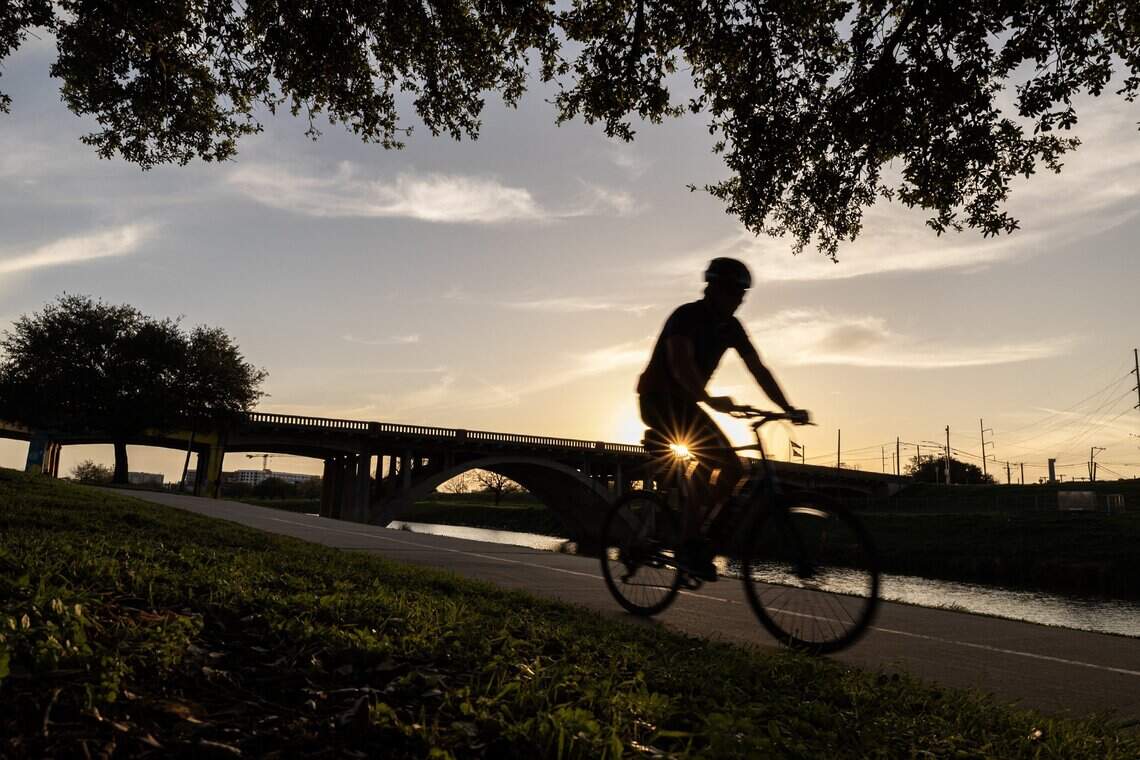
Cyclists on the popular Trinity Trails system will see immediate benefits as new connectors link urban centers with scenic nature preserves. The project bridges the physical divide between bustling downtown sectors and peaceful riparian ecosystems.
Federal grants, regional bond programs, and municipal transportation funds are financing this massive undertaking. Community advocates emphasize that every dollar spent will yield significant returns in local economic vitality and resident wellness.
Regional Trail Network Highlights
- Over 66 continuous miles of paved, illuminated multi-use pathways connecting 5 major cities.
- Direct integration with existing recreational networks including the historic Trinity Trails system in Tarrant County.
- Grade-separated crossings at major thoroughfares to guarantee maximum pedestrian and cyclist safety.
- Strategically placed resting plazas featuring water stations, solar-powered lighting, and automated repair stands.
- Direct access to key sports arenas, arts districts, entertainment hubs, and mass transit stations.
Key Construction Phases and Timelines
Engineers have structured the rollout across multiple accelerated phases to minimize local disruption and open completed segments early. Phase one focuses on high-priority bridge installations across Trinity River tributaries where gaps have historically stalled cross-city travel.
Contractors are mobilizing heavy grading equipment near riverfront easements across Arlington and Grand Prairie this quarter. You can expect initial trail surface paving to progress rapidly through late 2025 and early 2026.
Subsequent stages will install state-of-the-art emergency call boxes, comprehensive wayfinding signage, and environmental mitigation zones. Native wildflower plantings and erosion-control barriers will line both sides of the concrete route to preserve native habitats.
Construction managers are working closely with regional railroad operators to build secure crossings over active freight tracks. These intricate engineering feats require millimeter-level precision to ensure uninterrupted train logistics while keeping trail construction on schedule.
City planners are coordinating utility adjustments to ensure underground fiber and water lines remain undisturbed during deep excavation. Regular milestone reports will keep residents informed as each distinct city segment reaches completion.
The target completion date for all remaining gap connections will establish an uninterrupted route before the arrival of major global sporting events. Regional transportation leaders want the corridor fully operational to showcase North Texas infrastructure on an international stage.
Major Cities Connected by Route
The journey begins in the cultural heart of Fort Worth, originating near vibrant riverfront hubs and historic stockyard districts. Cyclists can depart the shaded banks of the Clear Fork Trinity River and head eastward along newly expanded pathways.
As you pedal into Arlington, the route connects seamlessly with world-famous sports destinations and entertainment epicenters. Fans will soon have the unique option to ride their bicycles directly to major stadium venues on game days.
The path then winds through the scenic parklands and community centers of Grand Prairie, providing suburban neighborhoods with direct trail access. Families will enjoy safe, off-street recreation without having to load bikes onto car racks.
Continuing northeast into Irving, the trail intersects the dynamic corporate and residential developments surrounding the Las Colinas Urban Center. Daily commuters can swap bumper-to-bumper highway gridlock on State Highway 183 for a stress-free riverside ride.
The eastern terminus guides commuters directly into the heart of downtown Dallas and the trendy Design District. This direct link unites two powerhouse metropolitan economies through sustainable, active transit infrastructure.
Local business owners along the route are already preparing for an influx of foot and bike traffic. Coffee shops, craft breweries, and bike repair outposts are scouting commercial parcels situated directly adjacent to planned trailheads.
Discovery Trail Regional Impact Data
The long-term benefits of the Discovery Trail extend far beyond weekend cycling excursions. Detailed economic models show that multi-use infrastructure generates substantial revenue through sports tourism, increased property values, and retail spending.
Public health researchers estimate that thousands of residents will utilize the path weekly for cardiovascular exercise. The convenience of an interconnected trail encourages more active daily routines for citizens of all age groups.
Environmental analysts highlight the measurable reduction in vehicle miles traveled as commuters embrace e-bikes for mid-range daily trips. Shifting local journeys from crowded highways to clean electric micro-mobility helps improve overall air quality across North Texas.
| Project Metric | Phase Target | Estimated Completion | Primary Regional Benefit |
|---|---|---|---|
| Total Corridor Length | 66+ Miles | Late 2026 | Seamless Cross-County Mobility |
| Connecting Municipalities | 5 Core Cities | Active Phasing | Unified North Texas Access |
| Paved Path Width | 12-14 Feet | Ongoing Standard | Bi-Directional Safety |
| Pedestrian Bridges | 8 Key Structures | Mid 2026 | Grade-Separated River Crossings |
| Transit Integrations | TRE & DART Stations | Late 2025 | Multi-Modal Commute Options |
Urban real estate developers are targeting land parcels situated along the corridor to construct mixed-use residential developments. Having direct front-door access to an extensive recreational trail network has quickly become a premier selling point for new apartment complexes.
Hospitality groups are also taking note of the project’s commercial potential. Plans for guided bicycle tours, regional charity marathons, and outdoor gear rental stations are already in development among area entrepreneurs.
Economic and Recreation Future
This landmark undertaking will forever transform how future generations experience the dynamic communities of North Texas. By prioritizing green infrastructure, civic leaders are building resilient transit alternatives that will serve the region for decades.
You will no longer view our major cities as isolated islands connected only by congested highway lanes. The trail unites diverse neighborhoods into a cohesive, accessible, and active community fabric.
As construction crews pour the remaining concrete links, excitement continues to build across the entire metropolitan area. Whether you are an elite endurance athlete, a daily commuter, or a casual weekend walker, this regional path offers something special for you.
The transformation of North Texas into a nationally recognized cycling destination is well underway. The groundbreaking of the Discovery Trail represents a bold leap forward for regional cooperation, economic prosperity, and outdoor recreation.
More Like This
For more updates, check out our latest entertainment and sports news.