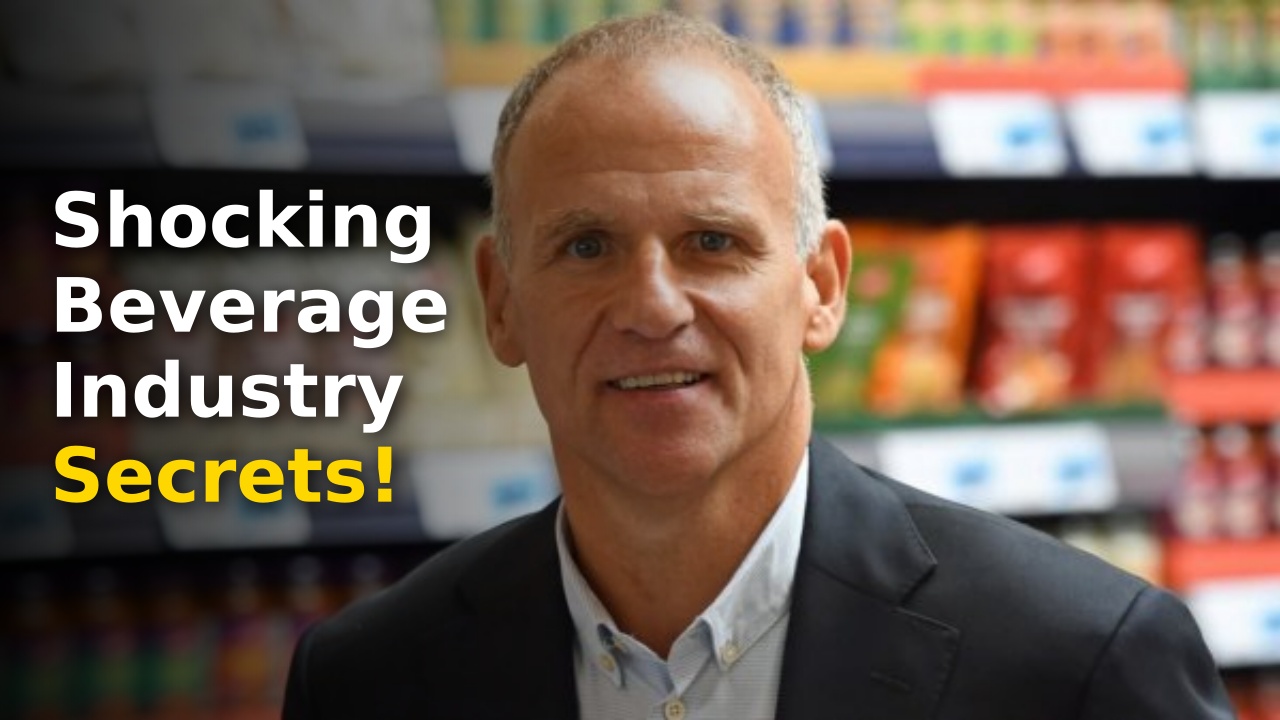
Are you watching your favorite high-end liquor prices skyrocket while executive boardrooms face unprecedented chaos? The premium beverage ecosystem is undergoing a seismic realignment right now. As Diageo Supply encounters fierce macro-economic resistance, financial heavyweight Dave Lewis has been called upon to engineer a high-stakes operational turnaround.
Known across financial circles as “Drastic Dave,” the legendary corporate fixer is taking direct aim at systemic inefficiencies. Renowned financial commentator Alex Brummer recently spotlighted this aggressive intervention in London’s financial presses. Investors in London and New York are intensely monitoring every strategic adjustment as market volatility intensifies.
The central question echoing through global exchanges is straightforward yet critical. Can a relentless emphasis on operational discipline rescue a heritage conglomerate facing post-pandemic hangover headaches? Discover how this drastic transformation will alter executive leadership, retail pricing, and shareholder returns across 2026 and beyond.
Diageo Supply Crisis Explained
The severe disruption impacting Diageo Supply did not manifest overnight. A sudden contraction in consumer demand across Latin America left regional distributors drowning in unsold inventory. This severe imbalance prompted massive inventory write-downs exceeding $300 million during recent fiscal quarters.
Chief Executive Debra Crew encountered intense criticism after multiple profit warnings rocked the London Stock Exchange. Supply chain bottlenecks in key manufacturing hubs like Edinburgh and Mexico City exacerbated shipping delays. Unsold cases of premium tequila and aged whiskey accumulated rapidly in regional warehouses.
Retail networks simply stopped taking new shipments while clearing existing backlogs. This dramatic bullwhip effect severed communication channels between distillery output and real-world consumer purchasing patterns. To understand how legacy brands navigate deep structural crises, explore exclusive corporate transformation reports covering top-tier leadership overhauls.
Key Bottlenecks In Spirits Distribution
- Excessive channel inventory clogging distribution hubs in Brazil and Mexico.
- Escalating glass packaging costs rising by 18% year-over-year.
- Extended freight transit times adding 14 days to international shipping routes.
- Inaccurate sales forecasts underestimating sudden shifts toward budget-friendly alternatives.
Fixing such wide-scale logistics failures requires far more than surface-level cost slicing. Corporate leadership needed a seasoned tactician capable of dismantling bloated organizational frameworks. Step in Dave Lewis, whose reputation for radical cost restructuring precedes him everywhere he goes.
Financial markets rallied slightly following rumors of his direct involvement in refining supply operations. Industry veterans recognize that repairing a global supply chain demands uncompromising operational discipline. However, execution errors during a high-stakes pivot can easily alienate key retail distributors.
As reports from Reuters confirm, major beverage conglomerates are battling persistent inflationary pressures across every primary market. Consumers are tightening personal budgets, leaving expensive spirits sitting untouched on store shelves. The immediate pressure on top-line revenue makes operational efficiency an absolute survival imperative.
Drastic Dave Steps Up Action
When Dave Lewis earned his famous nickname during historic turns at Unilever and Tesco, he earned it through unyielding determination. His trademark strategy involves identifying hidden operational redundancies and slashing overhead with surgical precision. At Tesco, he successfully eliminated billions in structural waste to rescue retail operating margins.
Now applying his formidable skill set to spirits manufacturing, Lewis focuses intensely on procurement and factory output. Raw material sourcing agreements across Europe and North America are undergoing comprehensive renegotiations. Subcontracted logistics partners face stringent new performance metrics under revised service agreements.
Factory shifts at major distilling plants are being recalibrated to prevent catastrophic overproduction. By matching output directly with scanned point-of-sale data, production units eliminate expensive storage surcharges. This hyper-lean operational doctrine represents a profound departure from traditional beverage inventory tactics.
Strategic Cost Cutting Priorities
- Consolidating raw material suppliers to leverage $1.2 billion in purchasing power.
- Eliminating redundant middle-management logistics roles across regional headquarters.
- Implementing real-time tracking technology to eliminate missing transit stock.
- Standardizing bottle designs to diminish manufacturing complexity by 25%.
Employees and middle managers are bracing for rigorous structural changes across multiple operating divisions. Historically, corporate restructurings directed by Lewis involve severe reductions in corporate headcounts. Yet financial analysts argue these measures remain strictly necessary to protect global operating margins.
Revising primary manufacturing parameters also requires renegotiating distribution contracts across over 180 countries. Wholesalers accustomed to generous volume rebates are now adapting to leaner stocking schedules. The overarching goal centers on establishing an agile network capable of reacting instantly to demand shifts.
If successfully executed, this aggressive operational reset could save the beverage giant an estimated $500 million annually. Financial markets remain cautiously optimistic, waiting for tangible signs of margin recovery. Every single operational unit is feeling the heat under this relentless corporate inspection.
Alex Brummer On Corporate Shakeups
Veteran financial columnist Alex Brummer offered a razor-sharp commentary regarding this corporate drama. Writing for major UK outlets, Brummer highlighted the immense pressures mounting against board members in London. He pointed out that legendary consumer brands cannot rely solely on historical prestige when global volumes slump.
Brummer emphasized that bringing in Dave Lewis signaled explicit acknowledgment of deep-seated internal operational vulnerabilities. The board recognized that incremental adjustments would fail to resolve profound structural inventory imbalances. Radical interventions were desperately needed to restore institutional investor confidence.
City analysts have openly questioned whether former executive leadership drifted into complacency during post-pandemic consumption booms. When sales surged organically, inefficient supply practices were easily masked by surging top-line revenue figures. Once consumer spending decelerated in late 2024, those systemic flaws were brutally exposed.
Financial Shockwaves In London Markets
- Share values plunged by nearly 20% following unexpected Latin American margin compression.
- Institutional investors demanded board-level operational accountability and executive changes.
- Credit ratings agencies placed corporate debt outlooks under heightened monitoring.
- Dividend coverage ratios dropped to uncomfortable multi-year lows.
Brummer noted that corporate fixers like Lewis rarely care about hurt feelings inside cozy executive suits. Their sole mandate involves restoring operational efficiency and maximizing shareholder value regardless of traditional corporate politics. This ruthless clarity often generates friction between legacy directors and external restructuring specialists.
Furthermore, internal friction between marketing teams and supply supervisors often complicates operational turnarounds. Marketing campaigns frequently promise massive volume growth that factory floors simply cannot balance efficiently. Streamlining communications across these isolated departments remains a primary objective for restructuring experts.
Brummer concluded that the outcome of this operational overhaul will set a crucial precedent for consumer goods titans globally. If a dominant market leader stumbles during its operational pivot, rival distillers will quickly seize shelf space. The stakes surrounding this corporate intervention could not possibly be higher.
Diageo Supply Data Breakdown
Understanding the sheer scale of the challenges facing Diageo Supply requires examining raw operational metrics. The following financial overview highlights performance disparities between previous operational frameworks and target operational benchmarks set for 2026.
| Operational Metric | Historical Baseline (2024) | Restructured Target (2026) | Strategic Impact |
|---|---|---|---|
| Average Inventory Days | 145 Days | 95 Days | Unlocks $400M in working capital |
| Operating Margin | 26.2% | 30.5% | Restores historical profitability levels |
| Logistics Overhead Costs | $1.8 Billion | $1.3 Billion | Slashes annualized operational waste |
| Distribution Facility Count | 62 Global Hubs | 45 Consolidated Hubs | Eliminates regional warehouse redundancy |
These ambitious targets demand massive changes in everyday operational procedures. Reducing inventory days from 145 days down to 95 days represents an extraordinary operational hurdle. Distillers must precisely align barrel aging schedules with volatile end-consumer demand trends.
Furthermore, consolidating distribution hubs from 62 down to 45 requires closing unprofitable facilities across multiple territories. Local labor unions and regional governments have expressed concern over potential job reductions. Yet corporate leadership maintains that consolidation is vital to securing long-term economic stability.
Boosting operating margins back above 30% will require absolute price discipline in competitive retail markets. Distillers cannot simply raise wholesale prices without risking market share loss to aggressive low-cost rivals. Consequently, every single percentage point of margin expansion must originate directly from internal cost reduction.
Financial analysts believe achieving these metrics by late 2026 will satisfy demanding institutional shareholders. If metrics fall short of targets, executive turnover will undoubtedly accelerate. The operational playbook implemented today will dictate the company’s financial health for the next decade.
Future Outlook For Global Distillers
The entire consumer goods sector is paying close attention to this high-stakes corporate turnaround. If aggressive supply chain re-engineering succeeds at a brand of this scale, rival manufacturers will quickly copy the model. The era of loose corporate inventory management and unchecked operational spending has officially ended.
Modern spirits consumers are exhibiting shifting purchasing behaviors as inflation impacts disposable household income. While ultra-premium spirits sales remain somewhat resilient, mid-tier categories face persistent pricing pressure. Managing multiple brand tiers under tight operational constraints demands exceptional strategic balance.
Digital inventory tracking systems powered by machine learning algorithms are playing an increasingly central role. By integrating retail checkout data directly into distillery management platforms, production planning becomes predictive rather than reactive. Technology adoption sits at the absolute core of this modern restructuring roadmap.
In key growth regions like India and Southeast Asia, distribution networks are being built around modern digital infrastructure from day one. These emerging markets offer higher long-term growth trajectories compared to saturated Western European markets. Restructuring legacy Western logistics hubs frees up essential growth capital to capture these lucrative emerging opportunities.
Corporate leaders who adapt swiftly to changing macro-economic realities will maintain dominant market positions. Those clinging to outdated distribution frameworks risk severe margin erosion and activist investor challenges. The restructuring playbook currently deployed serves as a crucial case study for modern executive leadership.
Final Assessment On Diageo Supply
Ultimately, the multi-phase overhaul of Diageo Supply orchestrated by corporate heavyweights highlights a broader industrial reality. Premium brand heritage alone cannot protect multinational corporations against severe supply chain mismanagement and shifting economic conditions. Decisive leadership, operational transparency, and rigorous inventory controls remain the ultimate metrics of corporate health.
As Dave Lewis continues enforcing operational discipline across global manufacturing sites, investors remain cautiously optimistic. The immediate future will require uncomfortable choices, workplace restructuring, and aggressive contract renegotiations. However, establishing a leaner operational framework provides the foundation required to navigate future economic disruptions successfully.
Keep a close eye on upcoming quarterly earnings reports as these operational modifications take full effect. The lessons emerging from this corporate intervention will shape global retail strategy for years to come. Staying informed on strategic corporate turnarounds empowers you to make smarter, highly informed investment choices.
More Like This
For more updates, check out our latest entertainment and sports news.