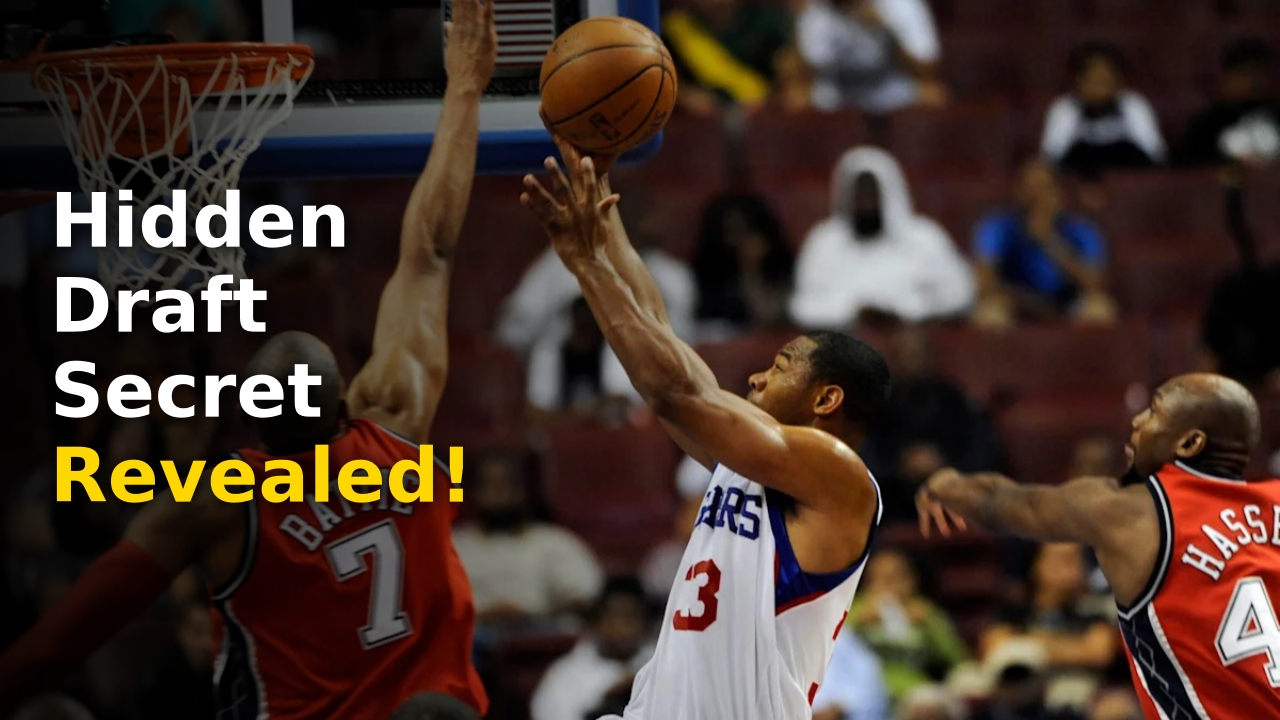
Detroit Mercy is a program that often flies under the radar, yet it has left a unique mark on the complex tapestry of NBA draft history. You might be surprised to learn that despite the long-standing tradition of major scouting pipelines, the connection between this specific university and professional basketball franchises remains a fascinating study in niche talent evaluation.
While many fans obsess over blue-chip prospects from massive power conferences, the reality of the NBA draft is a wide-net approach where hidden gems are hunted in every corner of the country. This analysis reveals the singular, albeit brief, intersection where a Titans star crossed paths with the aspirations of a professional scouting department.
The Detroit Mercy Legacy and Draft Trends
Basketball scouts operate under immense pressure to identify undervalued talent, often turning their attention toward programs like the University of Detroit Mercy. These smaller institutions provide a proving ground for players who possess raw skill but lack the national spotlight afforded to bigger schools. You will find that for every player drafted from these ranks, there is a intense story of grit, determination, and professional ambition that defines the modern scouting era.
The journey from the Horizon League to the professional hardwood is arduous, requiring consistent performance against both high-level collegiate competition and the scrutiny of league executives. When a school manages to produce even a single draft candidate, it speaks volumes about the coaching staff’s ability to foster professional habits. Detroit Mercy has historically maintained a program ethos that prioritizes fundamentals, which is exactly what NBA teams look for when filling out their summer league rosters or seeking project players.
Understanding this history requires you to look beyond the box scores and examine the broader landscape of how franchises scout mid-major talent. The transition from college to the professional level is rarely linear, often involving years of development in the G-League or overseas before a player secures a consistent rotation spot. 
Historically, the draft serves as the primary gateway for collegiate athletes to enter the National Basketball Association, where parity and performance metrics dictate roster stability. Teams like the Thunder have consistently utilized their draft picks as assets, either to bolster their own lineup or as trade bait for seasoned veterans. This strategic approach ensures that even smaller schools remain on the radar of front offices.
The role of the mid-major prospect has evolved significantly over the last two decades as analytics become more central to decision-making processes. Modern algorithms now track efficiency ratings and defensive versatility that were previously invisible to human eyes alone. Consequently, players from programs like the Titans are analyzed with a level of granular detail that was unimaginable during the early 2000s.
Your interest in this specific historical footnote highlights the enduring appeal of basketball narratives that span across different tiers of the sport. Every drafted player, regardless of their eventual success, represents the culmination of thousands of hours of practice and immense personal sacrifice. This is the essence of why we follow the draft with such fervor each offseason.
Key Factors for Mid-Major Success
- Elite basketball IQ and understanding of defensive schemes.
- Consistent performance across four full seasons of college play.
- Ability to adapt to professional coaching expectations during pre-draft workouts.
- Exceptional physical metrics that translate to the next level.
- A proven track record of leadership during high-stakes conference games.
Comparative Analysis of Draft Selections
When you examine the draft history of professional teams, it becomes clear that selecting players from non-traditional pipelines is a high-risk, high-reward strategy. While some teams focus exclusively on top-five programs, others like the organization featured in today’s news cast a wider net. You can view the data below to see how specific draft years impact the organizational depth of modern professional teams.
| Draft Category | Historical Metric |
|---|---|
| Draft Year | 2003 |
| Draft Position | 41st Overall |
| Collegiate Tenure | 4 Years |
| Professional Impact | N/A (Did not debut) |
Data tells the story of the “what ifs” that define many draft-day decisions. Even when a player does not reach the standard of a long-term starter, the process of drafting them is a testament to the potential scouts saw during their collegiate years. You can learn more about these developmental trajectories by visiting our insights page for further analysis on athlete career cycles.
The 2003 draft class is famously remembered as one of the deepest in modern memory, featuring future hall-of-famers who changed the trajectory of the league. Being drafted in the second round of such a class, even if the player ultimately did not stick, remains a significant achievement for any athlete. 
As you reflect on these statistics, remember that NBA success is as much about timing and roster fit as it is about individual talent. Many players find themselves drafted into situations where the team is already deep at their position, making the path to the regular rotation nearly impossible. This reality is a cornerstone of the professional basketball landscape that few casual observers truly appreciate.
The evaluation process for a player from the Titans involves looking at how they perform in transition and their ability to space the floor. These skills are universal, though the competition level in the Horizon League creates a challenge for scouts trying to project performance against elite NBA defenders. It is this ambiguity that makes draft day such a thrilling, unpredictable event for fans and teams alike.
Beyond the numbers, the human element of these selections cannot be ignored. Every athlete dreams of hearing their name called, a moment that validates their commitment to the sport since their childhood days on local playgrounds. When teams take a chance on a player from a smaller institution, they are betting on the person just as much as the prospect.
Ultimately, the draft serves as a reminder that greatness can originate from anywhere. While some programs are perpetually in the headlines, the occasional success or selection of a player from Detroit Mercy proves that talent truly knows no boundaries. It is these stories that keep the sport vibrant and competitive, year after year.
Refining the Scouting Process
Modern scouting departments have transitioned from traditional methods to data-driven approaches that utilize advanced tracking technology. You might wonder how a player’s impact is quantified beyond the basic stat sheet; it now includes high-speed cameras and wearable devices that monitor movement patterns. These tools allow teams to identify players whose physical tools might exceed their collegiate output.
The depth of information available today means that hidden gems are increasingly rare, as every high school prospect is now tracked by recruiting databases. However, the value of four-year college players, like those coming from Detroit Mercy, remains high due to their maturity and experience. These players have faced adversity and have developed the emotional resilience required to survive in the professional ranks.
Team management frequently debates the balance between potential and experience when evaluating late-round draft picks. Potential is often prioritized in the high lottery, but experience becomes the deciding factor as the draft progresses into the second round. You will find that teams often look for players who can contribute in specific niche roles immediately upon entering the league.
This analytical approach requires scouts to travel thousands of miles to watch games in person, ensuring that intangibles are captured alongside the statistics. Building a culture of scouting excellence is a long-term investment that requires both financial resources and a deep understanding of basketball chemistry. The most successful franchises are those that trust their internal evaluation systems over the prevailing media narratives.
Every draft cycle brings new challenges, particularly when considering the impact of international players entering the pool. The global expansion of the game has widened the search radius, making the competition for roster spots more intense than ever before. For a player from a smaller domestic school, this creates a unique set of obstacles that must be overcome through hard work and performance in summer circuits.
As we look to the future of the game, the emphasis on versatility will likely continue to rise. Players who can guard multiple positions and hit open jump shots are now the most valuable commodities in the league. This shift in team construction philosophy will undoubtedly influence how colleges prepare their athletes for the next level, focusing more on holistic skill sets rather than traditional position-based roles.
The Future of Draft Strategy
Looking ahead, the evolution of the draft will likely see even more integration with artificial intelligence and machine learning to predict career longevity. You can expect teams to refine their strategies further as they compete for the next generation of superstars. This ongoing refinement of the scouting process ensures that the league remains at the peak of professional sports performance.
The significance of programs like those found in Detroit remains constant as they continue to produce athletes capable of competing at the highest level. The dedication shown by these players is a testament to the strength of the game, highlighting that basketball is a sport of endless possibilities. Whether they secure a permanent spot or a brief opportunity, their efforts enrich the history of the sport.
As you track the upcoming draft cycles, keep an eye on how teams allocate their resources and which colleges they choose to prioritize in their scouting circuits. The trends we observe today are the foundation of tomorrow’s championship rosters. Basketball is a game built on connections, and every draft choice tells a part of that larger, unfolding story.
The resilience required to make it to the draft is universal, transcending the specific university or conference from which a player hails. Your engagement with these stories celebrates the spirit of the athlete, honoring their path from the court to the professional arena. We look forward to seeing which new talents will emerge in the seasons to come.
Final Thoughts on Detroit Mercy Connections
In wrapping up our investigation into this specific historical draft entry, it becomes clear that Detroit Mercy has played a subtle but meaningful role in the league’s vast developmental history. You have seen how even the smallest draft footnote represents a lifetime of effort and a unique chapter in the professional basketball story. Understanding these connections helps you appreciate the true breadth of the NBA, where every draft pick adds to the competitive fabric of the game.
As fans of the sport, we often focus on the stars, but the true depth of the league lies in the hundreds of players who participated in the draft process. Their stories remind us that the road to success is paved with hard work and that every player who has ever been drafted carries a unique narrative. We hope this deep dive into the draft history has provided you with fresh perspectives and a deeper understanding of the professional game.
More Like This
For more updates, check out our latest entertainment and sports news.