Key Takeaways
| Independent Coalition: Top British digital stars have officially launched Creator Voices to advocate for creator rights, institutional recognition, and direct access to production finance. |
| Massive Financial Impact: The UK creator economy contributed £2.8 billion ($3.73 billion) to national gross domestic product and supported over 60,000 jobs according to Oxford Economics data. |
| High-Profile Leadership: Key founding figures include Sidemen representative Jordan Schwarzenberger, DamienTalksMoney, Jade Beason, TLDR News, Grace Andrews, and Brandon B. |
| Broadcasting Crossover: Pioneers like Amelia Dimoldenberg hosting major network broadcasts underscore the rapid convergence of traditional and digital entertainment. |
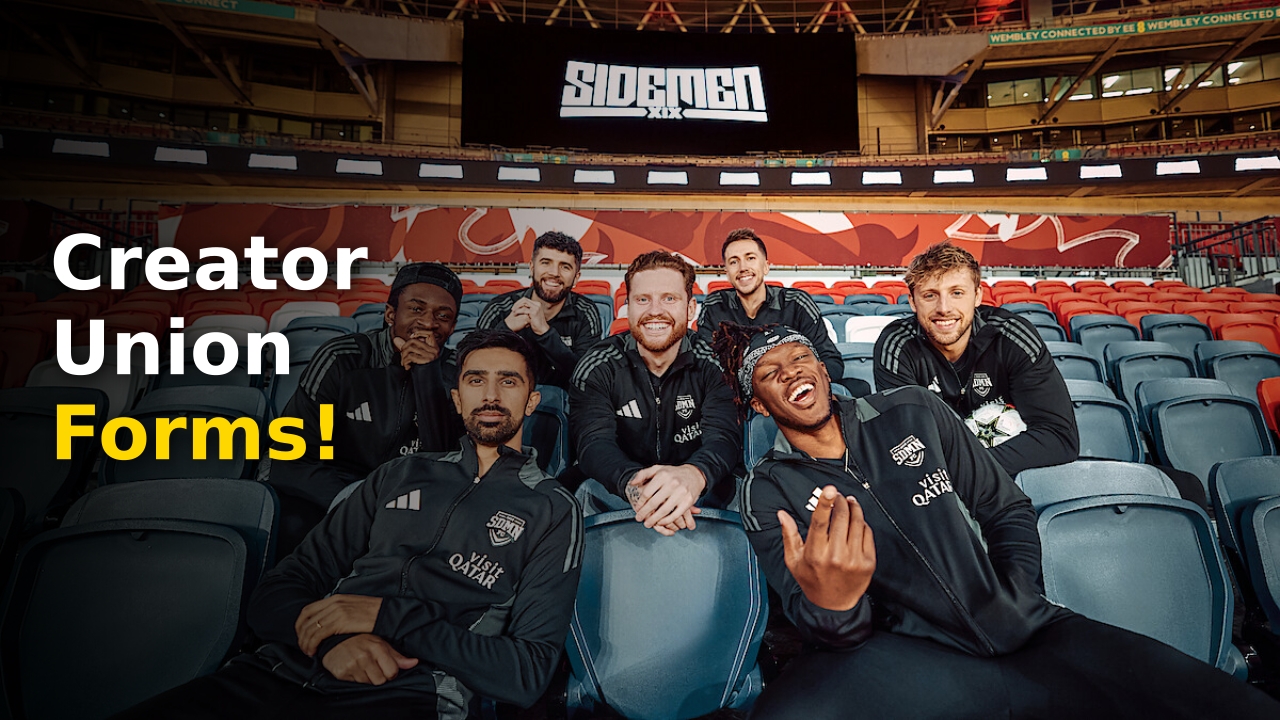
You might think digital creators spend their days casually recording videos from their bedrooms, but the launch of Creator Voices UK proves this multi-billion dollar field demands serious structural backing. Top British talent has organized to demand direct institutional recognition, legal protections, and streamlined creative financing from both corporate platforms and the British government. Unveiled at the London YouTube Festival, this newly minted body represents a pivotal shift away from isolated content production toward collective industry bargaining.
Backed by official support from YouTube UK, the collective features influential pioneers such as The Sidemen representative Jordan Schwarzenberger, finance educator DamienTalksMoney, business strategist Jade Beason, political media powerhouse TLDR News, executive Grace Andrews, and visual effects innovator Brandon B. Instead of functioning as a platform-run marketing initiative, the independent alliance seeks to challenge outdated legal standards and force traditional broadcast entities to treat online filmmakers as professional peers.
As digital culture merges directly with mainstream television, creators are no longer waiting for legacy media gatekeepers to grant them permission. From viral talk shows crossing over to premier television networks to global media brands running enterprise distribution networks, the internet vanguard is rewriting the modern entertainment playbook on its own terms.
Inside the Creator Voices UK Initiative
The formation of Creator Voices UK comes at a watershed moment for the global entertainment landscape. For years, digital creators operated without standard union protections, structured healthcare access, or institutional leverage when negotiating with global technology giants. By banding together, these digital entrepreneurs intend to leverage their collective audiences—numbering tens of millions of active viewers—to force policymakers to grant digital production official status alongside legacy film and television.
The alliance specifically focuses on breaking down the barriers that prevent independent video producers from tapping into state creative funds, enterprise tax reliefs, and standard banking facilities. While traditional British production houses routinely receive financial incentives, digital content creators have historically been shut out of traditional capital access. The alliance aims to reverse that trend by directly engaging with government ministries and legacy media bodies.
Furthermore, the initiative addresses the growing burden of digital burnout, opaque platform monetization changes, and algorithmic volatility. Creators face extraordinary psychological pressures while managing complex media operations, often without the legal resources available to broadcast writers or unionized stage actors. Through unified advocacy, the group intends to establish enforceable standards across brand partnerships, copyright disputes, and talent management practices.

Key Demands from Digital Leaders
The founding leaders of the alliance have laid out clear programmatic goals designed to modernize the creative industries:
- Formal Government Classification: Securing legitimate employment classifications and statutory protections for full-time online video producers.
- Enterprise Financial Inclusion: Unlocking access to creative industry tax credits, institutional lending, and traditional arts grant funding.
- Broadcast Industry Integration: Establishing equitable representation within legacy cultural institutions like BAFTA and national television advisory boards.
- Monetization Transparency: Demanding standardized contractual terms, fair algorithmic dispute mechanisms, and equitable digital revenue sharing.
Economic Powerhouse: Measuring Digital Impact
The numbers underpinning this movement reveal why legacy industries can no longer dismiss online media. A landmark study revealed that the digital creator ecosystem generated £2 billion ($2.67 billion) for the United Kingdom economy in 2023. According to a subsequent economic study by Oxford Economics, that staggering footprint expanded to £2.8 billion ($3.73 billion), actively sustaining over 60,000 full-time equivalent jobs across production, editing, marketing, and commercial operations.
British creators do not simply produce casual entertainment; they operate high-output commercial studios that rival traditional media houses in audience engagement, production speed, and global export value. From the viral merchandising empires built by top celebrity influencers to specialized educational operations, these enterprises stimulate significant domestic consumer spending while exporting British culture worldwide.
| Economic Metric | Reported Value | Primary Impact Area |
|---|---|---|
| Annual GDP Contribution | £2.8 Billion ($3.73 Billion) | National Creative Economy Growth |
| Supported Employment | 60,000+ Equivalent Jobs | Production, Editing, Operations |
| Previous Year Footprint (2023) | £2.0 Billion ($2.67 Billion) | Baseline Digital Market Revenue |
| Leading Platform Sponsor | YouTube UK | Infrastructure & Industry Convening |
As detailed in reporting from industry reporting in Variety, the rapid financial expansion of independent creator companies has forced media conglomerates to re-evaluate their investment portfolios. Digital networks routinely capture demographic segments that linear television networks have spent decades trying to reclaim, fundamentally shifting advertiser budgets from cable slots to digital sponsorship integrations.
The Blurred Line Between Hollywood and Streaming
The cultural authority of modern internet stars is impossible to ignore. Consider Amelia Dimoldenberg, the creator behind the viral smash hit Chicken Shop Date. Her meteoric rise from low-budget indie vlogger to global red carpet mainstay culminated in her booking the high-profile hosting gig for Saturday Night Live UK, taking the historic comedy stage just weeks after international icon Jeff Goldblum. Readers can track entertainment industry developments that illustrate how social media stars continue to overtake traditional Hollywood royalty.
This crossover demonstrates that the wall dividing internet platforms and prestige television has completely disintegrated. Digital stars like Dimoldenberg, Munya Chawawa, and the Sidemen collective are not merely guest performers; they run complex production infrastructures, control intellectual property, and maintain direct, unmediated communication channels with global consumer audiences. When these creators make the leap to broadcast networks, they bring millions of fiercely loyal viewers directly with them.
Speaking on the launch of the collective, YouTube UK Managing Director Alison Lomax emphasized this cultural evolution, stating that connecting digital talent with established creative leaders unlocks immense economic expansion while showcasing modern British culture internationally. Yet, despite Lomax highlighting YouTube’s facilitation role, the collective firmly maintains that its editorial direction and policy demands remain wholly independent from tech platform influence.

Industry Representation and the Legacy Backlash
Despite this clear financial footprint, traditional broadcasting executives have historically pushed back against acknowledging digital creators as legitimate artists. Critical public comments asking “Don’t they just work from home?” and claiming creators are only followed by children highlight the stubborn cultural divide. Nevertheless, corporate media houses are increasingly forced to consult digital creators behind the scenes to rescue failing television formats and optimize online reach.
Jordan Schwarzenberger and his co-founders argue that patronizing attitudes from established media figures only harm Britain’s global cultural dominance. As linear broadcast viewership steadily declines, the country’s premier entertainment exports are increasingly coming from self-funded YouTube teams rather than traditional state-funded studios. Through this alliance, creators are asserting their right to shape national media policy rather than remain subservient to outdated corporate structures.
By The Numbers: The Modern Studio Reality
A closer look at the actual operational mechanics of major creator companies destroys the myth of the lone hobbyist filming on a smartphone. Elite digital networks frequently employ full-time writing rooms, professional audio engineers, visual effects artists, and business development executives. Channel organizations operate high-spec studio spaces across London and Manchester that match the technological standards of legacy broadcasting facilities.
These modern creator businesses manage diversified balance sheets that encompass direct consumer merchandising, private-label food brands, subscription streaming services, and international licensing agreements. A modern media venture like The Sidemen represents a multifaceted consumer enterprise, leveraging YouTube as a top-of-funnel customer acquisition channel rather than an end-state distributor. Understanding how high-earning digital stars construct their business portfolios mirrors the strategies found in tracking celebrity net worth updates across modern entertainment.
Yet, because commercial banks often treat creator-led enterprises as risky, unproven entities, many production teams struggle to secure standard lines of credit or real estate leases. This systemic disconnect is precisely what this new creator coalition seeks to dismantle, demanding that financial institutions evaluate digital channels based on actual cash flow rather than outdated industry perceptions.
People Also Ask
What happened with Creator Voices UK today?
Top British digital stars and agency executives officially launched Creator Voices at the YouTube Festival in London. The independent collective was formed to push for better working conditions, institutional recognition, and access to capital for online creators.
Why is Creator Voices UK trending right now?
The alliance is trending due to its high-profile founding roster, which includes The Sidemen manager Jordan Schwarzenberger and prominent YouTube creators like Jade Beason and DamienTalksMoney. Backed by new economic data showing creators generate £2.8 billion annually, the move signals a major push toward collective industry bargaining.
How does this affect the UK entertainment industry?
The initiative bridges the gap between traditional broadcast media and independent online platforms by demanding creator representation on creative boards and equal access to state tax credits. It establishes digital media as an economic powerhouse supporting over 60,000 national jobs.
Who are the main members of Creator Voices UK?
The founding committee features Jordan Schwarzenberger alongside financial creator DamienTalksMoney, digital consultant Jade Beason, the team behind TLDR News, Grace Andrews, and creator Brandon B, with backing from YouTube UK leadership.
The Future of Digital Creator Rights
The formal arrival of Creator Voices UK signals the end of an era where digital stars operated as isolated entrepreneurs at the mercy of algorithms and corporate sponsors. As online video creators generate billions in gross economic value and produce the world’s most dominant cultural moments, their push for structural, legal, and financial equity is overdue. The collective’s efforts will likely spark similar creator-led trade initiatives across the United States and Europe.
Ultimately, the balance of power in global entertainment has shifted permanently. Legacy studios and traditional television networks must either collaborate with digital storytellers on equal footing or risk irrelevance in a rapidly transforming media ecosystem. By uniting under a single, vocal alliance, Britain’s premier digital talent has declared that the modern creator economy is no longer an alternative industry—it is the main event.
More Like This
For more updates, check out our latest entertainment and sports news.