
Key Takeaways
| Carton’s Verdict: Craig Carton labeled the college sports landscape as embarrassing across the board due to administrative failures and poor fan etiquette. |
| Michigan Criticism: Carton criticized Michigan fans for storming the field as 27-point favorites after a highly controversial officiating reprieve. |
| Rutgers Financial Crisis: The Scarlet Knights program has accumulated over $500 million in debt since joining the Big Ten, while struggling on the field. |
| LSU Roster Controversy: The Tigers faced major pushback for attempting to roster players who had recently spent time on NFL preseason squads. |
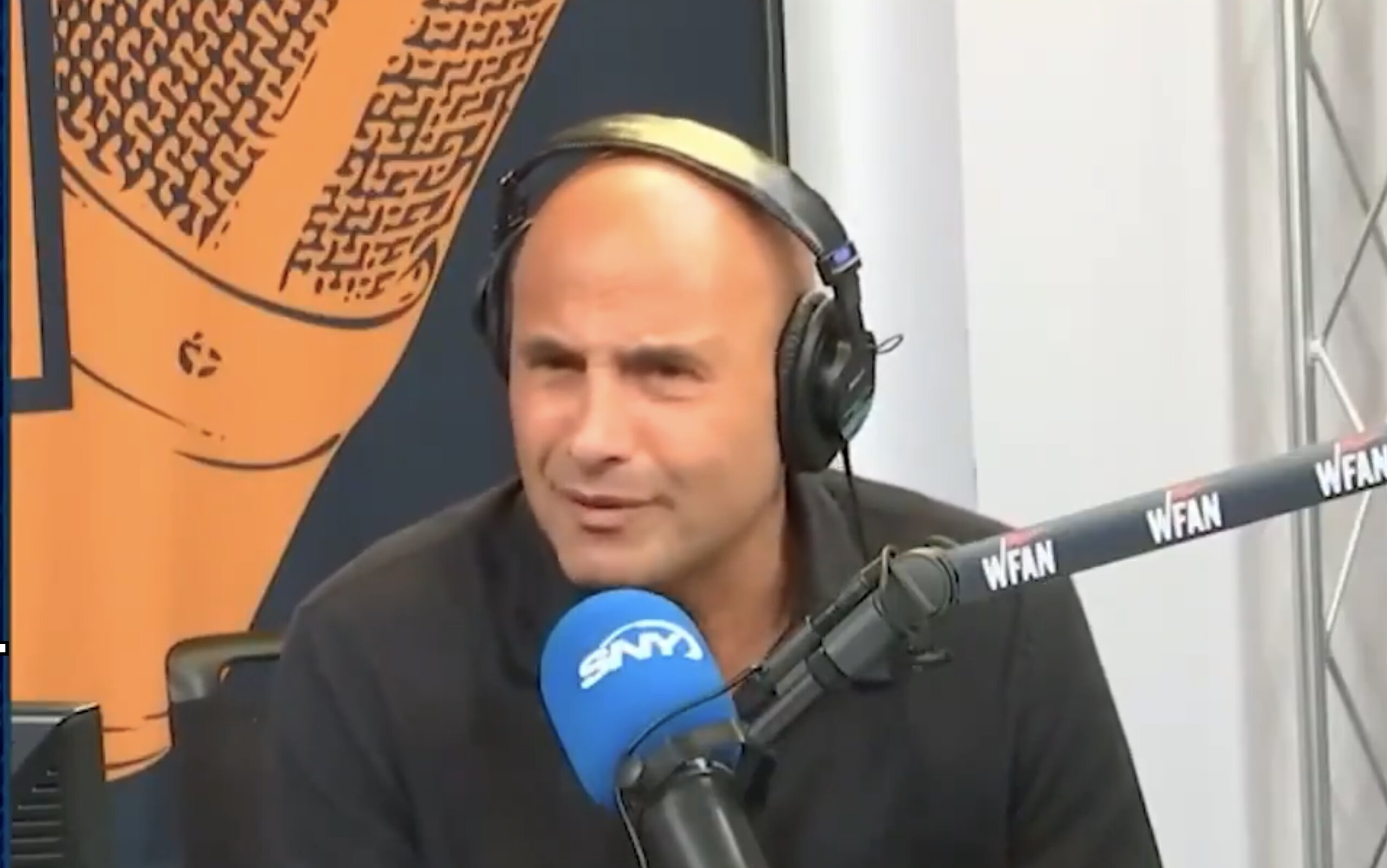
You might believe that modern amateur athletics is still about pride and academic tradition, but the latest Craig Carton college sports critique shows how far the system has fallen. The veteran broadcaster recently went on an absolute tear on WFAN, calling the entire landscape ’embarrassing across the board’ after a weekend of sheer absurdity. From bizarre field stormings to multi-million dollar athletic deficits, Carton spared no one in his brutal assessment.
The timing of his rant coincides with a massive shift in how universities operate their athletic programs. Between NIL deals, transfer portal madness, and direct revenue sharing, the lines between professional leagues and college campuses have completely blurred. Yet, as Carton pointed out, the execution of these programs remains laughably amateurish.
Craig Carton College Sports Rant Ignites Debate
At the heart of Carton’s frustration was a highly controversial game involving the Michigan Wolverines. Michigan, playing as a massive four-touchdown favorite against Western Michigan, struggled throughout the afternoon. After seemingly losing the game, the Wolverines received a rare reprieve on a replayed Hail Mary attempt, ultimately securing a chaotic victory.
What happened next absolutely dumbfounded the veteran WFAN host. Thousands of Michigan fans stormed the field at Michigan Stadium, celebrating as if they had won a national championship. Carton did not hold back his disgust for the 110,000 spectators in attendance that day.
“110,000 people go to Michigan games. Morons. Every one of them,” Carton declared during his broadcast. He questioned why a powerhouse program favored by 27 points would celebrate escaping a catastrophic upset. To him, this behavior represents a fundamental rot in fan culture and expectations.
“I would tell my kids, ‘Pack up your bags, you’re coming home. You got stupid at Michigan,'” Carton added. He argued that celebrating a near-disaster against an inferior opponent degrades the stature of a historic football program. The rant quickly went viral, sparking passionate debates across sports talk radio.
This controversy highlights a growing trend where traditional powerhouses expect easy victories but display shocking fragility when challenged. Carton’s criticism touches on a broader issue of fan self-awareness in an era where elite programs spend hundreds of millions to secure victories.
The Anatomy of a Controversial Reprieve
The game itself became a lightning rod for officiating scrutiny. Western Michigan had seemingly secured the historic upset before a late penalty gave Michigan a second chance. The subsequent touchdown pass sealed the game, but left a sour taste in the mouths of neutral observers.
For Carton, the field storming was not just silly; it was a symptom of a coddled fan base. When historic programs behave like desperate underdogs, it diminishes the prestige of the entire sport. You can read more about similar controversial finishes on ESPN’s college football coverage, which detailed the chaotic weekend in full.
Fan Culture in the Modern Era
Social media has only amplified these bizarre fan reactions. Supporters now chase viral moments rather than respecting the traditional hierarchy of the sport. Carton’s blunt words serve as a wake-up call to athletic departments that allow these security risks to happen regularly.
Field storming used to be reserved for monumental, program-defining upsets. Today, it has become a weekly occurrence, often triggered by relief rather than genuine triumph. This dilution of classic traditions is exactly why Carton finds the current state of affairs so embarrassing.
The Rutgers Financial Crisis and On-Field Woes
Carton’s focus quickly shifted from Ann Arbor to Piscataway, home of the Rutgers Scarlet Knights. As a prominent New Jersey sports media personality, Carton has long observed the struggles of the state’s flagship university. He highlighted the staggering financial reality that Rutgers has accumulated over $500 million in debt since joining the Big Ten.
This mountain of debt was supposed to be an investment in the school’s athletic future. Administrators believed that Big Ten television revenues would eventually offset the transition costs. However, over a decade later, the athletic department remains deeply in the red and heavily subsidized.
The financial strain is compounded by historically bad results on the football field. Rutgers recently suffered a shocking loss to UMass in their highly anticipated home opener. At the time of the matchup, UMass held an embarrassing 18-game losing streak against FBS opponents.
To make matters worse, Rutgers entered the game having lost 23 consecutive matchups against FBS teams. The defeat to UMass was widely viewed as one of the lowest points in the history of the program. Yet, the athletic department’s subsequent action is what truly drew Carton’s disbelief.
Immediately following the devastating loss, the stadium operations team proceeded to launch a massive fireworks show. The pre-scheduled pyrotechnics illuminated the empty stadium, creating a surreal and tone-deaf spectacle. Carton seized on this moment to illustrate the absolute lack of institutional self-awareness.
“Which was worse – fireworks at Rutgers or storming the field at Michigan?” Carton asked his co-hosts. He argued that both incidents represent a total breakdown of competitive standards in modern college athletics. Celebrating a loss with fireworks is, in his eyes, the ultimate symbol of participation-trophy culture.
The comparison highlighted a bizarre weekend where both winning and losing programs behaved in embarrassing ways. Carton’s commentary resonated with frustrated local fans who are tired of financial mismanagement and poor performance. For those interested in regional sports coverage and broadcasting history, exclusive sports media reporting offers deep dives into local athletic departments.
The Rutgers administration defended the fireworks as a pre-committed fan experience initiative regardless of the game’s outcome. This corporate explanation only fueled Carton’s argument that the spirit of competition has been lost. When entertainment packages take precedence over winning, athletic programs lose their soul.
The Cost of Big Ten Membership
When Rutgers joined the Big Ten, school administrators promised a golden era of athletic and academic prominence. Instead, the transition has been marked by staggering financial deficits and academic subsidies. The athletic department has repeatedly relied on university loans and taxpayer funds to stay afloat.
This structural debt raises serious questions about the sustainability of modern athletic realignment. Schools are chasing massive television contracts while drowning in operational costs. For a detailed history of the host’s broadcasting career and his regional coverage, check out Craig Carton’s professional broadcasting profile on Wikipedia.
Pyrotechnics of Defeat
The fireworks incident at Rutgers became an instant meme across the sports world. Launching a celebratory light show after losing to a historic underdog is the ultimate sign of institutional disconnect. It proved that marketing and pre-planned entertainment have superseded competitive accountability.
For local fans, it was a painful reminder of how far the program has fallen. Carton’s critique was not just about the loss, but about the lack of shame within the athletic department. When losing becomes normalized and commercialized, the competitive spirit of the game dies.
College Sports Financial Disparities and Debt
To fully comprehend Carton’s criticisms, one must examine the broader financial dysfunction of the NCAA. The gap between athletic department expenditures and actual revenue is widening at an alarming rate. While a few elite programs generate massive surpluses, the majority of schools are drowning in red ink.
Many athletic departments rely on heavy subsidies from university general funds and mandatory student fees. This means that regular students, many of whom do not attend games, are subsidizing failing athletic programs. Carton’s rant on Craig Carton college sports realities shines a light on these unethical financial structures.
| University Program | Conference | Estimated Athletic Debt | Recent Notable On-Field Failure | Annual Media Payout |
|---|---|---|---|---|
| Rutgers University | Big Ten | $500+ Million | Lost to UMass (Ended UMass 18-game FBS skid) | $58 Million |
| University of Michigan | Big Ten | Minimal (Highly Profitable) | Stormed field after narrow WMU reprieve | $60+ Million |
| LSU Tigers | SEC | Moderate (High Revenue) | Attempted to roster NFL preseason players | $55 Million |
| UMass Minutemen | Independent / MAC | Significant Subsidies | Longest FBS losing streak before Rutgers win | Under $2 Million |
The data clearly shows that massive television payouts do not automatically guarantee financial stability or on-field success. Rutgers receives tens of millions annually from the Big Ten’s media contract, yet their debt continues to balloon. This systemic mismanagement is a primary reason why Carton views the current landscape as highly embarrassing.
Critics argue that the pursuit of television revenue has completely corrupted university administrations. Decisions are made by media executives rather than educators, leading to bizarre conference realignments that defy geographic logic. For more context on these shifting television deals, check out entertainment news updates covering the sports media industry.
This commercialization has created an environment where athletic directors are judged solely on revenue generation rather than competitive excellence. As long as the television checks clear, programs feel little pressure to fix their broken financial models. Carton’s vocal opposition serves as a rare mainstream critique of this cozy relationship between universities and television networks.
The Changing Landscape of Modern Amateur Athletics
The financial issues are further complicated by the rapid implementation of Name, Image, and Likeness (NIL) regulations. Without a centralized governing body to enforce rules, college sports has devolved into an unregulated free market. This chaos has led to unprecedented roster manipulation and ethical boundary-pushing.
A prime example of this desperation occurred recently with the LSU Tigers. In an attempt to secure an unfair competitive advantage, LSU tried to roster players who had recently spent time on NFL preseason squads. This shameless move demonstrated a complete disregard for the traditional concepts of collegiate eligibility.
While the NCAA ultimately blocked the move, the fact that LSU even attempted it speaks volumes. Major athletic programs are now operating like professional franchises, searching for any loophole to secure a victory. Carton argued that this behavior proves the term “student-athlete” has become an absolute joke.
Roster management has become a year-round headache for coaching staffs across the country. Players can enter the transfer portal at will, essentially holding programs hostage for higher NIL payouts. This constant movement has destroyed team chemistry and alienated traditional fan bases who value loyalty.
Despite his intense dislike of these systemic issues, Carton admitted to a hilarious contradiction that many modern fans share. While he finds the entire college sports apparatus embarrassing, he remains completely captivated by the product on the field.
“I love it,” Carton confessed on WFAN. “I watch every game I can.” This admission highlights the unique power of college football; its sheer chaos and unpredictability make for peerless television entertainment. Even when the administrative decisions are completely indefensible, the games themselves remain highly addictive.
This paradox is what keeps the multi-billion dollar industry afloat. Athletic departments know that fans will complain about high ticket prices, bad officiating, and financial debt, but they will still show up on Saturdays. Carton’s commentary perfectly captures this love-hate relationship that defines modern sports fandom.
To stay updated on how other media personalities view this ongoing evolution, explore celebrity profile breakdowns on our platform. The debate over the soul of college sports is far from over, and Carton’s voice will remain central to the conversation.
The Double Standard of Amateurism
For decades, the NCAA defended its strict amateurism rules under the guise of protecting student-athletes. Now that the floodgates have opened, the hypocrisy of the system has been fully exposed. Universities are generating billions in revenue while failing to establish a coherent, fair system for player compensation.
This lack of structured regulation is what leads to situations like LSU attempting to recruit NFL-cut players. Without clear, enforceable guidelines, schools will continue to push the boundaries of ethics and legality to win games.
People Also Ask
What did Craig Carton say about college sports today?
Craig Carton called college sports ’embarrassing across the board’ on his WFAN radio show. He heavily criticized the fans at Michigan for storming the field after a narrow victory and slammed Rutgers for setting off celebratory fireworks after a historic loss to UMass.
Why did Michigan fans storm the field against Western Michigan?
Michigan fans stormed the field after pulling off a highly controversial victory as a 27-point favorite. The Wolverines won the game on a second-chance Hail Mary pass after receiving an officiating reprieve, which Carton described as completely embarrassing for a powerhouse program.
How much debt does the Rutgers athletic department have?
The Rutgers University athletic department has accumulated more than $500 million in debt since joining the Big Ten Conference over a decade ago. This massive financial deficit has drawn intense scrutiny, especially in light of the program’s ongoing on-field struggles.
What was the roster controversy involving LSU football?
The LSU Tigers faced major backlash for trying to roster players who had previously spent time on NFL preseason rosters. This controversial roster management tactic highlighted the chaotic, unregulated nature of modern college sports eligibility rules.
The Future of Craig Carton College Sports Predictions
Looking ahead, the structural issues plaguing college athletics show no signs of slowing down. Many analysts predict that the top football programs will eventually break away from the NCAA entirely. This potential “Super League” would formalize the professionalization of the sport, leaving traditional conferences behind.
While a breakaway league might solve some regulatory issues, it would likely destroy the historic regional rivalries that make the sport unique. Carton’s commentary serves as a warning of what happens when tradition is sacrificed for short-term financial gain.
The ongoing legal battles surrounding player compensation will also play a massive role in shaping the future. Courts are consistently ruling against the NCAA, pushing the organization closer to a model where players are treated as direct employees of the universities.
If players become employees, athletic departments will face even greater financial strain, potentially forcing them to cut non-revenue sports. This collateral damage would negatively affect thousands of Olympic-sport athletes who rely on football revenues to compete. Carton’s critique of Craig Carton college sports governance highlights the lack of long-term planning by university leaders.
Ultimately, the entertainment value of sports radio lies in its ability to voice the frustrations of the everyday fan. Carton’s blunt, unfiltered analysis cut through the corporate spin of athletic directors and conference commissioners. His ability to call a situation embarrassing while still admitting his love for the game is why he remains a leading voice in sports media.
As the next season approaches, fans can expect even more financial debt, controversial finishes, and bizarre postgame celebrations. Whether you agree with Carton’s harsh assessments or find them overly cynical, there is no denying that college sports has entered a highly chaotic era. The only certainty is that Carton will be watching, and he will not hesitate to call out the absurdity.
More Like This
For more updates, check out our latest entertainment and sports news.