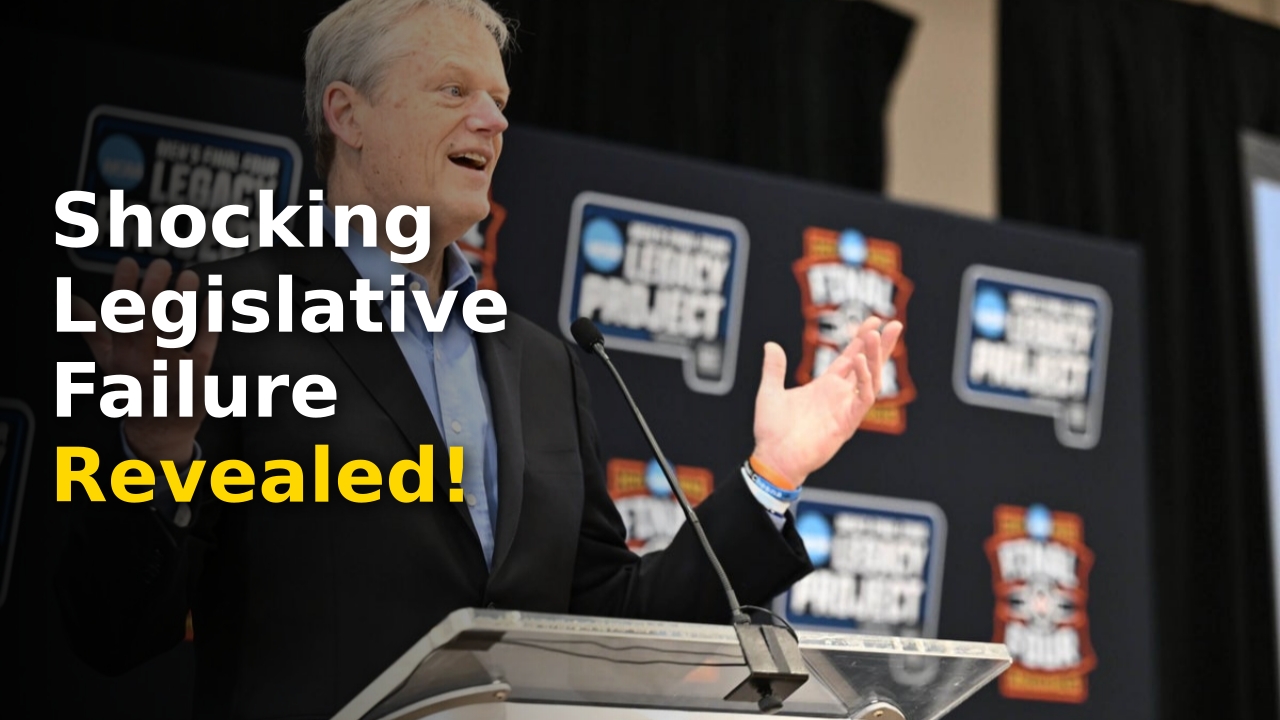
College sports are currently teetering on the edge of a total structural collapse as Washington bureaucrats consistently fail to deliver the relief universities so desperately claim they need. You have watched for years as conferences burned through millions in lobbying fees, only to see their legislative “saviors” abandon them at the 11th hour. The era of the amateur student-athlete is dead, yet the industry continues to operate like a panicked amateur, chasing ghosts in the Senate while the courts dismantle their business model piece by agonizing piece.
This isn’t just about football programs or the transfer portal; it is about the realization that the old guard of the NCAA is fighting a losing battle against the professionalization of the game. If you are paying attention, you know that the promises made by politicians are hollow, and the only reality remaining is a harsh transition toward a model that prioritizes business contracts over outdated notions of collegiate purity.
College Sports: The Legislative Mirage
For over six years, the halls of Congress have echoed with the hollow promises of reform. Senators like Ted Cruz and Maria Cantwell championed the Protect College Sports Act as a silver bullet, a 171-page document meant to codify the rules of an industry that generates billions in revenue. You witnessed the grandstanding, the pork-barreling, and the inevitable stall of the SCORE Act, which served as a grim precursor to the current paralysis. The Big Ten and SEC conferences played their cards, securing a “hard cap” on athlete pay that they mistakenly believed would offer them legal immunity. They were wrong.

The collapse of this legislative effort happened precisely when it mattered most, derailed by political infighting over, ironically, the very protection of women’s sports that the bill claimed to uphold. While you might wonder how such a massive, multi-billion dollar enterprise can be halted by petty partisan squabbles, the answer lies in the nature of political posturing. The AFL-CIO and the Congressional Black Caucus stepped in at the final second to block progress, proving that college sports are now just another bargaining chip in the wider culture war. The NCAA’s reliance on figures like Charlie Baker to navigate these treacherous D.C. waters has proven to be a strategic disaster.
You must understand that the lobbyists are the only ones truly winning in this scenario. While university presidents wring their hands about potential bankruptcy, the legal professionals and government relations experts continue to cash checks. The industry has spent over $15 million in lobbying efforts since 2020, yet not a single meaningful piece of legislation has made it across the finish line. This is a cycle of dependency that the NCAA seems unable, or unwilling, to break. It is time to explore the deeper impacts of these failures by checking out detailed insights at current industry analysis for a clearer picture of how high-stakes athletics are evolving.
When you strip away the rhetoric, the core issue remains the same: the governing bodies are clinging to a vision of the past that the courts have already ruled against. Federal judges are consistently siding with athletes, viewing restrictive NIL policies as direct violations of market competition. The NCAA’s decision to eliminate redshirts and waivers in June was an attempt to regain control, but it immediately triggered new legal injunctions from athletes demanding their rightful compensation. The game of whack-a-mole continues, and the house is losing.
The financial pressure on these institutions is self-inflicted. By handing out $90 million contracts to football coaches and building lavish facilities, schools have created a bloated cost structure that is unsustainable. If they refuse to shift to a professional contract model, they are destined to keep hitting the same wall. The athletes are no longer just students; they are the core assets of a massive commercial enterprise. Until the institutions treat them as employees, the chaos will only intensify, leaving programs in limbo and fans increasingly frustrated with the product on the field.
Why The System Stalled
- Legislative grandstanding replaced policy substance.
- Inter-conference rivalry hindered unified lobbying.
- Cultural disputes over gender laws derailed voting sessions.
- The NCAA failed to adapt to proactive court rulings.
- Lobbyists prioritized perpetual funding over legislative closure.
- The House and Senate remain fundamentally disconnected on athletic reform.
The Economic Data Reality
The numbers behind the current crisis reflect a model that is aggressively chasing growth without a coherent regulatory framework. Below is a breakdown of how the current financial landscape stacks up against the proposed legislative caps.
| Category | Current Status | Proposed Cap |
|---|---|---|
| Soft Cap | $21.3 Million | N/A |
| Hard Cap Proposal | Injunction Risks | $48 Million |
| Lobbying Spend | $15M+ (Since 2020) | Unlimited |

The Future Of Athletic Governance
Moving toward a professionalized structure is no longer a matter of choice; it is a survival requirement. You are witnessing the final days of the NCAA’s absolute control over student-athlete compensation. The shift toward service contracts, as seen in the professional sports landscape, is inevitable. Universities must pivot to a model where athletes are directly compensated for their commercial value, moving beyond the messy, unregulated NIL landscape that currently invites constant litigation.
This transition will be painful for traditionalists who long for the days of amateur athletics. However, holding on to an outdated identity will only lead to further financial ruin and administrative headaches. You must prepare for a future where conferences function like professional leagues, with collective bargaining agreements and standard salary structures. This is the only path that offers genuine stability in a rapidly changing market. Pretending otherwise, as Charlie Baker and the NCAA board have done for years, is a recipe for continued irrelevance and judicial rebuke.
Whether it is the Big Ten, the SEC, or the independent programs, the reality is the same: change is coming from the courtroom, not the capitol. You have seen how judge after judge has favored the athlete’s right to earn, setting a precedent that the NCAA cannot legislate away. The time to stop begging for government intervention is now. The institutions need to take agency over their own destiny, engage directly with their athletes, and accept that the product they offer is a professional commodity, not a charitable endeavor.
The Final Verdict
In the final analysis, the legislative efforts to rescue college sports have served only as a distraction from the fundamental work required to build a sustainable model. By refusing to accept the professional reality of the 21st century, conference commissioners have effectively wasted years of precious time. The window for a controlled, internal reform is closing rapidly as external court mandates dictate the terms of the new agreement. If the leaders of these massive enterprises continue to chase the mirage of a Congressional bailout, they will eventually find themselves with no plan, no power, and no product left to protect. The choice between proactive evolution and forced transformation is no longer a luxury; it is the only remaining option.
More Like This
For more updates, check out our latest entertainment and sports news.