Classic anime often carries a heavy emotional weight, yet many fans find themselves struggling to finish these legendary shows when revisiting them in the modern era. While these series defined an entire generation of storytelling, the evolution of animation pacing and shifting cultural norms has turned once-beloved classics into challenging marathons.
If you are planning a nostalgic trip down memory lane, you might be surprised by how much your perception has shifted. The gap between what we remember and what is actually on the screen can feel like a chasm. Understanding why these titles feel dated is the key to appreciating their history without the frustration of unrealistic expectations.
Understanding Why Classic Anime Feels Different Today
The primary barrier for the modern viewer is undoubtedly the change in pacing standards. In the 1980s and 1990s, television production schedules demanded excessive filler to ensure the source material didn’t run out. This resulted in long, stagnant shots that would be considered unforgivable by today’s high-octane production values.
Furthermore, cultural shifts have impacted how we view protagonist behavior in shows like Golden Boy or Urusei Yatsura. What was once brushed off as quirky or comedic character development now often triggers discomfort in audiences with modern sensibilities. The comedy hasn’t necessarily lost its edge, but the delivery often lands differently in a binge-watching environment.
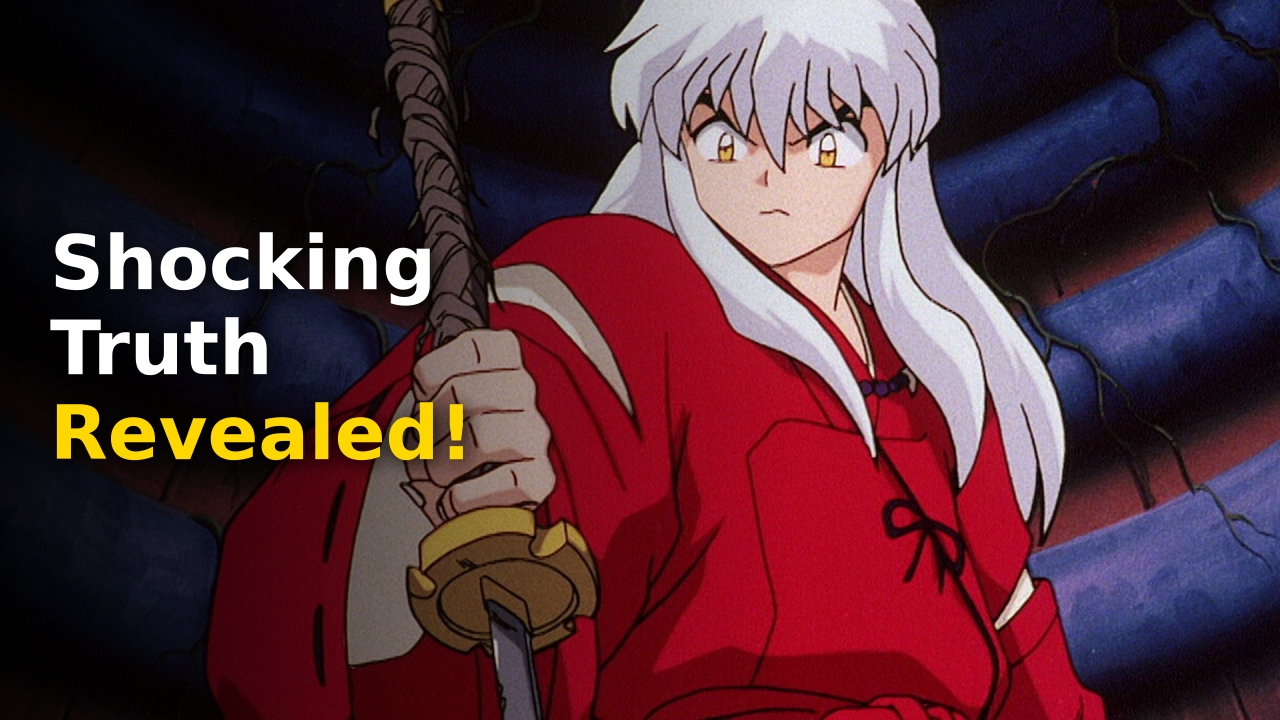
Another issue lies in the sheer volume of content. When shows like One Piece or Inuyasha were released, you were meant to consume them at a weekly pace. Trying to devour 1,100 episodes of an adventure in a few months turns a joy-filled journey into a grueling endurance test. It is no longer just a hobby; it is a full-time commitment.
We must also address the technical limitations of the era. The limited animation techniques, such as reuse of frames and static backgrounds, were standard industry practice to save budget. In a world of 4K streaming and fluid 60FPS motion, these visual shortcuts stand out significantly. 
Despite these hurdles, the heart of these stories remains intact. The themes of sacrifice, growth, and moral dilemmas in Rurouni Kenshin or Fist of the North Star are universal. They laid the groundwork for everything you currently enjoy on your favorite streaming platforms.
Acknowledging the flaws of these shows doesn’t diminish their historical importance. They are architectural pillars in the history of global media, providing the blueprint for the shonen and shojo genres we know today. You can learn more about the cultural impact of these series by visiting Bright Celebrity for deeper retrospectives.
Why Pacing Breaks Immersion
- Extended reaction shots that stall plot momentum.
- Repetitive flashbacks used to pad out runtime.
- Static character models during intense action sequences.
- Over-explanation of moves that slows down combat tension.
Comparing The Classic Anime Experience
To truly grasp how these shows compare, look at the following data regarding their structural challenges and modern viewer obstacles. This table breaks down the core reasons why these specific titles are often cited as difficult to finish.
| Series Title | Main Difficulty | Viewer Experience |
|---|---|---|
| One Piece | Extremely Stretched Pacing | Second Job Commitment |
| Haruhi Suzumiya | The Endless Eight Loop | Repetitive Experimentation |
| Inuyasha | Circular Narrative Loops | Heavy Filler Reliance |
| Slam Dunk | Slow Motion Match Pacing | Detailed Character Focus |
These metrics clearly highlight the divide between artistic intent and contemporary convenience. While the experimental nature of a show like The Melancholy of Haruhi Suzumiya was groundbreaking at the time, it poses a significant hurdle for someone discovering it on a streaming service today. You can cross-reference these stats with archives found at IMDb to see how fan ratings have evolved over time.
It is important to remember that these series were produced during a unique technological transition period in Japan. The studio infrastructure wasn’t built for the instant gratification of today’s internet culture. They were creating for a television audience that tuned in once a week, often missing episodes, which explains the high frequency of recaps.
As you navigate these classics, keep an open mind regarding the production context. The classic anime era was essentially the ‘Wild West’ of animation, where creators took massive risks that studios today might shy away from due to budget and marketability. That raw, unpolished energy is exactly what makes them worth studying. 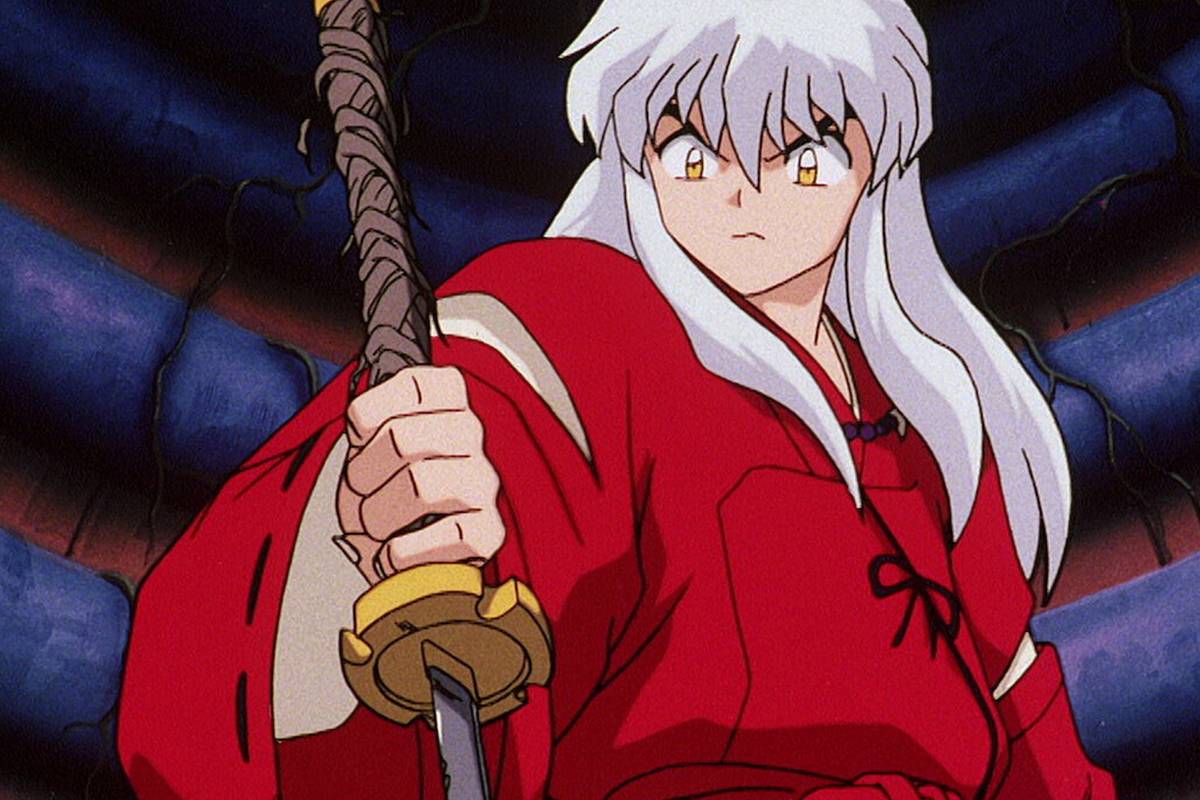
When you encounter a particularly slow arc in a series like Saint Seiya, try to appreciate the artistic choices as a deliberate, albeit dated, attempt to build tension. You are watching a living record of how directors learned to manipulate audience emotions over time. This journey is worth the patience required to reach the payoff.
Even the gender dynamics in shows like Maid-Sama! serve as a fascinating mirror into the social values of the early 2000s. By analyzing these characters, we gain a better understanding of how far the industry has moved in terms of female representation and agency. It is a necessary exercise for any serious media scholar.
Ultimately, these series are not ‘bad’ just because they are hard to watch. They are simply snapshots in time. We recommend viewing them with a historical perspective rather than comparing them directly to modern seasonal hits.
Final Thoughts on Classic Anime
Returning to these shows is a balancing act between nostalgia and critical assessment. You must be willing to forgive the pacing issues and the dated humor to truly reach the moments that define these shows as masterpieces. The classic anime titles listed here are difficult, yes, but they are also deeply rewarding for those who possess the right context. Don’t be afraid to use episode guides to skip the filler and focus entirely on the core narrative gold.
More Like This
For more updates, check out our latest entertainment and sports news.