
Key Takeaways
| Official Release Date | October 8, 2026, across all major Indonesian cinemas. |
| Star-Studded Cast | Features popular musicians Ndarboy Genk, Jodilee Warwick, and Happy Asmara. |
| Core Narrative Theme | Explores the sudden impact of viral social media fame on grassroots musicians in Yogyakarta. |
| Musical Integration | A unique blend of Campursari, Javanese pop-folk, romantic drama, and lighthearted comedy. |
The highly anticipated **Cidro Asmoro Movie** is set to redefine how audiences perceive local musical dramas when it premieres in theaters nationwide on October 8, 2026. This captivating project masterfully bridges the gap between traditional Javanese folklore music and the fast-paced reality of modern digital sensationalism. By capturing the unique atmosphere of Yogyakarta’s underground music scene, the production promises a deeply resonant experience for global and local fans alike.
You will find yourself instantly drawn into a narrative that explores how a single, spontaneous video upload can disrupt lives overnight. The film balances intense emotional conflicts with lighthearted comedic beats, creating a narrative rhythm that mirrors the ups and downs of a classic ballad. With a run time of 106 minutes, every scene is meticulously crafted to showcase the beauty of Javanese pop-folk culture. For updates on international screenings and similar cultural phenomena, readers can follow global entertainment updates to stay informed.
At its heart, the story focuses on the raw ambition of overlooked artists striving to protect their creative integrity in a commercialized world. The production serves as both a love letter to the city of Yogyakarta and a critical commentary on the volatile nature of internet celebrity. This cinematic release marks a pivotal moment for regional cinema, proving that localized stories possess a universal appeal capable of captivating mainstream audiences.
Cidro Asmoro Movie Plot Breakdown
The core narrative of the **Cidro Asmoro Movie** follows Prita, portrayed by the incredibly talented Jodilee Warwick, a humble cafe worker in the heart of Yogyakarta. Prita leads a quiet, unassuming life but secretly harbors a deep-seated passion for vocal performance. Her routine is completely upended during a casual evening when she joins a street performer for an impromptu Campursari song. The raw energy of her spontaneous performance is captured on camera by a bystander and uploaded to social media platforms.
By the following morning, Prita wakes up to find her life transformed by the unpredictable algorithms of the digital world. While she possesses immense emotional intelligence and a genuine soul, she lacks the calculated cynicism needed to navigate sudden, widespread public attention. She never actively sought fame, preferring the pure joy of singing over the transactional nature of the modern music industry. This sudden exposure forces her to confront the realities of a demanding public eye that she was never prepared to face.
On the other side of this musical equation is Daru, played by the iconic Javanese singer Ndarboy Genk. Daru is an established Campursari musician who has spent years building his career through traditional live gigs and heartfelt songwriting. Unlike Prita’s overnight success, Daru’s path has been one of slow, grueling dedication to his craft and his community. When Prita’s viral fame begins to intersect with his own artistic journey, it triggers a chain reaction that challenges his perspective on success.
The Conflict of Sudden Viral Fame
The tension in the film escalates when corporate music producers attempt to capitalize on Prita’s organic online popularity. These industry executives view her not as a developing artist, but as a fleeting trend to be exploited before the next viral wave takes over. This predatory commercial interest places Prita in direct opposition to Daru, who advocates for slow, sustainable artistic growth. The resulting conflict highlights the ongoing battle between genuine folk art and synthetic commercialism.
Furthermore, the film captures the psychological toll of digital scrutiny on young, inexperienced individuals. Prita’s relationships with her lifelong friends begin to fracture under the weight of external expectations and sudden wealth. Her journey serves as a cautionary tale, illustrating how quickly a dream can morph into a gold-plated cage. The cinematic execution of these themes ensures that the narrative remains grounded, avoiding overly dramatic tropes in favor of raw, believable human interactions.

Character Dynamics and Star-Studded Cast
The casting of the **Cidro Asmoro Movie** represents a brilliant synergy of raw acting talent and real-world musical authority. Jodilee Warwick delivers a standout performance as Prita, bringing a delicate balance of vulnerability and quiet resilience to the role. Her background as a multicultural media personality allows her to portray Prita’s cultural navigation with a high level of authenticity. Audiences will find her vocal performances both hauntingly beautiful and technically impressive, anchoring the film’s emotional high points.
Ndarboy Genk, performing under his character name Daru, steps far outside his comfort zone as a traditional recording artist. Rather than simply playing a fictionalized version of himself, he crafts a complex character burdened by the weight of cultural preservation. His performance captures the fatigue of a working-class musician who fears that his beloved genre is being diluted for quick internet clicks. His natural chemistry with Warwick provides the film with its strongest narrative anchor, showing a bond built on shared musical heritage.
Adding further star power to the ensemble is the legendary Happy Asmara, who portrays a seasoned professional singer named Happy. In the movie, Happy serves as both a mentor and a mirror for Prita, representing the future that awaits her if she commits to the industry. Her presence introduces a realistic look at the rivalries and strategic alliances that define the upper echelons of regional music. This performance highlights why Happy Asmara remains a dominant force in modern Indonesian pop-folk media.
Expert Take: The Evolution of Campursari Cinema
According to cultural analysts studying Indonesian media trends, the integration of traditional genres like Campursari into mainstream cinema is a brilliant commercial strategy. Historically, Campursari was viewed as a regional, older-generation music style concentrated in Central and East Java. However, the modern revival led by artists like Ndarboy Genk and Happy Asmara has attracted a massive, youth-centric demographic. Bringing these musical icons to the silver screen allows filmmakers to tap into a highly loyal, highly engaged fan base that rarely sees their lifestyle represented in mainstream cinema.
This cinematic trend acts as a vital preservation tool for local languages and musical traditions in an era dominated by Westernized pop culture. By utilizing Wikipedia’s comprehensive guide to Campursari music, international viewers can better understand how this genre blends traditional gamelan instruments with modern electronic synthesizers. The film successfully honors this musical evolution, presenting it not as an outdated relic, but as a living, breathing movement. It is this cultural authenticity that elevates the production beyond standard romantic comedies, establishing it as an important milestone for regional Southeast Asian cinema.
Visualizing the Cidro Asmoro Movie Soundtrack
As a dedicated musical drama, the soundtrack of the **Cidro Asmoro Movie** is not merely background noise; it is an active driver of the plot. The songs are strategically placed to voice the inner thoughts and unspoken conflicts of the main characters. Through these lyrics, audiences gain a deeper understanding of the isolation that comes with viral fame and the comfort found in traditional community. The production team collaborated with top-tier composers to ensure that every track feels organic to the Yogyakarta setting.
The auditory experience of the film is designed to be immersive, utilizing state-of-the-art theater sound systems to highlight the intricate layering of traditional Javanese instruments. From the resonant chime of the saron to the deep thrum of the bass guitar, the audio landscape is incredibly rich. This dedication to sonic quality ensures that the musical sequences feel like live concert experiences, drawing the theater audience directly into the energy of the performance. For more coverage on regional musical stars, check out our insights on rising stars of international cinema.
To help fans prepare for the theatrical release, we have compiled a detailed overview of the key musical elements and featured tracks that define the cinematic experience of this groundbreaking production:
| Song Title | Primary Performer | Genre / Vibe | Narrative Role in Film |
|---|---|---|---|
| Kisah Viral | Jodilee Warwick | Upbeat Javanese Pop | Plays during Prita’s sudden rise to fame on social media. |
| Lentera Hati | Ndarboy Genk | Melancholic Campursari | Highlights Daru’s personal struggles with industry changes. |
| Ambyar Juara | Happy Asmara ft. Ndarboy Genk | Energetic Koplo-Folk | A dramatic duet showcasing theatrical rivalry and ambition. |
| Yogyakarta Kidul | Ensemble Cast | Traditional Acoustic | The emotional finale celebrating friendship and community. |
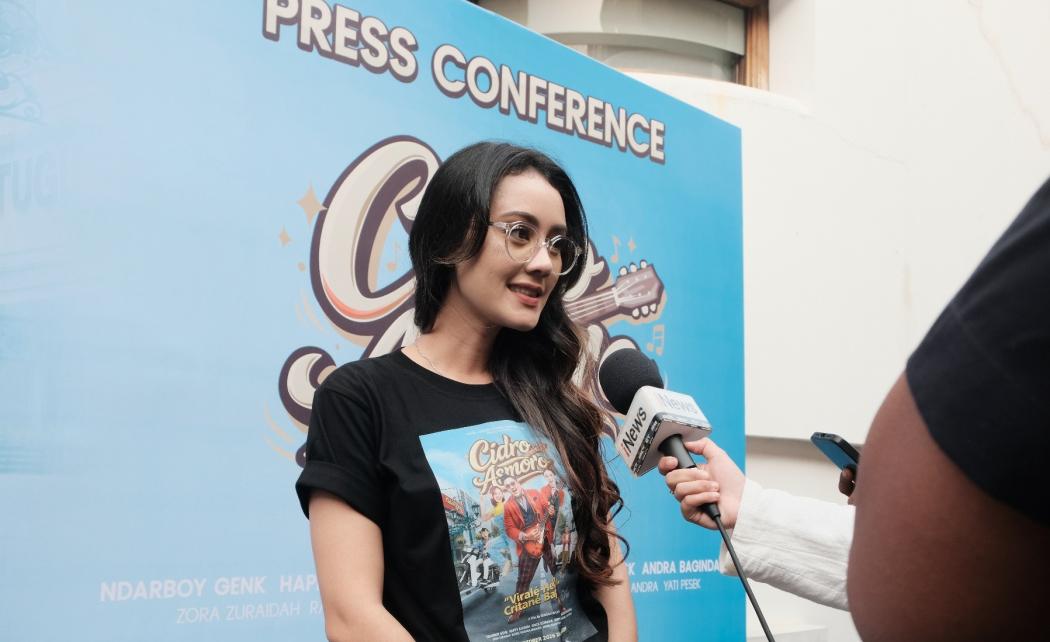
Cultural Impact of Campursari and Viral Fame
The cultural setting of the **Cidro Asmoro Movie** provides a fascinating look into the lives of working-class artists in Yogyakarta. Yogyakarta has long been celebrated as the cultural soul of Java, a city where ancient traditions coexist with a booming youth culture. The film beautifully captures this duality by showcasing the historic architecture of old neighborhoods alongside trendy, modern cafes where youth gather. This geographic backdrop acts as a silent character, anchoring the emotional weight of the narrative in a tangible, real-world space.
By exploring the theme of viral social media fame, the movie addresses a highly relevant issue affecting young creatives worldwide. In the digital age, the line between authentic artistic expression and algorithmic optimization has become increasingly blurred. The film poses difficult questions about whether regional art forms can survive when they are repackaged for global consumer consumption. These thematic elements resonate far beyond the borders of Indonesia, offering valuable insights for anyone interested in the future of folk media.
Additionally, the collaborative efforts of the cast and crew have sparked a renewed appreciation for Javanese literature and poetry among younger demographics. The lyrics written for the film’s soundtrack carry deep poetic meaning, utilizing traditional metaphors to describe modern emotional struggles. This artistic choice has encouraged young viewers to explore their linguistic heritage, creating a positive cultural ripple effect. The film’s theatrical release is poised to expand this cultural renaissance, introducing these rich traditions to international film festivals and global audiences.
By The Numbers: The Digital Rise of Regional Indonesian Cinema
The business model behind regional musical films has experienced explosive growth over the last five years. Industry reports indicate that local Javanese language films and musical content regularly outperform standard Indonesian-language productions in regional territories. This shift is largely driven by high digital engagement rates across platforms like YouTube and TikTok, where regional music clips easily accumulate hundreds of millions of views. Film producers have recognized that this digital activity translates directly into theatrical ticket sales, making films like this highly lucrative ventures.
Furthermore, demographic data reveals that over sixty percent of the audience for regional musical dramas consists of viewers aged eighteen to thirty-four. This young, tech-savvy demographic is highly active in generating online discussions, creating fan art, and driving word-of-mouth marketing. The commercial viability of these projects has attracted significant investment from major national distributors, raising the overall production value of regional cinema. As a result, modern releases feature world-class cinematography, pristine audio engineering, and highly sophisticated screenwriting that can compete on an international stage.
To explore how similar musical films are cataloged and rated by international cinema enthusiasts, fans can visit IMDb’s international cinema database for comprehensive reviews and community ratings. This growing global curiosity highlights the universal appeal of stories rooted in authentic, local experiences. As the release date approaches, box office analysts predict that the film will set new records for regional releases, cementing its place in cinematic history.
People Also Ask
What is the release date of the Cidro Asmoro Movie?
The film is officially scheduled to premiere in all major cinemas across Indonesia starting October 8, 2026. Fans can expect special premiere events featuring the cast in key cities like Yogyakarta and Jakarta.
Who are the main cast members of the Cidro Asmoro Movie?
The movie features Jodilee Warwick as the viral cafe worker Prita, Ndarboy Genk as the dedicated traditional musician Daru, and Happy Asmara as a professional veteran singer. The supporting cast includes several notable local actors and musicians from Yogyakarta.
What genre of music is featured in the Cidro Asmoro Movie?
The film heavily features Campursari and modern Javanese pop-folk music, blending traditional gamelan elements with contemporary acoustic and pop structures. The soundtrack plays a crucial role in driving the emotional narrative of the characters.
Where was the Cidro Asmoro Movie filmed?
The production was shot on location in Yogyakarta, highlighting the city’s unique blend of historic traditional neighborhoods, local street performances, and modern youth cafe culture. This authentic setting provides a rich cultural backdrop for the story.
Final Expectations for Cidro Asmoro Movie
As the theatrical launch of the **Cidro Asmoro Movie** draws near, the excitement within the global and regional entertainment communities continues to reach new heights. This production represents a major step forward for cultural storytelling, proving that regional folk music can be seamlessly integrated into high-quality cinematic narratives. The combination of Jodilee Warwick’s acting, Ndarboy Genk’s musical authenticity, and Happy Asmara’s star power ensures a memorable cinematic experience.
Whether you are a lifelong enthusiast of Javanese Campursari music, an admirer of the main cast, or simply a fan of emotionally rich storytelling, this movie offers something truly special. It challenges audiences to reflect on how they consume media and the real-world consequences of our online interactions. Mark your calendars for October 8, 2026, and prepare to experience a story that will make you laugh, cry, and sing along long after the credits roll.
For continuous coverage of international film releases, celebrity interviews, and local pop-culture movements, make sure to bookmark our portal for the latest celebrity lifestyle and cinematic trends. This film is set to be one of the defining cultural moments of the year, so make sure you do not miss your chance to catch it on the big screen. Bring your friends, family, and loved ones to celebrate the magic of music, community, and the enduring power of local art.
More Like This
For more updates, check out our latest entertainment and sports news.