Key Takeaways
| Critical Reaction | Chris Hansen awarded Robert Pattinson a “D” grade for his portrayal in A24’s new feature film. |
| Key Quote | Hansen described the project as “bizarre” and completely “detached from reality.” |
| Counter-Strategy | The veteran host purchased pre-roll theater ad space for his TruBlu streaming network ahead of screenings. |
| Core Dispute | Hansen vehemently defended the rigorous journalistic standards of NBC’s original sting investigations. |
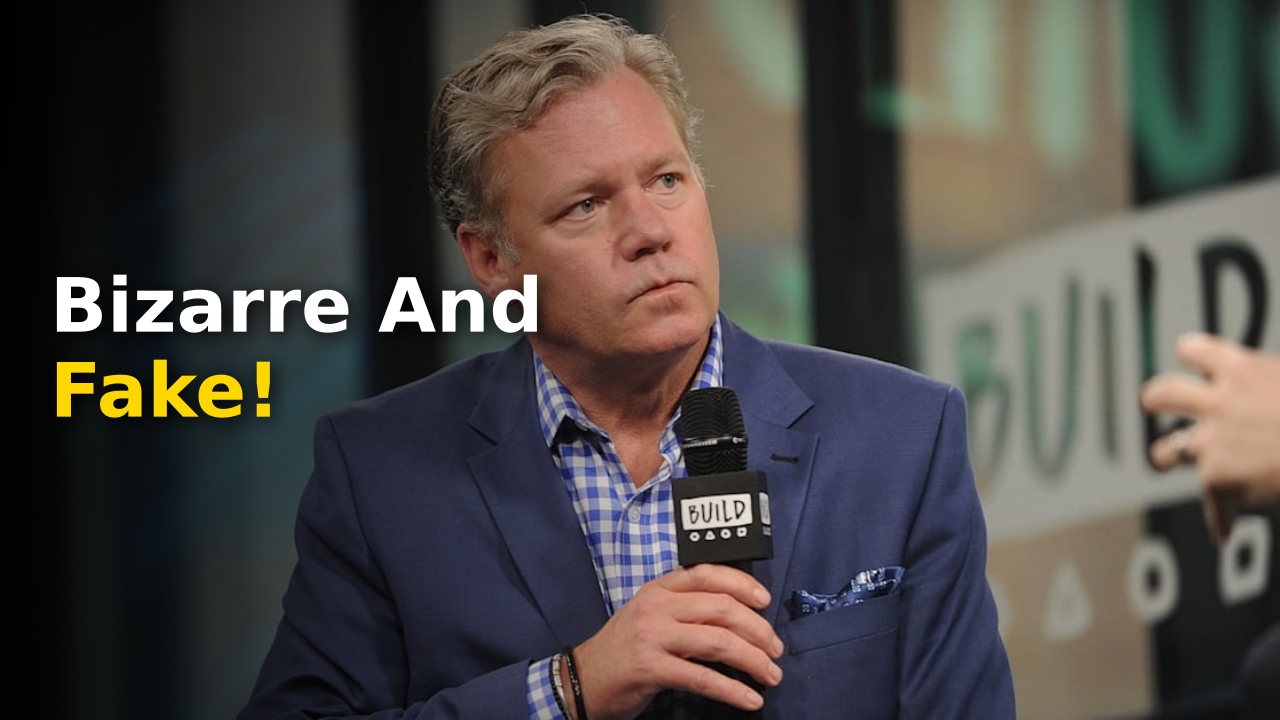
You might expect an investigative icon to celebrate his Hollywood breakthrough, but the official Chris Hansen Primetime review delivers a blistering reality check. The legendary television anchor did not hold back after viewing A24’s dark dramatic thriller about his broadcast legacy. Hansen publicly called the Lance Oppenheim film “so bizarre and so in and out of reality,” establishing an immediate divide between Hollywood drama and historical fact.
Speaking out on social platform X and during a national television sit-down with Fox News host Jesse Watters, Hansen directly addressed the dramatization of his investigative career. He cautioned longtime followers that director Lance Oppenheim created pure fiction rather than an authentic documentary. Hansen stated bluntly that the cinematic narrative completely misrepresents his life’s work exposing online predators across the United States.
The media firestorm erupted during the film’s opening weekend as viewers rushed to compare the real-world sting operations to Oppenheim’s stylized vision. For readers following the latest updates on entertainment industry news, the public dispute highlights growing tensions between dramatic filmmakers and real-life investigative subjects.
Chris Hansen Primetime Review Grades Pattinson
In his candid assessment, Hansen directly targeted the cinematic interpretation presented by lead star Robert Pattinson. While Pattinson has earned critical acclaim for subversive roles across prestigious indie projects, his take on the television host failed to impress the genuine subject. When Watters asked him to assign a traditional academic grade to the performance, Hansen bluntly handed Pattinson a “D.”
Hansen emphasized that his frustration stems not from artistic vanity, but from the wholesale distortion of his team’s complex investigative methodology. “It was so detached from reality or anything I’ve experienced then or now doing the investigations,” Hansen explained in his viral video address. “I’m not sure what the point of it was.” The television veteran stressed that real enterprise journalism requires meticulous legal standards that the film seemingly abandons.
He expanded further on national television, offering advice to prospective moviegoers while defending his professional legacy. “If you’re a fan of A24, if you’re a fan of Robert Pattinson, you know, make up your own mind whether to go see it,” Hansen stated. “But realize that when you do go see it that it is absolutely a fictional portrayal of me, of my colleagues, of the series, and of the very hard, diligent enterprise work that we did then and do now.”

The TruBlu Counter-Attack
Rather than relying solely on verbal rebuttals, Hansen executed an aggressive marketing maneuver that surprised film distributors. He bought high-visibility cinema advertising slots directly preceding nationwide screenings of the A24 movie. These tactical commercials urge theatergoers to watch real, unscripted stings on Hansen’s independent streaming network, TruBlu.
- Promoted actual, unedited investigative footage directly to movie audiences seated inside multiplexes.
- Highlighted modern child protection stings currently produced by Hansen’s independent production company.
- Reasserted editorial control over his image while A24 capitalized on his iconic pop culture footprint.
- Generated massive viral buzz across digital channels, driving direct subscription revenue to his platform.
Media analysts regard this maneuver as a masterclass in independent distribution warfare. By placing his actual investigative footage directly ahead of Oppenheim’s fictionalized film, Hansen ensures moviegoers witness authentic stings before watching Hollywood’s surreal interpretation. Fans interested in similar Hollywood disputes can discover more on celebrity media coverage as stars reclaim their narratives.
Primetime Movie Comparison: Reality Versus Fiction
| Category | NBC / Dateline Reality | A24’s Primetime Portrayal |
|---|---|---|
| Lead Character Tone | Composed, methodical network journalist | Frenetic, morally ambiguous media figure |
| Law Enforcement Role | Direct tactical decisions handled by sworn officers | Network-driven operations dictating tactical moves |
| Investigation Accuracy | Hundreds of verified chat logs verified by Perverted Justice | Heavily dramatized, surreal composite events |
| Subject Reaction | Hansen stands firmly behind journalistic impact | Hansen awarded the project an official “D” grade |
The stark contrasts outlined in this data table explain why the veteran newsman felt compelled to publish his formal video critique. While Oppenheim leans into psychological thrills and sensory distortion, the original television series relied on stark fluorescent lighting, unedited digital transcripts, and deliberate prosecutorial pacing.
The cultural footprint of Hansen’s sting operations remains unmatched in television history, spawning internet catchphrases that endure decades later. As documented in comprehensive television retrospective archives on IMDb’s To Catch a Predator database, the broadcast franchise gripped tens of millions of viewers during its initial mid-2000s network run.
The Legacy of Dateline Predator Stings
To truly understand Hansen’s fierce pushback against the A24 release, one must examine the complicated historical background of NBC’s hidden-camera phenomenon. Premiering in 2004, the Dateline NBC franchise transformed investigative television by partnering with online watchdog organization Perverted Justice. Together, they tracked suspected adult predators to rented suburban properties rigged with hidden cameras and covert production vans.
The investigative broadcasts captivated American households, pulling massive Nielsen ratings while fundamentally reshaping public awareness around internet safety. However, the immense success of the series brought extraordinary scrutiny from legal scholars, broadcast ethicists, and civil libertarians. Critics questioned whether the televised stings crossed ethical lines between legitimate investigative reporting and active police entrapment.
The controversy culminated tragically in 2006 during a high-stakes sting operation based in Murphy, Texas. When local prosecutor Bill Conradt failed to appear at the designated decoy residence, armed tactical police officers and NBC camera operators advanced directly on Conradt’s private home. Before officers could breach the doorway, Conradt committed suicide inside his residence.
Nearly two decades later, Hansen maintains complete confidence in his reporting team’s conduct, clarifying that sworn police leadership—not television executives—dictated tactical maneuvers on the ground. A comprehensive analysis by Forbes business reporting on media ethics previously explored how true-crime monetization models frequently collide with civil liability and personal reputation.

Hollywood Biopics and Subject Backlash
Hansen’s furious response places him in prominent company among high-profile figures who despise their unauthorized screen dramatizations. Modern entertainment history contains numerous instances where living icons condemned auteur directors for warping their personal histories into cinematic entertainment.
- Pamela Anderson denounced creators of biographical projects, famously condemning producers who commercialized private traumas.
- Facebook co-founder Mark Zuckerberg called Jesse Eisenberg’s portrayal in David Fincher’s The Social Network deeply hurtful and inaccurate.
- Music icon Elton John clashed frequently with studio heads over creative sanitization during early development rounds of his biopic.
- Legendary basketball icons threatened litigation over stylized locker-room characterizations featured on premium cable dramas.
This enduring friction illustrates the fundamental divide between biographical creative license and lived factual reality. Directors prioritize thematic metaphor, heightened conflict, and visual poetry, whereas subjects demand strict adherence to verifiable historical records.
Expert Take on Hollywood Dramatizations
Entertainment industry legal analysts note that public figures face virtually insurmountable hurdles when attempting to halt unauthorized biographical movies. First Amendment protections grant filmmakers wide artistic latitude to interpret public events through dramatized fiction, provided the work does not cross into intentional, malicious defamation.
By launching his own counter-programming campaign through in-theater cinema advertisements, Hansen adopted a modern public relations strategy. Rather than bogging down his resources in protracted courtroom battles that rarely yield injunctions, he leveraged the movie’s media visibility to fuel his own independent commercial ventures. Film scholars note that modern audiences increasingly crave factual context alongside cinematic storytelling.
Hansen’s proactive media strategy guarantees that whenever movie buffs debate the merits of Pattinson’s performance, the real-world journalist controls a significant share of the cultural conversation. Audiences tracking dramatic news developments can read further on trending entertainment news updates to see how biographical filmmaking continues to evolve.
People Also Ask
What happened with Chris Hansen’s Primetime review today?
Chris Hansen published an official video review of A24’s film Primetime, calling the project “bizarre” and completely “detached from reality.” He also awarded Robert Pattinson’s lead acting performance a D grade during a Fox News appearance.
Why is Chris Hansen trending right now?
Hansen is trending after buying pre-roll ad space inside theaters screening A24’s Primetime to promote his real-life streaming network, TruBlu, while openly bashing the movie’s historical accuracy across national media.
How does this affect Robert Pattinson’s Primetime film?
Hansen’s vocal criticism has ignited fierce social media debate over the film’s artistic liberties, drawing significant public curiosity toward the film while driving viewers to watch authentic investigative footage on TruBlu.
When is the new Chris Hansen show coming out?
Hansen is actively producing and hosting original investigative stings and true-crime content streaming right now on his dedicated digital network, TruBlu, with new episodes airing on a weekly schedule.
Final Verdict on the A24 Controversy
The war of words surrounding Lance Oppenheim’s ambitious thriller marks a pivotal moment in true-crime entertainment history. When audiences evaluate the official Chris Hansen Primetime review, they encounter a veteran journalist refusing to let Hollywood rewrite his professional life. By rating Pattinson’s work a D and challenging the movie’s creative choices, Hansen established clear boundaries between cinematic fantasy and investigative journalism.
Whether A24’s Primetime earns prestigious cinema trophies or fades as a surreal curiosity, Hansen has secured the final word. By weaponizing theater ad space, social media platforms, and national broadcast interviews, the original predator hunter proved that his media instincts remain as sharp as ever.
More Like This
For more updates, check out our latest entertainment and sports news.