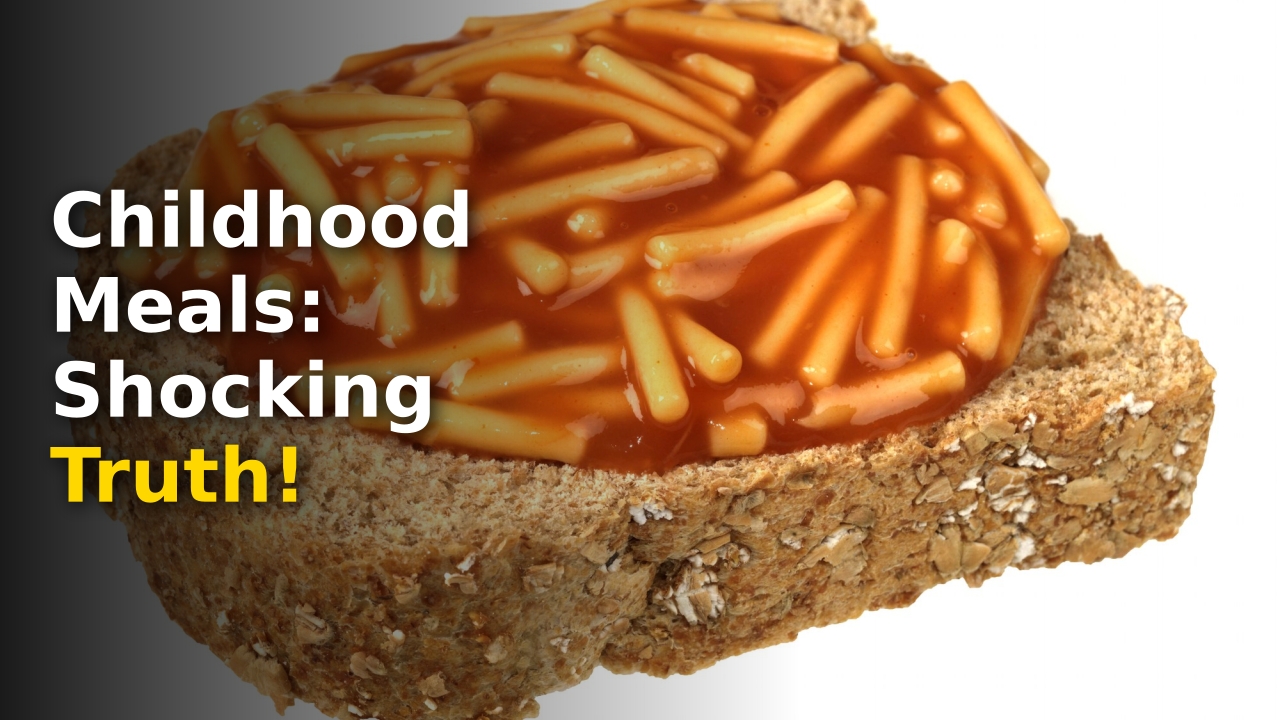
Childhood meals are the hidden time machines of our generation, capable of transporting you from a hectic modern Tuesday straight back to the chunky oak tables of the 1970s and 1980s. Do you remember the distinct, slightly artificial scent of a TV dinner browning in the oven while your favorite sitcom theme song blared in the background?
You might have rolled your eyes when your mom served up yet another casserole, but today, that singular, savory taste represents a fleeting era that you simply cannot get back. As we look at these 24 culinary relics, prepare to be hit by a wave of pure, unadulterated nostalgia that bridges the gap between your past and your current kitchen.
The Psychology of Childhood Meals
Food acts as a cognitive trigger, unlocking sensory memories that words often fail to capture. When you taste a dish from your youth, your brain bypasses the analytical present and settles into the emotional safety of the past. This isn’t just about nutrition; it is about the feeling of being taken care of when the world felt significantly smaller and much more manageable.
Back in the 1970s, the workforce landscape shifted rapidly, forcing families to adapt to a faster pace of life. The kitchen became a laboratory of convenience, where the goal was to keep the nuclear family fed without spending hours over a hot stove. This necessity gave birth to the “semi-homemade” movement, championed later by icons like Sandra Lee, but lived by every parent in America at the time.
You likely recall the aesthetic of the Pizza Hut-style hanging light fixtures that illuminated these gatherings. That specific yellow glow served as the backdrop for thousands of shared meals that felt mundane at the time but now seem like precious, foundational memories. 
The shift toward processed ingredients was driven by economic necessity and industrial innovation. Ground beef, in particular, became the reliable workhorse of the American kitchen, appearing in various forms from sloppy joes to the infamous meatloaf. While you might have complained about the monotony then, today, that exact flavor profile is synonymous with comfort and stability.
Even the so-called “struggle meals” had a distinct personality that we have tried to replicate with gourmet ingredients. That tuna casserole, which we once viewed with deep suspicion, is actually a complex layering of textures. With its crunchy topping and creamy, savory depths, it remains a gold standard for a reason. You can find more insights on cultural phenomena at Bright Celebrity.
Interestingly, many of these dishes have seen a massive resurgence in the social media era. We might call it a “panko-crusted tinned fish pasta bake” now, but we are all secretly chasing that exact comfort we found in our parents’ kitchens. The evolution of our palate has come full circle, proving that some classics are simply too good to stay buried in the past.
Why We Crave The Past
- Sensory triggers like smell and texture are linked to the hippocampus.
- The “familiarity heuristic” makes us prefer foods we ate during formative years.
- Nostalgic eating releases dopamine, providing a temporary mood boost.
- The emotional labor associated with childhood cooking creates lasting bonds.
- Convenience foods from the past provide a sense of security during chaotic times.
Economic Impacts of 1980s Cooking
During the 1980s, the average household budget for groceries had to stretch further than ever before. This led to the rise of what we now identify as budget-conscious gastronomy. Manufacturers utilized clever marketing to place their recipes directly on the backs of boxes, ensuring that the consumer felt empowered while purchasing processed components.
The reliance on canned goods and frozen ingredients wasn’t just laziness; it was a masterclass in efficiency. A simple can of cream of mushroom soup could transform dry pasta and canned tuna into a cohesive, warm meal. This alchemy of leftovers and pantry staples defined an entire generation’s definition of a “home-cooked” dinner.
We saw companies invest heavily in branding that appealed to the changing lifestyle of working mothers. Brands like Campbell’s or Stouffer’s weren’t just selling food; they were selling the solution to a time-starved world. This historical shift is well-documented by experts looking at the evolution of the American dinner table.
By the time the late 1980s rolled around, the frozen food aisle had become a sanctuary. Families would browse the colorful cardboard boxes, selecting dinners that promised to save time without sacrificing the perceived status of a full meal. This was the era when the microwave oven became a standard kitchen appliance, forever changing the cadence of our nightly routines.
The pricing strategies of these goods meant that protein-heavy meals were accessible to almost every socioeconomic group. By extending meat with fillers like breadcrumbs, rice, or pasta, households ensured that everyone was fed, regardless of the fluctuating market prices of fresh produce or premium cuts of meat. 
We often forget the sheer scale of the food production shift during this decade. The focus moved away from seasonal eating toward consistent, year-round availability of specific staples. This standardization created a shared culinary identity across the United States, meaning someone in Ohio and someone in California were likely eating the same brand of frozen pizza on any given Friday night.
Comparison of Then vs Now
| Meal Category | 1980s Approach | Modern Equivalent |
|---|---|---|
| Pasta Bake | Canned Tuna & Cream Soup | Panko-crusted Gourmet Bake |
| Meatloaf | Budget Ground Beef | Wagyu or Grass-fed Blend |
| Snacks | Processed Fruit Treats | Organic Dehydrated Fruit |
The Cultural Legacy of Childhood Meals
Why do we still care about these dishes? It is because they represent a period of life when you were a passenger in your own existence, taken to the dinner table by others. Revisiting these recipes is a way to reclaim that autonomy while acknowledging the love that was poured into every shortcut and every box-baked meal.
Generation X bears the weight of this nostalgia most heavily. You are the demographic that bridge the analog childhood and the digital adulthood, making these memories particularly poignant. When you see a reference to 1970s food photos, you aren’t just looking at calories; you are looking at your own history.
We encourage you to go back into your kitchen and attempt to recreate these meals. Don’t worry about being perfect; focus on the sensation. Use the same cheap ingredients if you want, or upgrade them to artisanal versions—the result is a celebration of your past regardless of the specific components.
The beauty of childhood meals is that they are never truly gone. They exist in the neural pathways of your brain and the shared stories of your friends. Every time you mention that classic tuna bake or that ubiquitous meatloaf, you keep the spirit of that era alive for a new generation.
As you continue to reflect on these memories, consider what other habits from your childhood have stayed with you. It is fascinating how the things we once complained about eventually become the cornerstones of our adult comfort. Keep exploring, keep cooking, and most importantly, keep enjoying those flavors.
The Final Word on Nostalgia
We hope this trip down memory lane has sparked some hunger for the past. Whether you are currently planning a weekend meal based on a 1985 family recipe or just reminiscing about the taste of a frozen treat, remember that these moments define who you are. Keep the tradition going by sharing these meals with your own children, even if you do it with a modern twist.
There is nothing quite like the warmth of a meal that has stood the test of time. As you move forward, carry the memory of that oak table and the yellow kitchen light with you. You have the power to create new memories, but the old ones will always be there, waiting for you on your next visit home. This is the ultimate comfort of the childhood meals we all deeply miss.
More Like This
For more updates, check out our latest entertainment and sports news.