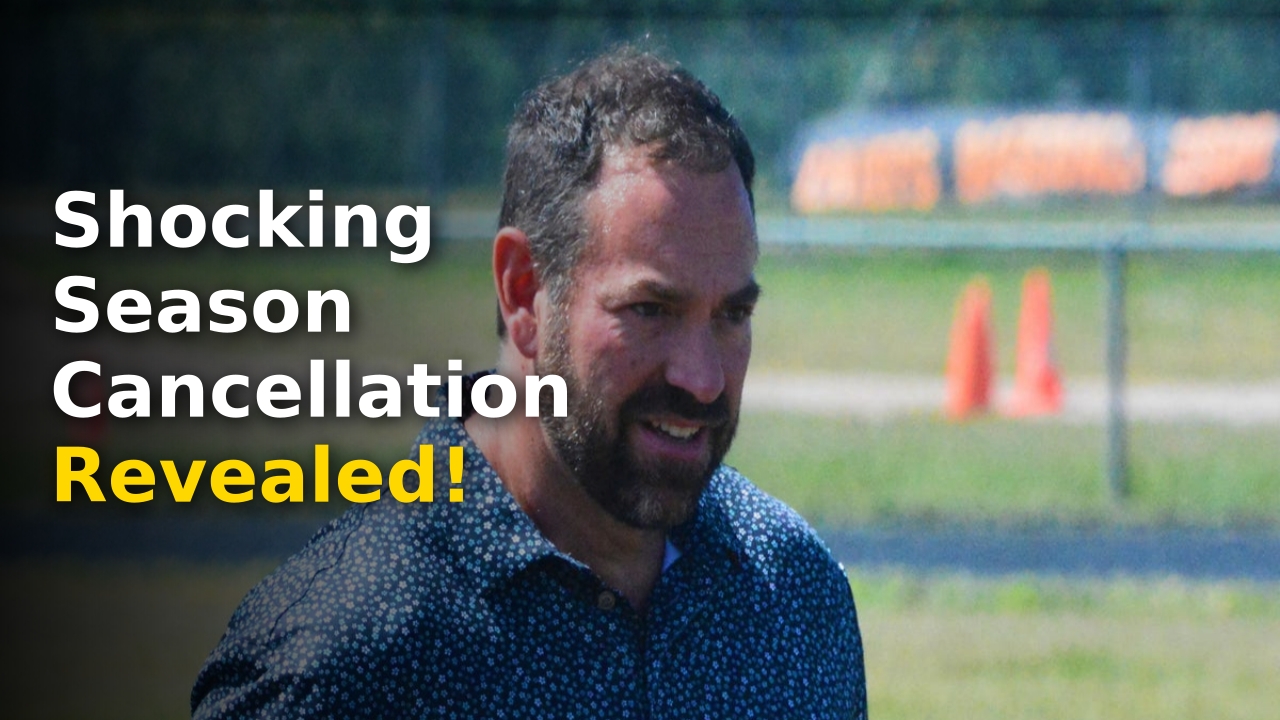
⚡ Key Takeaways
- Steve Klinge officially took the helm of Cheboygan High School sports during a historic participation crisis.
- The 2026 varsity football season was canceled within Klinge’s first week due to critical safety and roster concerns.
- Veteran mentors like Marty Mix and Ben Wilson are providing essential institutional knowledge during the transition.
- Despite the early turbulence, the long-term focus remains on reviving the prestigious legacy of the Cheboygan Chiefs.
You probably imagine a new athletic director’s first week involves shaking hands, ordering new jerseys, and soaking in the school spirit of a storied program. For Steve Klinge, the reality of managing Cheboygan Athletics was a baptism by fire that would test the resolve of even the most seasoned administrator. Within mere days of sitting in his new office, Klinge had to make the heart-wrenching decision to pull the plug on a community staple: varsity football.
This unprecedented move was not made lightly, as the health and safety of student-athletes became the primary driver behind a chaotic series of emergency meetings. Cheboygan Athletics is currently navigating a landscape of shifting demographics and participation hurdles that are echoing across rural Michigan. While the news sent shockwaves through the Cheboygan Area Schools district, Klinge remains steadfast in his mission to rebuild and revitalize the department.
The transition from his previous role at Kingsley High School to the top spot in Cheboygan has been nothing short of a whirlwind. As the community looks for answers, Klinge is leaning on a support system of veteran educators to ensure that this temporary setback does not define the future of the program. The following deep dive explores the systemic challenges, the data behind the decline, and the strategic roadmap for a new era of excellence.
Cheboygan Athletics and the Football Crisis
When Steve Klinge arrived at Cheboygan, he inherited a program with a “rich history” that spans decades of Northern Michigan dominance. However, the reality of the 2026 season hit home quickly when the roster numbers for varsity football failed to meet the minimum safety requirements. With only a handful of upperclassmen ready for the gridiron, the risk of placing inexperienced underclassmen in high-impact situations was simply too high for the administration to ignore.
Klinge spent his first four days on the phone with the MHSAA (Michigan High School Athletic Association) exploring every possible avenue to save the season. He investigated the possibility of emergency co-ops with neighboring districts and individual student waivers, but the regulatory hurdles were insurmountable on such short notice. This logistical nightmare forced a decision that felt like a defeat, yet was ultimately an act of courageous leadership prioritized over public optics.
The cancellation of a varsity season is a rare occurrence for a school of Cheboygan’s size, but it highlights a growing trend in high school sports where 11-man football programs are struggling to maintain sustainable numbers. Klinge’s experience as a coach at Kingsley High School gave him some perspective, but the sheer scale of the Cheboygan Athletics department required a more comprehensive administrative approach. He understood that the “buzz” he craved would have to come from other fall sports while the football program underwent a mandatory period of reflection and restructuring.
Despite the lack of a Friday night lights atmosphere this fall, the athletic director is focusing on the “great past” of the school to inspire the next generation of Chiefs. He is actively working with the middle school programs to ensure a pipeline of talent that is both physically prepared and emotionally invested in the jersey. The goal is to ensure that the 2026 cancellation is a one-time anomaly rather than a recurring theme for the district.

The Impact on Student-Athlete Development
The absence of a varsity season doesn’t just affect the scoreboard; it impacts the social and developmental fabric of the high school experience. For many seniors, the 2026 season was supposed to be the culmination of years of hard work, and Klinge has had to manage the emotional fallout of those lost opportunities. He has encouraged displaced athletes to consider other fall sports, such as soccer or cross country, to maintain their competitive edge and school involvement.
Furthermore, the long-term health of Cheboygan Athletics depends on how the community responds to this adversity. Some students who show exceptional promise on the field eventually find their way to collegiate levels, where they might even achieve a level of fame that turns them into a bright celebrity in their own right. Klinge’s job is to ensure that the infrastructure exists to support those dreams, even when the path is temporarily blocked by logistical hurdles.
The High Stakes of High School Safety
In the modern era of secondary education, the phrase “student safety” carries more weight than ever before. Steve Klinge and the leadership at Cheboygan Area Schools were acutely aware of the liability and ethical concerns associated with a thin roster. Playing varsity football with insufficient depth often leads to players staying on the field while exhausted, which is the leading cause of preventable injuries according to data from the NCAA and medical researchers.
Klinge’s transparency about the MHSAA consultations revealed a department that was willing to exhaust every resource before admitting defeat. The safety-first mentality is a hallmark of contemporary Cheboygan Athletics management, reflecting a shift away from the “win at all costs” culture of previous decades. By choosing to protect the students now, Klinge is preserving the ability to field a competitive, healthy team in the future.
The athletic director is also navigating the complex world of official certifications, referee scheduling, and facility maintenance. Former AD Jason Friday was instrumental in setting up a foundation that Klinge describes as highly organized. However, the unexpected football crisis meant that Klinge had to pivot from long-term planning to immediate damage control, a shift that required significant communication with parents and local stakeholders.
Mentorship has played a vital role in keeping Klinge afloat during these first few weeks. He credits Marty Mix, a veteran administrator with 25 years of experience, for providing the necessary guidance on MHSAA regulations. Having an expert who knows the building and the regional politics “inside and out” has prevented Klinge from making the common mistakes that plague first-year directors in smaller, tight-knit communities.
Expert Take: The Rural Sports Crisis
By The Numbers: Across the Midwest, participation in 11-man football has dropped by nearly 12% over the last decade, according to regional athletic association reports. This decline is often attributed to the rise of specialized travel sports and increased parental concern over concussions. In rural districts like Cheboygan, where the student population is already smaller, a swing of just five or six athletes can mean the difference between a full roster and a canceled season. Klinge’s struggle is a microcosm of a national shift toward 8-man football as a viable alternative for schools facing similar demographic pressures.
Strategic Leadership and Mentorship Excellence
Managing Cheboygan Athletics requires more than just an understanding of game rules; it requires a sophisticated grasp of human capital. Steve Klinge has made it a point of emphasis to get to know every coach, teacher, and administrator in the building. This relational approach is designed to build trust so that when hard decisions—like the football cancellation—are made, the community knows they are coming from a place of integrity.
The support of Ben Wilson and Marty Mix has been the “safety net” that allowed Klinge to take bold steps early in his tenure. In many districts, a new AD is left to sink or swim, but Cheboygan has fostered a collaborative environment where the success of the athletic department is tied to the overall health of the school. This mentorship ensures that Klinge can focus on innovation rather than just basic survival.
Klinge is also looking at ways to improve the visibility of all Cheboygan Athletics programs. From volleyball to basketball, he wants the “buzz” in the building to be undeniable. By leveraging social media and local news outlets, he is highlighting the achievements of individual athletes to keep the community engaged during the football hiatus. This strategy helps maintain booster club support and ensures that funding remains stable for all sports programs.
Communication is the cornerstone of Klinge’s philosophy. He is currently auditing the existing scheduling systems and referee pipelines to find efficiencies. While Jason Friday left the cupboard full, Klinge is looking for ways to modernize the department, perhaps through new digital ticketing platforms or enhanced streaming services for home games. These upgrades are essential for keeping Cheboygan Athletics competitive in a digital-first world.

Building a Culture of Resilience
Resilience is a word that Klinge uses frequently when discussing his vision for the Chiefs. He wants his athletes to understand that setbacks are part of the process, whether on the field or in life. By handling the football crisis with grace and transparency, he is modeling the very behavior he expects from his students. This cultural shift is aimed at creating well-rounded individuals who can thrive long after their high school sports careers have ended.
A Statistical Look at Michigan Sports Participation
| Category | State Average (High School) | Cheboygan Forecast 2026 | 5-Year Trend |
|---|---|---|---|
| Football Participation | 38 Players/Team | 14-18 Players | Decreasing |
| Multi-Sport Athletes | 42% of Students | 45% of Students | Stable |
| AD Tenure Average | 4.2 Years | N/A (New Hire) | High Turnover |
| Safety Compliance | 100% Required | 100% (Strict) | Increasing Rigor |
As seen in the data above, Cheboygan Athletics is fighting against a state-wide decline in football participation. While the school maintains a strong percentage of multi-sport athletes, the critical mass required for a safe football roster was simply not there this year. This table underscores why Klinge’s decision, though unpopular with some fans, was statistically and logically sound based on current high school sports trends in Michigan.
The Long-Term Vision for Cheboygan High School
Looking beyond the immediate hurdles, Steve Klinge is focused on a five-year plan for Cheboygan Athletics. He recognizes that a successful department is built on the foundation of junior varsity and middle school programs. By investing more time and resources into these younger age groups, Klinge hopes to build a sustainable culture where students are eager to represent the Chiefs throughout their four years of high school.
Klinge’s previous tenure as a softball and assistant football coach at Kingsley High School provided him with a deep understanding of the coaching side of the equation. He knows that coaches need the autonomy to run their programs but also require the support of an AD who will go to bat for them when they need equipment or facility upgrades. He is currently conducting a comprehensive review of all athletic facilities to ensure they meet the standards of a modern, elite program.
Community engagement is another major pillar of Klinge’s long-term vision. He plans to host more community forums and “Meet the AD” nights to bridge the gap between the school administration and the public. By being a visible presence at every game, whether it’s a varsity volleyball match or a freshman soccer game, he is signaling that every sport is equally important to the legacy of Cheboygan Athletics.
The “rich past” of Cheboygan is not just a slogan for Klinge; it is a benchmark. He frequently talks about the championship banners hanging in the gym as a source of motivation. He wants to add more to those rafters, but he knows that the path to victory starts with administrative stability and a clear, shared vision among the coaching staff and the student body.
Expert Take: The Value of Institutional Knowledge
Expert Perspective: According to the MHSAA, athletic directors who have strong mentorship during their first two years have a 60% higher retention rate. The presence of Marty Mix in Klinge’s corner is a competitive advantage that many Northern Michigan schools lack. This relationship allows Klinge to bypass the “learning the ropes” phase and jump directly into strategic planning. In a world where high school AD positions often see high turnover, the stability provided by this mentorship model is invaluable for the long-term success of the Chiefs.
Frequently Asked Questions
Who is the new athletic director at Cheboygan?
Steve Klinge is the new athletic director for Cheboygan High School. He was hired at the end of April 2026 and officially began his tenure in August, bringing experience from his time at Kingsley High School.
Why was the 2026 Cheboygan football season canceled?
The 2026 varsity football season was canceled due to low participation numbers and significant concerns for student safety. The administration and Steve Klinge determined that they could not safely field a team with the current number of available players.
What is Steve Klinge’s background in sports?
Before joining Cheboygan Athletics, Klinge served as an assistant football coach and a softball coach at Kingsley High School. His coaching background provides him with a unique perspective on the needs of both athletes and coaches within the district.
How is the community responding to the athletic changes?
While the cancellation of the football season was a shock, Klinge is emphasizing clear communication and transparency. He is working closely with mentors like Marty Mix to ensure the community remains informed and supportive of the school’s long-term athletic goals.
The Future of Cheboygan Athletics Resilience
The story of Steve Klinge and his first few weeks at Cheboygan is one of navigating the storm before finding the calm. While the headlines focused on the “turbulent start,” the real story is about a leader who is willing to make the tough calls for the sake of his students. Cheboygan Athletics is in a period of transition, but with the right leadership and community support, the department is poised for a significant comeback.
Klinge’s commitment to building a system based on organization and communication is already yielding results. By leveraging the expertise of local legends like Marty Mix, he is ensuring that the mistakes of the past are not repeated. The focus remains on the kids being “back in the building” and the return of that unmistakable high school sports buzz that defines small-town Michigan life.
As the fall sports season continues with soccer, volleyball, and cross country, the spirit of the Chiefs remains unbroken. The challenges faced by Cheboygan Athletics are significant, but they are not insurmountable. With Steve Klinge at the helm, the community can rest assured that the future of their student-athletes is in capable, safety-conscious hands. The journey has just begun, and the best is likely yet to come for this historic program.
More Like This
For more updates, check out our latest entertainment and sports news.