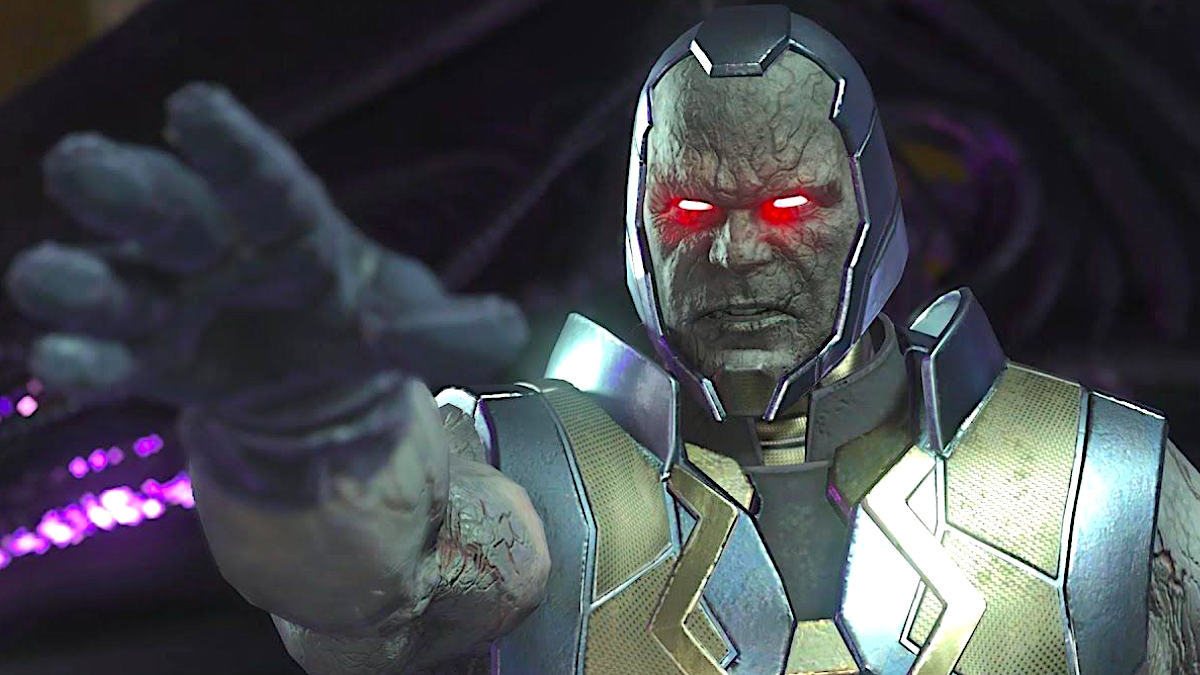
Cheap characters are the ultimate source of digital rage, and you have definitely felt that familiar, burning urge to hurl your controller across the living room at least once. Whether you are a casual button-masher or a seasoned tournament veteran, encountering a fighter designed to shatter the game’s balance is a rite of passage that defines your history with the genre.
We have all stared at the character select screen, praying that our opponent doesn’t pick that one broken avatar who turns a fair 1v1 match into a one-sided slaughter. This deep dive uncovers the legacy of frustration these legends left behind, forcing developers to rethink how they handle competitive integrity.
The Legacy of Cheap characters
When you talk about fighting games, you are essentially discussing a complex language of frames, hitboxes, and spacing. However, some characters are built to ignore this syntax entirely, effectively cheating their way to victory through oppressive design choices. These fighters don’t just win; they dismantle your confidence by making your defensive options feel completely useless.
Take Arakune from BlazBlue: Central Fiction, for instance, a character that functions like a sentient nightmare. Once this bug-ridden entity activates his signature Curse, the screen transforms into a bullet-hell sequence that would make even a seasoned veteran sweat. You aren’t just fighting a person; you are fighting a wall of projectiles that ignores standard mechanics like the Barrier Guard.
The frustration stems from the lack of counter-play. When you are caught in the loop of insects, the game stops being a tactical dance and starts being a test of how much patience you possess before you snap. This design philosophy created a massive divide in the community, with some players calling it genius and others calling it a design failure.
Looking at SoulCalibur 4, the inclusion of Yoda remains one of the most baffling decisions in modern fighting game history. By making him too short to hit with standard moves, developers accidentally broke the fundamental geometry of the game. You were forced to completely abandon your muscle memory just to deal with a character who shouldn’t have been on the roster.
Players weren’t just frustrated; they were baffled by the sheer audacity of a character who could invalidate your offense by simply existing. This kind of imbalance forces us to look at the evolution of competitive gaming and how modern patches have changed the way we perceive character tiers. 
The psychological toll of fighting a character who requires a unique rulebook is immense. You spend hours mastering your favorite fighter, learning frame data, and understanding matchups, only to have it all rendered moot by a broken hitbox. It is the ultimate betrayal of your time and effort as a player.
Defining the Meta
- Overpowered Moves: Attacks that deal too much damage or have zero recovery time.
- Oppressive Zoning: Strategies that trap players at full screen with no escape.
- Broken Hitboxes: Characters like Yoda who dodge moves by simply standing still.
- Infinite Combos: Situations where you put the controller down and watch the screen.
Data and Meta Dominance
The history of fighting games is littered with figures that defined their respective eras, often to the detriment of the fun factor. When you look at the raw statistics of tournament wins or character usage rates during the height of Super Smash Bros. Brawl, one name consistently rises above the rest. Meta Knight remains the gold standard for broken mechanics, proving that even a small, cute character can be a terror.
| Character | Game Title | Primary Frustration |
|---|---|---|
| Meta Knight | SSB Brawl | Infinite Stalling/Shield Shred |
| Cyrax | Mortal Kombat 9 | Unblockable Bomb Setups |
| General Zod | Injustice: Gods Among Us | Oppressive Zoning |
| Yoda | SoulCalibur 4 | Diminutive Hitbox |
As detailed in general fighting game history, the shift from arcade cabinets to home console patches has drastically changed the lifespan of these broken characters. Back in the day, a busted character was just a fact of life; now, it is a target for immediate nerfs and hotfixes. 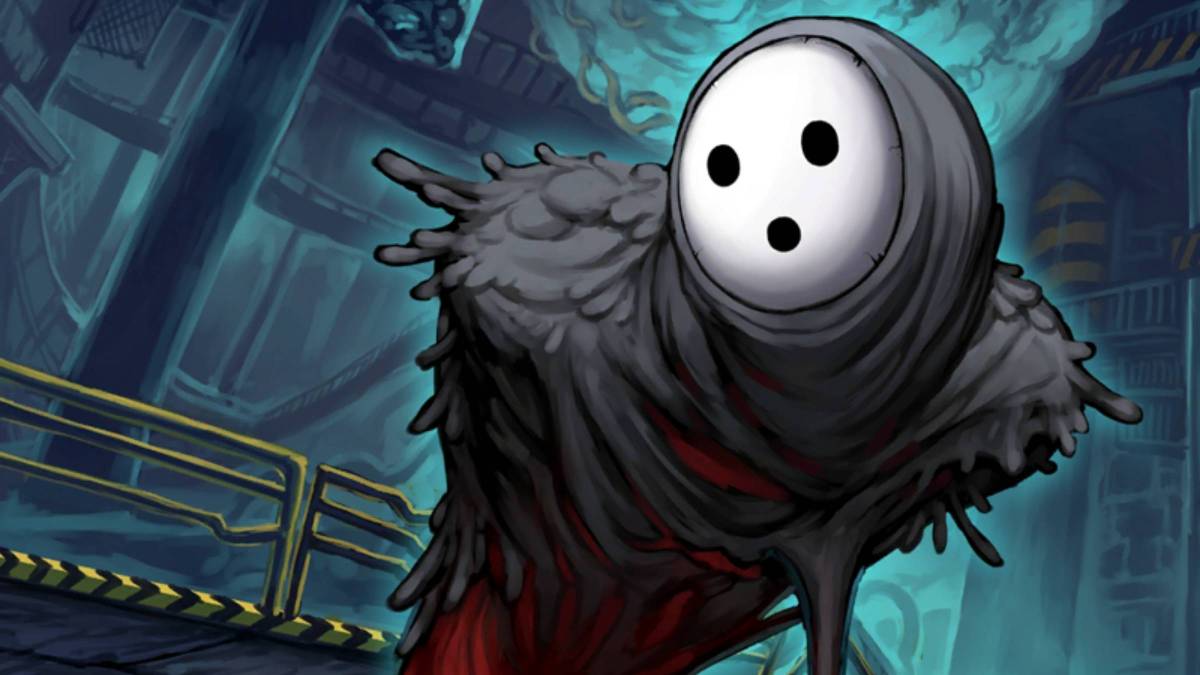
We have to appreciate the chaos, though. Without these characters, we would never have the dramatic tournament moments where an underdog miraculously beats a top-tier threat. It reminds us that no matter how cheap characters are designed, human skill and nerves can occasionally defy the odds.
Remember General Zod in Injustice? The way he could lock you down with his bubble projectile was pure torture for anyone playing a slower, ‘big body’ fighter. It really forces you to adapt, even if that adaptation just means choosing a different game to play for the evening.
Kabal in Mortal Kombat 9 represents the pinnacle of high-speed dominance. His ability to control the entire screen with gas blasts while simultaneously using hook swords for close-range pressure made him an absolute menace. You were constantly in danger of being caught in a loop that lasted longer than the average attention span of a goldfish.
The common thread between all these fighters is their ability to deny you the ‘back-and-forth’ rhythm of a fight. When you lose the ability to exchange blows, the game stops being a conversation and becomes a lecture. That is exactly why players remember these characters with a mix of genuine hatred and begrudging respect.
The Future of Balance
As we look forward, the industry has learned a lot about maintaining competitive health. Developers now prioritize transparency and frequent balance updates to ensure that no single character ruins the fun for the rest of the community. This evolution is necessary to keep the genre alive and thriving.
However, there will always be a special place in our hearts for the ‘cheap’ legends of the past. They serve as a reminder of the wild west era of gaming, where balance was often an afterthought compared to character cool factor. These memories are what make the community so vibrant and argumentative.
Next time you face someone who picks the most annoying character on the roster, take a breath. You are participating in a tradition that spans decades of gaming history. Keep practicing, learn the counter-play, and remember: you can always play a different character next time.
In the end, it’s all about the thrill of the win and the lessons learned from a crushing defeat. Whether you are climbing the ranked ladder or playing on your couch, those moments of extreme frustration build the character of a true gamer. Even the most cheap characters can’t stop you from improving if you stay persistent.
More Like This
For more updates, check out our latest entertainment and sports news.