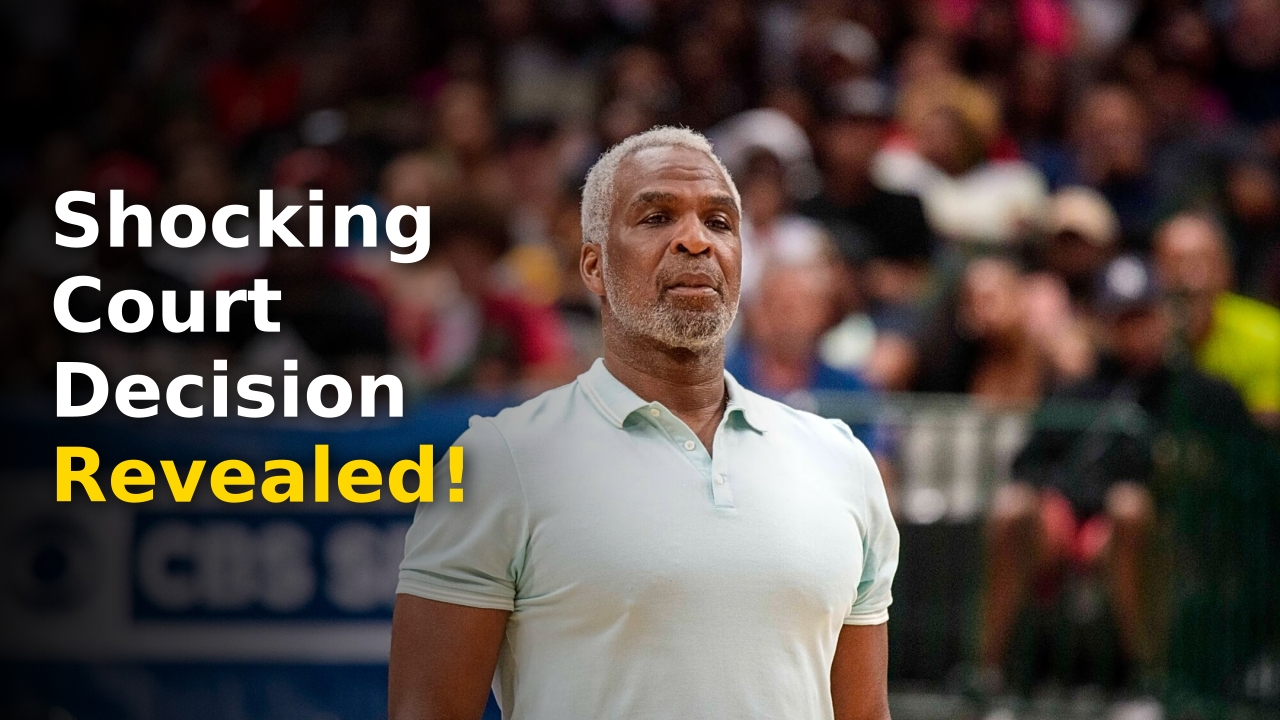
Charles Oakley saw his multi-year legal battle against Madison Square Garden officially crumble after a federal judge dismissed the remaining claims with prejudice. You might remember the chaotic night in February 2017 when security guards physically dragged the beloved New York Knicks icon out of his courtside seat on live television. That shocking confrontation ignited a vicious, seven-year courtroom war between the former enforcer and billionaire Knicks owner James Dolan.
The bitter feud captured the attention of sports fans across the globe. It raised massive questions about arena security, defamation, and how legendary athletes are treated by modern sports franchises.
Now, the highest court handling the matter has delivered a decisive blow to the former power forward. Let us break down every crucial detail behind this high-stakes legal showdown and what the dismissal truly means for everyone involved.
Charles Oakley Drama at The Garden
The entire controversy traces back to a cold February evening in 2017 during a nationally televised game between the Knicks and the Los Angeles Clippers. Oakley attended the game as a paying spectator, sitting just a few rows behind Dolan. Within minutes of taking his seat, security personnel approached him, demanding that he leave the premises immediately.
Witnesses reported intense verbal sparring before physical contact occurred. Oakley maintained that he never provoked the staff and only defended himself when surrounded by multiple security guards. The arena staff, however, claimed that Oakley was acting belligerent and hurling abusive language toward Dolan.
Cell phone video footage quickly went viral across social media platforms, showing guards wrestling the 6-foot-8 athlete to the ground. Oakley was handcuffed by the New York City Police Department and removed from the arena in full view of stunned celebrities and fans.

The Chaotic Removal Breakdown
- Initial Confrontation: Security guards approached Oakley merely four minutes after he took his seat near team executives.
- Escalation: Oakley pushed security personnel away after being told he was trespassing on private property.
- The Arrest: Police officers booked Oakley on three misdemeanor counts of third-degree assault and one count of criminal trespass.
- Public Reaction: Thousands of fans at the arena began chanting Oakley’s name in protest against Dolan’s leadership.
The fallout was instant and deeply damaging to the franchise’s public relations. Dolan responded by banning Oakley from the arena indefinitely and publicly suggesting the former player struggled with alcohol issues. Oakley vehemently denied those accusations and vowed to clear his name through the legal system.
The Bitter Legal War Explained
Oakley filed a sweeping civil lawsuit in September 2017 in Manhattan federal court, accusing Dolan and Madison Square Garden of assault, battery, false imprisonment, and defamation. The lawsuit argued that security guards used excessive, unreasonable force that resulted in serious emotional distress and physical harm. Oakley also demanded substantial financial damages for the public character assassination regarding his sobriety.
U.S. District Judge Richard Sullivan initially dismissed the entire case in 2020, ruling that the arena had the legal right to eject any patron. Sullivan determined that the security staff used reasonable force given Oakley’s refusal to leave voluntarily. However, an appeals court revived portions of the assault and battery claims, sending the case back for deeper review.
Over the next several years, attorneys engaged in grueling depositions and evidence discovery. Both sides traded sharp legal motions, with MSG lawyers presenting extensive video angles of the altercation. Oakley’s legal team insisted that the team orchestrated the removal purely out of personal animosity.
Key Claims and Legal Hurdles
- Assault and Battery: Oakley claimed security initiated unlawful physical contact without proper justification.
- Defamation Accusation: The legal team argued Dolan’s public comments permanently harmed Oakley’s commercial brand and reputation.
- Summary Judgment: The defense argued that security guards are legally permitted to use proportional force against trespassers.
- Final Ruling: Judge Sullivan concluded that no reasonable jury could find the security team guilty of excessive force based on video evidence.
The judge concluded that the video evidence completely contradicted Oakley’s version of events. The court ruled that security personnel acted within the law when managing an uncooperative individual inside a private venue. Check out our comprehensive entertainment analysis and celebrity sports updates for ongoing coverage of legal disputes involving iconic public figures.
Knicks Legacy and Fan Backlash
To understand the immense emotional weight of this case, you must understand Oakley’s standing in New York basketball history. From 1988 to 1998, Oakley served as the undisputed muscle of the Pat Riley-era Knicks alongside Hall of Famer Patrick Ewing. He represented the blue-collar, relentless defensive spirit of New York City basketball.
During his decade with the franchise, Oakley earned an NBA All-Star selection and an NBA All-Defensive First Team honor. You can read more about his career statistics on his official biography profile on Wikipedia to appreciate his historical impact on the sport. Fans viewed his mistreatment as an insult to the greatest era of modern Knicks basketball.
Following the 2017 incident, NBA Commissioner Adam Silver and Michael Jordan attempted to intervene as peacemakers. Both executives hosted a private meeting with Oakley and Dolan to broker a truce. While Dolan eventually lifted the arena ban, Oakley refused to accept any olive branch without a formal public apology.
Why Fans Sided With The Enforcer
- Unmatched Toughness: Oakley played over 700 games for New York, rarely missing time due to injury.
- Cultural Icon: He remains a symbol of 1990s grit, contrasting sharply with modern corporate ownership.
- Dolan Discontent: Fans used the incident as a rallying cry against decades of front-office mismanagement.
- Public Integrity: Oakley consistently refused financial settlements, demanding judicial vindication instead.
The feud highlighted the massive disconnect between historic franchise legends and modern corporate ownership groups. While current players praised Oakley’s character, the front office treated the incident as a routine security matter. The controversy permanently severed ties between the organization and one of its most celebrated alumni.
Timeline of The MSG Feud
The journey from the courtside ejection to the final judicial dismissal spanned over seven contentious years. Both parties spent millions of dollars in legal fees battling across multiple federal courts. Below is the comprehensive timeline of how this historic legal battle unfolded from start to finish.
| Year | Event Phase | Key Court Action or Incident | Outcome |
|---|---|---|---|
| 2017 | Arena Altercation | Oakley ejected and arrested at MSG | Misdemeanor charges filed; civil suit launched |
| 2018 | Criminal Resolution | Oakley agrees to conditional dismissal | Criminal charges fully dropped after six months |
| 2020 | Initial Dismissal | District court throws out all civil claims | Oakley files appeal to Second Circuit |
| 2021 | Appeals Revival | Appellate court reinstates assault claims | Case remanded for detailed discovery |
| 2024 | Final Judgment | Judge Sullivan grants summary judgment to MSG | Case dismissed with prejudice in federal court |
This timeline showcases the immense stamina required to fight a high-profile corporate entity in federal court. Despite multiple appeals, the legal threshold for proving excessive force proved insurmountable. The ruling establishes a major legal precedent for arena operators managing unruly patrons.
The Long-Term Arena Impact
Sports law analysts point out that this case solidifies the broad authority private venue owners hold over ticket holders. Even if you are a multi-millionaire former franchise superstar, purchasing a ticket does not grant immunity from venue rules. The court reaffirmed that private properties hold the right to revoke admission at any moment.
The decision also provides strong legal protections for private security guards acting under property owner directives. Because the guards followed standard escalation protocols, the court shielded them from personal liability. This protection ensures arenas can maintain crowd control without fear of frivolous litigation.
For Oakley, the ruling marks the end of a painful chapter that tarnished his relationship with the city he loved representing. He remains an iconic figure among New York sports fans, regardless of court outcomes. His jersey still hangs proudly in closets across the five boroughs.
What The Sports World Learned
- Property Rights Prevail: Arenas maintain absolute discretion over who remains inside their buildings.
- Video Evidence is King: Modern multi-angle arena cameras leave little room for conflicting verbal testimony.
- Reputation vs. Law: Emotional public support does not translate into legal liability in federal court.
- Alumni Relations Matter: Poor handling of team legends causes enduring public relations damage.
The bitter division between Oakley and Dolan will likely never heal following this verdict. Both men remain entrenched in their respective positions, with zero signs of future reconciliation. The basketball world now closes the book on one of the strangest legal sagas in modern sports history.
Final Ruling on The Feud
The dismissal of the lawsuit brought by Charles Oakley puts a definitive end to an exhausting legal standoff. While Dolan secured victory inside the courtroom, the court of public opinion remains heavily divided. Oakley sacrificed significant time and resources to stand his ground against an ownership group he felt wronged him.
This case serves as a powerful reminder of how quickly legendary relationships can deteriorate under corporate pressure. Oakley’s fierce pride made him a fan favorite on the court, and that same unyielding pride drove his courtroom fight. Though his legal claims are officially dismissed, his status as New York’s ultimate enforcer remains untouchable.
More Like This
For more updates, check out our latest entertainment and sports news.