Key Takeaways
| The Viral Spark | An AI-generated image showing Brian Schottenheimer with dozens of pens in his visor went viral with over 500,000 views on X. |
| The Practical Reason | Schottenheimer uses color-coded Sharpies to track called plays, upcoming priorities, and situational adjustments on his play sheet. |
| The Proposed Solution | The Cowboys offensive coordinator jokingly suggested delegating pen-holding duties to Chief of Staff Tyler Boyles on the sideline. |
| Historical Context | Color-coded systems have been used by legendary NFL play-callers like Bill Walsh and Mike Holmgren to streamline high-pressure decisions. |
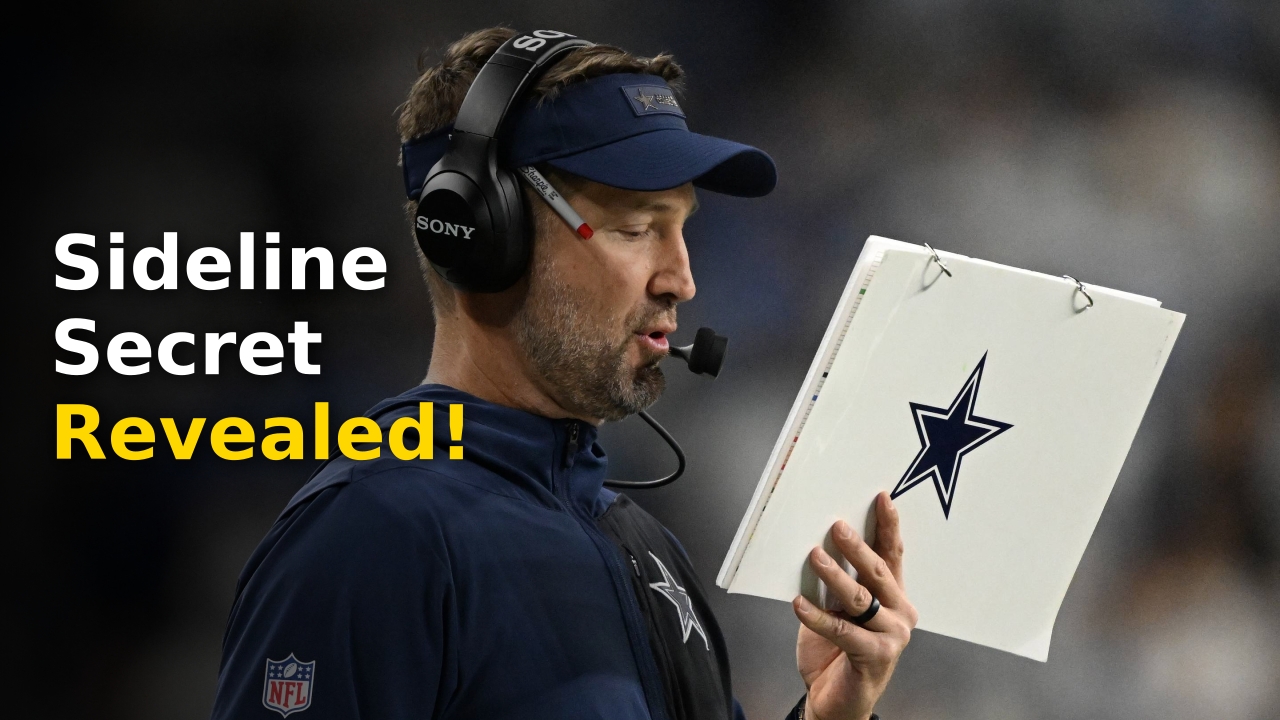
If you have ever watched a Dallas Cowboys game and wondered about the flurry of writing instruments on the sideline, the mystery behind the Brian Schottenheimer pens has finally been solved. The veteran offensive coordinator’s colorful coaching habit became an overnight internet sensation during a high-stakes matchup against the Detroit Lions at Ford Field. While fans on social media mocked what appeared to be an excessive collection of Sharpie markers, the system is actually a highly calculated, analog approach to organizing modern offensive schemes.
In a league dominated by high-tech tablets and digital communication, Schottenheimer relies on visual, hand-coded cues to keep the Dallas offense operating at maximum efficiency. This deliberate color system allows him to instantly read and react to defensive coverages without losing valuable seconds. The hilarious viral frenzy that ensued highlights the fascinating intersection of internet meme culture and elite-level football preparation.
The Truth Behind the Brian Schottenheimer Pens System
During a press conference, Schottenheimer laughed off the viral storm, revealing that his own daughter first alerted him to the online jokes. She sent him an AI-generated image that had accumulated over 500,000 views on X, depicting him with dozens of pens crammed into his visor. The coach jokingly noted that the image was a bit overdone, though he appreciated the creativity of the NFL fan base.
To solve his pocket-space crisis, the coordinator revealed he might transition to a classic multi-color pen to streamline his sideline gear. Between carrying the red challenge flag, communication headsets, and his dense play sheets, sideline real estate is incredibly valuable. He even joked about assigning the pen-carrying duties to Cowboys Chief of Staff Tyler Boyles during future games.
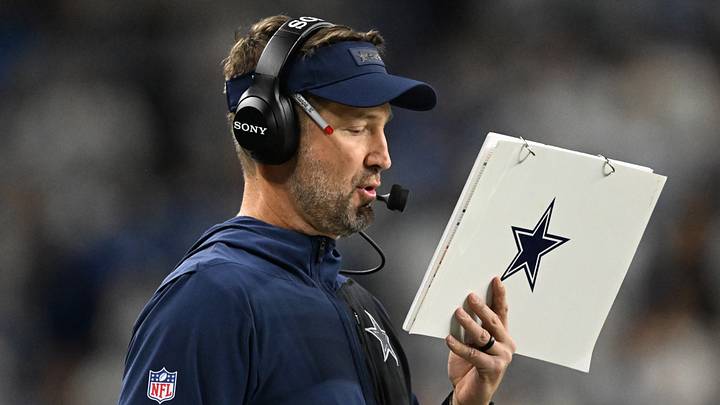
The actual utility of these markers is rooted in high-speed cognitive processing under intense pressure. Schottenheimer explained that different colors correlate directly to specific game situations, called plays, and immediate coaching adjustments. This customized visual system prevents him from calling duplicate plays and helps track which concepts are finding success.
The Viral Visor Meme
The internet age has a unique way of turning minor sideline details into global trending topics. When the AI-generated picture of Schottenheimer’s pen-stuffed visor hit social media, it instantly resonated with fans who love the quirky aspects of NFL gamedays. Some fans questioned how many writing utensils a coach truly needs to avoid being out-coached by opponents.
The image grew so popular that it quickly bypassed standard football circles, landing directly in the Cowboys’ locker room. For a veteran coach like Schottenheimer, who has spent decades in the league, the sudden digital fame was a humorous reminder of how modern fans interact with the sport. He took the lighthearted criticism in stride, offering a transparent and detailed look into his professional process.
Why Color Coding Matters in the NFL
Modern NFL playbooks are famously massive, often containing hundreds of intricate designs, formations, and situational adjustments. When a coordinator is looking at a laminated play sheet on the sideline, black-and-white text can easily blend together. Under the strict 40-second play clock, finding the exact concept for a critical third-down conversion requires instant recognition.
By utilizing the Brian Schottenheimer pens methodology, the Dallas play-caller can group concepts by color. Red might signify red-zone plays that have already been executed, while green indicates the primary script for the opening drive. This visual hierarchy reduces the cognitive load, allowing the coach to focus entirely on the game’s physical flow and defensive adjustments.
Unlike many coaches who use standard dry-erase markers that easily smudge in the rain or during intense sideline huddles, Schottenheimer opts for permanent Sharpie pens. Dry-erase ink can easily wipe off a glossy, laminated sheet if a player’s jersey or a wet towel brushes against it. By using permanent markers, he guarantees that his crucial markings remain pristine throughout four quarters of physical, high-intensity football.
Decoding the Numbers of NFL Play Calling
To understand how Schottenheimer’s system compares to other elite NFL play-callers, we must look at the diversity of sideline tools. Every coach has a unique routine developed over years of trial and error in high-pressure environments. Some prefer clean, minimalistic sheets, while others look like they are holding a giant menu from a local diner.
The following comparison details how prominent coaches structure their sideline tools to manage complex offensive systems:
| NFL Coach Name | Play Sheet Style | Sideline Writing Tools | Primary Organization Method |
|---|---|---|---|
| Brian Schottenheimer | Standard Tri-Fold | Multi-colored Sharpies | Color-coded tracking by situation |
| Mike McCarthy | Large Laminated Matrix | Single black dry-erase | Grid-based situational mapping |
| Andy Reid | Double-Sided Giant Menu | Reading glasses & fine pen | Scripted progression sequences |
| Sean McVay | Compact Single Sheet | Minimalist black marker | Personnel grouping structures |
This diverse approach to play-sheet design proves there is no single correct way to manage an NFL game. While some coaches rely on clean grids, others need the sensory feedback of physically marking off plays. For Schottenheimer, the physical act of cross-referencing with distinct colors keeps his thoughts grounded during chaotic drives.
In Dallas, where the pressure to perform is always at a fever pitch, any minor edge can make a massive difference. The Cowboys’ offensive staff must analyze defensive tendencies in real-time, making rapid-fire adjustments between possessions. Having a highly organized, color-coded sheet allows Schottenheimer to relay suggestions to head coach Mike McCarthy seamlessly.
The team’s success depends heavily on this administrative precision, especially when facing elite defensive coordinators who hide coverages. If a play-caller cannot find the right counter-play within five seconds, the entire drive can stall. Thus, those colorful markers are far from a distraction; they are a vital tool of the trade.
By looking at historical metrics, we can see that teams with streamlined communication systems suffer fewer pre-snap penalties. Dallas has consistently ranked highly in offensive efficiency under this staff’s tenure. This attention to detail on the sideline directly correlates with their ability to execute complex shifting and motion before the snap.
The Art and Science of NFL Play Sheets
The tradition of the structured play sheet traces its origins back to legendary coaches who revolutionized how football is played. Pioneers like Bill Walsh of the San Francisco 49ers famously scripted their first 15 to 20 plays to script the opening phases of games. To explore this historical evolution, you can check out Brian Schottenheimer’s extensive NFL coaching history to see his background across various offensive systems.
As defensive schemes grew more complex, the simple index cards used in the mid-20th century evolved into massive, laminated documents. Coaches began using color-coding to differentiate between personnel packages, such as 11 personnel (one running back, one tight end) and 12 personnel. This evolution required coaches to develop highly personalized visual shorthand to survive the grueling tempo of the game.
Just as sports fans obsess over elite coaching strategies, they also appreciate these unique sideline quirks, finding exclusive sports insights on BrightCelebrity. The visual spectacle of a coach covered in markers adds a human element to a highly corporate, clinical sport. It reminds us that at its core, football is still planned by humans with pens and paper.
Expert Take: The Psychology of Sideline Decisions
According to sports psychology and cognitive science research, high-stress environments drastically impair working memory and decision-making speed. An NFL stadium like Ford Field presents extreme sensory overload, from deafening crowd noise to flashing stadium lights. In these moments, a monochrome sheet can cause visual crowding, where similar-looking text blocks merge in the coach’s mind.
By employing distinct colors, Schottenheimer utilizes a psychological concept known as the Von Restorff effect, which predicts that distinctive items are more easily remembered. A bright red line through a called play instantly tells his brain to move to the next option without cognitive friction. This minor reduction in mental processing time allows the Cowboys to break the huddle faster, avoiding costly delay-of-game penalties.

To keep up with the trendiest developments in sports and entertainment, you can explore BrightCelebrity’s entertainment analysis for more updates on your favorite personalities. Understanding how these public figures handle viral fame offers a unique look into modern media dynamics. Schottenheimer’s good-natured response is a masterclass in turning an internet joke into a positive PR moment.
Ultimately, the pens represent a dedication to detail that defines the highest levels of professional coaching. Every line, dot, and color choice on that laminated sheet represents hours of mid-week film study and meticulous planning. When the game is on the line, those humble Sharpies are just as important as the modern tablets on the bench.
People Also Ask
Why is the Brian Schottenheimer pens story trending right now?
The story went viral after NFL fans noticed Brian Schottenheimer carrying an excessive number of Sharpie markers on the sideline during a Dallas Cowboys game. An AI-generated image mocking his pen collection quickly gathered over 500,000 views on social media, prompting him to publicly explain his system.
How does Brian Schottenheimer use different colored pens on his play sheet?
Schottenheimer uses different colors to categorize called plays, mark situational priorities, and track upcoming adjustments on his laminated play sheet. This visual shorthand allows him to quickly navigate dense play options under strict game-clock constraints.
Did Brian Schottenheimer address the viral AI meme about his pens?
Yes, Schottenheimer revealed that his daughter sent him the viral AI-generated image showing him with dozens of pens in his visor. He jokingly called the picture ‘overdone’ but admitted he might look into using a single multi-colored pen to save pocket space.
Who did the Dallas Cowboys play when the pen storyline gained national attention?
The storyline captured national interest during the early weeks of the NFL season, highlighted during games against opponents like the Detroit Lions at Ford Field and the New York Giants. The visual of his sideline preparation became a major talking point across major sports networks.
Why the Brian Schottenheimer Pens Saga Resonates
While the NFL is a league increasingly defined by advanced data and digital systems, some analog traditions remain completely irreplaceable. The fascinating saga of the Brian Schottenheimer pens serves as a perfect reminder that human touch and customized systems still run the gridiron. No matter how advanced the technology on the sideline becomes, a simple set of markers can be the ultimate key to executing a flawless offensive game plan.
For the Dallas Cowboys, the focus quickly shifts from lighthearted memes to executing on the field as they navigate a highly competitive season. Fans can keep up with the team’s latest roster moves and off-field stories on BrightCelebrity, ensuring they never miss a moment of the action. Ultimately, whether Schottenheimer carries five pens or a single multi-colored tool, the goal remains exactly the same: scoring touchdowns and winning games.
To see how these intricate sideline strategies translate into game-winning drives, you can follow ESPN’s latest NFL coverage for comprehensive analysis and detailed play breakdowns. As the season progresses, the visual of the Cowboys’ offensive coordinator clutching his trusty play sheet will remain an iconic symbol of gameday dedication. In the high-pressure world of professional football, sometimes the best tool for the job is simply the one that works for you.
More Like This
For more updates, check out our latest entertainment and sports news.