Key Takeaways
| Theatrical Resilience: Spider-Man: Brand New Day and The Odyssey hold domestic top-10 slots after 60 days. |
| Accelerated Windows: Andrew Garfield’s period action movie The Uprising hits PVOD after a tiny theatrical run. |
| Angel Studios Pivot: Alan Ritchson’s action film represents a major secular shift for the faith-centric distributor. |
| Footprint Collapse: Ritchson’s feature lost half its theaters in under three weeks, targeting an October 13 digital launch. |
As you look at the shifting entertainment landscape, understanding the dynamics of Box Office Versus PVOD reveals how drastically moviegoing habits have changed. You no longer have to wait several months to stream the latest theatrical releases in the comfort of your living room. Instead, a dramatic systemic division has emerged between mega-blockbusters that dominate multiplexes for months and mid-budget projects that get pulled into the digital ecosystem within weeks. This stark contrast is redefining the financial formulas of Hollywood’s biggest studios.
While theatrical exclusivity used to be a sacred industry standard, it is now a luxury reserved for a select elite. This summer, mega-hits like Spider-Man: Brand New Day and the historical epic The Odyssey have completely defied standard decline rates, maintaining their positions on the domestic top-10 chart more than two months after debuting. Conversely, standard releases face a ruthless theatrical market where sub-optimal opening weekends trigger immediate digital transitions. Navigating this landscape requires distributors to balance short-term streaming profits with long-term brand building.
Box Office Versus PVOD Dynamics
To comprehend how the entertainment industry arrived at this crossroads, you must analyze the collapse of the traditional 90-day theatrical window. Historically, theater chains held strict exclusive rights to screen films, leaving home video and television distribution waiting in a structured queue. However, the global pandemic accelerated a digital transformation that forever altered consumer expectations and studio release schedules. Today, major distributors routinely employ dynamic premium video-on-demand models to recoup production budgets on struggling projects.

According to industry updates on Bright Celebrity entertainment trends, this strategy acts as a crucial safety valve for mid-budget cinema. When a film fails to secure massive box office traction on its opening weekend, studios can transition it to digital rental platforms in as little as 17 days. This allows marketing campaigns to remain fresh in the minds of consumers, saving millions in secondary advertising costs. The financial math of Box Office Versus PVOD has turned what once looked like a theatrical failure into a highly profitable digital asset.
Exhibitors are understandably frustrated by this rapid transition model, claiming it disincentivizes audiences from buying movie tickets. Theater owners argue that short windows create a patient consumer base that simply waits three weeks for a home release rather than planning a trip to the multiplex. Yet, for studios, the high profit margins on digital sales, where they keep up to 80% of the revenue compared to a 50% theatrical split, make PVOD an irresistible alternative. This ongoing tug-of-war is continuously reshaping theater licensing agreements across North America.
While some creatives decry the death of the cinematic experience, others view PVOD as a vital lifeline for diverse storytelling. Without the digital safety net, mid-budget dramas and experimental genre films would disappear from studio release slates entirely. The current marketplace has essentially split into two extreme categories: colossal cinematic events and convenient home-viewing options. Understanding this divide is vital to following your favorite Hollywood actor news profiles and tracking their commercial success.
The Rise of Dynamic Windowing
Dynamic windowing allows studios to customize theatrical exclusivity based on specific box office performance tiers. Under current agreements with major theater chains, films that open below a predetermined financial threshold can skip directly to digital platforms. Conversely, blockbusters that exceed expectations retain their exclusive theater runs to maximize ticket sales. This flexible system protects both the massive investments of theater owners and the digital recovery strategies of major studios.
Consumer Behavior and Home Tech
Another significant driver of this theatrical shift is the rapid advancement of consumer home theater technology. With high-definition smart televisions, soundbars, and fast home internet becoming standard, the incentive to pay premium theater prices has declined. Audiences now reserve multiplex visits exclusively for high-concept spectacles that require massive screens and advanced sound systems. Consequently, character-driven dramas and mid-tier action films struggle to justify the premium cost of admission.
Tracking the 2024 Cinematic Transitions
Evaluating the recent performance of major theatrical releases reveals a widening chasm in box office longevity. While major franchise sequels enjoy historic runs, mid-budget action movies find themselves rapidly losing theatrical footprints. The table below outlines how drastically different titles have navigated the transition from theater screens to digital rental platforms this season.
| Film Title | Starring Cast | Theatrical Days | Domestic Box Office | PVOD Status |
|---|---|---|---|---|
| Spider-Man: Brand New Day | Marvel Ensemble | 65+ Days | $385 Million | Theatrical Exclusive |
| The Odyssey | Ensemble Cast | 60+ Days | $190 Million | Theatrical Exclusive |
| The Uprising | Andrew Garfield | 18 Days | $12.5 Million | Available Now |
| Untitled Action Film | Alan Ritchson | 20 Days | $14.0 Million | Releasing Oct 13 |
This data underscores the reality that star-studded cast members are no longer a guaranteed shield against early digital transitions. For instance, the highly anticipated period action movie The Uprising, featuring a premium performance from Andrew Garfield, quickly shifted to the digital marketplace. Despite Garfield\’s critical acclaim and extensive media tours, the project could not sustain its theatrical footprint beyond three weeks. This represents a broader cultural trend where mid-tier releases are quickly processed through theaters to serve as marketing hooks for their eventual PVOD releases.

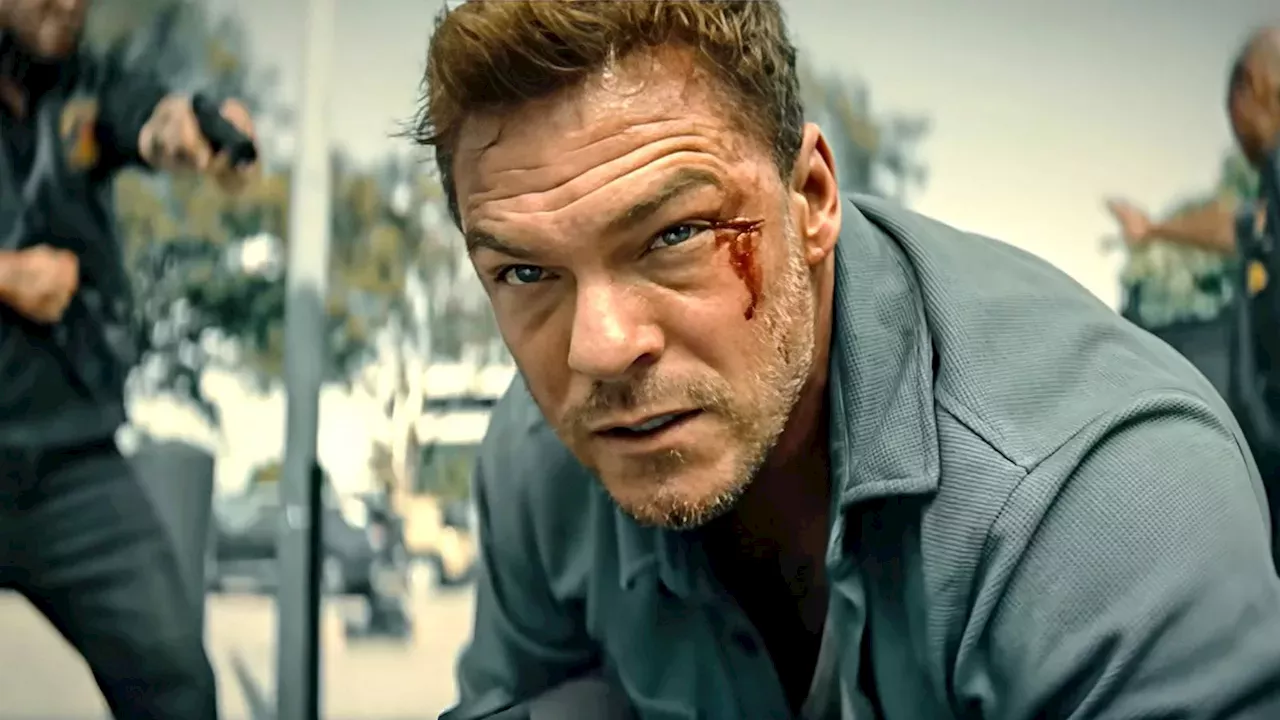
At the same time, action star Alan Ritchson is experiencing a similar pattern with his latest high-octane project. Debuting across 2,500 North American theaters, the film rapidly shed theaters and is currently playing in only 1,300 locations after less than three weeks. Generating roughly $14 million domestically, the project fits squarely between fellow action titles like Shelter and Mutiny. Consequently, distributors have set a firm digital release date of October 13 to capitalize on home streaming platforms.
Angel Studios and the Secular Pivot
This rapid theatrical-to-digital transition plays a pivotal role in the corporate strategy of Angel Studios. Famous for pioneering equity crowdfunding models for hits like The Chosen and Sound of Freedom, the independent studio is actively diversifying its portfolio. By moving away from purely faith-based projects, they are testing mainstream, secular action films to secure broader cultural relevance. The commercial reception of Ritchson\’s project is being closely monitored by industry executives as a major case study.
This strategic evolution is disrupting traditional celebrity media box office updates and rewriting the playbook for independent distribution. Rather than relying solely on religious congregations, Angel Studios is attempting to target mainstream cinema fans who crave classic action storytelling. However, breaking into this highly competitive market requires massive marketing capital and extensive theater relations. The modest box office returns of their latest effort suggest that transitioning to a secular mainstream brand is a complex uphill battle.
“The modern theater ecosystem is incredibly unforgiving to non-franchise titles. If a film does not secure an immediate cultural footprint, transitioning to home distribution platforms is the only logical path to achieve financial viability.”
— Entertainment Industry Analysis, 2024
Despite these challenges, the studio\’s willingness to pivot highlights the flexibility required to survive in today\’s entertainment climate. As traditional studios struggle with high production overheads, independent outfits are using digital metrics to optimize their release schedules. By utilizing data-driven theatrical releases as promotional launchpads for PVOD sales, independent distributors can compete with legacy studios. This innovative distribution methodology ensures that unique voices and creative projects continue to find their respective audiences.
By The Numbers: The Financial Reality
To put these figures into perspective, you can look at the historical tracking of mid-budget movies on Box Office Mojo tracking metrics. A $14 million theatrical run historically represented a massive loss for any studio-backed release. However, under the new model, that same theatrical run serves as a multi-million-dollar marketing campaign for home viewing. When the film launches on PVOD platforms like Apple TV and Prime Video, it carries the prestige of a theatrical release, commanding premium rental prices that directly recoup the initial production budget.
The Prestige Factor of Theaters
Even when a film is destined for a quick digital transition, a theatrical release remains incredibly valuable. The presence of a film in physical cinemas establishes a level of prestige that direct-to-streaming movies rarely achieve. Audiences still perceive theatrically released films as higher quality, which translates directly to increased purchase intent when the title arrives on digital platforms. Therefore, the theater has transformed from the primary source of revenue into a premium marketing tool for home entertainment.
People Also Ask
What happened with Box Office Versus PVOD dynamics today?
The theatrical market has split into two extremes. Massive franchise movies like Spider-Man maintain long theater runs, while mid-budget films like Andrew Garfield’s The Uprising are forced to transition to digital home rental platforms within three weeks of release.
Why is Alan Ritchson trending right now?
Alan Ritchson is trending due to the rapid theatrical-to-digital transition of his latest action movie. The film is scheduled to hit premium video-on-demand platforms on October 13 after a brief theatrical run that yielded approximately $14 million domestically.
How does this affect future Angel Studios film releases?
The performance of Ritchson’s movie serves as a major test for Angel Studios’ strategy to diversify into secular action entertainment. The studio will likely continue blending theatrical runs with accelerated digital windows to minimize financial risks on non-faith-based content.
When is the digital release date for The Uprising?
The period action film starring Andrew Garfield has already completed its theatrical window and is currently available for premium digital purchase and rental across all major streaming platforms.
Future of Cinematic Distribution
As you evaluate the future of entertainment, the strategic battle of Box Office Versus PVOD will continue to dictate which films get greenlit. Legacy studios must adapt to a consumer base that demands immediate access and ultimate convenience. While theatrical events will always have a place in our culture, the standard mid-budget movie has permanently migrated to the home screen. This evolution is not a sign of cinema’s decline, but rather a necessary restructuring of the global entertainment economy.
Ultimately, this transition offers a balanced path forward for both content creators and distributors. Filmmakers get the prestige of a theatrical release, while studios protect their investments by capturing home-viewing revenues early. For more details on your favorite actors and their upcoming projects, check out their official profiles on the IMDb industry database. The classic Hollywood model is changing, but the passion for compelling storytelling remains stronger than ever before.
More Like This
For more updates, check out our latest entertainment and sports news.