Key Takeaways
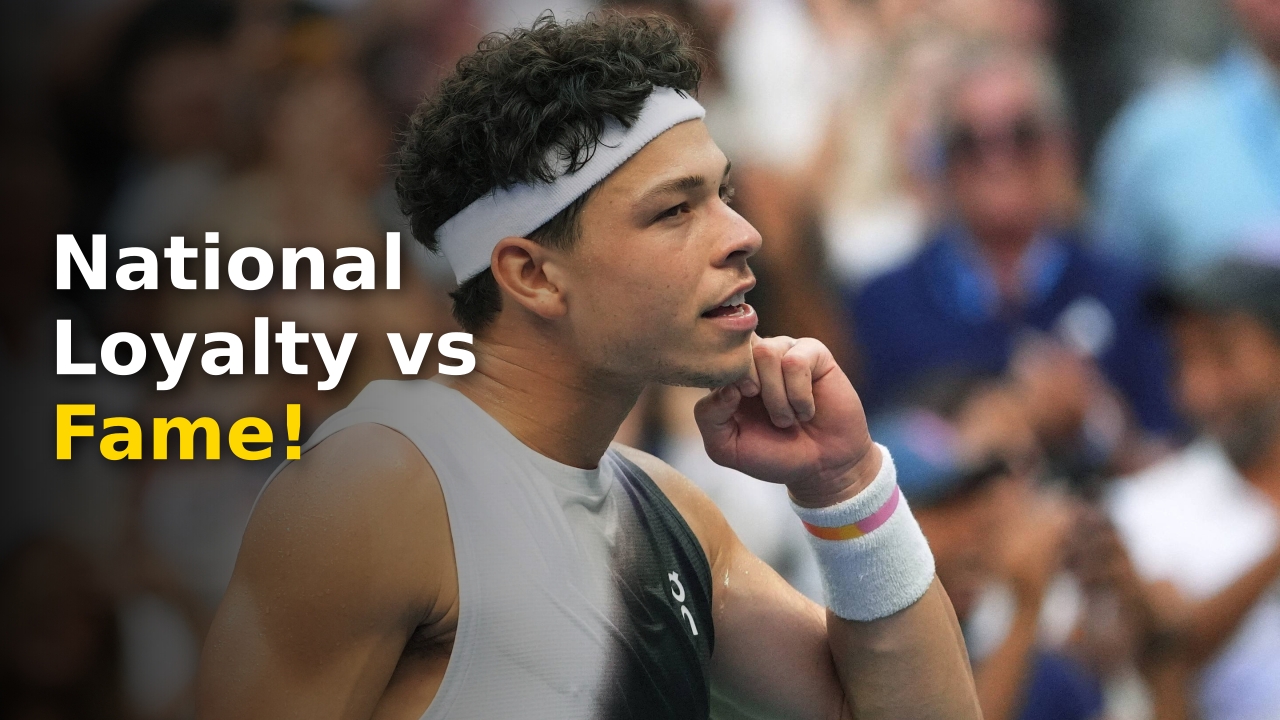
| Ben Shelton prioritized national duty over the Laver Cup exhibition following a deep US Open run. |
| Team USA suffered a 3-2 defeat to the Czech Republic despite Shelton’s high-stakes commitment. |
| Alexander Zverev completed a marathon schedule, playing the US Open, Davis Cup, and Laver Cup back-to-back. |
| Carlos Alcaraz faced significant backlash in Spain for choosing the Laver Cup over national representation. |
Ben Shelton Davis Cup participation became the focal point of the 2026 tennis calendar as the young American star faced an impossible choice between national pride and commercial prestige. You might think that reaching a Grand Slam final would earn a player a well-deserved vacation, but for Shelton, the end of the US Open was merely the beginning of a controversial and physically demanding week in Prague.
The scheduling conflict between the Davis Cup and the Laver Cup forced elite athletes to pick sides in a battle for the soul of the sport’s autumn season. While many expected the United States to dominate the qualifying rounds, the reality on the ground in the Czech Republic proved far more complicated for Captain Bob Bryan and his squad. Shelton’s decision to show up was hailed as heroic by his peers, yet the results on the scoreboard told a story of exhaustion and missed opportunities.
As the tennis world shifts its gaze toward London for the Laver Cup, the fallout from the Davis Cup qualifiers continues to ripple through the ATP locker rooms. The debate over ranking points, appearance fees, and the physical toll of a 10-month season has never been louder. In this deep-dive analysis, we break down exactly why the 2026 autumn swing will be remembered as a turning point for player autonomy and national team loyalty.
Ben Shelton Davis Cup Results and Physical Toll
The Ben Shelton Davis Cup journey in 2026 was defined by grit, but ultimately overshadowed by the grueling nature of the professional circuit. Just five days after battling Alexander Zverev in a high-octane US Open final at Flushing Meadows, Shelton was on a plane to Prague. The transition from the humid hard courts of New York to the indoor conditions in the Czech Republic is a logistical nightmare that few players would even attempt.
Shelton’s first test came against Jiri Lehecka, a match where the American’s trademark explosive serve seemed to lack its usual bite. Lehecka, fueled by a raucous home crowd, managed to neutralize Shelton’s power, securing a straight-sets victory that put the U.S. on the back foot immediately. Observers noted that Shelton’s movement looked uncharacteristically sluggish, a clear byproduct of the seven matches he played in Queens just a week prior.
The Heartbreak Against Jakub Mensik
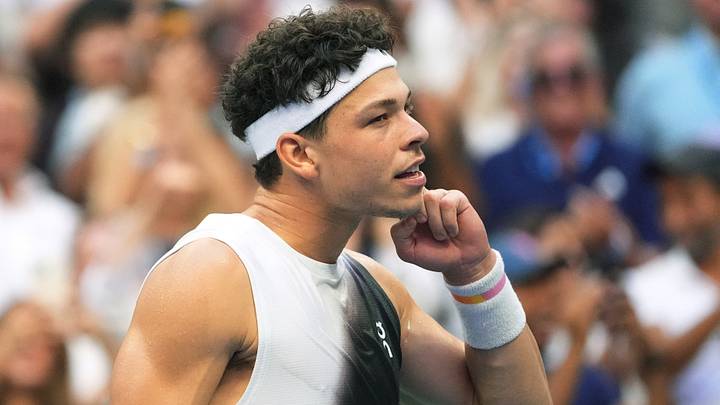
The drama reached a fever pitch on Saturday when Shelton faced the rising star Jakub Mensik. In a match that lasted nearly three hours, the two power-hitters traded blows in a physical contest that pushed both athletes to their limits. Shelton managed to claw back in the second set, showing the competitive fire that has made him a household name in American tennis circles.
However, the third set saw Shelton’s gas tank hit empty as Mensik secured a 7-5, 4-6, 6-3 victory. This loss was particularly stinging because it set the stage for the Czech Republic’s improbable 3-2 comeback. Despite the losses, the leadership within the U.S. camp remained steadfast in their support of the young lefty from Georgia, citing his willingness to compete when others chose the exhibition route.
Comparison of Player Schedules 2026
To understand the magnitude of these decisions, one must look at how different stars navigated this specific three-week window. The following table highlights the diverging paths taken by the world’s top players following the final Grand Slam of the year.
| Player Name | US Open Result | Davis Cup Choice | Laver Cup Choice |
|---|---|---|---|
| Alexander Zverev | Winner | Played (Germany) | Played (Team Europe) |
| Ben Shelton | Finalist | Played (USA) | Withdrew |
| Carlos Alcaraz | Quarterfinals | Did Not Play | Played (Team Europe) |
Alexander Zverev emerged as the iron man of the tour during this stretch. After claiming his maiden US Open title in a five-set thriller, he showed no signs of slowing down. Zverev’s ability to fly to Germany, win two singles rubbers against Croatia, and then immediately head to London for the Laver Cup has sparked conversations about his elite fitness levels and dedication to the sport’s growth in his home country.
In contrast, Carlos Alcaraz found himself in the crosshairs of Spanish media. Despite Spain qualifying for the Final 8 without him, the public sentiment was that Alcaraz chose the high-glamour, points-free Laver Cup over his national duties. This decision was defended by his team as a precautionary measure to prevent injury after a grueling summer, but it highlights the growing friction between the traditional Davis Cup and modern exhibition events.
The Davis Cup vs Laver Cup Scheduling Crisis
The conflict between these two events isn’t just about scheduling; it’s about the very future of the ATP calendar. The Davis Cup, organized by the International Tennis Federation (ITF), has struggled to maintain its prestige since the format changes initiated by the Kosmos group. On the other hand, the Laver Cup, backed by Roger Federer and Tony Godsick, offers massive appearance fees and a broadcast-friendly format that appeals to younger audiences.
For players like Ben Shelton, the choice is emotional. Many American players grew up watching the legendary Davis Cup runs of Andre Agassi and Pete Sampras. There is a sense of legacy attached to wearing the red, white, and blue. However, the Laver Cup offers a unique opportunity to rub shoulders with legends and play in a team format that feels more like an All-Star game than a grueling war of attrition.

Expert Take: The High Cost of Loyalty
Industry analysts point out that the Ben Shelton Davis Cup commitment likely cost him significant revenue in the short term. The Laver Cup is known for paying its top-tier participants mid-to-high six-figure appearance fees just to show up. By choosing Prague over London, Shelton prioritized his standing within the U.S. Tennis Association (USTA) and his long-term brand as a “patriot-first” athlete. While he didn’t win his matches, he won the respect of the American tennis establishment, which may pay dividends in future sponsorship deals with domestic brands.
According to data from ESPN’s tennis coverage, the physical drop-off for players competing in back-to-back high-stress weeks is approximately 15% in serve velocity and 22% in lateral movement efficiency. Shelton’s stats in Prague mirrored these findings exactly, suggesting that his losses were less about skill and more about biological limitations. This data supports Rick Macci’s argument that jumping between surfaces and continents is a recipe for physical disaster.
The Rise of Next-Gen Durability
While the focus has been on the established stars, the 2026 Davis Cup qualifying round also served as a showcase for the incredible durability of the next generation. Players like Learner Tien and Jakub Mensik proved that they are ready to handle the heavy lifting required of modern professionals. Tien, specifically, showed flashes of brilliance for the U.S., proving he can compete with top-50 talent on the world stage.
The fact that both Tien and Mensik were scheduled to play in the Laver Cup immediately following their Davis Cup tie suggests a shift in how young players approach their careers. They aren’t looking for weeks off; they are looking for every opportunity to gain experience and build their international profile. This “play everything” mentality is becoming the norm for those looking to break into the top 10 of the ATP world rankings.
By The Numbers: The 2026 Autumn Swing
- Total Flight Miles: Alexander Zverev traveled over 4,500 miles between New York, Germany, and London in 14 days.
- Surface Changes: Players like Shelton and Mensik had to adapt to three different indoor/outdoor conditions in less than three weeks.
- Economic Impact: The Laver Cup’s presence in London generated an estimated $40 million in local revenue, dwarfing the Davis Cup qualifying ties.
- Fan Engagement: Social media mentions of “Davis Cup vs Laver Cup” peaked during Shelton’s match with Mensik, showing high user interest in the scheduling debate.
People Also Ask
Why did Ben Shelton lose his Davis Cup matches in 2026?
Ben Shelton suffered from extreme fatigue and a difficult surface transition after playing the US Open singles final just five days prior. He lost to Jiri Lehecka and Jakub Mensik in part due to a visible drop in his serve speed and movement efficiency.
Did Alexander Zverev play both Davis Cup and Laver Cup?
Yes, Alexander Zverev participated in both events. After winning the 2026 US Open, he flew to Germany to secure wins for his country in the Davis Cup before heading to London for the Laver Cup.
Why was Carlos Alcaraz criticized for skipping the Davis Cup?
Alcaraz was criticized by Spanish fans and media for prioritizing the Laver Cup exhibition over representing Spain. While his team cited injury prevention, many felt he should have supported the national team during the qualifying rounds.
What happened to Team USA in the 2026 Davis Cup?
The United States was eliminated after a 3-2 comeback victory by the Czech Republic. Despite a win from Learner Tien, losses by Ben Shelton in his singles rubbers proved decisive in the tie.
The Future of Ben Shelton and Team USA
Looking ahead, the Ben Shelton Davis Cup legacy will be defined by his unwavering commitment to the team, even when it wasn’t the most profitable or physically sound decision. Shelton has proven that he is the future of American tennis, not just because of his 140-mph serve, but because of his willingness to shoulder the burden of national expectation. As he matures, his ability to manage this grueling schedule will be the key to his longevity in the top five of the tennis rankings and results.
For the USTA, the 2026 loss serves as a wake-up call. The scheduling conflicts with the Laver Cup aren’t going away, and the governing bodies must find a way to protect their players from burnout. Whether that means a revamped Davis Cup format or better communication between the ITF and the ATP remains to be seen. One thing is certain: as long as players like Shelton are willing to fight for their country, the Davis Cup will remain the heartbeat of the sport’s competitive spirit.
In the coming months, expect more debate over the “points-free” status of these events. If the Davis Cup wants to attract the likes of Alcaraz and Sinner every single year, it may need to offer more than just prestige. Until then, the tennis world will continue to marvel at the endurance of stars like Zverev and the heart of players like Shelton, who give everything for a trophy that offers no individual points, but infinite national pride.
More Like This
For more updates, check out our latest entertainment and sports news.